
Beyond On/Off: How Smart Control Valves Are Transforming Process Automation
Remember the days when a control valve was just a fancy on/off switch with a handwheel? Those days are long gone. Today’s smart control valves think, talk, diagnose themselves, and basically run half the plant before the operator finishes his coffee. If you’re still running loops on old-school positioners and praying nothing drifts, this one bad batch or unplanned shutdown is all it takes to wipe out a month’s margin. The plants winning right now? They’ve swapped dumb iron for intelligent control valves that cut variability, slash energy bills, and turn maintenance from firefighting into actual planning.
The Real Cost of “Good Enough” Valves
Let’s talk money, not theory. A medium-size refinery losing just 1% loop variability on its FCCU fractionator can burn an extra $400,000 a year in excess energy. A chemical plant I visited in Louisiana was throwing away $180,000 annually because three legacy control valves in a reactor feed loop were hunting ±4%. The fix? Four new smart control valves with integrated positioners. Payback hit in nine months flat.
Across industries the numbers keep repeating themselves:
-
68% of unplanned outages trace back to final control elements (ARC Advisory Group)
-
Poor valve performance eats 3–7% of total energy in most process plants
-
Smart diagnostics catch 70% of issues before they turn into failures
Those aren’t marketing slides. Those are the hard numbers plant managers lose sleep over.
What Actually Makes a Control Valve “Smart” Today?
Forget the buzzwords. Here’s what separates yesterday’s iron from tomorrow’s profit centers.
Built-in Brainpower
Modern control valves ship with microprocessors that do more than just move a stem. They run PID loops locally, log performance 24/7, and talk HART, Foundation Fieldbus, or Profinet without extra boxes hanging off the yoke.
Self-Diagnostics That Actually Work
We’re talking:
-
Real-time stroke timing and deviation alarms
-
Packing friction trending (catches leaks before they’re visible)
-
Travel accumulation counters that predict seat wear
-
Air supply pressure monitoring so you know the instrument air dryer is dying long before the actuator stalls
One Gulf Coast ethylene unit caught a sticky packing on a hot cracker valve two weeks before it would have seized. Saved them a 36-hour emergency shutdown.
Digital Positioners Worth the Money
Old analog positioners drift. New digital ones hold deadband under 0.2% for years. Pair that with volume boosters and response times drop to full stroke in under a second, even on a 36-inch line.
Real-World Wins: Three Plants, Three Different Headaches
Case 1 – Midwest Ammonia Plant
Problem: Compressor anti-surge valves hunting, spiking power draw. Fix: Replaced pneumatic positioners with smart digital units and added on-board anti-surge algorithms. Result: Surge events dropped from 18/month to zero. Power savings paid for the valves in seven months.
Case 2 – Southeast Pulp Mill
Problem: Black liquor control valves flashing and eroding every 4–6 months. Fix: Smart globe valves with predictive cavitation diagnostics and multi-stage trim. Result: Trim life jumped to 30+ months. Maintenance crew got their weekends back.
Case 3 – Offshore FPSO (North Sea)
Problem: Weight and space penalties on every pound. Fix: Compact smart rotary control valves with wireless HART running off the platform DCS. Result: Cut topside weight by 1,200 kg and eliminated 14 junction boxes. Client called it “free real estate.”
Quick Comparison: Traditional vs. Smart Control Valves
| Feature | Traditional Valves | Smart Control Valves |
|---|---|---|
| Positioner type | Analog I/P | Digital with onboard PID |
| Deadband | 1–5% | <0.3% |
| Diagnostics | None | Continuous, predictive |
| Commissioning time | Hours per valve | Minutes with auto-tune |
| Energy waste from hunting | Common | Almost eliminated |
| MTBF | 2–4 years | 8–12 years typical |
| Remote access | No | Yes – phone, tablet, control room |
How to Bring Your Plant into the 21st Century Without a Mega-CapEx
You don’t need to rip and replace everything overnight. Smart retrofits are a thing.
-
Start with the worst actors (your “bad actor” list everybody pretends doesn’t exist)
-
Swap the positioner first — biggest bang for buck
-
Add valve monitoring software that slurps data into your existing historian
-
Train one instrumentation tech to own the program (they’ll thank you)
One Texas petrochemical site did exactly that on 42 critical control valves over 18 months. Total spend: $680k. Annual savings from energy, product giveaway, and avoided shutdowns: $2.1 million and counting.
The Future Is Already Shipping
We’re seeing control valves with embedded edge computing that run machine-learning models locally — spotting signature patterns of cavitation or stiction before the DCS even notices a PV wiggle. Wireless power harvesting means no more batteries in hazardous areas. And 3D-printed trim customized to your exact flow profiles? Already happening in pilot plants.
Meet Miwival: Real-World Valves, Actuators, and Accessories
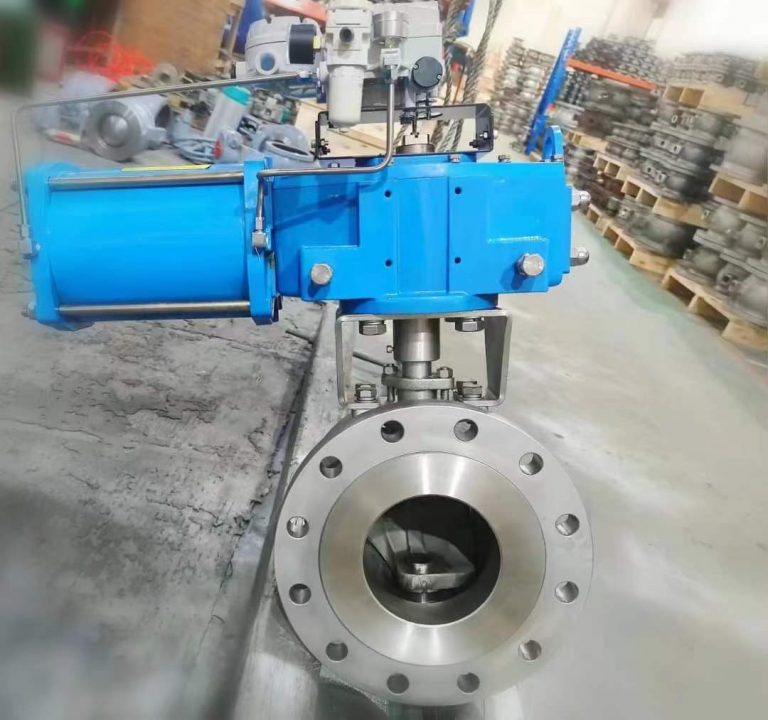
Time for a quick intro to the crew that actually builds this stuff. Miwival has been quietly shipping control valves, actuators, positioners, and accessories. They’re the kind of supplier who always offer you the products with the highest value for money. With warehouses in Zhejiang, China, plus engineering teams that speak fluent process, they’ve earned a spot on approved vendor lists from refineries to pharma cleanrooms. They always puts the needs of customers first.
Final Takeaway
The plants running the tightest, cleanest, most profitable processes right now aren’t the ones with the newest reactors or the biggest budgets. They’re the ones that stopped treating control valves like plumbing and started treating them like the profit centers they actually are. Smart control valves aren’t the future — they’re the standard that’s already pulling away from the pack.
Frequently Asked Questions About Smart Control Valves
Q: Are smart control valves really worth the higher upfront cost? A: Almost always. Most plants see full payback in 8–18 months through energy savings, reduced giveaway, and fewer shutdowns. After that it’s pure profit.
Q: Can I retrofit my existing control valves to make them smart? A: Yep. Swapping an old positioner for a modern digital one plus adding a valve monitoring software turns a 1990s actuator into a 2025 performer for a fraction of new-valve cost.
Q: Do smart control valves work with my old DCS? A: 99% of them speak 4-20 mA + HART, so they drop straight into existing loops. Many also support Profibus and Foundation Fieldbus if you’re on those systems.
Q: How much training do operators need? A: Less than you think. The diagnostics are designed to flag issues in plain language (“Valve sticking — check packing”). Most crews are comfortable within a week.
Q: Will they help me hit my emissions targets? A: Big time. Tighter control = less flaring, less steam waste, fewer fugitive leaks. One Gulf Coast site knocked 180 tons/year off their CO₂ just by fixing sticky control valves.


 consult
 WHATSAPP
 leave message
 top
top