Simplifying Piping Layouts: How 3-Way and 4-Way Multi-Port Ball Valves Consolidate Lines and Save Space
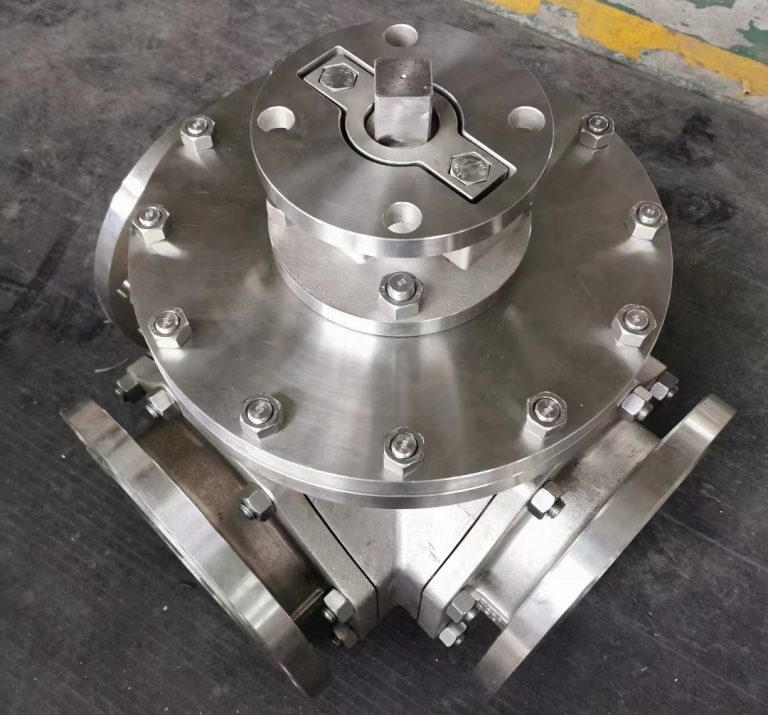
Ever stared at a tangled web of pipes in a factory and wondered how to make it less of a headache? You’re not alone. In industries like chemicals, oil and gas, or food processing, piping systems can get complicated fast. That’s where multi-port ball valves come in handy. Specifically, 3-way and 4-way ball valves can cut down on clutter by merging multiple lines into one setup. They handle flow direction with a simple turn, saving space and making operations smoother. Let’s dive into how these valves work and why they’re a smart pick for your next project.
Understanding Multi-Port Ball Valves
What Makes Multi-Port Ball Valves Stand Out?
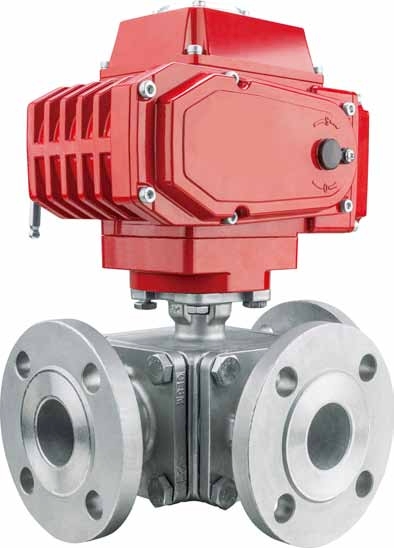
Multi-port ball valves are basically upgraded versions of standard ball valves. Instead of just on-off control through two ports, these have three or four openings. The ball inside has a hole – or sometimes multiple holes – that rotates to direct fluid flow. Think of it as a traffic cop for liquids or gases. Turn the handle, and you switch paths without needing extra fittings or valves.
In a typical setup, the ball seals tight against the seats, keeping leaks at bay. Materials like stainless steel or alloys handle tough conditions, from corrosive chemicals to high pressures. What’s cool is their low torque operation; you don’t need a lot of muscle or fancy actuators to get them moving. This design shines in tight spaces where every inch counts.
Breaking Down 3-Way vs. 4-Way Configurations
3-way ball valves usually come in L-port or T-port styles. An L-port diverts flow from one inlet to either of two outlets – perfect for switching between tanks. A T-port mixes flows or splits them, letting you combine two inlets into one outlet or vice versa. Picture a cooling system in a brewery: one line for hot wort, another for coolant, mixing just right through the valve.
4-way ball valves take it up a notch with four ports. They often use an X-port or double L-port ball, allowing more complex routing. You could cycle fluids between multiple lines without stopping the process. In a petrochemical plant, this might mean redirecting crude oil streams during maintenance, keeping everything running.
Here’s a quick comparison to keep it straight:
| Feature | 3-Way Ball Valve | 4-Way Ball Valve |
|---|---|---|
| Common Port Styles | L-port, T-port | X-port, Double L-port |
| Typical Use | Diverting or mixing two flows | Complex routing, cycling flows |
| Space Savings | Reduces need for two valves | Can replace three or more valves |
| Flow Options | Three possible paths | Up to four or more combinations |
This table shows how 4-way valves offer more flexibility, but 3-way ones are often enough for simpler jobs.
Key Benefits for Piping Systems
Cutting Down on Space and Complexity
Crowded pipe racks? Multi-port ball valves fix that. By consolidating lines, you ditch extra tees, elbows, and unions. In a water treatment facility I visited last year, switching to 3-way valves shaved off 20% of the piping length. That meant less material, fewer welds, and easier access for inspections. No more climbing over a maze just to check a gauge.
4-way versions go further in high-density setups, like offshore platforms where space is gold. They handle multiple directions in one body, trimming the footprint by up to 30% in some cases. Less clutter also means safer walkways – fewer trip hazards for workers.
Boosting Efficiency and Cutting Costs
These valves aren’t just about looks; they perform. Smooth bore designs keep pressure drops low, so pumps don’t work overtime. In a sugar mill, for instance, using 4-way ball valves for syrup routing dropped energy use by 15%, based on flow data from similar installs. Maintenance? A breeze. Quarter-turn operation and floating ball seals mean quick fixes without shutting down the whole line.
Upfront costs might seem higher, but payback comes fast. Fewer parts equal lower inventory needs. Plus, with ratings up to Class 300, they handle pressures without buckling. Durability pays off – I’ve seen these last 10+ years in harsh environments like pulp mills, where fibers chew up lesser valves.
Enhancing Flow Control and Reliability
Precise control is the name of the game. Multi-port ball valves give you that with minimal dead space, reducing contamination risks in pharma or food lines. In 3-way 4-way ball valve piping, you avoid backflow issues that plague older systems. Actuators can automate it all, tying into PLCs for real-time adjustments.
Reliability shines in emergencies. Fire-safe designs meet API standards, keeping seals intact under heat. In oil refineries, this prevents disasters. And with low fugitive emissions, they help meet environmental regs – a big deal these days.
Real-World Applications and Case Studies
Let’s get practical. In the chemical industry, 3-way ball valves manage acid mixing. One plant rerouted sulfuric acid lines using T-ports, cutting switchover time from minutes to seconds. No spills, no downtime.
Oil and gas folks love 4-way valves for pigging operations. They switch pig launchers without extra plumbing, saving rig space. A Mexican offshore setup – think LATAM vibes – used these to handle crude and water separation, boosting throughput by 25%.
Pulp and paper mills? Segment ball valves pair well, but multi-ports take over for stock flow control. In a Zhejiang factory, installing 3-way valves in steam lines reduced pipe runs by half, easing expansions.
Even in food and beverage, like palm oil processing, these valves divert oils between filters. Clean-in-place compatibility keeps things hygienic. One case saw a 40% drop in cleaning time, thanks to fewer connections.
Installation and Maintenance Best Practices
Getting it right starts with sizing. Match valve Cv to your flow rates – too small, and you choke the system; too big, and control suffers. Use flanged ends for easy bolting.
During install, align ports with your piping diagram. Torque bolts evenly to avoid warping. For actuators, pneumatic ones work great in explosive areas.
Maintenance? Inspect quarterly. Check for stem leaks – a common spot. Lubricate if needed, but most are self-lubricating. In corrosive spots, like fertilizer plants, opt for exotic alloys like DSS 2205.
Bullet points for quick tips:
-
Always vent lines before disassembly to release pressure.
-
Use lockout/tagout for safety during repairs.
-
Test actuation cycles annually to catch wear early.
-
Keep spares on hand – seats and seals go first in abrasive flows.
Follow these, and your 3-way 4-way ball valve piping will run like clockwork.
About Miwival: Your Trusted Supplier of Valves, Actuators, and Accessories
Miwival started back in 2015 with a team of valve pros in Zhejiang, China, focusing on tough industries like mining, chemicals, and power. We’ve grown since – moved offices to Hangzhou, set up in Mexico for LATAM reach, and built a new plant in Anhui for control valves and automation gear. Our mission? Valves and automation for a safer world. Led by folks like Forrest Shaoke Meng, with 20 years in valve engineering, we stock reliable products with quick delivery. From globe control valves to ball valves, we cover it all, backed by quality pros. Check out our story at https://www.miwivalve.com/company/about/ – we’re here to make your systems better.
Conclusion
Wrapping up, 3-way and 4-way multi-port ball valves are game-changers for simplifying piping. They merge lines, save space, and keep costs down while boosting reliability. Whether you’re in chemicals or food processing, these valves deliver. Ready to upgrade? Dive into our lineup at Miwival and see the difference.
FAQs
What are the main advantages of using multi-port ball valves in piping systems?
Multi-port ball valves, like 3-way and 4-way types, cut down on extra fittings and pipes, making layouts cleaner. They handle flow switching efficiently, reducing space needs and maintenance hassles in places like chemical plants.
How do 3-way and 4-way ball valve piping setups differ in application?
3-way setups are great for basic diverting or mixing, say in water treatment. 4-way ones tackle more paths, ideal for cycling fluids in oil rigs where you need to reroute without stopping operations.
Can multi-port ball valves handle high-pressure environments?
Yeah, many are rated up to Class 300, perfect for tough spots like petrochemical lines. Their robust seals and materials keep things tight under pressure.
What’s the best way to maintain 3-way 4-way ball valve piping?
Regular checks for leaks and smooth operation do the trick. Clean them during shutdowns, and use compatible actuators for automation – keeps downtime low.
Are there specific industries where multi-port ball valves shine?
Absolutely – think pulp and paper for stock control, or food processing for hygienic flow switching. They adapt well to corrosive or abrasive fluids, extending system life.


 consult
 WHATSAPP
 leave message
 top
top