
High-Performance Control in Severe Service: A Guide to Selecting Rotary Valves for Mining & Minerals
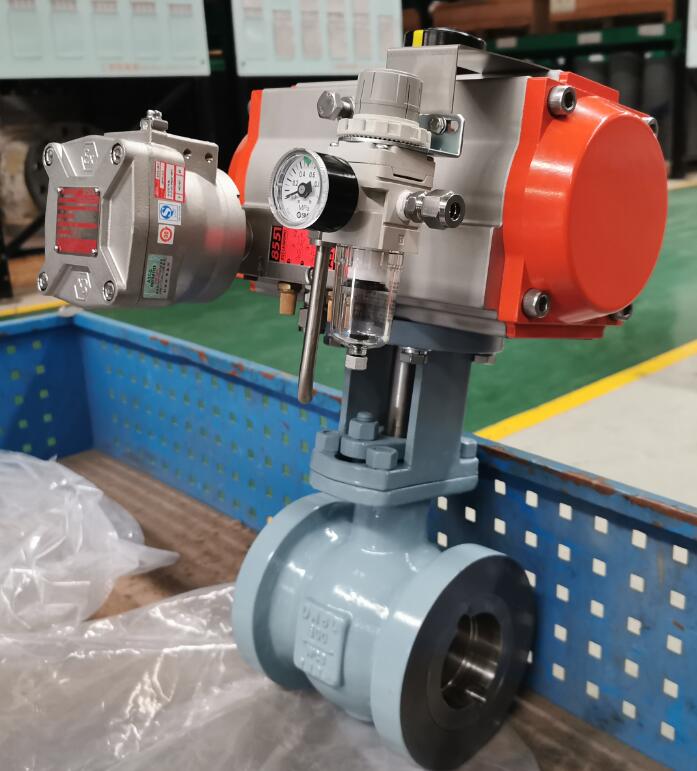
Mining operations push equipment to the limit every single day. Thick slurries loaded with sharp particles grind away at pipes and valves. High pressures build up. Corrosive chemicals eat through materials. One weak link, and you’re looking at leaks, breakdowns, or full shutdowns. Downtime hits hard—lost production, rushed repairs, safety risks for the crew.
That’s why picking the right control valves matters so much in minerals processing. Rotary designs, especially eccentric rotary plug types, stand out in these tough spots. They handle abrasive flows better than many common options. No rubbing during opening. Tight metal seals that last. Streamlined paths that cut wear.
Think about a copper mine slurry line. Solids slam through at speed. Standard setups erode fast. But with the right rotary plug valve, flow stays precise. Seals hold tight longer. Plants see fewer stops. Industry experience shows these valves often outlast others by years in similar services.
This guide walks through why rotary plug valves shine in mining and minerals. We’ll cover real challenges. How their design tackles abrasion and erosion. Key picks for your setup. And tips from the field.
Tough Conditions in Mining and Minerals Processing
Mineral plants deal with some of the roughest flows around. Slurries pack hard particles like quartz or ore bits. They scour everything in the path. Add scaling, coking, or sticky stuff, and control gets tricky.
Common headaches include:
-
Abrasion and erosion: Particles wear seats and bodies quick.
-
Leakage: Poor seals let slurry escape, wasting material or risking spills.
-
Short life: Valves fail often, jacking up maintenance.
-
Poor throttling: Uneven control throws off processes like flotation or separation.
-
Clogging: Complex paths trap solids.
In tailings lines or hydrocyclone feeds, these issues pile on costs. One study from mining ops noted valve replacements eating 30% of upkeep budgets in slurry areas.
How Eccentric Rotary Plug Valves Handle Severe Service
Eccentric rotary plug valves mix globe-style precision with rotary ease. The plug sits offset. It cams in and out without scraping the seat. That cuts friction big time. No constant rub means less wear from gritty flows.
When closing, the trailing edge hits first. Then rotation flexes arms for full contact. Tight shutoff, even after cycles.
Metal seats deliver Class V leakage—solid for most mining needs. Soft seats bump to Class VI if required.
Flow path stays smooth. Slurry streams straight through. No pockets for buildup.
Real perk: 100:1 rangeability. Twice what many globes offer. Precise control from low to high flows. Linear characteristic keeps response steady.
Sizes run 1″ to 16″. Bodies in carbon steel, stainless, or alloys. Temps from -200°C to +450°C. Perfect for hot autoclaves or cold spots.
In slurry duty, rugged trim holds up. Plants report longer runs between fixes.
Why Rotary Plug Valves Beat Ball and Butterfly in Abrasive Flows
Ball valves work fine for on/off. But throttling slurry? Flow hits seats and body direct. Wear speeds up. Seats groove out. Leakage starts.
Butterfly valves fit tight spaces. Cheap too. Yet the disc sits right in the stream. Particles accelerate around edges. Disc and liner erode fast. Control drops off below 70% open.
Rotary plug? Plug moves away before rotating. No slide on seat. Trailing edge seals gentle. Less particle damage.
Field data backs it. In similar slurry lines, eccentric plugs often run 3-5 times longer before service. One minerals plant swapped and cut valve changes by half yearly.
| Valve Type | Abrasion Resistance | Throttling Range | Shutoff Class | Typical Life in Slurry | Best For |
|---|---|---|---|---|---|
| Eccentric Rotary Plug | High | 100:1 | V (metal) | Long | Precise control, severe abrasion |
| Ball | Medium | Limited | Good | Moderate | On/off, clean fluids |
| Butterfly | Low-Medium | 10-70% open | Variable | Short | Space-saving, low cost |
Key Factors When Picking Rotary Valves for Your Operation
Start with the slurry. Solids percent? Particle size and hardness? Velocity?
Match materials. Stainless for corrosion. High nickel alloys for extremes.
Check pressure drops. Streamlined bodies keep them low.
Think actuation. Pneumatic or electric for remote spots.
Rangeability counts in varying loads—like cyclone feeds.
Don’t forget maintenance. Easy access to trim saves hours underground.
In gold leaching or phosphate lines, these picks pay off quick.
Real-World Wins in Mining Applications
Picture a nickel plant. Thick slurry wore balls out monthly. Switch to eccentric rotary plugs. Runs smoothed. Control tightened. Downtime dropped sharp.
Or iron ore tailings. Scaling plugged older valves. New rotary design resisted buildup. Seals stayed tight longer.
Ops in South America reported 25-40% less upkeep after upgrades. Production stayed steady.
These aren’t rare cases. Tough services worldwide show the same.
About Miwival: Your Go-To Supplier for Valves, Actuators, and Accessories
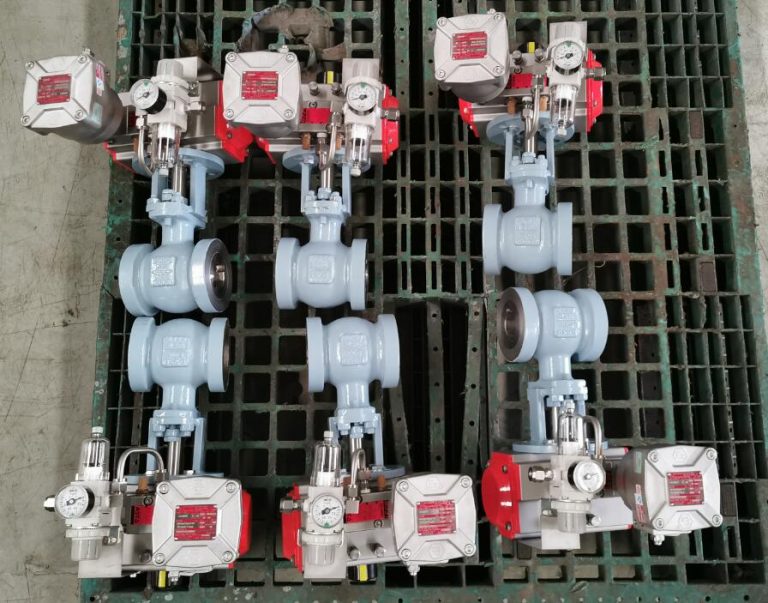
Miwival stands out as a dependable supplier of valves, actuators, and accessories built for flow control challenges. They focus on one-stop solutions with compatible parts, fair prices, and tough performance. Serving chemicals, power, mining, and water treatment, their team delivers hands-on support, quick deliveries, and constant online help. Active in over 40 countries, Miwival backs plants everywhere with gear that boosts reliability and trims costs.
Conclusion
In mining and minerals, severe service demands valves that hang tough. Eccentric rotary plug designs deliver where others falter—better abrasion resistance, precise throttling, longer life. They cut downtime, save on fixes, and keep processes running smooth. For crews facing gritty slurries daily, that reliability changes the game. Spot the right rotary valve next time on site. It’s quietly handling the hardest work.
Frequently Asked Questions (FAQs)
What makes rotary plug control valves good for mining slurries?
The offset plug cams away from the seat. No rubbing as it moves. This fights abrasion from particles. Plus, metal seals and smooth paths keep control sharp and leaks low in tough flows.
How do rotary valves compare to ball valves in abrasive service?
Balls wear faster when throttling slurry—flow pounds seats direct. Rotary plugs avoid that friction. They often last longer, with tighter control over wider ranges.
Are these valves suitable for high-temperature mining processes?
Yeah, many handle up to +450°C. Bodies and trim in tough alloys stand heat and corrosion common in autoclaves or hot lines.
What’s the typical rangeability for eccentric rotary plug valves?
Around 100:1. That means steady control from trickle to full flow—handy for varying loads in minerals separation.
How often do you maintain rotary plug valves in severe mining duty?
Depends on the slurry, but rugged designs need less. Annual checks or after heavy runs catch issues. Proper setup stretches intervals way out.


 consult
 WHATSAPP
 leave message
 top
top