
Corrosion-Resistant Valve Selection Guide When to Choose Ceramic over Stainless Steel
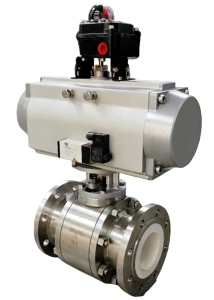
Dealing with aggressive chemicals day in and day out takes a toll on equipment. Pumps hold up okay sometimes, but valves? They often fail first. Strong acids eat through metal. Alkaline solutions pit surfaces. Even high-grade stainless steel gives way eventually, leading to leaks, shutdowns, and hefty repair bills.
In chemical plants and water treatment facilities, this isn’t rare—it’s routine. Operators swap out corroded valves far too often. But a smarter choice exists. The ceramic lined eccentric rotary plug control valve stands tough where metals falter. It combines advanced ceramics with a proven rotary design to handle the harshest corrosive flows.
Let’s break down when ceramic makes sense over stainless steel—and why it pays off in the long run.
The Hidden Costs of Corrosion in Chemical and Water Treatment Processes
Think about a petrochemical plant pumping sulfuric acid. Or a wastewater facility moving caustic soda mixed with abrasives. These fluids attack valve internals relentlessly.
Stainless steel grades like 316 or duplex sound tough. They resist mild corrosion fine. But throw in concentrated acids, chlorides, or high pH levels, and pitting starts. Crevices form. Before you know it, the seat leaks or the plug seizes.
Traditional ball valves suffer too in slurries or scaling fluids. Particles grind seats. Deposits build up, jamming rotation. Maintenance crews dread these lines—valves might last only months in severe service.
One chemical manufacturer in Asia reported replacing stainless control valves every 8-12 months in their acid transfer lines. Downtime added up fast. Safety risks rose with each leak.
Why Ceramics Change the Game for Corrosive Media
Ceramics aren’t new, but lining them in valves like the eccentric rotary plug design? That’s smart engineering.
Materials like alumina (Al2O3) and zirconia (ZrO2) bring extreme chemical inertness. They shrug off acids, alkalis, and salts that devour metals. No pitting. No dissolution. Just stable performance.
Hardness is another win—often HRC 85 or higher. That fights abrasion from particles in the flow. Pair this with the eccentric rotary action: the plug cams away from the seat on opening. Minimal friction. Less chance for buildup or wear.
The lining covers key areas—plug, seat, and flow passages. Body stays metal for strength, but wetted parts get full ceramic protection.
Result? Valves that run in conditions up to 600°C in some setups, handling everything from hydrochloric acid to sodium hydroxide slurries.
Material Showdown: Ceramic vs. Stainless Steel in Harsh Environments
Not all corrosives are equal. Mild stuff? Stainless works cheap and easy. But for real aggression, ceramics pull ahead.
Here’s a quick comparison:
|
Property |
Stainless Steel (e.g., 316/316L) |
Ceramic (Alumina/Zirconia) |
|
Corrosion Resistance |
Good in mild acids/alkalis; fails in strong HCl, H2SO4, chlorides |
Excellent—chemically inert to most acids, bases, salts |
|
Abrasion Resistance |
Moderate; wears with particles |
Outstanding (high hardness) |
|
Temperature Limit |
Up to ~300°C typical |
Up to 400-600°C depending on grade |
|
Cost Upfront |
Lower |
Higher, but longer life |
|
Service Life in Severe Acid |
Months to a year |
Years |
Alumina shines in general corrosion and wear. Zirconia handles thermal shocks better and tougher abrasives. Silicon carbide or nitride step in for extreme cases.
In a water treatment plant treating industrial effluent with sand and caustic, stainless valves corroded in under a year. Switching to ceramic-lined ones? They hit three years with no issues.
Real-Life Wins in Chemical and Water Treatment
A fertilizer plant battled phosphoric acid slurries. Stainless trim eroded quickly, causing leaks and poor control. Ceramic lined eccentric rotary plug control valves took over. Corrosion stopped cold. Abrasion barely scratched the surfaces. They gained precise flow control too, with linear characteristics and Class VI shutoff.
In municipal wastewater, facilities deal with gritty, chemical-laden flows. One large plant in Europe swapped to ceramic for sludge lines. Maintenance dropped 70%. No more frequent teardowns.
Power plants use them in desulfurization—limestone slurries chew up metals. Ceramic versions last 4-5 times longer, cutting total costs big time.
These stories repeat across pharma, pulp, and metallurgy. The combo of inert lining and no-rub rotary motion keeps things running smooth.
Guiding Your Valve Selection: Key Factors to Consider
Picking the right valve boils down to your fluid.
- Corrosive strength: pH below 2 or above 12? High chlorides? Go ceramic.
- Abrasives present: Sand, crystals, fibers? Ceramic hardness wins.
- Temperature swings: Over 300°C or rapid changes? Zirconia often fits best.
- Budget vs. lifecycle: Upfront ceramic cost more, but factor in downtime and replacements. Payback hits quick—often under two years.
Sizes run 1″ to 16″, pressures to Class 900. Flanged or wafer. They drop in where globe or ball valves sat before.
About Miwival: Your Go-To Supplier for Valves, Actuators, and Accessories
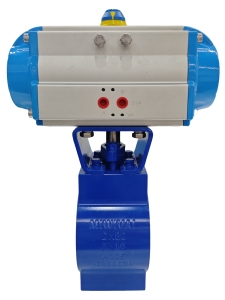
Miwival delivers as a solid one-stop shop for valves, actuators, and accessories. We focus on flow control that works—compatible parts, solid quality, and real value. Stock ready to ship in two weeks, backed by round-the-clock support. Our team knows the field inside out, helping customers tackle tough applications worldwide. Safety and smart solutions drive everything we do.
Conclusion
Corrosion doesn’t have to dictate your valve choices. When stainless steel falls short in strong acids, alkalis, or abrasive mixes, ceramic lined options step up. The ceramic lined eccentric rotary plug control valve brings proven inertness, wear resistance, and reliable control to chemical and water treatment lines.
Plants switching see longer runs, fewer headaches, and lower overall costs. If harsh media plague your process, it’s time to look at ceramic.
Need help sizing one for your setup? Get in touch—we’re here to guide the right pick.
FAQs
What makes a ceramic lined eccentric rotary plug control valve better for strong acids than stainless steel?
Ceramics like alumina and zirconia stay completely inert. Strong acids that pit and dissolve stainless just bounce off, giving years of service instead of months.
In water treatment, when should I choose ceramic lined eccentric rotary plug control valves?
Go for them in gritty wastewater, sludge with abrasives, or flows with caustic chemicals. The lining handles corrosion and wear that quickly damages metal valves.
How do alumina and zirconia ceramics compare in valve applications?
Alumina offers great all-around corrosion and abrasion resistance at lower cost. Zirconia adds toughness against thermal shocks and extreme wear—ideal for fluctuating temperatures.
Can ceramic lined eccentric rotary plug control valves handle high temperatures?
Yes—many run up to 400°C standard, with special grades hitting 600°C. Far beyond typical stainless limits in corrosive setups.
What’s the typical lifespan improvement with these valves in corrosive service?
In tough chemical or slurry lines, they’ve gone from 1-year stainless replacements to 3-5 years or more, slashing maintenance big time.


 consult
 WHATSAPP
 leave message
 top
top