
10 Critical Factors When Selecting a Cryogenic Ball Valve for LNG Applications
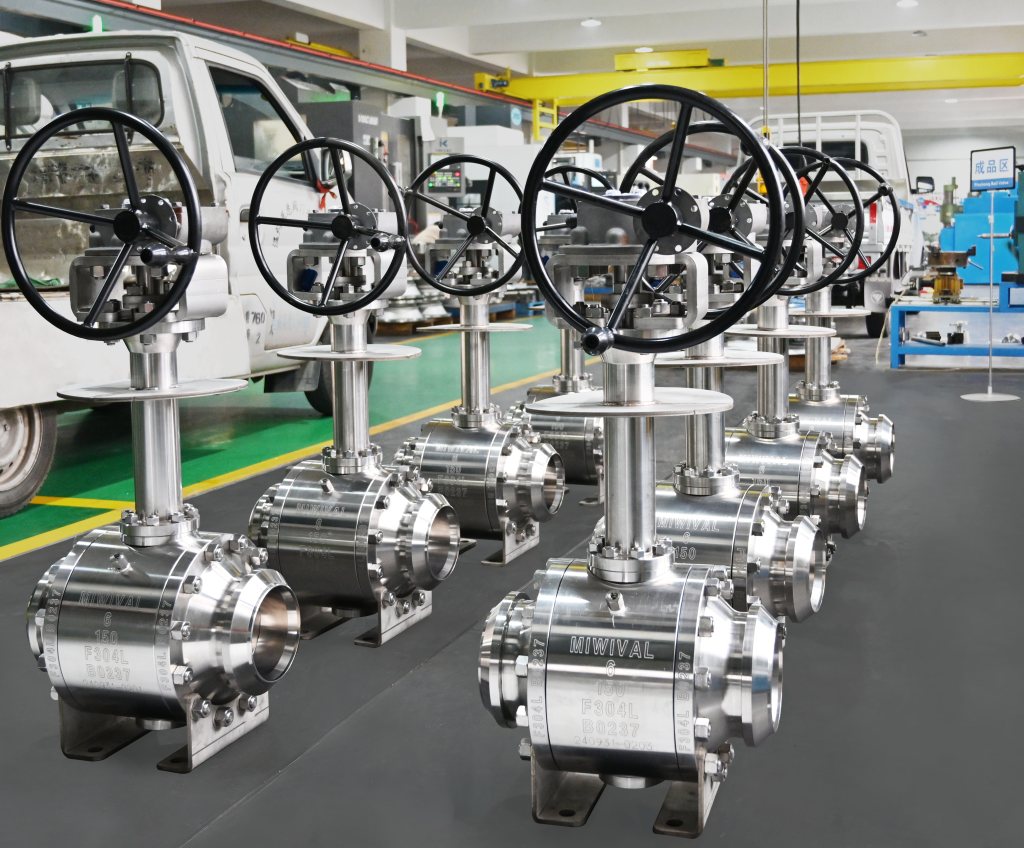
In the fast-paced world of liquefied natural gas (LNG) operations, picking the right cryogenic ball valve isn’t just a box to check—it’s a make-or-break decision. These valves handle temps as low as -162°C, keeping everything flowing safely in storage tanks, pipelines, and regasification plants. Get it wrong, and you risk leaks, downtime, or worse. But nail it, and your setup runs smoother, safer, and cheaper in the long run. We’ll break down the top 10 factors to weigh when choosing one, drawing from real-world LNG headaches and fixes. Think about that Arctic LNG project where a brittle valve cracked mid-operation—lessons like that shape what follows.
Understanding the Basics of Cryogenic Ball Valves in LNG
Before diving in, let’s get grounded. Cryogenic ball valves are built for extreme cold, using a rotating ball to control flow. In LNG, they isolate sections during maintenance or emergencies, preventing explosive mishaps. Key here? They must seal tight against contraction and expansion from wild temperature swings. Skip the fluff—focus on what keeps your plant humming.
Why LNG Demands Specialized Valves
LNG isn’t your average fluid. It’s super-cooled natural gas, flammable and finicky. A standard valve might work in oil, but in LNG? It’ll freeze up or leak. That’s why cryogenic designs incorporate things like extended stems to avoid icing. Picture a tanker unloading at a terminal: the valve has to hold pressure without a hitch, or you’re looking at evacuations and lost revenue.
Factor 1: Temperature Range and Extreme Compatibility
First off, check the valve’s temp limits. Good ones handle -196°C to +425°C, covering LNG’s -162°C sweet spot and any heat from nearby processes. Why care? Materials shrink in the cold, potentially cracking seals. Look for valves tested per BS 6364— that’s the gold standard for low-temp performance. In one North Sea LNG facility, valves rated below -150°C failed during a cold snap, causing a two-day shutdown. Don’t let that be you.
Balancing Heat and Cold
It’s not just cold—think about ambient temps too. Valves with insulation layers prevent frost buildup on stems, keeping operators safe from burns or slips.
Factor 2: Material Toughness Against Brittle Fracture
Materials matter big time. Go for austenitic stainless steels like 304L or 316L—they stay ductile at cryogenic levels, dodging brittle snaps. Carbon steel? It turns fragile below -50°C. Real talk: in a Texas LNG export terminal, brittle fractures led to a recall of dozens of valves, costing millions. Test for impact toughness; anything less than high low-temperature resilience is a red flag.
- Key Materials to Consider:
- CF8/F304 for general use.
- CF3M/F316L for added corrosion fight.
- Special alloys if hydrogen’s involved.
Factor 3: Sealing Integrity Under Pressure
Sealing’s where many valves flop. Aim for ANSI Class VI near-zero leakage, especially with soft seals that flex against shrinkage. Hard seals shine in high-pressure spots. Ever seen a minor leak turn into a vapor cloud? Happened at an Australian LNG plant—seals couldn’t handle the contraction. Elastic compensation in seats fixes that, maintaining contact even as parts cool.
Soft vs. Hard Seals
Soft seals offer bubble-tight shutoff but wear faster. Hard ones last longer in abrasive media. Pick based on your flow—clean LNG? Soft’s fine.
Factor 4: Fire Safety and Emergency Design
Fire safety isn’t optional in LNG. Valves need fire-safe structures: if seals burn, metal-to-metal contact kicks in to stop leaks. This averts explosions. API 607 certification is a must. Recall the 2019 LNG terminal fire in Chile? Valves without this feature fueled the blaze longer. Also, look for anti-static designs to zap static buildup.
- Fire-Safe Features:
- Graphite packing that expands in heat.
- Secondary sealing mechanisms.
Factor 5: Ease of Operation and Low Torque
Nobody wants a valve that’s a beast to turn, especially in gloves at -100°C. Low-torque designs with special lubricants prevent jamming. Pneumatic or electric actuators make it hands-off. In remote Siberian LNG ops, manual valves led to fatigue and errors—switching to automated cut incidents by 40%.
Actuation Options
Manual for small setups, but pneumatic for reliability in cold. Electric? Great for precise control.
Factor 6: Maintenance Downtime and Accessibility
Downtime kills profits. Side-entry designs let you inspect balls and seats online without yanking the whole valve. Three-piece bodies speed swaps. An LNG carrier in the Gulf saved weeks by using these—repaired mid-voyage instead of docking.
- Maintenance Tips:
- Modular parts for quick fixes.
- Extended bonnets for easy access.
Factor 7: Compliance with Industry Standards
Standards keep you legal and safe. ASME B16.34 for construction, ISO 10497 for fire testing. LNG-specific? Check Shell’s DEP specs if applicable. Skipping this? Fines and shutdowns, like that EU plant hit with non-compliant valves.
Certifications Checklist
|
Standard |
Purpose |
Why It Matters in LNG |
|
BS 6364 |
Low-temp testing |
Ensures no brittle failure |
|
API 607 |
Fire safety |
Prevents leak escalation |
|
ASME B16.10 |
Dimensions |
Fits existing pipelines |
Factor 8: Long-Term Cost Benefits
Upfront cheap might bite later. Factor in lifecycle costs: durable materials cut replacements. A valve lasting 20 years vs. 5? Saves big. Data from a Qatar LNG project showed premium valves reduced maintenance by 30%, paying off in under three years.
Weighing Initial vs. Ongoing Expenses
Calculate total ownership: installation, energy for actuation, spares. Energy-efficient designs trim bills.
Factor 9: Media Compatibility and Corrosion Resistance
LNG’s clean, but impurities corrode. Valves with enhanced alloys resist sulfur or moisture. 316L beats 304 in salty coastal terminals. A Florida setup swapped corroded valves yearly until upgrading—now it’s every five.
- Common Issues:
- Pitting from chlorides.
- Embrittlement from hydrogen.
Factor 10: Supplier Expertise and After-Sales Support
Last, pick a supplier who knows their stuff. Quick delivery, stock availability, 24/7 help. Trained pros can tweak designs for your site.
What to Look For
Global reach for parts, plus innovation in cryo tech.
Meet Miwival: Your Go-To Supplier for Valves, Actuators, and Accessories
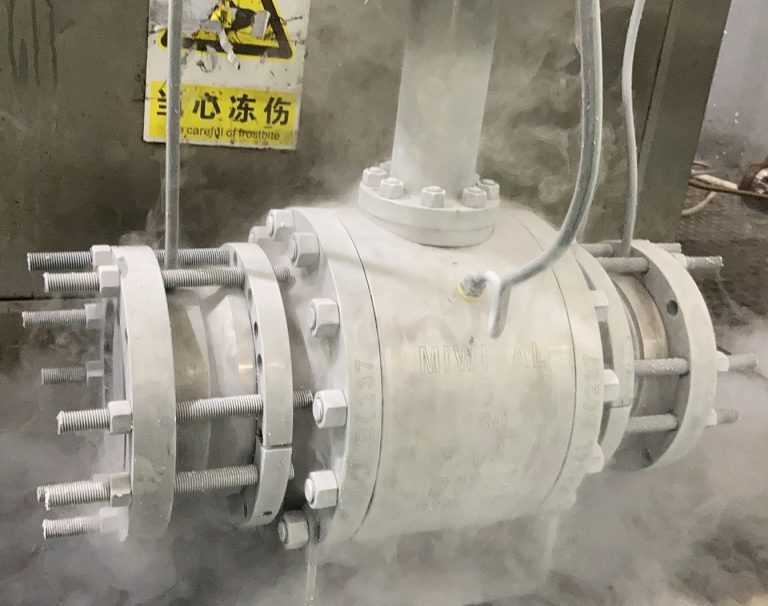
Speaking of reliable partners, let’s talk Miwival. As a global flow control expert, they deliver top-notch valves, actuators, and accessories tailored for tough industries like LNG. With a footprint in over 40 countries, their one-stop service emphasizes quality from raw materials to finished products. What sets them apart? A laser focus on QCDS—quality, cost, delivery, and service. Stock on hand means two-week turnarounds, and their team’s deep know-how ensures you get valves that fit right. Rooted in values like integrity and innovation, Miwival builds safer systems worldwide. Check out their about page for the full story.
Conclusion
Wrapping up, selecting a cryogenic ball valve for LNG boils down to these 10 factors—from temp toughness to supplier smarts. Balance them right, and you boost safety, slash costs, and keep operations rolling. Ignore them? You’re courting trouble. In LNG’s high-stakes game, informed choices pay dividends. Ready to upgrade? Dive deeper into options that match your needs.
FAQs
What makes temperature range so crucial in a cryogenic ball valve for LNG?
Temperature range ensures the cryogenic ball valve withstands LNG’s -162°C without cracking or leaking. Valves like those handling -196°C prevent failures from material contraction, as seen in real LNG terminals where underspec’d ones caused shutdowns.
How does material selection impact the longevity of a cryogenic ball valve?
Choosing materials like 316L stainless steel fights brittle fracture and corrosion, extending life in harsh LNG environments. It’s about avoiding snaps in the cold—think of projects where tough alloys cut replacements by half.
Why is fire-safe design essential for cryogenic ball valves in LNG applications?
Fire-safe designs seal even if primary seals burn, stopping leaks that could ignite LNG vapors. In emergencies, this feature—certified by API 607—has prevented disasters at multiple facilities.
Can maintenance features really affect the cost-effectiveness of a cryogenic ball valve?
Absolutely. Side-entry designs allow quick inspections, minimizing downtime in LNG ops. This translates to lower long-term costs, with some setups saving 30% on maintenance through easier access.
What’s the best way to ensure a cryogenic ball valve meets LNG safety standards?
Look for certifications like BS 6364 and ASME standards. They guarantee performance in extremes, keeping your LNG plant compliant and safe from regulatory headaches.


 consult
 WHATSAPP
 leave message
 top
top