How to Choose the Right Cryogenic Ball Valve for LNG, LOX, LIN Applications A 5-Step Guide
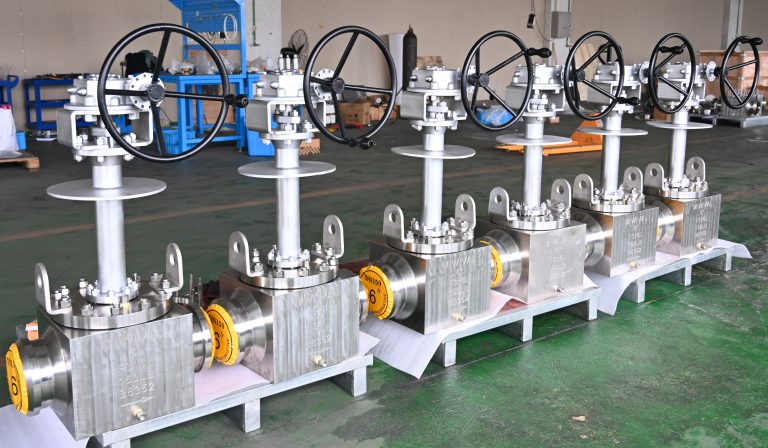
Working with cryogenic fluids like liquefied natural gas (LNG), liquid oxygen (LOX), or liquid nitrogen (LIN) means dealing with some seriously cold stuff. We’re talking temperatures that drop to -162°C for LNG, -183°C for LOX, and -196°C for LIN. One wrong valve choice, and you could face leaks, brittle fractures, or even safety shutdowns. The good news? A solid cryogenic ball valve handles these extremes when picked right. This article systematically outlines a clear five-step selection guide. It draws from real plant experiences and industry lessons to cut through the confusion.
Why Cryogenic Ball Valves Matter in These Applications
Cryogenic ball valves shine in quick quarter-turn operation and tight shutoff. They work great for isolation in storage tanks, transfer lines, loading arms, and vaporizers. But each fluid brings its own challenges. LNG is flammable and volatile. LOX is a strong oxidizer—any oil or grease contamination risks fire or explosion. LIN is inert but still demands top-notch sealing to avoid costly boil-off losses. The valve has to stay tough, seal reliably, and meet strict standards no matter what.
Quick Temp and Media Snapshot
Here’s a fast look at the differences:
|
Medium |
Typical Temp (°C) |
Key Challenges |
Common Industry Use |
|
LNG |
-162 |
Flammability, contraction, boil-off |
Storage, shipping, regasification |
|
LOX |
-183 |
Oxidizing, extreme cleanliness required |
Air separation, medical, aerospace |
|
LIN |
-196 |
Deepest cold, material brittleness risk |
Industrial gases, food freezing |
These gaps drive different material picks, seal choices, and cleaning rules.
Step 1: Nail Down Your Operating Conditions
Start here. List out your exact temps, pressures, flow rates, and cycle frequency. Don’t guess—pull data from process engineers.
For example, a coastal LNG terminal might see -162°C with PN40 pressure and frequent cycling during ship unloading. An air separation plant running LOX at -183°C could hit higher pressures but fewer cycles.
- Grab these specs first:
- Min/max temperature (including upset conditions)
- Pressure class (ANSI or PN)
- Media purity (especially for LOX—oxygen service cleaning is non-negotiable)
- End connections (flanged, welded?)
Skipping this step leads to over-spec’d (expensive) or under-spec’d (risky) valves.
Step 2: Pick Materials That Won’t Turn Brittle
Materials make or break performance at these lows. Austenitic stainless like 304L or 316L stays ductile down to -196°C. They resist the brittle fracture that plagues carbon steel below -50°C.
For LOX, cleanliness jumps up—valves need special degreasing and assembly in oil-free zones. Some plants use 316L exclusively for extra corrosion resistance against moisture traces.
Real-world note: A Midwest air separation unit switched to 316L bodies after 304L showed pitting from trace impurities. Downtime dropped sharply.
- Body/Trim Recommendations:
- 304L/CF8: Solid for LNG and LIN in clean service.
- 316L/CF8M: Better for LOX or any corrosive traces.
- Forged over cast for high-pressure or critical apps.
Avoid anything ferritic or martensitic—they crack easily.
Step 3: Choose the Right Sealing System
Seals contract in the cold. Without smart design, leakage happens.
Soft seats (PTFE, PCTFE) give near-zero leakage (ANSI Class VI) for clean LNG or LIN. Hard metal seats handle high pressure or slight particulates better but sacrifice some tightness.
Elastic compensation in seats helps—springs or flexible designs keep contact as parts shrink.
For LOX, soft seats must be oxygen-compatible—no hydrocarbons. Fire-safe designs (API 607) add metal backup if soft material burns.
One LNG carrier crew reported persistent minor leaks until switching to compensated soft seats. Problem solved, boil-off cut by over 15%.
Step 4: Factor in Special Cryogenic Features
Cryogenic service isn’t plug-and-play. Look for these must-haves:
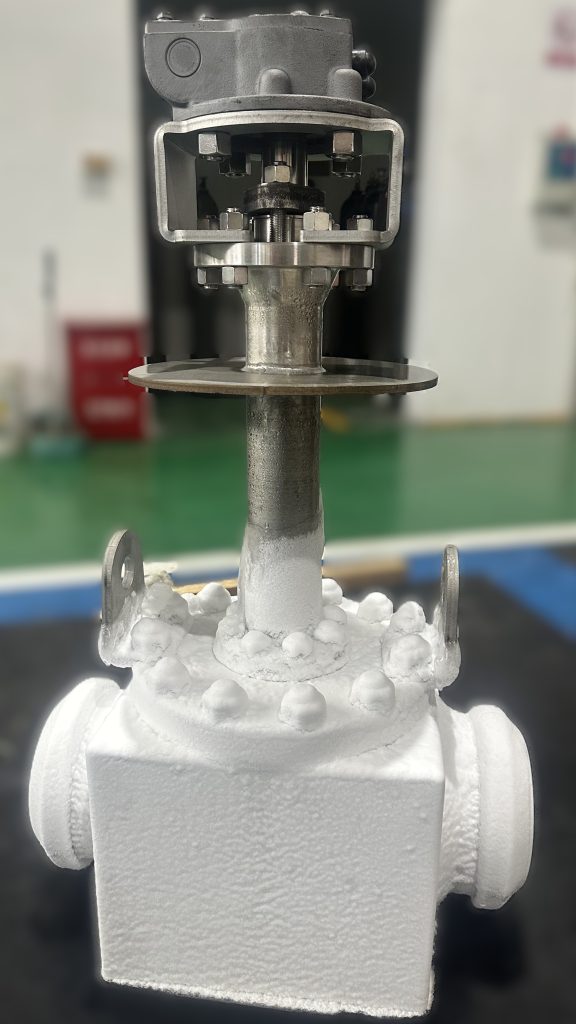
- Extended bonnet/stem: Keeps packing away from cold zone, prevents icing and stem seizure.
- Low-torque operation: Special lubes or designs make turning easy, even gloved.
- Fire-safe structure: Critical for LNG—temporary metal seal if fire hits.
- Blowout-proof stem and anti-static (for flammable media).
Top-entry or three-piece bodies speed maintenance—inspect ball/seats without pulling the line.
In a Siberian LIN plant, extended bonnets prevented stem freezes during -50°C ambients. Saved hours of thawing time per shift.
Step 5: Verify Standards, Testing, and Supplier Support
Standards prove the valve can take the punishment.
- BS 6364: Core for cryogenic testing—impact toughness, leakage at low temp.
- API 607/ISO 10497: Fire-safe for LNG.
- ASME B16.34, API 598: General design and pressure tests.
- For LOX: Extra cleaning per CGA or EIGA guidelines.
Demand cryogenic test reports, not just promises.
Supplier matters too. Quick parts, field support, custom tweaks—pick someone with real cryogenic experience.
A European LNG project delayed startup because valves lacked full BS 6364 certs. Lesson learned: verify docs early.
Meet Miwival: Your Trusted Supplier for Valves, Actuators, and Accessories
When it comes to reliable flow control, Miwival stands out as a global expert in valves, actuators, and accessories. They specialize in tough applications, including cryogenic ball valves built for LNG, LOX, LIN, and more. With a strong emphasis on quality, cost, delivery, and service (QCDS), they keep stock ready for fast turnarounds—often within weeks. Their team brings deep know-how to match the right valve to your specs, backed by rigorous testing and a commitment to integrity and innovation. For the full picture on what drives them, head over to their about page.
Conclusion
Picking the perfect cryogenic ball valve for LNG, LOX, or LIN doesn’t have to be overwhelming. Follow these five steps—understand conditions, choose tough materials, dial in seals, demand key features, and check standards—and you’ll land on a valve that runs safe, tight, and long. In cryogenic work, small details prevent big headaches. Take the time upfront, and your system pays you back every day.
FAQs
What temperature differences should I consider when selecting a cryogenic ball valve for LNG versus LOX or LIN?
LNG sits around -162°C, LOX at -183°C, and LIN hits -196°C. A good cryogenic ball valve covers -196°C to higher ranges, but always match the material and testing to the coldest expected point to avoid brittleness.
Why does material choice change between LNG, LOX, and LIN applications for cryogenic ball valves?
LNG needs fire-safe toughness against flammability. LOX demands ultra-clean materials to prevent ignition from oxidizers. LIN focuses on deepest cold resistance. Austenitic stainless like 316L often works across all, with extras for LOX cleaning.
How important are extended bonnets in a cryogenic ball valve for these media?
Very. Extended bonnets keep stem packing warm, stopping ice buildup and seizure. In LOX or LIN plants with ambient freezes, they’ve cut operational issues dramatically.
Do all cryogenic ball valves need to meet BS 6364 for LNG, LOX, and LIN use?
Most serious applications require it for proven low-temp performance. It covers toughness, leakage, and extension designs—essential for safety in these extreme services.
Can the same cryogenic ball valve work reliably across LNG, LOX, and LIN?
Often yes—if rated to -196°C, fire-safe for LNG, and cleaned for LOX. Check specs carefully; some plants use dedicated valves per medium for max reliability.


 consult
 WHATSAPP
 leave message
 top
top