
How to Prevent Valve Erosion and Clogging in High-Consistency Pulp Lines (8-19% MC)
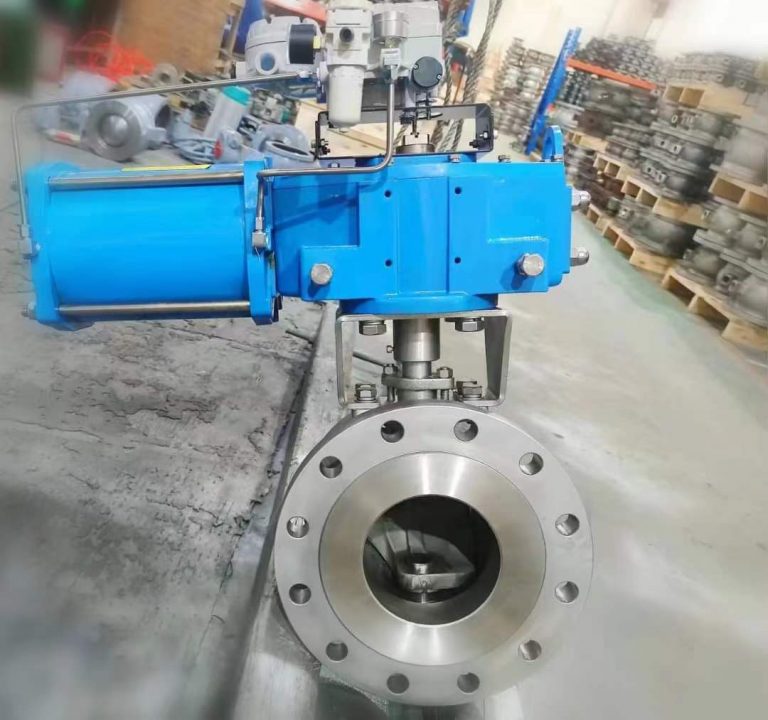
Ever dealt with a pulp line that grinds to a halt because of a stubborn clog or a valve worn down faster than you’d expect? In the pulp and paper world, handling medium-consistency pulp—that’s 8-19% MC—can feel like wrestling a beast. Fibers tangle up, abrasives chew through metal, and before you know it, downtime racks up costs. But here’s the good news: with smart choices in valve design and materials, you can keep things flowing smooth and steady. This post dives into practical ways to tackle erosion and clogging head-on, spotlighting solutions like the MC Pulp segment ball valve that make a real difference in tough setups.
The Harsh Realities of High-Consistency Pulp Handling
High-consistency pulp lines aren’t for the faint of heart. We’re talking about slurries loaded with fibers and solids that push valves to their limits. Picture a bleach stage or a digester feed where the mix is thick as oatmeal—8-19% medium consistency. One wrong move, and you’re facing shutdowns that eat into profits.
What Causes Valve Erosion in These Lines?
Erosion hits hard when abrasive particles in the pulp scrape against valve surfaces. Over time, this wears down seats and seals, leading to leaks or outright failures. In one mill I heard about, standard valves lasted just months before pitting showed up, forcing frequent swaps. Data from industry reports? Abrasive wear can cut valve life by half in high-solids environments. It’s not just the fibers; it’s the constant flow velocity that amplifies the damage, turning minor scuffs into major headaches.
Why Clogging Becomes a Nightmare at 8-19% MC
Clogging? That’s when fibers bridge and build up, blocking the flow path. At 8-19% consistency, the pulp gets sticky and prone to settling in dead spots. Traditional valves with cavities or uneven paths trap this stuff, causing plugs that require manual clearing—think hours of lost production. A real-world example: a paper plant running thick stock to cleaners saw weekly clogs, dipping output by 10-15% during peak runs. No fun, right? The key is spotting designs that shear through the mess without leaving residues.
Choosing the Right Materials for Durability
Materials make or break a valve in abrasive pulp lines. You need stuff that stands up to corrosion and wear without breaking the bank. Enter options like SMO254 and DSS 2205—tough alloys built for the grind.
SMO254, a super austenitic stainless steel, shines in corrosive settings. Its high molybdenum content fights pitting from chlorides in pulp processes. DSS 2205, a duplex stainless, blends strength and corrosion resistance, handling the mechanical stress of high-solids flow. Why these? They extend service life in erosive conditions, sometimes tripling it compared to basic stainless.
Here’s a quick breakdown in a table to show how they stack up for pulp applications:
|
Material |
Key Strengths |
Best For in Pulp Lines |
Wear Resistance Boost |
|
SMO254 |
High corrosion resistance, molybdenum-rich |
Bleach stages with chemicals |
Up to 2x longer life against pitting |
|
DSS 2205 |
Balanced strength and toughness |
High-abrasive feeds like digesters |
Enhanced against erosion from fibers |
In practice, picking these means fewer replacements. Take a thickener underflow line: using DSS 2205 cut erosion rates, keeping the valve operational for years instead of seasons. It’s about matching the alloy to your specific pulp chemistry—test a sample if you can.
Don’t overlook coatings either. Hard chrome or ceramic layers on seats add extra armor against abrasives. But start with the base material; it’s your foundation.
The Role of V-Shaped Segment Design in Combating Challenges
Now, let’s talk design—the V-shaped segment in ball valves changes the game for high-consistency pulp. Unlike flat discs or globes that jam up, this setup slices through fibers like a hot knife through butter.
How the V-Notch Shearing Action Works
The V-notch creates a shearing effect as the valve closes, cutting fibers cleanly without letting them bunch up. No bridging, no clogs. For 8-19% MC pulp, this means smooth throttling even at low flows. Traditional valves? They struggle below 20% opening, leading to erratic control. But with a segment ball, you get precision down to tiny drips, thanks to an equal-percentage flow curve.
Rangeability hits 300:1 in top designs— that’s huge for varying loads in screens or cleaners. Low torque is another win; top and bottom bearings keep things easy on actuators, even with sticky media.
Benefits in Preventing Erosion and Clogging
- Self-Cleaning Paths: Smooth, no-dead-spot design drains fully, stopping solids from settling.
- Extended Seat Life: Hard trims resist abrasion, pushing maintenance intervals out.
- Accurate Control: Handles low rates without surging, steadying processes like chemical dosing— one mill saw 5-8% less chemical use.
- Leak-Proof Build: One-piece bodies eliminate joint failures, crucial in pressurized lines.
In heavy industries, this design outperforms others. Globe valves jam on solids; butterflies torque up with thick stuff. Segment balls? Quarter-turn ease, high capacity, and lower costs long-term.
Real-World Applications and Success Stories
Let’s get concrete. In a paper mill dealing with high-consistency stock to bleach towers, switching to a V-segment ball valve slashed weekly plugging. Before? Downtime ate into schedules. After? Steady flow, with operators noting easier actuation despite the thick mix.
Another case: a mining op (similar abrasives to pulp) tripled seat life in tailings lines using duplex materials and V-notches. Translate that to pulp—imagine your digester feeds running without erosion halts. Or wastewater plants cutting sludge transfer maintenance; the principles carry over.
From experience, installing these in cleaner inlets prevents fiber buildup, keeping pressure drops consistent. Data backs it: reduced production dips by 10-15%, plus energy savings from smoother operations. It’s not theory; it’s proven in the trenches.
Introducing Miwival: Your Trusted Supplier
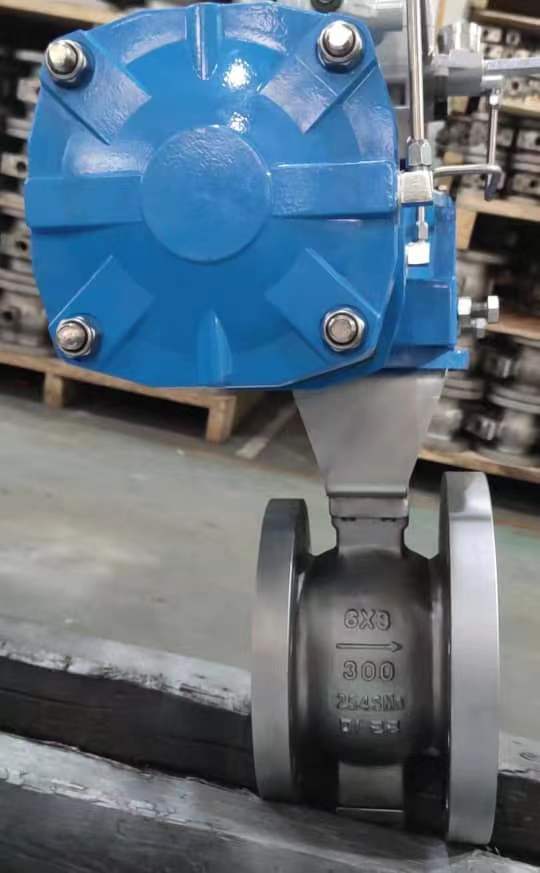
Before wrapping up, a quick nod to Miwival. As a go-to supplier of valves, actuators, and accessories, they specialize in flow control solutions that deliver compatibility, economy, and top-notch performance. With a focus on quality, cost, delivery, and service, their mission is providing valves and automation for a safer world. Backed by trained staff and solid partners, Miwival offers the expertise you need for tough industrial challenges. Check out more on their about page for the full story.
Conclusion
Tackling erosion and clogging in high-consistency pulp lines boils down to smart materials like SMO254 and DSS 2205, paired with innovative V-shaped segment designs. These aren’t just fixes; they’re game-changers that boost uptime, cut costs, and keep your operations humming. By focusing on solutions tailored for 8-19% MC pulp, you can turn potential headaches into reliable performance. Ready to upgrade? The right valve choice makes all the difference.
FAQs
What makes the MC Pulp segment ball valve ideal for preventing clogging in 8-19% MC pulp?
The MC Pulp segment ball valve uses a V-notch design that shears fibers cleanly, avoiding buildup in the flow path. Its self-draining structure eliminates dead spots, making it a solid pick for thick, fibrous media.
How do materials like DSS 2205 help with valve erosion in high-consistency lines?
DSS 2205 offers a mix of strength and corrosion resistance, standing up to abrasives in pulp. It can extend valve life significantly, reducing wear from constant particle flow in setups like digester feeds.
Can the MC Pulp Valve improve process control in pulp applications?
Absolutely—the equal-percentage flow curve in the MC Pulp Valve allows precise throttling from low to high rates, steadying chemical dosing and cutting usage by up to 8% in some mills.
What’s the rangeability advantage of a segment ball valve like the MC Pulp segment ball valve?
It reaches up to 300:1, far better than traditional options, ensuring accurate control even at minimal openings without the inaccuracies that lead to surges or inefficiencies.
How does low torque in the MC Pulp Valve benefit operations?
Low torque means smaller, cheaper actuators work fine, even with sticky 8-19% MC pulp, easing installation and reducing energy needs over time.


 consult
 WHATSAPP
 leave message
 top
top