Streamlining Your Process Lines Replacing Multiple Valves with a Single Multi-Port Design
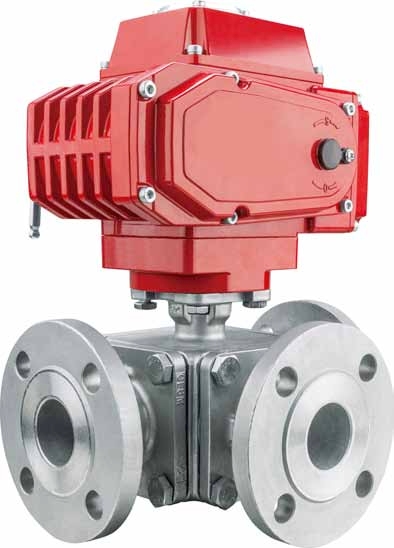
Ever looked at a piping setup packed tight with three, four, or even five valves—along with all those extra flanges, welds, and elbows—and just thought, “Man, this has got to be simpler”? In chemical plants, water treatment spots, or oil and gas facilities, those tangled flow paths gobble up space. They drag out installation time too. And every extra connection becomes another spot where leaks might pop up. The smart fix? A single multi-port ball valve that takes care of diverting, mixing, or bypassing—all inside one neat, compact body. Plenty of engineers who want to slash costs and clean up layouts are switching over. These valves make pipe runs simpler. They cut down possible failure points. And they ease long-term headaches. Let’s walk through how this really plays out on the job.
Why Complex Piping Needs a Simpler Approach
Process lines seldom stay straightforward. You often have to send flow from one source to several places. Sometimes you blend different streams. Other times you isolate sections so crews can work safely. The traditional method stacks up globe valves, check valves, and tees everywhere. Each joint carries risk. Gaskets wear out and leak. Welds crack after years of vibration. Flanges loosen bit by bit.
Imagine a typical blending station inside a chemical batch process. You need inlet lines feeding a reactor. Then diverters handle recycle or drain duties. That setup easily calls for four valves at minimum. Add the piping that ties everything together. Installation stretches because every weld and flange demands careful inspection and testing. When maintenance rolls around, touching one valve often disturbs the others nearby. Downtime keeps stacking.
A multi-port ball valve changes the whole picture. One solid body with three or four ports handles jobs that used to need several separate pieces. Fewer connections mean far fewer chances for leaks. Less steel overall drops material costs. The whole assembly takes up less room—super helpful when you’re squeezing things into tight skids or offshore platforms.
Understanding Multi-Port Configurations: L-Port, T-Port, X-Port
Not every multi-port valve looks or works the same. The way the ports are arranged decides exactly what flow can do and how much flexibility you really get.
- L-Port (90° operation): Perfect for basic switching. Flow enters through one port. Then it heads out either of two outlets. Think of it as flipping between a main line and a bypass route. The quarter-turn motion keeps things fast and dependable.
- T-Port (90° or 180° options): A bit more capable. It manages mixing—two inlets feeding one outlet. Or it diverts with the option to shut everything off completely. People use these a lot in tank filling and draining systems, especially when you want to mix in additives while the process runs.
- X-Port (four-way): This one tackles the really tricky routing. It allows cross-flow, straight-through paths, or complete isolation. Engineers pick X-ports for manifold systems. They often replace whole clusters of valves.
Sizes start small at 1/4″ and go all the way up to 12″ depending on how they’re made—investment casting keeps smaller ones precise, while sand casting handles the bigger ones. Materials cover the bases too. Carbon steel works fine for general jobs. Stainless steps in for anything corrosive. Some folks even go with Hastelloy or Super Duplex when conditions turn really harsh. Pressure ratings hold strong in most process environments. Temperature ranges usually cover -20°F to 600°F, so they fit the majority of applications.
Here’s a straightforward comparison table that shows where each type really shines:
|
Configuration |
Ports |
Typical Operation |
Best For |
Leak Point Reduction Potential |
|
L-Port |
3 |
90° |
Basic diverting or bypass |
High (replaces 2-3 valves) |
|
T-Port |
3-4 |
90°/180° |
Mixing, diverting with shutoff |
Very High (replaces 3-4) |
|
X-Port |
4 |
Multi-position |
Complex routing, cross-flow |
Highest (replaces 4+) |
Choose the one that matches your flow diagram best. A sharp process engineer draws the piping layout first. Then they pick the port pattern that cuts extra hardware to the bone.
Real Cost and Space Savings: A Chemical Plant Case Study
Picture a medium-sized specialty chemical plant that runs batch reactions. Their original setup relied on four separate ball valves. It also included elbows and tees just to manage inlet feed, the recycle loop, product takeoff, and drain. The whole skid took up roughly 8 feet by 4 feet. Installation dragged on for two full shifts. Welders aligned everything carefully. During hydrotests, leaks appeared. Crews had to swap three gaskets before the system even started.
Then the team switched to one 3″ T-port multi-port ball valve made from 316 stainless. The ports were set up for two inlets—one main feed plus an additive line—one outlet straight to the reactor, and one drain port. That single block body wiped out three flanges and several welds. Installation time dropped to half a shift. The footprint shrank by about 60%. That extra space let them add more instrumentation without crowding.
In the first year after the change:
- No leaks showed up at those old joint locations.
- Maintenance windows stretched longer because fewer moving parts needed attention.
- The actuator stayed compact—thanks to the standard ISO 5211 mounting pad, no fancy brackets were required.
- Rough savings added up to $18,000 from less piping and fittings. Avoided downtime probably saved another $25,000.
Not every facility hits numbers quite that high. Still, the pattern repeats across sites. Fewer welds and flanges lower leak risks—older industry numbers suggest joints cause 30-40% of process leaks in aging systems. One valve body means only one set of seats to check instead of several. Automation becomes straightforward. You get plug-and-play compatibility with standard actuators.
Additional Benefits Beyond the Obvious
The advantages don’t stop at space and dollars. These valves bring other practical wins too.
- Commissioning happens quicker. Fewer joints mean less time spent on hydrotesting.
- Torque stays low. Quarter-turn action feels smooth. Adjustable stem packing holds up for years.
- Flow stays efficient. Many models use full-port designs that keep pressure drops minimal.
- Locking handles add safety. They stop anyone from turning the valve by mistake during key steps.
In water treatment plants, T-ports simplify backwash routing nicely. Oil and gas metering skids often use X-ports for multi-stream sampling without piling on extra valves. The takeaway stays consistent. Engineers end up with cleaner, more trustworthy setups. Control never takes a hit.
Introducing Miwival: Your Reliable Partner in Flow Control

When the time comes to look at multi-port options, Miwival stands out as a dependable supplier. They provide one-stop service for valves, actuators, and accessories—pretty much everything needed for flow control projects. Their approach centers on solid quality, fair pricing, quick delivery (frequently two weeks), and genuine support from people who really understand the equipment. Their mission stays clear: “Valves & Automation For a Safer World.” With a lineup designed for compatibility, economy, and strong performance, Miwival brings premium quality without the steep price tag. Check their about page for the complete story.
Conclusion
Switching to a multi-port ball valve goes beyond simply using fewer pieces. It builds smarter, more dependable process lines. Whether you need L-port diverting, T-port mixing, or X-port complexity, the rewards show up fast—fewer leak points, tighter footprints, quicker installs, and simpler upkeep. For engineers hunting genuine cost cuts and space savings, these designs deliver clear, measurable wins. The right choice makes today easier. It keeps paying off well into the future.
FAQs
What exactly is a multi-port ball valve and how does it replace multiple valves?
A multi-port ball valve packs three or four ports right into one body—L-port, T-port, or X-port styles. It handles diverting, mixing, or cross-flow tasks that normally need several separate valves, plus tees and elbows. That setup slashes connections and cuts down spots where leaks could start.
In what kind of applications do multi-port ball valves save the most money?
They really pay off in chemical blending stations, water treatment backwash lines, oil and gas metering setups, or anywhere routing gets complicated. Replacing three to five valves with one unit drops piping expenses, installation labor, and ongoing maintenance costs. Payback often arrives pretty quickly through less downtime and fewer leak repairs.
How do L-port, T-port, and X-port designs differ in function?
L-port keeps things simple for switching between two outlets. T-port adds the ability to mix flows or shut everything off completely. X-port manages four-way routing for the trickiest layouts. Match the port style to your actual flow needs. That way you grab the biggest simplification gains.
Does using a multi-port ball valve make automation harder or easier?
Usually a lot easier. Most models include ISO 5211 mounting pads so actuators bolt on directly—no custom work required. Lower torque needs often let you pick smaller, less expensive actuators. You still get reliable quarter-turn action every time.
Can multi-port ball valves handle aggressive chemicals or high temperatures?
Sure—they come in 316 stainless, carbon steel, or tougher alloys like Hastelloy and Super Duplex. Seat materials such as PTFE or TFM hold up well. Temperature ratings reach up to 600°F. So they fit demanding services without losing any of those space-saving advantages.


 consult
 WHATSAPP
 leave message
 top
top