
Why Eccentric Rotary Plug Control Valves Are Key for Heavy-Duty Flow Control
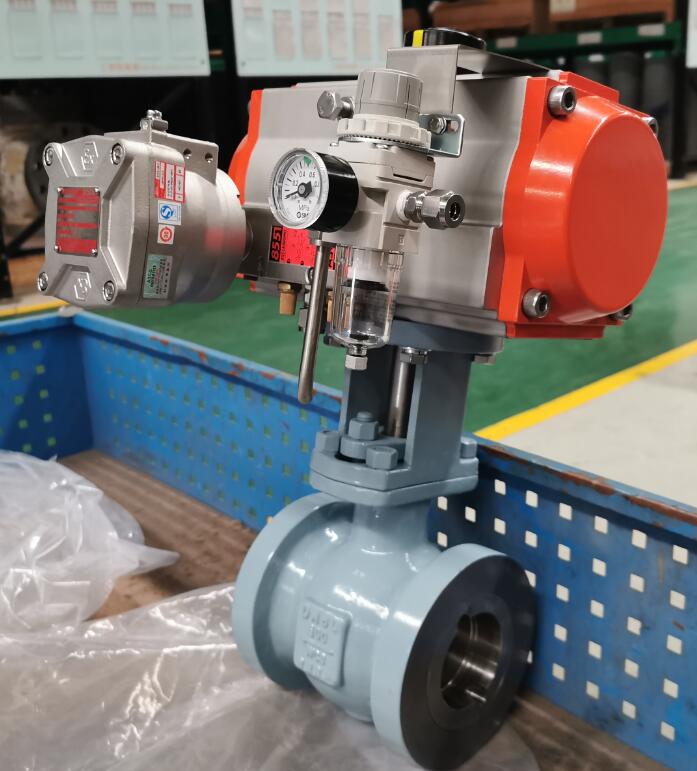
In refineries, power plants, and chemical processing facilities, flow control deals with really tough conditions. Think erosive slurries, fluids that coke up, scorching temperatures, and big swings in flow rates. Traditional valves just can’t hold up long in those spots. Eccentric rotary plug control valves step in and shine. They blend the sharp throttling you get from globe valves with the smooth, tough nature of rotary styles. That mix makes them perfect for heavy-duty jobs where steady performance ties straight to safety, uptime, and keeping costs down.
These valves give you spot-on control, way longer life, and much bigger turndown ratios. Operators in harsh industries count on them to hold processes steady and cut back on those annoying maintenance stops.
Understanding Eccentric Rotary Plug Control Valves
Picture this: an eccentric rotary plug control valve has a plug-shaped piece that restricts flow. It’s mounted off-center on the shaft. When the actuator turns the shaft just a quarter turn, the plug follows an eccentric path. That double-offset setup creates a clever camming motion. The plug pulls away from the seat the moment it begins to open. No rubbing or sliding friction happens during the turn.
As it closes, the trailing edge of the plug face hits the seat first. A bit more rotation flexes the plug arms slightly. That flex pushes the plug into solid, full contact for a really tight seal. The whole motion stays smooth. It avoids galling or heavy wear, even after cycle after cycle.
The body usually has clean, streamlined passages and tough metal trim parts. Sizes commonly run from 1 inch to 16 inches. Pressure ratings go up to ANSI Class 600. You see bodies in carbon steel, stainless steel, or high-nickel alloys when things get corrosive or hot. Temperatures stretch from -200°C all the way to +450°C. Metal seats hit ANSI/FCI Class V shutoff. Soft seats reach Class VI.
The natural flow characteristic stays linear. Near the seat, it modifies a little to make low-flow tweaks easier. So the valve handles throttling duties well. It also works fine for on/off jobs, particularly with erosive stuff, coking fluids, or slurries full of solids.
Superior Precise Control
Tight, accurate modulation really counts in heavy-duty flow work. The friction-free camming lets the plug move without dragging across the seat. That delivers smooth, repeatable positioning no matter the opening percentage. Operators see steadier process numbers. Control loops quit hunting or bouncing around so much.
In real plants, the linear characteristic keeps gain pretty even across the whole flow band. Close to the seat, that modified shape slows how fast flow changes. It helps dial in tiny flows without instability creeping in. Stability like that becomes huge in the feedback loops you find everywhere in refineries and chemical sites.
Extended Service Life in Demanding Environments
Globe valves often give up early in erosive or coking setups. The plug or disc slides right against the seat under high pressure drops. That direct contact chews things up fast. Eccentric rotary plug valves dodge the problem completely. The camming lift cuts seat and plug wear way down. Rugged metal trim stands strong against abrasive bits floating in slurries.
Tight shutoff holds up over the long haul thanks to that flex during closure. The seal stays solid even after tons of cycles. In slurry lines, those clean passages cut turbulence and slow erosion. Plants see far fewer valve swaps. Downtime shrinks compared to globe valves running in the same rough services.
Higher Turndown Ratios for Flexible Operation
Turndown ratio shows how well a valve keeps control steady from max flow down to almost nothing. Eccentric rotary plug control valves usually hit a 100:1 Cv ratio. Most traditional globe-style control valves top out around 50:1.
That extra range means a single valve manages big load changes without extra bypass lines or parallel setups. In a power plant, steam demand jumps around between peak hours and quiet times. Or think of a chemical reactor switching from batch runs to steady flow. The valve hangs onto its linear control zone much longer. Operators skip the wobbles at low flows. They keep accuracy solid across the entire working range.
Applications in Refinery, Power, and Chemical Industries
Refineries push heavy crudes, coking streams, and erosive catalysts through lines. An eccentric rotary plug control valve throttles those fluids without breaking a sweat. The design fights buildup and wear that kill globe valves fast in delayed cokers or hydrocracker feeds.
Power plants handle slurries like fly ash, limestone in flue gas desulfurization, or cooling water loaded with particles. The valve lets solids pass without clogging easily. It shrugs off abrasion that shortens globe valve life. Its smaller size and lighter weight make fitting it into crowded piping around boilers or turbines a lot simpler.
Chemical plants run corrosive acids, thick polymers, or abrasive catalysts. Material choices and tight shutoff stop dangerous leaks. Wide turndown helps with precise dosing in batch reactors or continuous lines where rates shift often.
Key advantages across these sectors include:
- Much lower torque needs, so actuators stay smaller and cheaper
- Compact, lightweight build that simplifies handling and setup
- Lower pressure recovery factors, close to globe valves, which helps tame cavitation and noise in certain cases
- One design often replaces up to 80% of standard control valves across a plant
Eccentric Rotary Plug vs. Traditional Globe Control Valves
Here’s a quick side-by-side look:
|
Feature |
Eccentric Rotary Plug |
Traditional Globe |
|
Control Precision |
Excellent; frictionless camming, linear characteristic |
Good, but seat friction can cause stick-slip |
|
Durability in Slurries/Erosives |
Superior; camming reduces wear, rugged trim |
Lower; direct sliding contact accelerates erosion |
|
Turndown Ratio |
100:1 typical |
50:1 maximum |
|
Shutoff Class |
Class V (metal), Class VI (soft) |
Varies, often requires frequent maintenance |
|
Size & Weight |
More compact and lighter |
Bulkier, heavier |
|
Maintenance |
Lower; fewer replacements in tough service |
Higher in erosive/coking applications |
|
Cost of Ownership |
Lower long-term due to longevity |
Higher due to frequent servicing |
The table makes it clear why so many plants move toward rotary plug styles for the really demanding spots.
Real-World Performance Insights
Take a refinery running sour crude. Globe valves in the coker fractionator overhead lines wore out every 6 to 12 months. Erosion and coke buildup did the damage. After switching to eccentric rotary plug valves, service stretched past 3 years. The friction-free motion and tough metal trim made the big difference.
In a coal-fired power station, fly ash slurry valves took constant beating from abrasion. Eccentric rotary plug units with hardened trim managed the solids flow. They kept precise modulation for pH control in the scrubber. Downtime fell sharply. Actuators stayed reasonably sized because torque stayed low.
Chemical plants on continuous polymerization lines love the high turndown. One valve covers monomer feeds from a slow startup drip all the way to full blast. No instability shows up. No need to swap trim mid-run.
Stories like these prove the real boosts in reliability and smooth running.
Miwival: Your Trusted Valves, Actuators, and Accessories Supplier
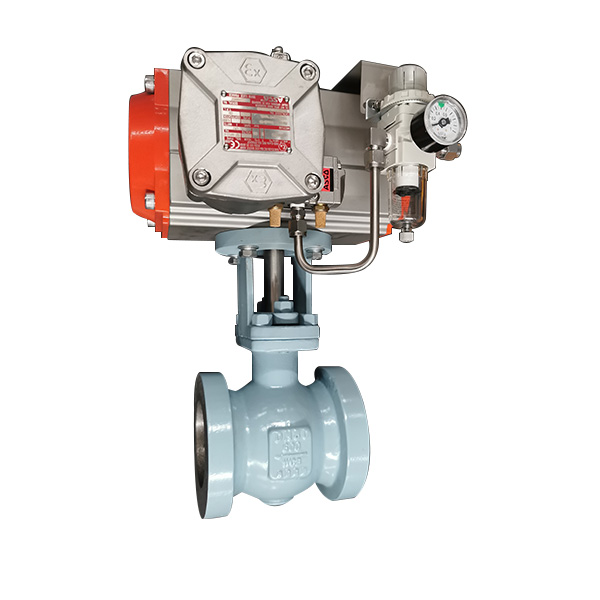
Miwival stands as a reliable one-stop partner for valves, actuators, and accessories. The company focuses on premium quality, competitive pricing, fast delivery, and excellent service—often summarized as QCDS. It serves key industries including power generation, chemicals, petroleum refining, mining, pulp and paper, cement, water treatment, sugar, palm oil, and steam applications. With a global reach spanning more than 40 countries, Miwival equips plants worldwide with proven flow control solutions.
Extensively trained staff provide personal attention and quick responses, often within 24 hours. Innovation drives the product line, including high-performance control valves like the eccentric rotary plug design. Miwival manufactures with total quality control from raw materials through final assembly, stocking popular items for two-week delivery while offering 24/7 online support.
Conclusion
Eccentric rotary plug control valves really stand out for heavy-duty flow control. Their clever frictionless camming, sturdy build, and impressive 100:1 turndown bring sharp modulation, much longer life, and the flexibility that globe valves have a hard time matching in refineries, power plants, and chemical facilities. Those gains cut downtime, drop maintenance bills, and make processes safer and smoother overall.
Frequently Asked Questions
What is an eccentric rotary plug control valve and how does it differ from traditional control valves?
An eccentric rotary plug control valve uses an off-center plug that cams into and out of the seat during rotation. This eliminates sliding friction, reduces wear, and provides tighter long-term sealing compared to globe valves that rely on direct linear plug-to-seat contact.
Why do eccentric rotary plug control valves offer better performance in refinery, power, and chemical industries?
They handle erosive slurries, coking fluids, and corrosive media with less wear and more stable control. The design resists abrasion and buildup while maintaining precise throttling across wide flow ranges, making them ideal for these demanding sectors.
What turndown ratio can you expect from an eccentric rotary plug control valve?
Most models achieve a 100:1 Cv ratio, allowing stable operation from very low to high flows. This exceeds the typical 50:1 maximum of traditional globe-style control valves and reduces the need for additional valves or bypasses.
How long do eccentric rotary plug control valves typically last in slurry or erosive services?
Service life often doubles or triples compared to globe valves in similar applications. The camming action and rugged metal trim minimize seat wear, with many installations reporting 3+ years of reliable operation before major maintenance.
Where can I source high-quality eccentric rotary plug control valves with proven specs?
Look for manufacturers that emphasize total quality control, global certifications, and application-specific trim options. Companies offering sizes from 1″ to 16″, broad temperature and pressure ratings, and fast delivery support like Miwival make reliable choices for heavy-duty needs.


 consult
 WHATSAPP
 leave message
 top
top