
How to Select the Right Globe Control Valve for High-Temperature Applications (Up to 650°C)
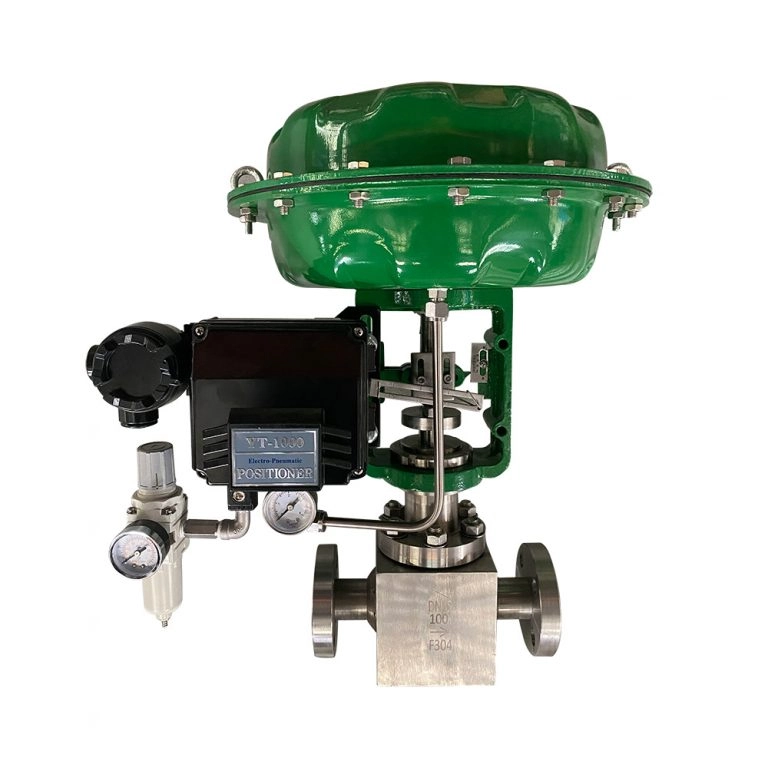
Picture a refinery unit running flat out at 620°C with hydrocarbon vapors screaming through the lines. One valve starts leaking after six months because the body crept just enough to lose its seal. Or a power plant turbine bypass that seizes during a hot restart because thermal expansion jammed the stem. These aren’t hypotheticals—they’re the kind of headaches engineers in power, petrochemical, and refinery plants deal with every day. That’s why high-temperature valve selection isn’t just another spec exercise. It’s the difference between smooth runs and costly shutdowns.
Globe control valves shine here because they give you precise throttling in tough spots. But not every globe valve can take the heat—literally—up to 650°C. Get the materials, design, and actuator right, and you’ll keep tight control, minimize downtime, and sleep better at night. Miss one detail, and you’re ordering replacements before the warranty expires. This guide walks you through exactly what to look for, step by step, so you pick a valve that lasts.
The Real Challenges at Extreme Temperatures
High heat doesn’t just make things hot—it changes how materials behave. At 650°C, carbon steel starts to creep. Over time the metal slowly deforms under stress, and before you know it, your seat leaks or the plug sticks. In petrochemical crackers or refinery hydrotreaters, you also fight oxidation and carburization from process gases that eat away at unprotected surfaces.
Thermal expansion adds another layer of pain. Different parts of the valve—body, trim, stem—grow at slightly different rates. A standard bonnet might look fine on paper, but in real service the stem expands more than the packing follower, crushing the packing and causing leaks. Startups and shutdowns make it worse: rapid temperature swings create thermal shock that cracks brittle components.
Steam systems in power plants crank this up even higher. Superheated steam at 540–650°C carries enormous energy. A single-stage trim trying to drop 80 bar in one shot hits sonic velocity, erodes the plug in weeks, and blasts noise through the whole unit. Engineers who’ve lived through these failures know the pattern: cheap valve today, emergency outage tomorrow.
Materials: The Foundation That Can’t Be Skipped
Start with the body. Plain WCB carbon steel tops out around 425°C before strength drops off fast. For 650°C service, you need chrome-moly alloys. WC6 (1¼Cr-½Mo) handles most high-temp steam and oil applications up to about 593°C comfortably. Step up to WC9 (2¼Cr-1Mo) when you need extra creep resistance and better scaling protection in oxidizing environments—exactly what refineries and power boilers throw at you.
Here’s a quick reference table engineers actually use when pulling specs:
|
Component |
Material for ≤650°C Service |
Key Advantage |
Typical Limit Without Upgrade |
|
Body |
WC9 or WC6 |
Creep strength + oxidation resistance |
425°C (carbon steel) |
|
Bonnet |
Same as body + extension |
Keeps packing below 400°C |
Standard bonnet fails early |
|
Plug & Seat |
Hard-faced stainless or alloy |
Erosion and galling resistance |
Soft trim erodes in weeks |
|
Stem |
High-alloy stainless |
Maintains strength at temperature |
Carbon stem stretches |
Trim deserves equal attention. Single-stage plugs work fine for low delta-P, but high-temperature drops demand multi-stage or disc-stack designs. They break the pressure drop into smaller steps, keep velocities under control, and cut noise and cavitation that destroy valves in hot service. Flow characteristics matter too—equal percentage gives you the wide rangeability you need when loads swing from 20% to 100% during plant turndown.
Design Details That Keep the Valve Working When It’s Scorching Hot
An extended bonnet isn’t optional at these temperatures—it’s survival gear. The extra length creates a heat-dissipating column that drops packing-box temperature by 200–300°C. Your graphite or high-temp packing stays flexible, the actuator doesn’t cook, and the stem doesn’t bind from differential growth.
Cage-guided construction beats post-guided every time in hot service. The cage keeps the plug centered even when everything expands, giving you repeatable shutoff and linear response across the whole stroke. Clamping-seat designs make maintenance quick: pull the trim, swap worn parts, and reinstall without special tools or welding—critical when your outage window is measured in hours, not days.
Actuators need the same heat-smart thinking. Pneumatic diaphragm types respond fast and handle most modulating duties, but mount them away from the hot body or add heat shields. Electric actuators shine when you need precise positioning and digital integration, but pick models rated for ambient temperatures above 80°C if they sit close to the valve.
Step-by-Step: How to Actually Select the Right Globe Control Valve
- Map your real conditions.List maximum continuous temperature (650°C?), pressure drop, fluid type (superheated steam? sour gas? viscous residue?), and flow range. Don’t guess—pull the P&ID and heat-balance data.
- Size it right.Calculate required Cv at normal, max, and min flow. Oversize and you lose control range; undersize and you choke the process. Factor in the density drop at high temperature—steam at 650°C is a completely different animal than at 300°C.
- Lock in materials.Match body to WC6 or WC9 based on your corrosion analysis. Specify hard-facing on trim and multi-stage design if delta-P exceeds 50 bar.
- Choose the bonnet and packing.Extended bonnet mandatory above 450°C. Confirm packing is rated for your packing-box temperature, not just the process temp.
- Pick the actuator and positioner.Match thrust to your shutoff requirements. Add fail-safe action that matches your safety case—spring-return for air-fail close on steam isolation, for example.
- Review the full assembly.Will the valve see thermal cycling? Vibration? Confirm face-to-face dimensions fit your piping without expensive spool pieces.
- Test and verify.Ask for factory acceptance tests at design temperature if possible. Real data beats catalog claims.
Follow this checklist and you’ll avoid 90% of the field failures I’ve seen over the years.
Globe Control Valves Doing Heavy Lifting in the Field
In power plants, these valves throttle main steam to the turbine or manage bypass during startup. One unit running 600°C steam saw packing leaks every three months until they switched to extended-bonnet WC9 valves with multi-stage trim—zero leaks in the next 18 months.
Petrochemical reactors often run 550–650°C with hydrogen-rich feeds. The right globe control valve keeps precise feed flow while resisting embrittlement. Refineries use them on fractionator overheads and bottoms where temperature swings are brutal and tight control directly affects product specs and yield.
The pattern is always the same: when the valve matches the temperature, the process stays stable, emissions stay low, and maintenance crews aren’t pulling the unit every turnaround.
Partnering with a Supplier That Gets High-Temperature Service
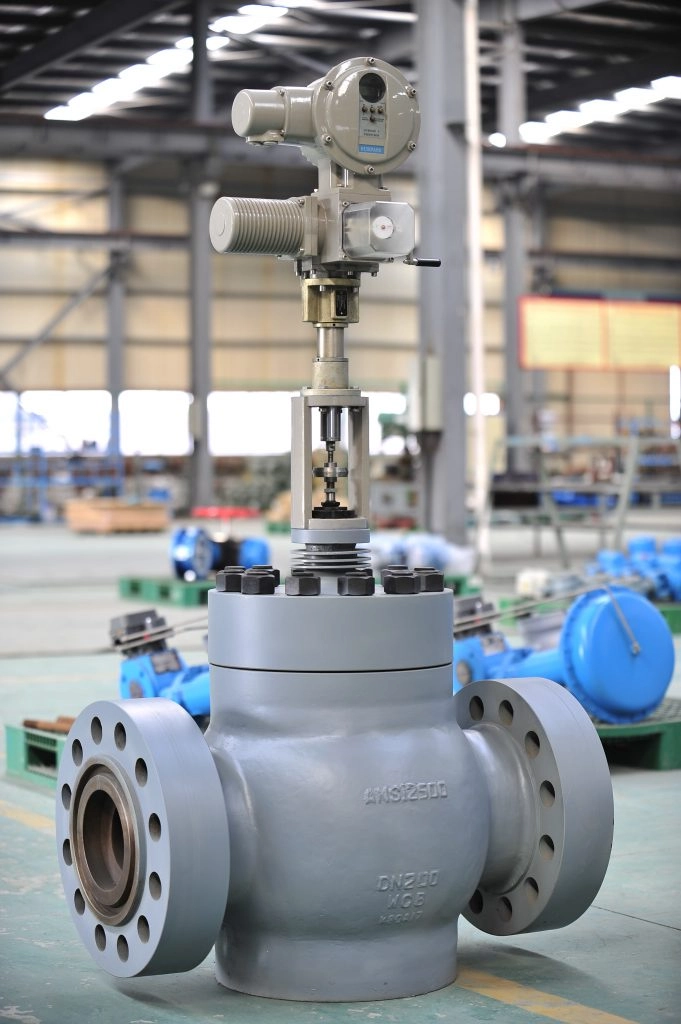
When you need valves that actually perform at 650°C—not just on paper—turn to a specialist who stocks and supports the full package. Miwival delivers exactly that: a complete line of globe control valves rated from cryogenic cold to 650°C, built with WC6 and WC9 bodies, extended bonnets, and modular trim options. They back it up with actuators, positioners, and accessories so you get one-stop compatibility instead of piecing together parts from three vendors. Their focus on quick delivery and field support means you’re not waiting weeks when a valve needs attention. .
Conclusion
Selecting the right globe control valve for high-temperature applications up to 650°C comes down to respecting the physics: choose creep-resistant materials, protect the packing and actuator from heat, and match the trim to your pressure drop. Do it right and your plant runs longer between turnarounds, your control loops stay tight, and those middle-of-the-night emergency calls stop. Cut corners and you’ll pay for it in lost production and repair bills. The engineers who succeed here treat valve selection like the critical process decision it is—because it is.
FAQs
What’s the biggest difference when doing high-temperature valve selection for globe control valves?
The biggest shift is moving from standard carbon-steel bodies and short bonnets to chrome-moly alloys like WC9 and extended-bonnet designs that keep heat away from the packing and actuator. Without those changes, creep and binding kill performance fast above 450°C.
How does thermal expansion affect a high temperature control valve in refinery service?
Different metals expand at different rates, so the stem can bind or the packing can crush if you use a standard bonnet. Extended bonnets and proper material matching solve it, letting the valve stroke smoothly even after hundreds of thermal cycles.
Can a globe control valve really handle continuous 650°C operation?
Yes—when built with WC9 body, multi-stage trim, and extended bonnet. Many power and petrochemical units run these valves 24/7 at those temperatures with proper sizing and maintenance.
Which actuator works best with high temperature control valves in power plants?
Pneumatic diaphragm actuators are the workhorse for most modulating duties because they respond quickly and tolerate heat when properly shielded. Electric actuators make sense when you need digital integration and the mounting location stays cooler.
Where should I start my high-temperature valve selection for a new cracker unit?
Pull your process data first—temperature, delta-P, flow range—then spec WC9 bodies with multi-stage trim and extended bonnets. Work with a supplier like Miwival that stocks these exact configurations and can deliver matched actuators and accessories in one package.


 consult
 WHATSAPP
 leave message
 top
top