Desuperheater Selection Guide: How to Choose the Right Spray Nozzle for Your Steam System
D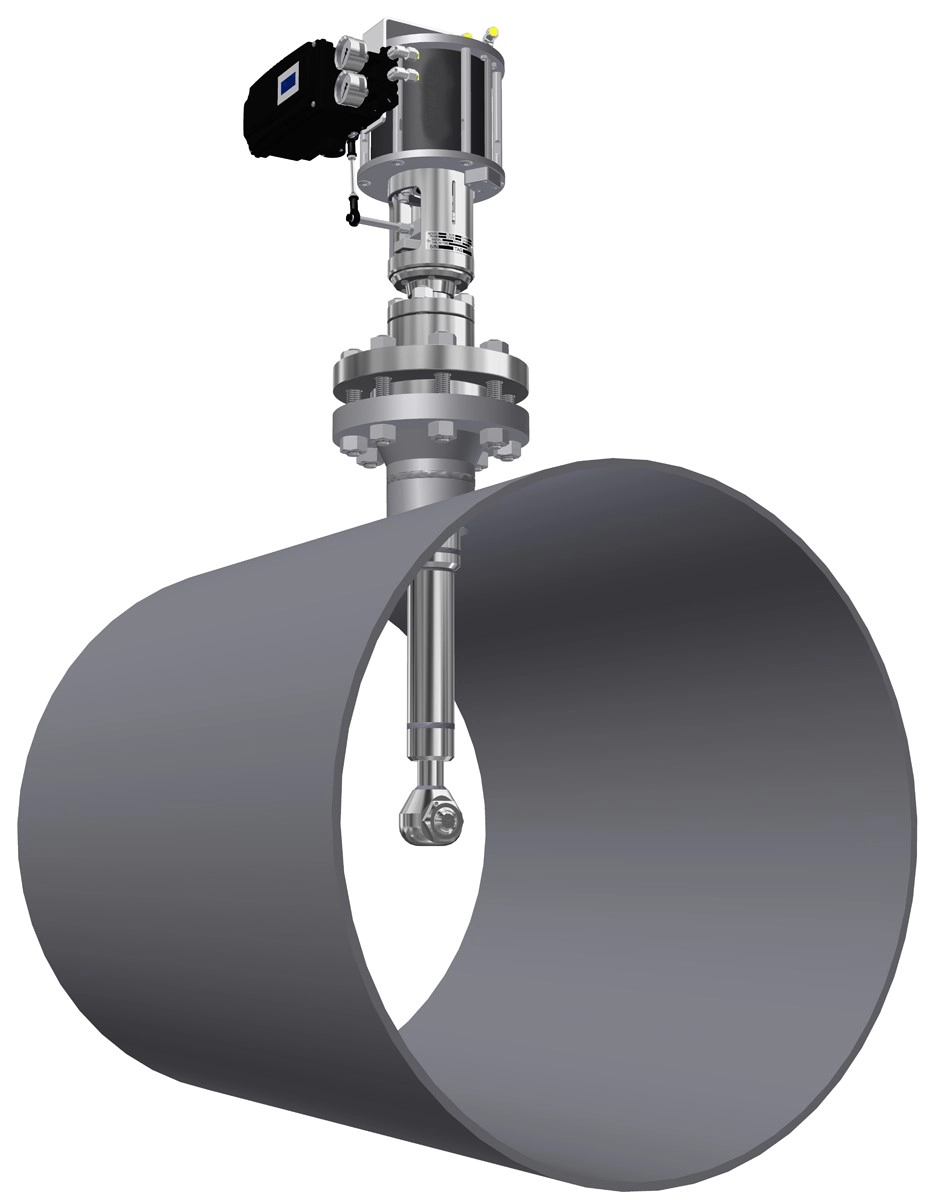
Steam systems run hot. Sometimes too hot. Superheated steam comes out of boilers way above the saturation point. You need to bring that temperature down for turbines, heat exchangers, or process lines. That’s where a desuperheater steps in. It injects cooling water to knock the temp back to where it belongs. Pick the wrong one, though, and you end up with wet steam, poor control, or even pipe erosion. I’ve seen plants struggle with uneven cooling. Water doesn’t evaporate fully. Temperature swings wildly. Downtime follows. The fix starts with smart selection – especially the spray nozzle type. In this guide we break it down. We focus on spray desuperheaters, like single-point radial injection styles. We cover when they work best. We talk pipe sizes, flow speeds, superheat levels. Get it right, and you hit tight temperature control with good atomization and short evaporation distances.
Why Desuperheater Selection Matters So Much
A desuperheater isn’t just another fitting. It handles heat transfer in a moving stream. Water sprays in as fine droplets. Those droplets need to mix well and evaporate fast. If they don’t, you get carryover – water hitting downstream equipment. That leads to blade damage in turbines or corrosion in lines. On the flip side, over-cooling drops you below saturation. Efficiency tanks.
From field experience, bad selection shows up quick. A refinery once ran high superheat steam through a mismatched nozzle. Droplets stayed large. Evaporation took too long. The pipe wall stayed hot in spots while steam cooled unevenly. Control looped hunted constantly. They lost precision – swings of 20-30°F instead of ±5°F. Fixing it meant pulling the unit and resizing. Cost them weeks.
Good selection avoids all that. It matches the nozzle to real conditions. Atomization improves. Droplets get small enough to vaporize in short distances. Temperature holds steady. Plants run smoother. Energy use drops too.
Key Factors in Picking the Right Spray Nozzle
Start with your steam line basics. Pipe diameter sets the stage. Flow velocity affects mixing. Superheat degree tells how much cooling water you need. Pressure and temperature round it out.
Pipe Diameter and Installation Space
Small pipes – say 4 inches or less – limit options. A single-point radial injection desuperheater fits nicely here. The nozzle pokes through the wall at one spot. It sprays water radially across the flow. Simple setup. Low pressure drop. Works well when space is tight or budget matters.
Larger pipes, 10 inches and up, need careful thought. Steam moves slower in big lines. Droplets have more distance to travel. A single radial spray might not cover the whole cross-section evenly. You risk hot streaks in the center. Some setups add multiple nozzles or go venturi style for better distribution. But single-point radial keeps things straightforward if velocity stays decent.
Steam Flow Velocity
Velocity drives mixing. Too slow – under 20-30 ft/s – and droplets settle or hit walls before evaporating. Too fast – over 100-150 ft/s – and you get high shear, but pressure drop climbs. Ideal range sits around 40-80 ft/s for many spray types.
In a power plant I know, low-velocity lines caused issues. Steam crawled at 15 ft/s. Water pooled at the bottom. They switched to a radial single-point design with finer atomization. Droplets broke up better. Evaporation shortened from 20 feet to under 10. Control tightened up.
Superheat Temperature and Cooling Load
How much superheat are you dealing with? 50°F over saturation needs less water than 200°F. More superheat means bigger droplets can work if evaporation distance allows. But high superheat often pairs with high temps – 800°F or more. Nozzle materials must hold up.
Rule of thumb: Higher superheat calls for better atomization. Single-point radial nozzles do fine up to moderate levels – say 100-150°F superheat in mid-size pipes. Beyond that, droplet size matters more. Finer spray evaporates quicker, cuts required straight-run length.
Other Must-Know Conditions
Steam pressure plays in too. High-pressure steam (over 600 psig) needs robust nozzles to avoid flashing issues. Temperature extremes demand alloy construction.
Water quality counts. Dirty spray water clogs nozzles fast. Use filtered or treated water.
Single-Point Radial Injection Desuperheaters: When They Shine
These are the go-to for many plants. A nozzle mounts through the pipe wall. Cooling water feeds in. A central valve stem adjusts flow. Water sprays out radially – like spokes on a wheel – into the steam.
Pros stack up:
- Dead simple to operate and maintain.
- Keeps steam pressure drop low – often under 1-2 psi.
- Costs less upfront than fancy multi-nozzle or venturi types.
- Easy to retrofit in existing lines.
They perform best in these spots:
- Pipe sizes 3-12 inches.
- Velocities 30-100 ft/s.
- Superheat up to 150-200°F.
- Lines needing basic attemperation without extreme precision demands.
A chemical plant ran 6-inch steam headers at 50 ft/s with 120°F superheat. Single-point radial worked great. Droplets atomized well enough. Evaporation finished in 8-12 feet. Downstream temps held ±4°F. No carryover complaints.
Outside those ranges? Consider alternatives. Very large pipes or low flows might need assisted atomization – like steam-atomized nozzles. High superheat with tight space calls for variable-orifice designs.
How Proper Selection Impacts Performance
Get the nozzle right, and results follow.
- Atomization Quality— Smaller droplets (under 100-200 microns) evaporate faster. Radial single-point designs deliver decent breakup at good velocities.
- Evaporation Distance— Shorter is better. Aim for full vaporization before bends or equipment. Wrong choice stretches it to 20+ feet. Right one keeps it 5-15 feet.
- Temperature Control Accuracy— Steady spray equals steady temp. Plants hit ±5°F or better routinely with matched setups. Mismatches lead to hunting and overshoot.
One pulp mill example: They upgraded from a generic spray to a properly sized radial type. Evaporation distance halved. Control variance dropped from 15°F to 3°F. Energy savings paid back in under a year.
Always share your parameters when sizing. Pipe ID, steam flow rate (lb/hr), inlet/outlet temps, pressure, velocity – the more details, the better the recommendation.
Introducing Miwival: Your Trusted Supplier
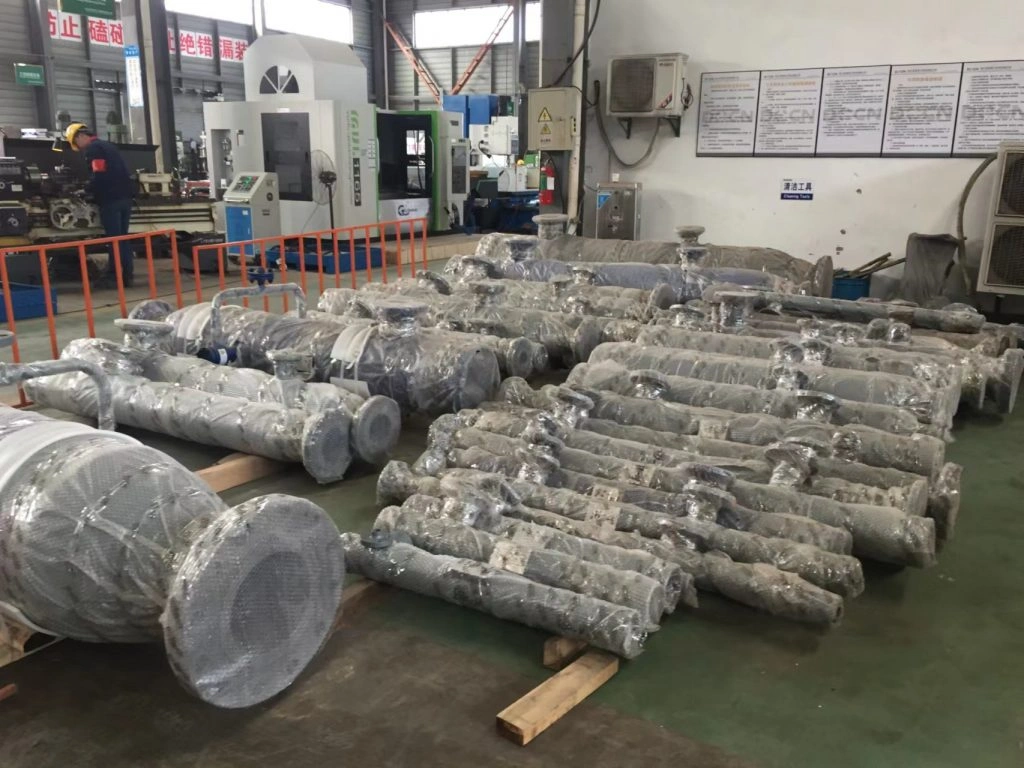
Need a reliable partner for this? Miwival stands out as a go-to source for valves, actuators, and accessories. They focus on flow control with a full lineup built for compatibility and solid performance. Their team brings real know-how. They emphasize quality from the start, keep costs in check, deliver fast – often in two weeks – and back it with 24/7 support. It’s a one-stop approach that puts customers first, driven by integrity and practical innovation. Whether for steam systems or broader needs, Miwival delivers options that keep plants safe and running smooth.
Conclusion
Choosing the right desuperheater – especially the spray nozzle – isn’t guesswork. Match it to your pipe size, velocity, superheat, and load. Single-point radial injection types handle many jobs well with simplicity and low cost. Get it spot-on, and you gain quick evaporation, tight control, no wet steam headaches. Miss the mark, and problems pile up. Share your system details with a knowledgeable supplier. They’ll point you to the best fit. It pays off in uptime, efficiency, and peace of mind.
FAQs
What is a desuperheater and why do I need one in my steam system?
A desuperheater injects cooling water to drop superheated steam temperature. You need it for safe, efficient operation in turbines, exchangers, or processes. Without one, superheat causes inefficiency or equipment damage.
When should I choose a single-point radial injection desuperheater?
Go with single-point radial when your pipe runs 3-12 inches, velocity sits 30-100 ft/s, and superheat stays under 150-200°F. It offers simple operation, low pressure drop, and good value for moderate conditions.
How does wrong desuperheater selection affect my system?
Poor matches lead to large droplets, long evaporation distances, and carryover. Temperature control suffers – swings of 20°F or more. You risk erosion, inefficiency, or downtime from wet steam hitting equipment.
What key parameters do I need to provide for proper desuperheater sizing?
Share pipe diameter, steam flow rate, inlet superheat temperature, desired outlet temperature, operating pressure, and velocity. Water quality and installation length help too. More info means a better recommendation.
Can a desuperheater improve energy efficiency in my plant?
Yes. Proper selection ensures complete evaporation and stable temps. That cuts steam waste, reduces fuel use at the boiler, and boosts overall system efficiency – often paying back fast in real operations.


 consult
 WHATSAPP
 leave message
 top
top