
How to Eliminate Leakage Paths in Severe Service Control Valves: The Advantage of a One-Piece Body Design
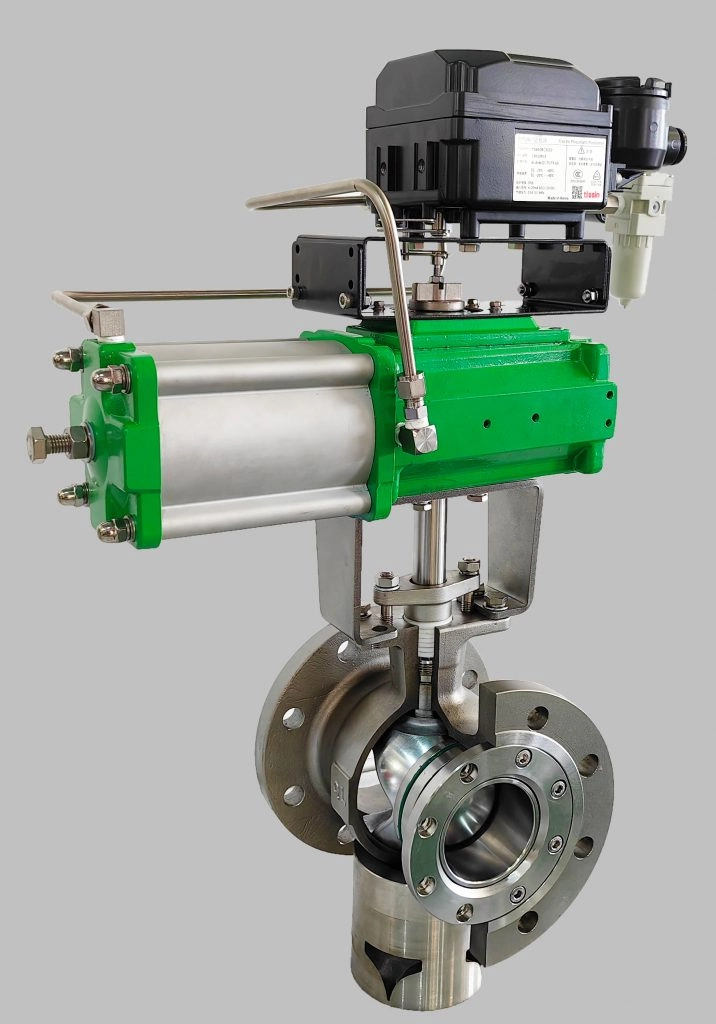
Leaks in control valves aren’t just annoying. They pose real dangers in tough industrial setups. Think chemical plants, pulp mills, or power stations—places where fluids run hot, corrosive, or under high pressure. A small drip turns into bigger headaches: safety risks, environmental fines, lost product, and endless maintenance calls. Fugitive emissions eat away at profits too. Crews spend hours chasing seals or tightening bolts. Production slows. In severe service, where valves throttle abrasive slurries or handle aggressive chemicals, traditional designs with bolted bodies or multi-part assemblies create weak spots. Those joints become prime spots for leaks.
But here’s the fix that many operators overlook. A one-piece body control valve cuts those risks right out. No flanges between body sections. No extra gaskets to fail. Just a solid, seamless shell. It changes the game for reliability and plant safety.
The Real Dangers of Leakage in Severe Service Applications
Severe service means tough conditions. High pressures. Corrosive media. Abrasive particles. Temperature swings. Valves here don’t just open and close—they modulate flow precisely. Any leak path spells trouble.
Traditional control valves often use multi-piece bodies. Bolted end caps. Threaded inserts. Flanged joints. Each connection needs a gasket or seal. Over time, those seals degrade. Vibration loosens bolts. Thermal cycling warps mating surfaces. Suddenly, process fluid escapes.
Take a pulp mill example. Medium-consistency stock at 8-19% MC flows through control valves. Fibers and chemicals attack seals. A bolted body joint starts weeping. Operators smell it first—sour pulp odor in the air. Then comes the drip. Hazardous release. Cleanup crews suit up. Line shuts down for hours. One study from industry groups pegs fugitive emissions losses in chemical plants at millions yearly. In pulp and paper, even small leaks spike maintenance budgets by 10-15% because of frequent inspections and repairs.
Safety takes a hit too. Volatile fluids under pressure? A leak ignites or creates toxic clouds. Regulators crack down hard—EPA fines, OSHA citations. Workers face exposure risks. Plants rack up incident reports. Trust erodes with neighbors and inspectors.
Maintenance crews feel the pain daily. Bolted designs demand regular torque checks. Retighten here, replace gasket there. Downtime adds up. In a busy refinery unit, valve leaks cause 20% of unscheduled stops, per field experience shared at conferences.
Why do these paths exist? Multi-piece bodies simplify manufacturing and repairs in theory. But in practice, each joint multiplies failure points. Bolts stretch. Gaskets compress unevenly. Corrosion creeps in at interfaces. The more pieces, the more chances for trouble.
How a One-Piece Body Design Shuts Down Leak Paths
Switch to a one-piece body, and those worries fade. The valve body forms from a single casting or forging. No mid-body joints. No bolted caps creating potential escape routes. The shell stays integral—strong, uniform, leak-proof by nature.
This setup shines in severe service. Fewer external connections mean fewer places for fluid to sneak out. Gaskets at body joints? Gone. Bolts that need constant watching? Not there. The design relies on the material’s strength alone for containment.
Real-world gains show up fast. In abrasive slurry lines, like mining tailings or pulp transport, vibration shakes bolted valves loose. One-piece bodies hold tight. No flex at joints. Leak incidents drop sharply—some facilities report near-zero external emissions after the switch.
Pressure containment improves too. A seamless body distributes stress evenly. No weak seams to crack under cycles. In high-pressure steam or chemical lines, this cuts rupture risks.
Installation gets simpler. Fewer parts to align. Torque specs focus on end flanges only, not internal joints. Crews spend less time on setup.
Long-term, durability climbs. Corrosion attacks uniform material instead of dissimilar joints where galvanic effects speed damage. Life extends. Replacement cycles stretch out.
Industry folks who’ve made the change talk about quieter ops—no hissing leaks in the background. Confidence grows. Audits pass easier. Insurance folks notice too—lower risk profiles sometimes mean better rates.
Spotlight on the MC Pulp Segment Ball Valve: One-Piece Body in Action
For tough pulp applications, the MC Pulp segment ball valve delivers exactly this advantage. It features a one-piece, leak-proof body. Built specifically for 8-19% MC pulp lines, it handles severe service demands without compromise.
The seamless body eliminates those pesky leakage paths. No bolted sections to worry about. Just solid construction that keeps fluids contained. Pair that with V-shaped sector geometry for precise throttling. Top and bottom bearings keep torque low—easy on actuators, even in thick slurries.
Materials stand up to abuse: SMO254 or DSS 2205 for corrosion and erosion resistance. Sizes run DN 80 to DN 300. Pressure classes hit 150 and 300. Pneumatic actuation fits right in.
Here’s a quick look at the specs:
|
Feature |
Details |
|
Body Design |
One-piece, leak-proof |
|
Size Range |
DN 80 – DN 300 |
|
Pressure Classes |
150 and 300 |
|
Materials |
SMO254, DSS 2205 |
|
Actuation |
Pneumatic (low-torque) |
|
Key Applications |
High-consistency pulp (8-19% MC) |
Why this matters in pulp mills:
- No External Leaks: Integral body stops fugitive emissions at the source.
- Tough in Slurries: Handles fibers and abrasives without joint failures.
- Reliable Control: Wide rangeability keeps processes steady.
- Safer Plant: Reduced risk of hazardous releases.
Mills running this valve see cleaner ops. Fewer spills. Less cleanup. Production holds steady.
Practical Steps to Upgrade and Maintain Leak-Free Performance
Making the move? Start with assessment. Map your severe service valves. Spot multi-piece bodies in high-risk spots. Prioritize those handling corrosives or volatiles.
When selecting, demand one-piece designs for critical paths. Check certifications—API 641 compliance for fugitive emissions helps in regulated setups.
Installation tips:
- Align flanges carefully—no stress on the body.
- Use proper gaskets at line connections only.
- Torque bolts to spec in sequence.
Maintenance shifts simpler:
- Skip internal joint checks—none exist.
- Focus on stem seals and seats.
- Monitor for external signs—drips or odors.
- Cycle valves periodically to keep things free.
Train teams on the why. Show how one-piece cuts risks. When crews understand, they spot issues early.
Add monitoring where possible—acoustic sensors catch tiny leaks before they grow.
These habits keep valves tight. Plants safer. Bottom line healthier.
About Miwival: Your Go-To Supplier for Valves, Actuators, and Accessories
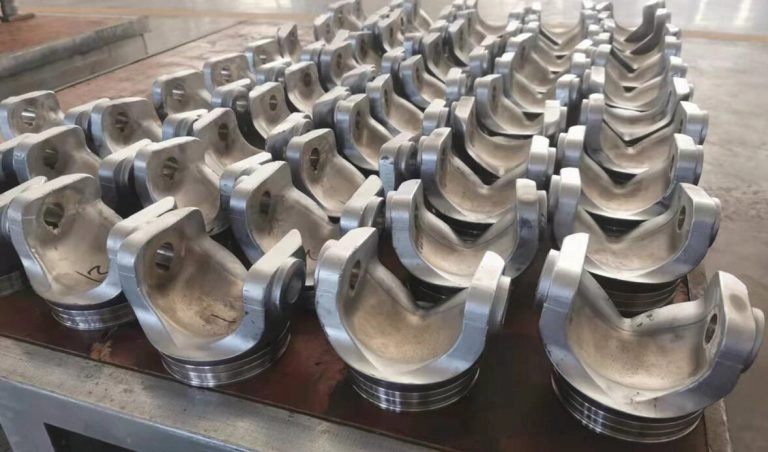
Miwival delivers as a solid supplier of valves, actuators, and accessories. They offer one-stop service for flow control needs. Their tagline says it clear: “Valves & Automation For a Safer World.” Quality, cost, delivery, and service drive everything. Stock items ship in two weeks. 24-hour online support keeps things moving. Trained staff and partners know flow control inside out. They give personal attention to every job. From standard pieces to custom fits, Miwival brings reliable options at fair prices.
Conclusion
Leakage paths in severe service control valves don’t have to haunt your operation. Traditional multi-piece bodies invite trouble—joints fail, seals wear, risks mount. A one-piece body design wipes those paths away. Solid, seamless, dependable. The MC Pulp segment ball valve puts this to work in tough pulp lines, delivering containment you can count on. Safer plants. Fewer headaches. Steadier runs. Make the switch. Lock in reliability. Keep your process flowing clean.
FAQs
What makes a one piece body control valve better for leakage prevention?
It has no mid-body joints or bolted connections. Traditional designs rely on gaskets and bolts that can loosen or degrade. A seamless one-piece body removes those weak spots entirely. Fluid stays inside where it belongs.
In what applications does the one-piece body shine most?
Severe service spots like pulp processing, chemical lines, or abrasive slurries. In 8-19% MC pulp, the MC Pulp segment ball valve’s one-piece, leak-proof body handles thick, corrosive flows without external leaks.
How does a one piece body control valve impact plant safety?
It cuts fugitive emissions risks sharply. No joints mean lower chance of hazardous releases. Plants face fewer incidents, easier regulatory compliance, and safer working conditions for crews.
Does the MC Pulp segment ball valve require special maintenance for its body?
Not really. The one-piece design skips checks on internal joints. Focus stays on stem packing, seats, and general wear. Overall maintenance drops compared to bolted-body valves.
Can a one piece body control valve handle high-pressure severe service?
Yes. The integral construction spreads stress evenly. Materials like DSS 2205 add strength. In Class 150-300 ratings, it holds up reliably where multi-piece valves might develop leaks under pressure cycles.


 consult
 WHATSAPP
 leave message
 top
top