
How to Prevent Valve Erosion and Clogging in High-Consistency Pulp Lines (8-19% MC)
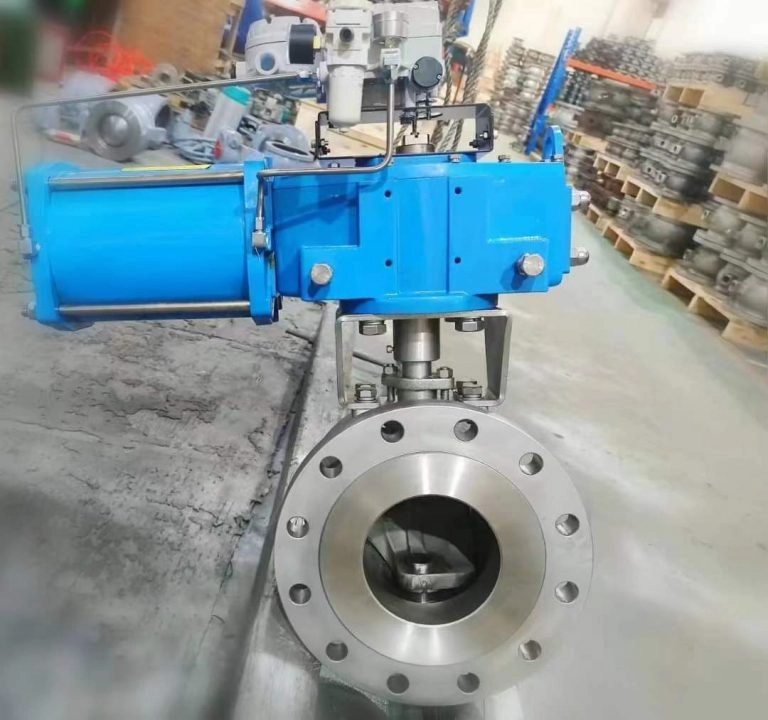
In the pulp and paper business, smooth flow can decide everything. Imagine a high-consistency pulp line running steady at 8-19% medium consistency (MC). That’s the ideal range for good processing. Yet valves take a real beating there. Fibers bunch together. Harsh particles grind down metal surfaces. Suddenly clogs stop everything cold. Erosion eats away at valve life fast. Downtime piles up quickly. It chews through profits. Old-school setups simply can’t handle this rough work. But a better path exists. It begins with seeing why problems arise. Then you spot how smart valve designs stop them cold.
Understanding the Pain Points: Why Traditional Valves Fail in High-Consistency Pulp
High-consistency pulp shows no mercy. At 8-19% MC the stuff turns thick and stringy. It carries gritty bits that cling and scratch. Gate valves or knife types usually give way under that strain. Let’s look closer.
Clogging strikes hard and often. Thick slurry squeezes into tight spots. It builds slowly but surely. Picture a real mill running bleached kraft pulp out of a digester discharge. Fibers knot up around the valve seat. Flow gets choked. One shift runs fine. The next brings falling pressure. Crews rush to unclog it. Industry reports note that sudden stops from clogs eat 5-10% of yearly maintenance budgets. That translates to thousands lost in output each time.
Erosion sneaks in quietly. Leftover sand or harsh chemicals in the pulp scrape surfaces raw. Flat-seated gate valves leave lots of area open to damage. Months pass. You notice pits and leaks. Replacements come every 6-12 months instead of lasting years. Consider a Midwest mill working recycled fiber. High ash content wears internals down fast. Failures push pumps harder. Energy jumps 15% as they fight restrictions.
These troubles happen plenty. Mills handling 500 tons daily see valve glitches cause up to 20% of process interruptions. The main reason? Designs ignore fiber cutting or auto-cleaning. Old choices bring extra labor, bigger spare parts costs, and worn-out teams. Switch to purpose-built valves. You flip those headaches into steady gains.
The Power of V-Port Ball Valves: Shear Force and Self-Cleaning to the Rescue
So, how do you fight back? Enter V-port ball valves. These aren’t your average shut-offs; they’re precision tools tailored for tough slurries. The V-shaped port creates a shearing action that slices through fibers like a hot knife through butter, preventing buildups right at the source.
What Makes Shear Force a Game-Changer?
Shear force is all about mechanics. As the ball rotates, the sharp V-edge cuts across the flow path, breaking up clumps before they settle. In high-MC lines, this means no more sticky residues gumming up the works. For instance, during a consistency control loop in a bleaching tower, traditional valves might let fibers bridge and block. A V-port? It shears them apart with each cycle, keeping flow steady. Industry tests reveal shear designs can reduce clog incidents by 40-60%, based on flow dynamics in abrasive media.
It’s not just theory. Operators report smoother throttling, where you can dial in exact flow rates without spikes. That precision matters when maintaining 12% MC in a refining stage—too much variance, and your paper quality dips.
Self-Cleaning Design: Built to Last Without the Hassle
Self-cleaning kicks in during operation. The ball’s movement wipes the seating surfaces clean, flushing out debris. No dead zones where pulp can hide. Compare that to plug valves, which trap stuff in pockets. In a high-consistency stock line feeding a paper machine, self-cleaning means fewer teardowns. One mill swapped to these and cut maintenance intervals from quarterly to yearly, saving crews hours weekly.
Materials play a big role too. Opt for alloys like duplex stainless steel, and you boost resistance to corrosion from chlorides in the pulp. Erosion drops because the hard-facing holds up against abrasives. Real data? Valves with these features often last 2-3 times longer in erosive environments, per engineering benchmarks.
Bottom line: V-port ball valves tackle the core problems head-on. They shear, they clean, they endure. If you’re tired of patching up failures, this is the upgrade that pays off quick.
Spotlight on the MC Pulp Segment Ball Valve: A Proven Fix for Pulp Challenges
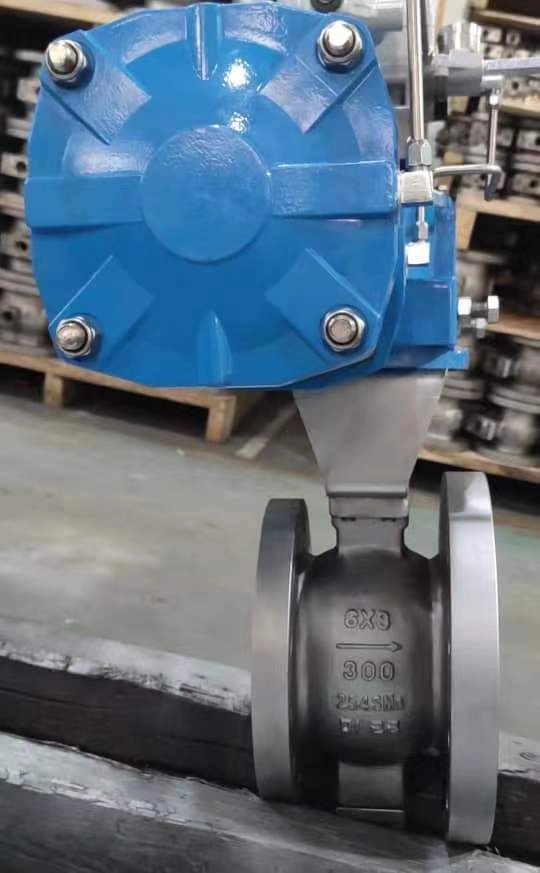
When it comes to putting these principles into action, the MC Pulp segment ball valve stands out as a solid example. Designed specifically for 8-19% MC lines, it packs a V-shaped ball sector that delivers that critical shear and self-cleaning punch.
Key features make it shine. The one-piece body eliminates leak paths, while top and bottom bearings keep torque low—even in sticky slurries. That means you can pair it with compact pneumatic actuators, saving space and energy. Sizes run from DN 80 to DN 300, handling pressures up to 300 class, and it’s built from tough materials like SMO254 or DSS 2205 for top-notch erosion resistance.
In practice, take a pulp mill’s medium-consistency pumping station. Traditional valves clogged weekly, but switching to an MC Pulp Valve smoothed things out. Flow control stayed accurate across wide ranges, even at low rates, cutting energy waste by 10-15%. No more abrupt shutdowns; just reliable performance that keeps the line moving.
Here’s a quick specs breakdown in a table for easy reference:
|
Feature |
Details |
|
Size Range |
DN 80 – DN 300 |
|
Pressure Classes |
150 and 300 |
|
Materials |
SMO254, DSS 2205 |
|
Actuation |
Pneumatic (low-torque design) |
|
Key Benefits |
Shear action, self-cleaning, precise control |
Bullet points on why it fits high-MC apps:
- Handles Thick Slurries: V-port shears fibers, preventing clogs in 8-19% MC.
- Reduces Wear: Durable materials fight erosion from abrasives.
- Efficient Operation: Low torque means smaller actuators, lower costs.
- Versatile Control: Wide rangeability for varying flow needs.
This isn’t hype—it’s engineered to solve real mill pains. Integrating an MC Pulp Valve can slash downtime and boost throughput, making it a go-to for forward-thinking operations.
Implementation Tips: Getting the Most Out of Your Valve Setup
Installing the right valve is step one; making it work long-term is the real win. Start with proper sizing—match the DN to your line’s flow rate to avoid turbulence that speeds erosion. In a 10-inch line at 15% MC, undersizing leads to high velocities that grind faster.
Maintenance? Keep it simple:
- Inspect quarterly for seat wear, but with self-cleaning, you’ll find less buildup.
- Lubricate actuators as needed, and monitor torque levels—spikes signal issues early.
- Use compatible seals; avoid cheap ones that degrade in pulpy environments.
Training crews pays dividends. Show them how the shear works, and they’ll spot problems before they escalate. One facility trained operators on V-port basics and saw failure rates drop 30%.
Don’t overlook system tweaks. Pair with upstream filters to cut abrasives, or automate controls for consistent operation. In the end, these steps ensure your valves deliver peak performance, year after year.
About Miwival: Your Go-To Supplier for Valves, Actuators, and Accessories
Miwival steps up as a reliable supplier of valves, actuators, and accessories, focused on flow control solutions that make industries safer and more efficient. With a global reach spanning over 40 countries, they emphasize quality from raw materials to finished products. Their tagline, “Valves & Automation For a Safer World,” captures a commitment to innovation and customer-first service. Whether it’s stock-ready items with quick delivery or custom setups, Miwival delivers premium options at competitive prices, backed by trained experts in the field.
Conclusion
Dealing with valve erosion and clogs in 8-19% MC pulp lines need not drag on forever. Drop old designs. Turn to V-port ball valves with strong shear and self-cleaning features. You gain solid reliability. Costs drop. The MC Pulp segment ball valve shows this path clearly. It delivers sharp control and lasting strength. Operations stay smooth. Put good tech in place. Use wise habits. Watch efficiency climb. Set to improve? Now’s the moment to keep things flowing strong.
FAQs
What causes valve clogging in high-consistency pulp lines at 8-19% MC?
Clogging stems from fibrous buildup in dense slurries. Traditional valves lack the shear to break it up, leading to restrictions and downtime. Solutions like V-port designs, including the MC Pulp Valve, use cutting action to keep things clear.
How does the MC Pulp segment ball valve prevent erosion?
Its V-shaped ball and tough materials like DSS 2205 resist abrasive wear. The self-cleaning wipe during rotation flushes debris, extending life 2-3 times over standard options in erosive pulp environments.
Is the MC Pulp Valve suitable for low-flow applications?
Absolutely. It offers wide rangeability and low-torque operation, maintaining accuracy even at reduced rates in 8-19% MC lines, which helps in precise consistency control.
What maintenance is needed for an MC Pulp segment ball valve?
Minimal—quarterly checks for wear, actuator lube, and torque monitoring. Its design reduces buildups, so teardowns are rare compared to traditional valves.
Can the MC Pulp Valve integrate with existing pneumatic systems?
Yes, its low-torque setup pairs easily with standard actuators, saving on upgrades while ensuring reliable performance in high-MC pulp handling.


 consult
 WHATSAPP
 leave message
 top
top