
Globe Valve Replacement Guide: When & Why to Switch to an Eccentric Rotary Plug Valve
Plant engineers see the same pattern repeat. Your globe control valve starts to drip after roughly 18 months. The actuator fights during tiny adjustments. Maintenance teams pull yet another unit at the next shutdown. Downtime adds up fast. Costs keep climbing.
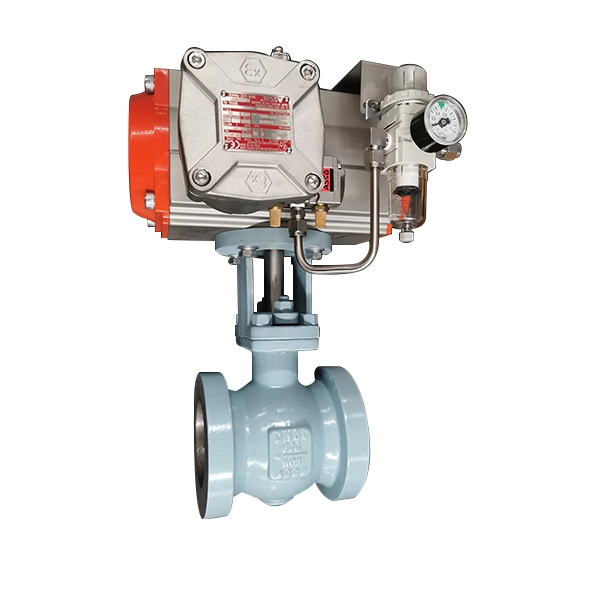
If you feel worn out from battling these ongoing troubles with standard globe valves, consider a fresh option. An eccentric rotary plug control valve often steps up as a reliable, lasting choice. Plenty of plants have already changed over. They report better uptime, wider control, and lower overall expenses.
Why Globe Valves Fall Short in Demanding Applications
Globe valves have been the go-to for precise flow control for decades. They deliver good throttling in clean services and moderate pressures. But push them into slurry, coking fluids, erosive media, or wide flow swings, and their limits show up fast.
Take a typical petrochemical refinery, for instance. A globe valve handling catalyst-laden streams might need trim replaced every 12-14 months. The cage and plug wear quickly because the flow path creates high-velocity turbulence right at the throttling point. Packing leaks become routine. Stem friction makes fine control difficult, especially at low openings.
In pulp and paper mills, high-consistency stock lines do similar damage. Globe valves clog or erode, forcing frequent cleanouts. Power plants running desuperheaters or boiler feedwater systems face the same cycle: good performance at first, then gradual loss of accuracy and rising repair bills.
These aren’t isolated complaints. Across refining, chemicals, mining, and power generation, operators report the same pattern—solid initial results followed by steady performance drop-off.
How an Eccentric Rotary Plug Control Valve Works
The eccentric rotary plug control valve brings together the best traits of globe-style precision and rotary motion simplicity. Its core is a double-offset plug that rotates eccentrically into and out of the seat.
As the plug opens, it lifts away from the seat right away. No sliding contact during most of the stroke. That simple geometry cuts out the friction that wears down globe valve stems and seats. When closing, the trailing edge touches first, then the plug arms flex slightly to create full, tight contact. The result is smooth seating and reliable shutoff over years, not months.
Flow passes through streamlined passages in flanged versions, which helps with slurries and erosive fluids. You get either throttling or tight on/off service from the same valve. Sizes run from 1″ to 16″, with ratings up to ANSI 600. Body materials include carbon steel, stainless, and high-nickel alloys. Temperature range covers -328°F to +842°F.
The inherent flow characteristic stays linear across most of the range, with a gentle modification near the seat that prevents sudden flow changes. Tightness reaches Class V with metal seats and Class VI with soft seats.
When to Consider Replacing Your Globe Valves
Not every globe valve needs swapping right away. Still, certain warning signs point toward the eccentric rotary plug valve as worth checking.
- Regular trim or packing changes (more than once every 18 to 24 months)
- Weak control at low flows or during startup and shutdown
- Heavy actuator effort or unstable movement on small changes
- Dealing with abrasive, coking, or high-solids streams
- Big flow swings that go past a 50:1 range
- High maintenance hours that eat into budgets
Take a mining slurry line as an example. Globe valves lasted about 14 months before heavy wear forced swaps. After moving to eccentric rotary plug valves with tough metal trim, those lines ran more than three years. Only routine checks were needed. No surprise stops from valve trouble.
A chemical site handling thick, sticky polymers saw clear gains too. Old globe valves needed weekly flushes. The new rotary plug design managed the flow cleanly. It cut cleaning time by more than half.
Key Performance Advantages
The data paints a straightforward picture. Many facilities find that eccentric rotary plug control valves can step in for at least 80% of the control valves now in use. This includes most globe valve spots.
Wider Control Range Standard globe valves usually stop at around 50:1. The eccentric rotary plug design offers a 100:1 Cv ratio. This bigger steady range lets one valve cover both tiny nighttime flows and heavy daytime peaks. Accuracy holds steady. Batch chemical operators like the extra room. They skip swapping units or adding bypass lines.
Lower Maintenance Needs No constant packing tweaks. Less wear on moving pieces because drag drops during rotation. The camming motion keeps seating areas fresher longer. Plants stretch service gaps from 12-18 months to 36 months or more. Fewer spare parts sit on shelves. Labor costs fall during outages.
Stronger with Tough Fluids Clean flow paths and sturdy trim make these valves tough on slurries, fibers, and wearing media. In pulp mills, they move thick stock without the blockages common in globe styles. In refining, they throttle coking flows with far less buildup.
Long-Term Cost View The upfront price may run a little higher than a basic globe valve. But add up saved downtime, fewer repairs, and longer life. Total ownership cost often drops. Many sites recover the gap inside 18 to 24 months through steadier runs and less upkeep.
Here is a simple side-by-side look:
|
Aspect |
Traditional Globe Valve |
Eccentric Rotary Plug Valve |
|
Typical Turndown |
50:1 |
100:1 |
|
Friction During Operation |
High (stem and cage) |
Minimal (eccentric camming) |
|
Maintenance Interval |
12-18 months typical |
36+ months common |
|
Slurry/Erosive Service |
Limited |
Excellent with proper trim |
|
Replacement Potential |
N/A |
Covers ~80% of control valve applications |
|
Flow Characteristic |
Linear or equal percentage |
Linear with smooth near-seat behavior |
Real-World Scenarios Where the Switch Pays Off
Imagine a natural gas processing facility. Pressure drop stations face wide flow shifts tied to upstream output. Globe valves jittered at low rates and lost seal over time. Eccentric rotary plug valves steadied the process. They also lowered escape emissions.
Or think about a fertilizer plant with ammonium nitrate mixes. Corrosion and scale shortened globe valve life. The rotary plug style, offered in high-nickel alloys, stood up to both. It kept precise flow for pH tweaks.
Power plants in combined-cycle setups often pick these valves for spray lines. The broad range handles shifting loads. Temperatures stay even and avoid stressing turbines.
Introducing Miwival – Your Flow Control Partner
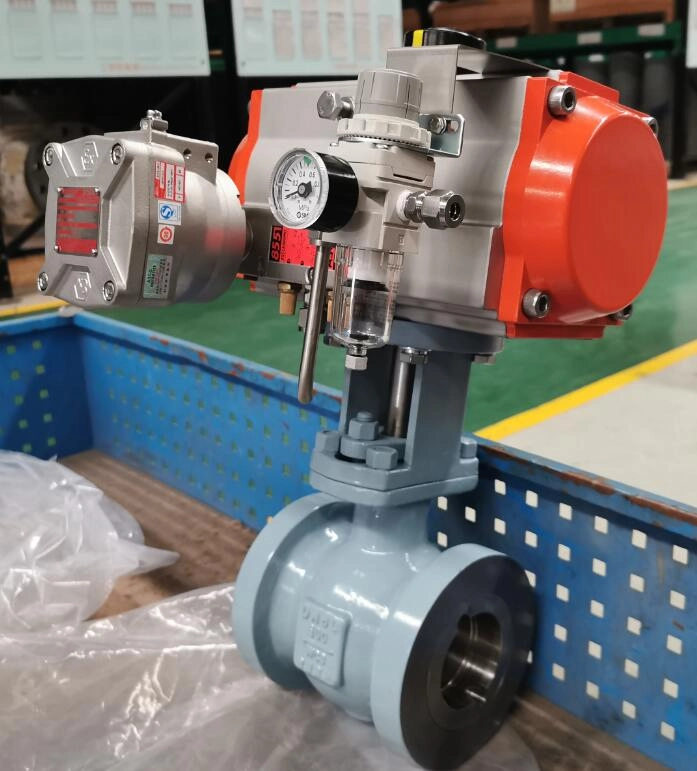
When you decide to explore eccentric rotary plug control valves, teaming with a solid supplier helps a lot. Miwival acts as a complete source for valves, actuators, and accessories. They zero in on quality, cost, delivery, and service. This supports work in pulp and paper, mining, power, chemicals, water treatment, and many more areas.
Their crew brings real know-how in flow control. They give personal care to every job. Stock is ready, and lead times often hit two weeks. This keeps projects moving. Whether you need a standard eccentric rotary plug control valve or a tough ceramic-lined model for heavy abrasion, Miwival supplies matching, high-performing answers. Trained specialists understand your plant’s actual conditions.
Conclusion
Moving from globe valves to eccentric rotary plug control valves is not about chasing new fads. It comes down to real performance numbers, maintenance logs, and long-term savings. The mix of wider range, less drag, lasting tight seal, and better handling of hard fluids brings measurable wins in reliability and cost management.
If your site deals with repeated valve fixes, narrow control bands, or tricky process streams, look closer. Many operations have already switched. They have no plans to go back.
Ready to check options for your exact setup? Contact a dependable supplier and run the numbers for your location. The right eccentric rotary plug control valve might be the upgrade that finally ends the cycle of constant globe valve replacements.
FAQs
What exactly is an eccentric rotary plug control valve?
It is a rotary control valve with a double-offset plug that moves off-center into the seat. This setup brings together precise throttling like a globe valve and the low-upkeep perks of rotary action. It works great for steady control or tight shutoff jobs.
How much better is the turndown ratio compared to a globe valve?
Most globe valves top out near 50:1. An eccentric rotary plug control valve usually gives 100:1. You gain steady, accurate control across a much broader flow span without losing accuracy at either end.
Can one eccentric rotary plug valve really replace 80% of existing control valves?
In real use, yes. Its ability to manage abrasive, coking, and slurry services—plus the wide range and low upkeep—makes it fit for the bulk of control valve duties in refining, chemicals, power, mining, and pulp and paper.
Will switching reduce our maintenance costs?
Most plants notice a clear drop. Less drag means slower wear on trim and packing. Longer service gaps and fewer emergency fixes turn into lower labor time and fewer spare parts on hand.
How do I know if my application is a good candidate for an eccentric rotary plug control valve?
Watch for regular globe valve repairs, wide flow swings, rough or sticky media, or actuator instability. If any of these ring true, compare turndown, expected life, and full ownership cost side by side. The picture usually clears up fast.


 consult
 WHATSAPP
 leave message
 top
top