
Steam Desuperheating 101: How It Works and Why Your Process Needs It
Picture superheated steam flowing quickly from a boiler. It reaches temperatures near 500°F or even more. This steam holds far more heat than many downstream devices can manage without problems. If you leave that extra heat alone, it causes various troubles. Heat transfer becomes slower. Sudden temperature rises occur after pressure falls. Pipes and machines face real harm over time.
A desuperheater steps in here. It reduces the steam’s heat in a precise, managed way. Usually, it lowers the steam close to its saturation level. As a result, your whole system operates more evenly and safely.
If you are new to steam systems, or if you are a seasoned process engineer adjusting operations each day, knowing how desuperheaters work can make a big impact. This guide explains the fundamentals one step at a time. We discuss the basic science behind it. We also cover the common reasons industries rely on these tools. Plus, we explain the real benefits they bring for better efficiency and equipment safety. No tough technical terms here. Just straightforward details that count in the facility.
What Is Superheated Steam and Why Does It Need Cooling?
Steam exits the boiler as saturated steam. At that stage, it matches its boiling point for the current pressure. If you add more heat without increasing the pressure, the steam becomes superheated. It gets drier and quite hotter. Thus, it carries additional energy.
This added heat suits turbines well. It raises efficiency there. However, for numerous other tasks, such as process heating or feeding heat exchangers, superheated steam brings challenges.
Here’s the reason. Heat transfer works best when steam remains near saturation. Superheated steam has to shed its extra sensible heat first. Only then can it condense and release its latent heat. That delay wastes time and space inside equipment.
Moreover, pressure reductions through valves or restrictions often produce more superheat. The temperature can rise beyond what anyone expects. All at once, the steam becomes hotter than planned. That strains pipes, seals, and other parts downstream.
In plain words, superheated steam typically requires some cooling. A desuperheater takes care of this task. It adds exactly the right volume of cooling water.
The Core Working Principle of a Desuperheater
Desuperheating comes down to evaporative cooling on a large industrial level. You inject a calculated amount of cooling water, often boiler feedwater or pure condensate, straight into the fast-moving superheated steam.
The water turns into very small droplets. These particles blend fully with the steam. Then, they vaporize rapidly. In this change from liquid to gas, the water draws a great deal of heat from the steam. Consequently, the steam’s temperature falls swiftly.
Think of spraying a fine mist from a garden hose into warm summer air. The water does not stay around. It turns to vapor and carries heat with it. The concept is the same here. But it happens on a bigger and more exact scale.
The primary aim remains the same in most arrangements. Lower the final steam temperature to about 5 to 10°F above the saturation point. Or reach whatever exact goal your process calls for.
In a standard water spray desuperheater, the steps happen like this:
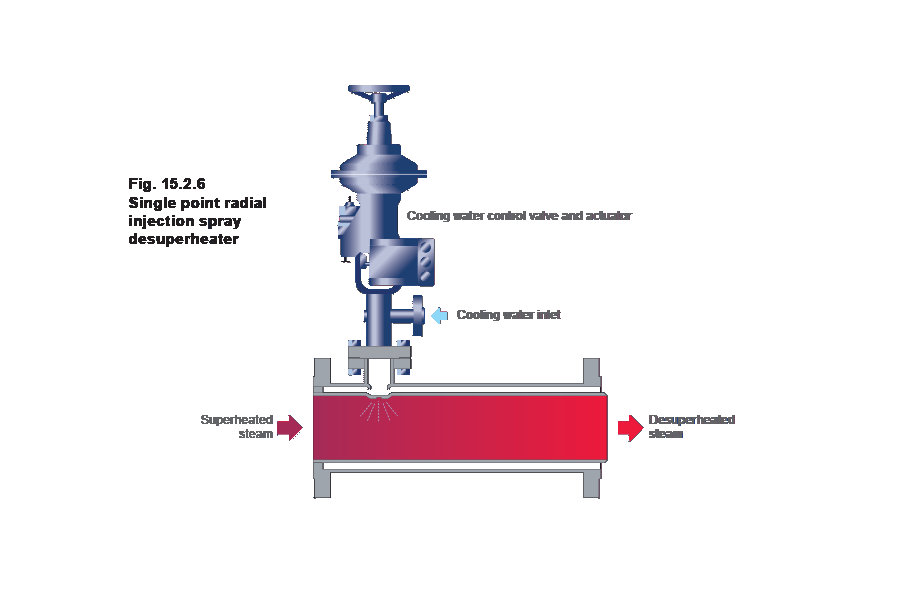
- Cooling water passes through a nozzle fitted on the steam pipe.
- The nozzle changes the water into tiny bits that scatter evenly through the steam flow.
- A control valve sets the precise water quantity. It does so based on temperature measurements taken farther along the line.
- The steam moves those droplets down a straight pipe section. This area must be long enough, usually 10 to 20 feet or greater, for complete evaporation.
- After the water fully becomes vapor, it mixes with the steam. The total flow mass grows slightly. Meanwhile, the overall temperature decreases.
This direct mixing method keeps operations simple. It skips the need for big heat exchangers. Pressure drop remains small. The system responds fast to changes in load.
Effective results rely on a few key elements. The nozzle has to produce small enough droplets. Proper mixing from turbulence aids the process. Reliable sensors and controls ensure accuracy.
If the droplets end up too big, they do not evaporate fully. That might cause wear or damp spots later in the line. But when all parts work together right, the steam exits at the needed temperature.
Why Industrial Processes Need Desuperheating
Desuperheaters fix three usual problems that appear often in factories.
First, they improve heat transfer rates. Steam near saturation releases its latent heat quickly on a heat exchanger surface. Superheated steam takes extra time to cool first. So, the process drags on.
For example, in a chemical plant heating a reactor jacket, desuperheated steam can cut heating times a lot. It might also let you use smaller gear.
Second, desuperheaters deal with issues from pressure drops. Many setups reduce steam pressure via a valve to fit lower needs downstream. That reduction often creates more superheat. Without fixing it, the steam shows up hotter than wanted. It cuts heating power and burdens equipment.
A desuperheater placed just after the pressure-reducing valve holds conditions steady. It keeps things predictable.
Third, they guard important downstream gear and pipes. Too much heat leads to thermal strain, metal stretching, seal breaks, and even splits in heat exchangers or turbines.
In power plants, turbine bypass lines use desuperheaters during startups or quick shutdowns. They release extra steam safely. This avoids overheating the condenser or linked pipes.
Food processing and pharmaceutical sites gain from this too. Steady lower temperatures stop product burning or harm to delicate machines.
Look at a case from a refinery. Their steam tracing for heavy oil lines kept causing pipe swelling and insulation breakdowns. The steam ran too hot. After adding a spray-type desuperheater, temperatures fell by around 150°F. The problems vanished. Energy use dropped because the steam condensed better in the tracers.
This pattern shows up in power generation, chemical processing, pulp and paper, and other fields. Solid desuperheating brings tighter control. It cuts maintenance. And it boosts overall dependability.
Types of Desuperheaters and Key Considerations
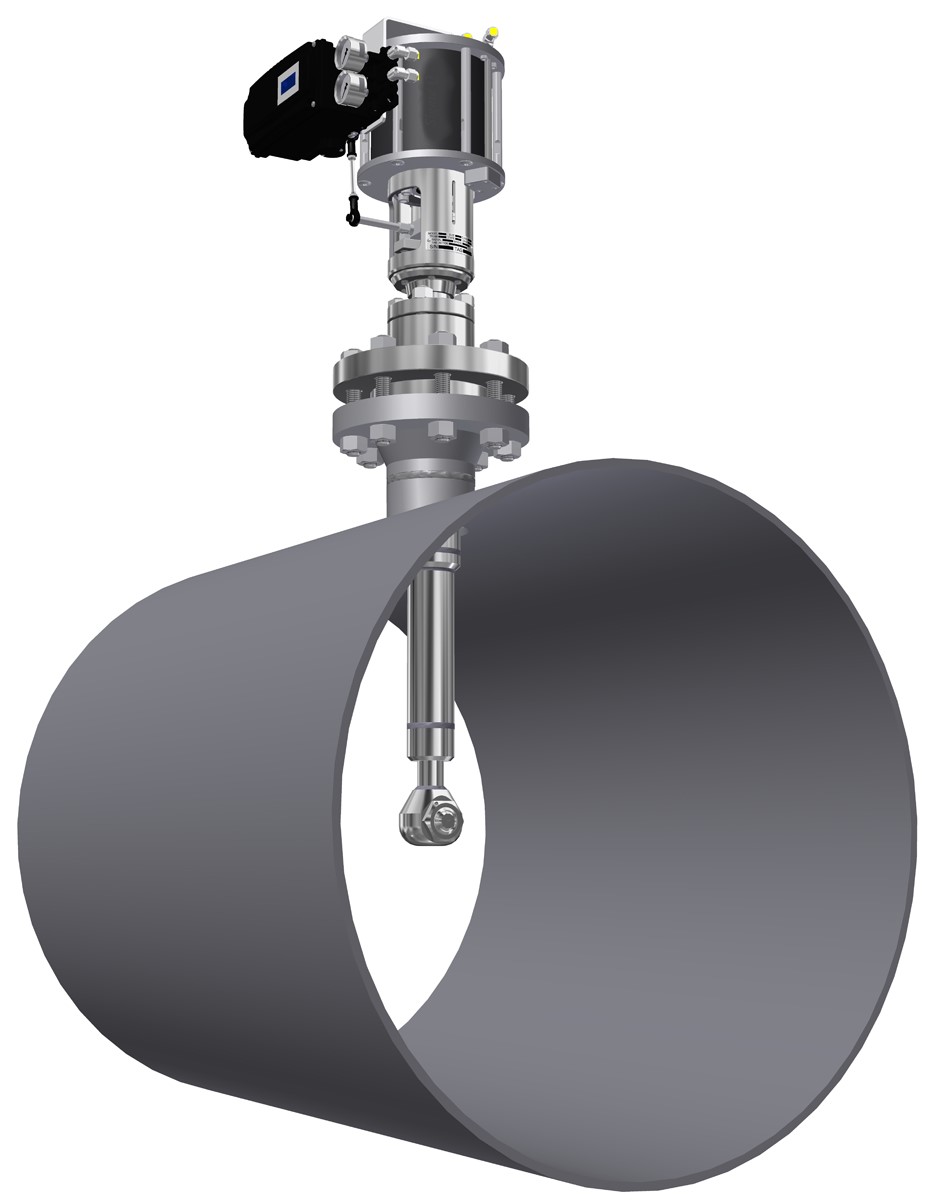
Water spray types stay common due to their ease and small pressure loss. In single-point radial injection, water comes in via a nozzle on the pipe wall. A valve at the spray spot controls the flow.
Some versions have several nozzles or venturi designs to better mix under varied conditions.
When picking a desuperheater, engineers consider several things:
- The complete range of steam flows and the turndown the unit must cover
- How near the final temperature must get to saturation
- The available water pressure and its purity
- Pipe size and the straight pipe length after the injection spot
- Any restrictions on noise or shaking
Proper sizing matters a great deal. A unit that is too tiny cannot handle top flows. One that is too big might spray poorly at low loads. Many plants now pair the desuperheater with a control valve in one unit. This combination offers better regulation of both pressure and temperature.
Benefits That Show Up on the Bottom Line
Plants that manage desuperheating well see several clear gains:
- Stronger thermal efficiency in heat exchangers and other processes
- Fewer risks of sudden gear failures and surprise stoppages
- More precise process settings, which usually lifts final product quality
- At times, less total steam use due to better heat application
- Extended life for valves, pipes, and tools that face steam
With energy prices holding high and reliability rules getting tougher, these gains build up fast.
Introducing Miwival – Your Flow Control Partner
Miwival acts as a trusted single-source provider of valves, actuators, and add-ons. The firm specializes in flow control options. It offers a wide selection that covers control valves, ball valves, butterfly valves, gate valves, and others.
Their goods emphasize quality, fair prices, and reliable action. Many products leave the warehouse in two weeks. Technical help is on call day and night. Skilled workers and partners give close focus to each client’s requirements.
For steam uses, Miwival supplies solid desuperheaters made for fit and long use in hard industrial spots. Whether you want basic models or tailored ones, the group assists in picking the best gear to keep work safe and effective.
Conclusion
Steam desuperheating tends to work quietly in the background. Yet it strongly affects efficiency and steadiness in many industrial tasks. By injecting finely split cooling water that vaporizes and removes heat, a strong desuperheater tames superheated steam. It enhances heat transfer. It stabilizes settings after pressure shifts. And it shields costly gear from too much heat.
Grasping these basics aids in smarter system planning and routine handling. If your site deals with steam, checking your desuperheating method now could uncover fast ways to boost output and trim expenses.
Go ahead and check out more in-depth pieces on certain uses, correct sizing steps, or ways to link these units with larger control setups.
FAQs
What exactly is a desuperheater and how does it cool steam?
A desuperheater is a tool that reduces the temperature of superheated steam. It works by injecting a managed amount of cooling water into the steam stream. The water turns to vapor almost at once. It draws heat from the steam. This brings the temperature nearer to the saturation point.
Why do processes need desuperheaters instead of just using saturated steam straight from the boiler?
Many boilers make superheated steam to aid turbine work or for other purposes. But plenty of downstream tools perform best with steam close to saturation. Desuperheaters adjust the temperature after pressure changes or other steps. They avoid waste and guard equipment. At the same time, they supply the exact conditions the process wants.
Can a desuperheater handle varying steam loads?
Most solid designs feature control valves. These adjust water injection using real-time temperature data. This allows a broad operating span. The device works fine at full plant output. It also handles lighter loads and startup times.
What are the main benefits of installing a desuperheater in a steam system?
It increases heat transfer rates. It safeguards pipes and gear from high heat. It maintains steady conditions after pressure cuts. Often, it lowers energy needs and upkeep tasks.
How do I know if my steam system could benefit from better desuperheating?
Look for signs like irregular heating in exchangers. Check for hot areas on gear. Note if steam use runs higher than planned. Or see if temperature alerts pop up often after pressure stations. A chat with a flow control expert can point out helpful changes.


 consult
 WHATSAPP
 leave message
 top
top