
Flanged Floating Ball Valve Maintenance: Best Practices for Extended Service Life
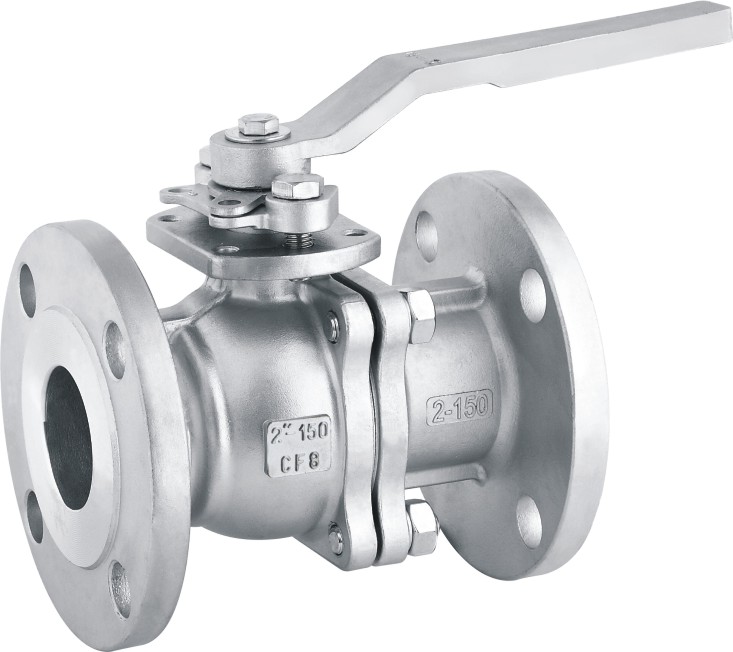
Picture yourself on the catwalk in a busy chemical plant around two in the morning. You notice a small drip right under the pipe. That tiny leak from a flanged floating ball valve can snowball fast. It might mean lost product, a real safety worry, or even force a complete shutdown.
These valves pull heavy duty. They manage isolation jobs and control flow in all sorts of tough spots. Give a flanged floating ball valve regular attention, and it can keep going strong for ten to fifteen years or longer. Skip the simple stuff, though, and you end up with scratched seats, drips from the stem, or a valve that fights you when you try to turn it. This piece walks through down-to-earth steps that help your flanged floating ball valves stay dependable, cut unplanned stops, and stretch their useful years.
Why Proper Maintenance Matters for Flanged Floating Ball Valves
Flanged floating ball valves perform well where you need a firm shutoff and smooth handling. The ball sits loose between the seats. Pressure from the line presses it hard against the downstream seat to form a good seal. This setup handles sizes from 2 inches up to 12 inches pretty nicely. It also manages pressure classes all the way to ASME 2500.
Even so, the floating style has some weak points. Dirt, big temperature shifts, and valves that sit idle for weeks can create headaches. Leave one untouched in a bypass line for months, and it may jam or stick exactly when you need it most. Steady care stops little glitches from becoming costly fixes. It also keeps the whole operation safer and steadier day after day.
Understanding Your Flanged Floating Ball Valve
Learn the valve inside out before you touch any tools. Most use carbon steel or stainless steel for the body. Seats often come from flexible stuff like RPTFE or PEEK. They usually handle temperatures from -46°C up to 343°C without much trouble.
Lots of these valves include live-loaded packing fitted with Belleville washers. Those springy washers tweak themselves when heat or cold hits. The packing gland works separately. That means you can snug up the stem seals without pulling the actuator or handwheel off. Seats have relief slots that vent trapped pressure. They also carry positive preloading so the valve seals nicely even at low pressure or vacuum. Fire-safe models add graphite stem seals for better protection around hydrocarbons.
Routine Inspection Schedule That Actually Works
Don’t make it complicated. Plenty of plants get solid results with a straightforward schedule that fits the valve’s workload.
Daily or per-shift checks (for high-cycle or critical service):
- Take a quick look for leaks near the stem, flanges, or body connections.
- Listen closely for odd noises while the valve opens and closes.
- Check that the handle or actuator still moves easy through its full 90-degree turn.
Monthly visual and mechanical checks:
- Wipe the body and flanges clean. This clears away grime that might cover up rust.
- Test the bolt torque on the body and packing gland. Stick to the maker’s suggested numbers.
- Cycle the valve open and closed a few times. It keeps things from seizing up.
Quarterly deep inspection:
- Run a seat leakage test with the valve closed. Use API 598 steps if you can.
- Inspect the packing and tweak it if it has loosened.
- Examine flange gaskets for any signs of seepage or wear.
One refinery crew added a fast monthly torque check on the packing glands. They dropped stem leaks by over 60 percent inside the first year. Those small routines really pile up benefits over time.
Cleaning and Lubrication Best Practices
Gunk and particles quietly wreck floating ball valves. Sand, scale, or thick polymers can gouge the seats and cause the ball to catch.
Always shut off the line and bleed the pressure first. Safety rules everything here.
When the system lets you, flush the valve while it stays wide open. That sends loose bits right on through instead of letting them pile up. For sticky buildup, break the valve down carefully and follow the correct order. Wipe the seats and ball with a soft rag and a safe cleaner. Stay away from rough stuff that could scratch the sealing faces.
Spread a thin layer of matching lubricant on the ball and stem only if the manual calls for it. Pile on too much grease in some lines, and it just draws in extra dirt.
Avoid parking the valve halfway open for long stretches. That spot lets the ball edge dig into the soft seat and wears it down quicker.
Stem Packing and Seal Maintenance
Drips from the stem top the list of headaches. The nice part is many flanged floating ball valves ship with live-loaded packing that handles most temperature swings on its own.
When adjustment time comes, close the valve and confirm zero pressure in the line. Loosen the gland nuts just a bit. Tighten them gradually, maybe a quarter turn each time, while you test how smooth the turn feels. Quit once the drip stops. Cranking them too tight only bumps up the effort needed and shortens the packing’s life.
Swap out the packing during scheduled downtime if it looks overly squished or the valve has seen more than 5,000 cycles. Pick the right size and type every time. Graphite holds up better when things run hot, for instance.
Flange Connection Care
Flange leaks often trace back to how the valve got put in rather than the valve itself. While you work on maintenance:
- Look over the flange faces for nicks, pits, or leftover gasket bits.
- Install brand-new gaskets whenever you open the joint. Choose the style that fits the pressure—spiral wound ones work well for higher ratings.
- Tighten bolts in a crisscross order using the right torque specs. Uneven pull can bend the flange and open leak spots.
In chilly regions, cold weather makes bolts loosen over the winter months. A fast torque check come early spring has headed off plenty of unexpected drips.
Troubleshooting Common Issues
Here’s a simple table that covers the troubles you bump into most:
|
Issue |
Likely Cause |
Quick Fix |
Prevention Tip |
|
External stem leak |
Loose or worn packing |
Adjust gland or replace packing |
Monthly torque check |
|
Seat leakage |
Debris, damaged seat, or wear |
Clean or replace seats |
Regular cycling and flushing |
|
Hard to operate |
Buildup or misaligned stem |
Clean internals, check alignment |
Operate valve monthly if idle |
|
Flange weep |
Loose bolts or damaged gasket |
Retorque or replace gasket |
Proper initial installation |
|
Ball won’t seat fully |
Trapped pressure or debris |
Depressurize and cycle several times |
Use relief-slot seat designs |
If the basic moves don’t clear it up, pull the valve for a full shop job. Many plants stock spare seats and packing sets so repairs wrap up quicker.
When to Consider Full Disassembly or Replacement
Not every valve heads to the shop right away. But watch for these clear signals:
- Leaks keep showing up even after you adjust the packing.
- Corrosion shows plainly on the ball or body.
- The torque needed to turn the valve has doubled from when it was new.
- The valve has logged more than ten years in rough service.
During teardown, mark the bolt spots so reassembly lines up right. Change out all the soft pieces—seats, seals, and gaskets. Scrub the metal parts clean and hunt for any erosion. Swap in fresh hardware where it counts.
Introducing Miwival – Your Partner in Flow Control
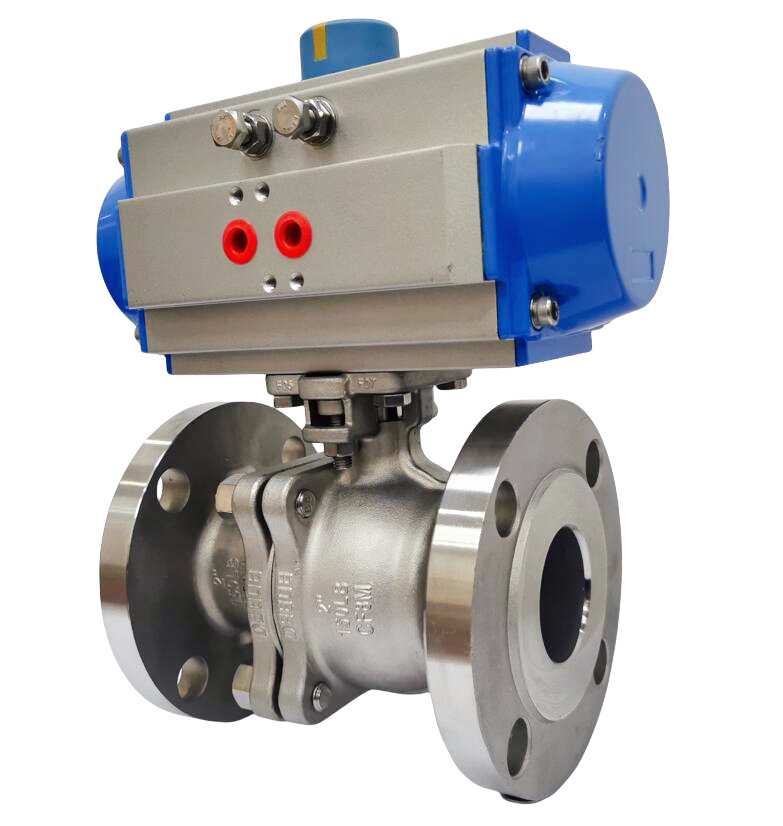
Miwival serves as a reliable supplier of valves, actuators, and accessories built for everyday toughness. They put real weight on quality, fair pricing, on-time shipping, and solid customer help. Their flanged floating ball valves carry that same practical mindset.
These valves include live-loaded packing, straightforward access for upkeep, and sturdy materials that stand up to wide swings in temperature and pressure. Whether you need support for a single unit or a complete setup, Miwival’s crew offers personal help and speedy answers. They often ship standard items in about two weeks and keep support online around the clock. Lots of plants like the convenience of one-stop shopping plus staff who truly get the challenges of flow control.
Conclusion
Looking after your flanged floating ball valves doesn’t call for fancy gear or tricky routines. Regular walk-bys, smart cleaning, on-schedule packing tweaks, and careful flange work add up to many years of steady performance. Facilities that fold maintenance into normal operations face fewer sudden crises, spend less cash overall, and build a stronger safety record.
Begin with something small. Choose one set of valves at your site and stick with these steps for the next three months. Track any drops in leaks and note how easy the handle turns. You will probably spot the difference sooner than you think.
FAQs
How often should I inspect a flanged floating ball valve?
For ordinary process lines, monthly quick looks plus quarterly torque and leak tests usually cover it. Critical spots or valves that cycle nonstop may need more frequent checks. The point is spotting small troubles before they halt production.
What causes the most common leaks in flanged floating ball valves?
Worn stem packing and loose flange bolts sit near the top. Live-loaded setups help plenty, but you still want to check torque now and then. Particles on the seats can also keep the valve from closing fully and start internal leaks.
Can I operate a flanged floating ball valve in a partially open position?
It pays to skip throttling for extended runs. Leaving it partway open can chew up the seat edges pretty quick and cut the valve’s life short. Most folks use these mainly for straight on/off blocking.
How do I know when it’s time to replace the seats in my flanged floating ball valve?
Rising torque, clear damage spotted during inspection, or leaks that return after cleaning usually point to new seats. Many crews swap them during big outages as a smart preventive move.
What makes flanged floating ball valves from Miwival a good choice for long-term reliability?
Miwival puts together these valves with handy details like separate packing glands, self-adjusting live loading, and tough materials that manage different conditions without much fuss. Their emphasis on service and fast help cuts down on those annoying maintenance surprises year after year.


 consult
 WHATSAPP
 leave message
 top
top