
How to Select the Right Valve Actuator for High-Temperature Applications
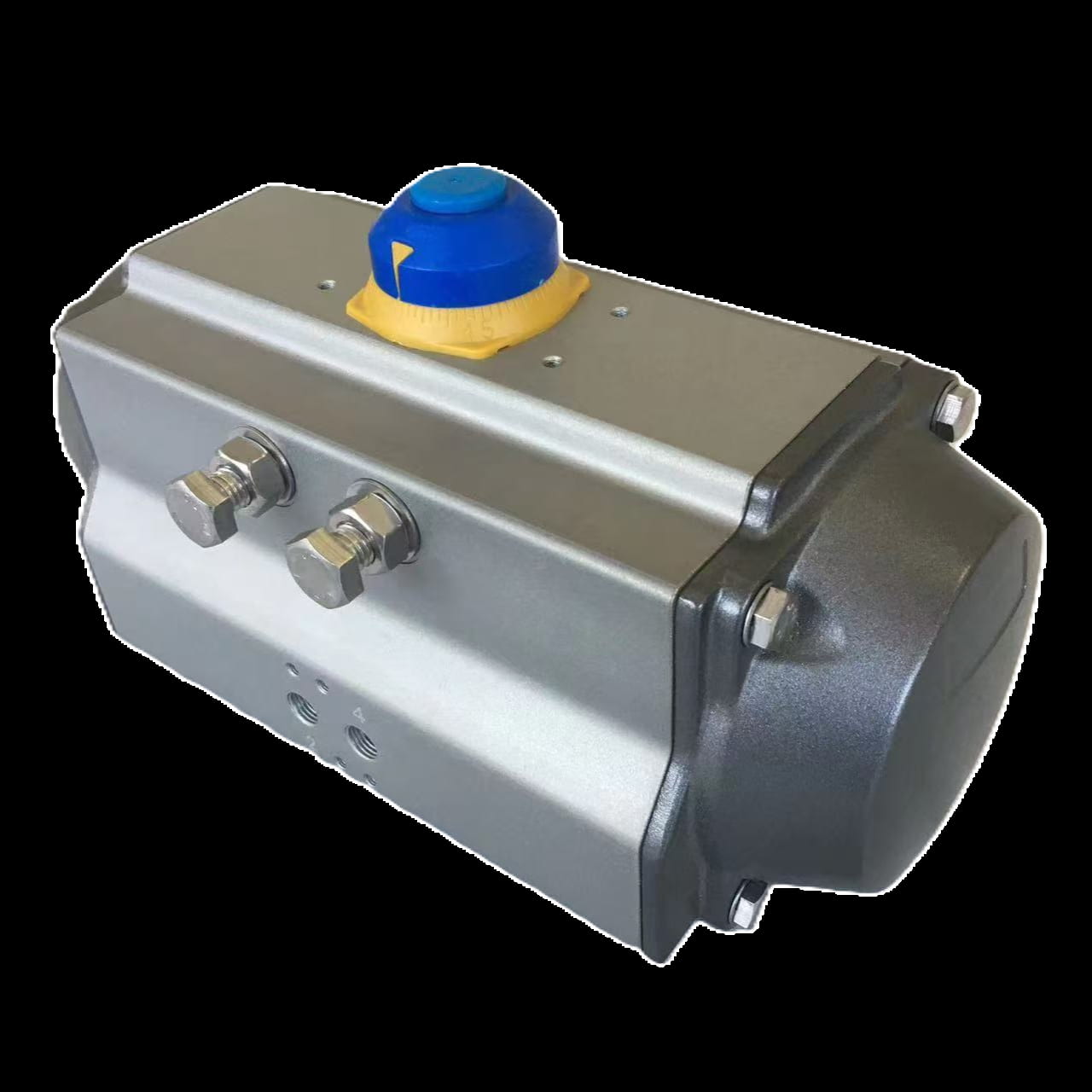
Picking the best valve actuator for hot conditions matters a lot in factory automation. This is true in areas like power plants, chemical processing, and steam lines. In these places, actuators face very high heat. Such heat can cause material wear, loss of insulation, and reduced work quality if the design is not right. Choosing the proper actuator affects how well the system runs, how safe it is, and how often it needs fixes. For example, an actuator in a power plant has to handle long heat exposure. At the same time, it must keep the valve in the exact spot to control steam flow well. Designs for hot actuators need to tackle issues like heat tolerance, seal strength, and part dependability. This way, they can work steadily in tough settings.
What Factors Should Be Considered When Choosing a Valve Actuator for High-Temperature Applications?
Engineers need to look at key details before picking a steam valve actuator or any for power plant setups. These details help ensure steady performance over time.
Temperature Resistance and Material Selection
Handling heat is the top concern for actuators in hot places. The parts like housings, shafts, and seals must stay strong under long heat exposure. Stainless steel types are often chosen because they resist rust well and keep strength in heat. Lighter aluminum mixes with special covers work too when cutting weight is key. Also, how materials expand with heat affects how exact the actuator is and how well seals hold. If parts expand at different rates, leaks or wrong positions can happen during use. So, picking materials that stay stable in heat keeps sizes steady. It also ensures good turning force even when temperatures change.
Environmental Conditions and Operating Demands
Surroundings play a big role in how long an actuator lasts. Experts should check heat levels around it, wetness in the air, and risks from harmful gases or bits of dirt. For setups outside, like in oil plant steam pipes or turbine rooms, guarding against dust and water buildup is important. The work cycle matters too. That is, how often it runs. Heat plus repeated use wears out bearings and seals faster. Actuators built for constant work with extra insulation and heat-releasing covers last longer in hot use. They beat basic models in tough spots.
Compatibility with Valve Types and System Requirements
The actuator must fit the valve type well to get the best control. Its turning force needs to meet or beat what the valve demands under full pressure. Steam setups use gate, globe, ball, or butterfly valves. Each one needs certain force levels and movement patterns. Plus, linking to the plant’s control setup relies on signal matches. This could be electric for adjusting or simple on/off, pneumatic with air pressure, or hydraulic with fluid power. A good connection lets the actuator talk smoothly to main control units. Thus, it regulates flow just right.
How Do Different Actuator Types Perform in High-Temperature Environments?
Actuator kinds like electric, pneumatic, or hydraulic each bring their own strengths to hot systems. The best one depends on the job at hand.
Electric Actuators for High Heat Conditions
Electric actuators suit spots needing exact valve control. But their work in heat relies on good insulation in motor wires and electronic bits. Wires with heat-safe covers like silicone rubber or Teflon stop electrical breakdowns. Cooling tools such as heat spreaders or air blowers can help keep inside temperatures down during steady runs. These actuators fit automated setups where fine adjustments matter more than heat limits.
Pneumatic Actuators in Steam and Power Plant Operations
Pneumatic actuators work great in steam lines. They have a basic build and few electronic parts that heat can harm. They run well in high outside heat since squeezed air powers them and cools at the same time. Yet, air cleanliness is key. Water or dirt can slow reactions and raise rubbing losses in the cylinders. In power plants where steady work is vital, these designs give quick responses and strong action through heat changes.
Hydraulic Actuators for Heavy-Duty Applications
Hydraulic actuators give huge turning force for big valves in boilers or main steam lines. How well they stay steady depends on keeping fluid thickness across heat shifts. So, choosing fluids that hold up in heat stops slow moves from thin fluid or seal breaks from high pressure. Strong seals from tough rubber types boost heat endurance. They stop leaks during pressure swings.
Why Is Torque Calculation Critical in High-Temperature Valve Applications?
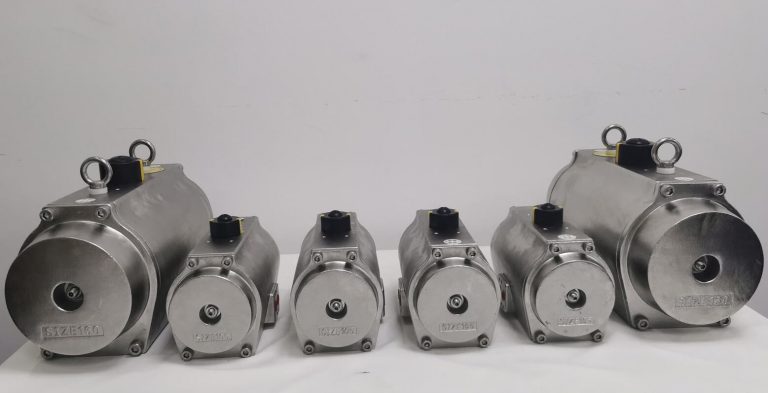
Right torque figuring makes sure actuators supply enough push without harming parts. This is key in hot process heat.
The Relationship Between Torque, Pressure, and Temperature
When heat goes up, rubbing levels in valve parts can shift from material growth or oil getting thinner. This change impacts the force needed to run the valve well. If torque is guessed too low, the valve may not close fully or gears wear out fast. Guessing too high wastes power or breaks parts. Safety extras should cover growth from heat that changes how hard the stem moves in heat periods.
Methods for Accurate Torque Estimation
Good torque figuring mixes maker info with real tests in fake work conditions. Fixes must include shifts in oil traits from heat since oils break down quicker in warmth. Modern digital watchers can track live torque during runs. This lets workers tweak settings as surroundings change.
How Can Maintenance Practices Extend the Life of High-Temperature Actuators?
Good maintenance plans boost how reliable hot actuators are in power plants.
Lubrication Strategies for Extreme Temperatures
Oils made for harsh spots fight breakdown and keep a strong layer past 200°C. Checking oil often stops burnt bits from building up. Such buildup can slow movement or raise rubbing between parts.
Inspection and Calibration Procedures
Regular checks spot early wear like hard seals or colored bearings from too much heat. Routine tuning keeps force steady despite heat ups and downs over time. Eye checks on wire links stop contact issues from cracked covers under long heat strain.
Why Is Miwival a Reliable Partner for High-Temperature Valve Actuators?
Miwival stands out as a solid supplier of factory automation parts. These parts are built for tough spots like oil refineries and power stations. Their range covers electric, pneumatic, and hydraulic types. They are tuned as steam valve actuators to hold steady across broad heat levels. Every Miwival item goes through strict tests that mimic real heat stresses. This checks endurance before shipping. So, buyers get gear made for lasting work in extreme setups.
Conclusion
Choosing the right hot actuator means weighing tech points like material strength against heat bends, matching torque to needs, fitting surroundings, and easy upkeep. When picked well, these tools aid safety by avoiding surprise stops. They also improve power use in key jobs like those in power plants or steam lines.
FAQs
What is the ideal actuator type for steam valve applications?
Electric or pneumatic actuators are common choices. The pick depends on control needs and heat limits.
How often should high-temperature actuators be inspected?
Checks every six months are advised. But the rate can change based on run time and exposure.
Can standard actuators be modified for high-temperature use?
Yes. Upgrades to seals, oils, wire covers, and paints can adjust basic units. Still, built-for-purpose ones often last better over time.


 consult
 WHATSAPP
 leave message
 top
top