
Choosing the Right BFV Butterfly Valve for Your Industrial Needs
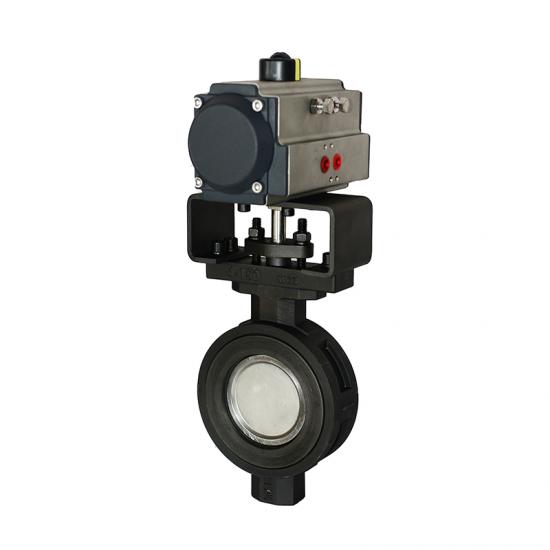
Industrial processes rely on control valves to manage flow, pressure and safety by controlling fluid via a network of pipes and process units. Within these applications the use of a simple, cost effective valve to control the flow of fluid through a pipe is often a Butterfly Valve (BFV). The simple form of the Butterfly Valve, with its basic form of a disk, mounted on a shaft in the center of a tapered bush, in a simple cast body, makes it one of the easiest valves to operate. Selecting the correct Butterfly Valve from the choice extends beyond simple price or size, since critical factors must be matched, including, suitable materials, pressure rating, flow characteristics and the cost of life cycle maintenance. As stated in a report released by MarketsandMarkets in 2023, the global butterfly valve market is projected to reach USD 14.2 billion by 2028 from an estimated USD 10.4 billion in 2023, growing at a CAGR of 4.8% during the forecast period. This increase is due in part to the rise in oil & gas, water & wastewater treatment and chemical processing applications.
What Factors Should Be Considered When Selecting a BFV Butterfly Valve?
When selecting a BFV industrial butterfly valve, several important technical criteria must be considered.
Material Compatibility with Process Media
Step 1: Ensure that the body and disc of your valve are made of suitable material for the process media in order to avoid any risk of corrosion or other type of damage. The most widely used material for general water service is ductile iron, which offers a very good cost-performance ratio. For chemical services, such as those found in chemical plants, using stainless steel is ideal as it provides excellent resistance to corrosion at high temperatures. PVC is often used for light duty or for low pressure services. The elastomer used for the seat ring also has to be suitable for the service, EPDM being very suitable for water-based services, NBR for oil services and PTFE for very aggressive chemical services. Using the wrong material for the fluid can lead to premature wear or even leakage.
Pressure Rating and Temperature Range
Every butterfly valve is designed within a specific pressure class such as PN10 or PN16, defining its safe operating limits. For example, a PN16-rated valve can handle higher pressures than a PN10 model. High-temperature services—like steam lines—require metal-seated valves instead of rubber-lined ones since elastomers may deform under heat. Choosing an incorrect rating can lead to structural stress, leakage, or even catastrophic failure under extreme conditions.
Flow Control Characteristics
Flow performance is another critical parameter when selecting valves. Flow coefficient Cv describes the amount of fluid which can flow through a valve at a given pressure difference. In case of throttling applications where precise control is required (e.g. cooling water circuits), the angle of the disc has to be optimized in order to guarantee stable flow and to avoid cavitation as much as possible. Before the actual installation, the performance of the valve can be simulated using so-called Computational Fluid Dynamics (CFD) models.
How Do Different Types of Butterfly Valves Compare in Industrial Applications?
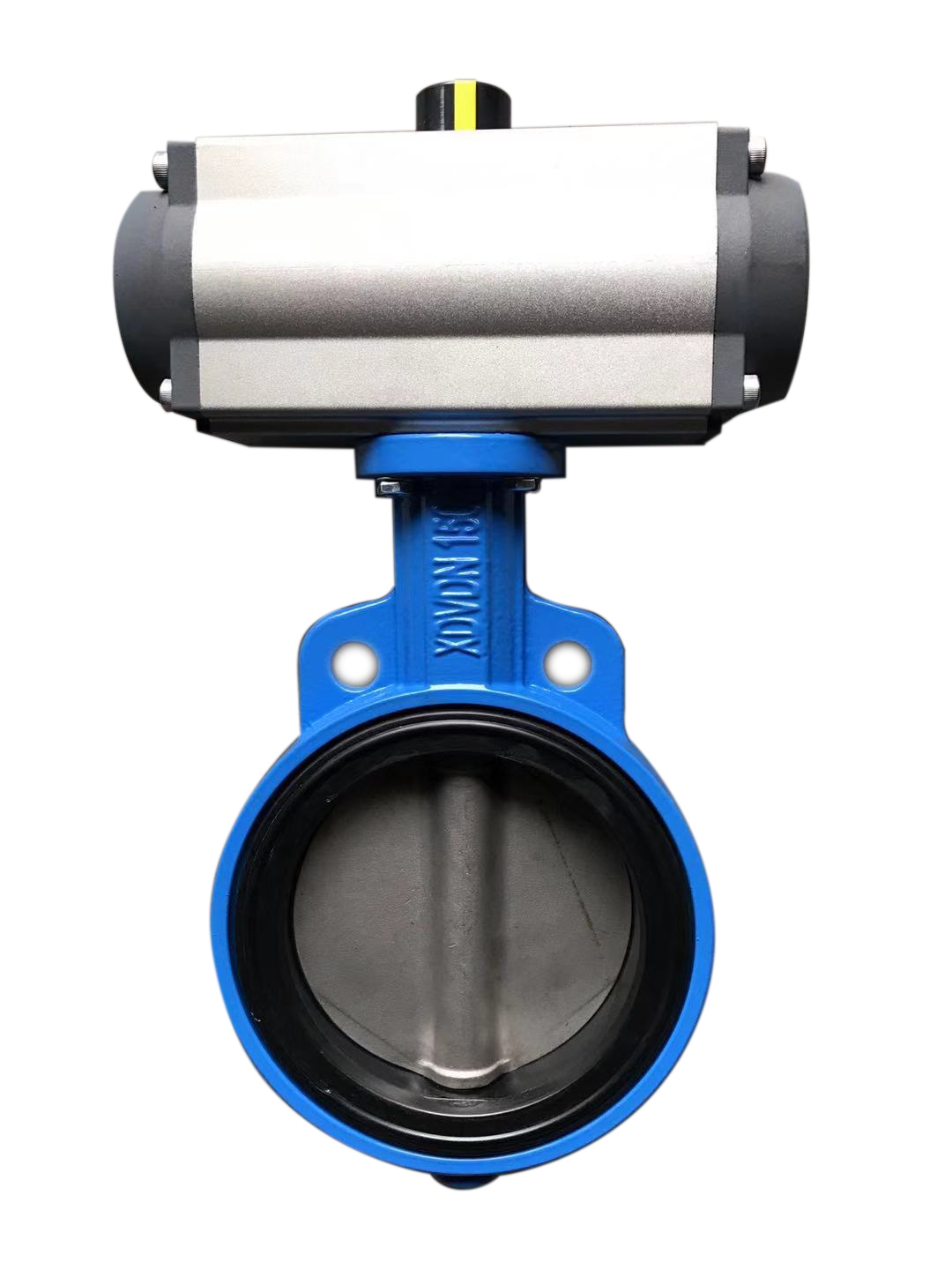
BFV butterfly valves are available in a variety of configurations, and each can fulfill specific requirements, based on the specific application, and the physical layout of the plant as well as maintenance requirements.
Lug-Type vs Wafer-Type vs Flanged Designs
Lug-type BFVs have threaded inserts to allow for one-side disassembly of piping without affecting downstream piping. This type of design is well suited for applications that require frequent maintenance or even allow for modular isolation of sections of piping. Wafer-type designs are lighter and more compact than other designs of BFVs. They are typically used for low to medium pressure applications where space is a problem. Flanged-end butterfly valves are used to provide a tight seal in large diameter pipes used in municipal water distribution and in power plant cooling water distribution.
Manual vs Actuated Operation Modes
Operation mode can affect both the level of convenience offered by a valve as well as the degree to which it is automated. Manual operation by means of a lever or by gear can be very simple and reliable for infrequent use, for example for emergency shut down. Pneumatic or electric actuators on the other hand can be operated from a central control room by means of a panel. Automated facilities, such as refineries and wastewater treatment plants, greatly benefit from such a setup. However, the accuracy of these actuators can decline over time and must then be recalibrated.
Why Is Proper Sizing Critical for Performance and Efficiency?
The sizing of valves can have a direct impact on efficiency, energy consumption and the mechanical life of components and systems.
The Impact of Oversizing or Undersizing Valves
An oversized valve is generally operated in the near closed position and, due to the associated high levels of turbulence, tends to promote excessive wear on the valve discs and seats. Conversely, an undersized valve restricts the flow capacity of the valve and puts the associated pump under excessive pressure causing increased operating costs and premature wear.
Methods for Accurate Valve Sizing
Sizing pipes accurately is done using formulas that give the required size to match a specified flow, pressure drop and fluid. Many engineers rely on pipe flow software, like AFT Fathom, or use tables and charts like those found in the Crane TP410 to calculate required sizes before purchasing.
How Do Installation and Maintenance Practices Affect Longevity?
Even the best designed BFV butterfly valve can fail premature if it is not installed or serviced correctly.
Installation Considerations for Optimal Performance
Proper flange alignment will ensure smooth running of the discs without interference, Over torquing of the bolts can cause damage to the body of the hub or cause the gaskets to be compressed unevenly, resulting in leakage when put under pressure.
Routine Inspection and Maintenance Tips
Regular checks can identify early signs of seat hardening or seal deterioration due to temperature effects. Moving parts should be lubricated as per the manufacturer’s instructions to avoid torque being stuck due to lack of lubrication which could affect actuation performance in service.
What Are the Cost Implications Across the Valve Lifecycle?
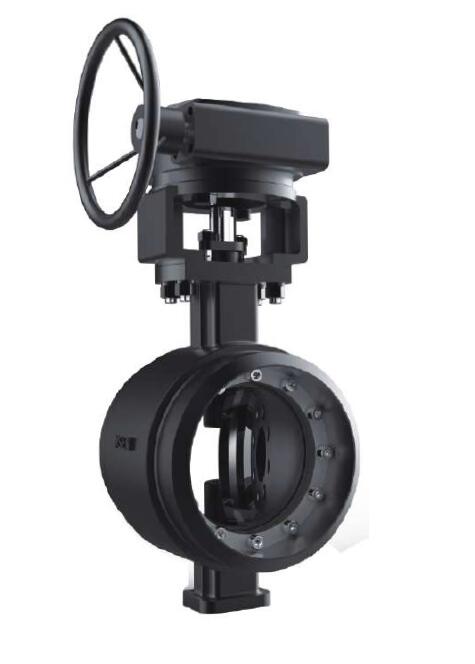
Lifecycle cost analysis helps balance upfront investment against long-term reliability.
Initial Investment vs Long-Term Operating Costs
Initial cost for metal-seated valves are higher than other types of valves but provide extended life in abrasive applications such as slurry applications. Long-term energy savings are provided by maintaining tight shutoff and minimizing leakage losses over long periods of time.
Evaluating ROI Based on Application Demands
Downtime in continuous process industries like Petrochemicals can cost up to 10-15 times the cost per hour of the related equipment, as outlined by Emerson Process Management. High quality durable valves can generate considerable ROI by preventing unwanted shut-downs and reducing the necessity for costly maintenance.
How Does Miwival Support Industrial Clients with Reliable Butterfly Valve Solutions?
Butterfly valves from Miwival – high quality industrial valves. Available in Wafer-type, Lug-type, Flanged-end and Triple-offset versions for use in power plants, ships, HVAC systems, processing lines for chemical industry etc. We support our customers by engineering their specific demand by precise size calculation and material selection according to the customer’s process data sheet (P&IDs). All products are 100% hydrostatically tested before shipping according to ISO 5208. Spare parts are available and our engineers are ready to support on site inspection upon request. We guarantee long-term and reliable operation of our products.
Conclusion
Choosing the right BFV butterfly valve depends on a variety of criteria with technical parameters being as important as actual application as well as factors that impact the total cost of ownership. For processes that strive for greater efficiency, decisions regarding engineering using data can be crucial and have long-term effects. When selecting a supplier experienced in the field, having access to test reports transparently published by the supplier himself gives a good feeling during the purchasing process. A butterfly valve selected with care thus protects the overall system while saving energy and ensuring a stable process.
FAQs
What does “BFV” stand for in industrial terminology?
BFV refers to “Butterfly Valve,” which is a quarter-turn device used to regulate liquid or gas flow within pipelines efficiently.
How can I determine if a soft-seated or metal-seated design suits my application?
Soft-seated designs suit low-pressure water or air services; metal-seated types perform better under high-temperature or abrasive conditions where durability is key.
Are butterfly valves suitable for throttling applications?
Yes—but only specific disc geometries designed for throttling should be used; otherwise cavitation might occur at partial openings leading to vibration issues.
How often should industrial butterfly valves be serviced?
Inspection intervals usually range between six months to one year depending on factors like operating temperature swings or exposure to corrosive chemicals.
Can Miwival provide customized valve solutions?
Yes—Miwival offers tailored configurations including special coatings, actuation packages, and material combinations built around unique process requirements while maintaining international compliance standards.


 consult
 WHATSAPP
 leave message
 top
top