How CBAM Is Changing Valve Procurement for Industrial Projects in 2026

CBAM is changing how importers of industrial valves in Europe buy these products in 2026. Even though finished industrial valves might not be the regulated product itself, many of these products are made of steel or stainless steel, castings, forgings, flanges, fasteners, etc. and thus are subject to carbon documentation as part of technical procurement. Hence, buyers of industrial valves need more than just pressure rating and prompt delivery in 2026. They need customs classification, material traceability, embedded-emissions data, supplier’s cooperation, and a view on low carbon manufacturing.
Why does CBAM matter for valve procurement in 2026?
The main change here is that the carbon data is moving from the sustainability teams to be used by purchasing, engineering and customs work. So for example Valve buyers serving EU projects will need to treat CBAM as a supply-chain risk issue rather than just as a tax.
Which CBAM rules should valve buyers know?
The EU Carbon Border Adjustment Mechanism entered its definitive regime from January 1, 2026, after a transitional reporting phase from October 2023 to December 2025. Its initial scope covers selected goods in cement, iron and steel, aluminium, fertilizers, electricity, and hydrogen. Importers of covered goods generally need authorized CBAM declarant status, subject to current exemptions and procedures.
Are finished valves directly covered by CBAM?
Finished valves are often classified under a customs heading outside of the initial list of goods subject to additional tariffs under CBAM. Thus, just because a valve is subject to CBAM does not mean that immediately every valve becomes a CBAM good. However, steel and aluminum inputs, as well as replacement parts, flanges, fittings, etc. for in progress valve projects, as well as potential future downstream scope for CBAM, can drive cost as well as required documentation for buyers and their suppliers. Therefore, one must start with the CN code at import, then look at the material bill and then the customer contract.
How is CBAM changing industrial valve supplier evaluation?
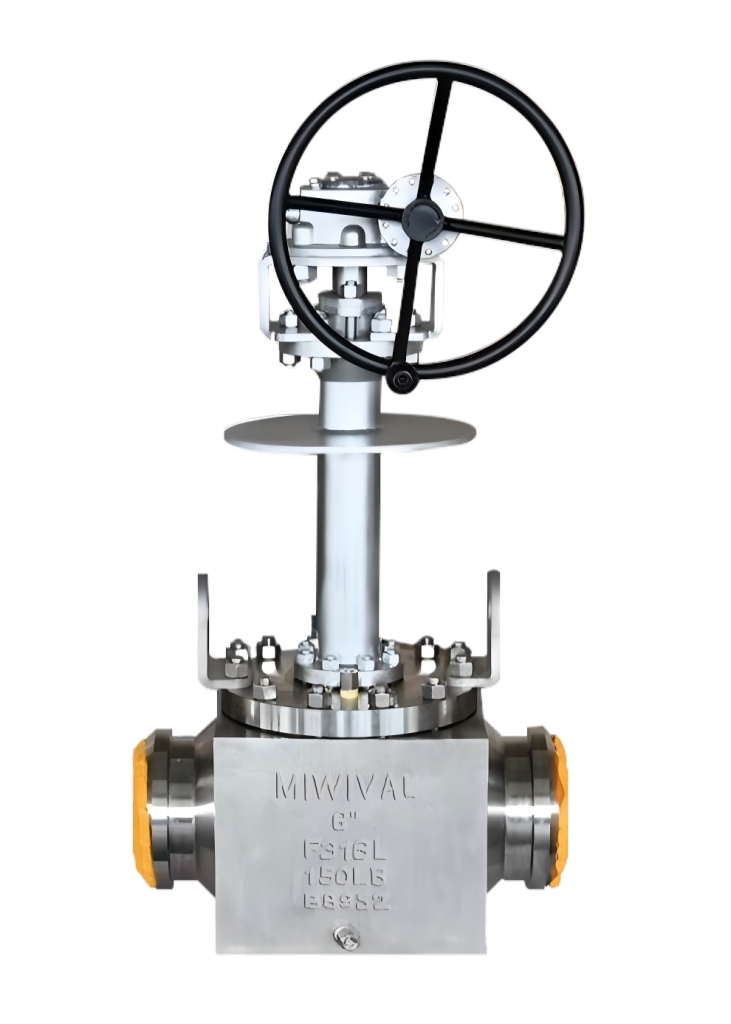
When carbon questions are added to normal quality and delivery checks the supplier is expected to be able to answer these, whether or not their technically suitable valve is being considered. So if they are unable to answer these quotation approval may be delayed.
What documents should suppliers be ready to provide?
Material certificates with heat numbers for cast or forged parts, where they were made, and details on weight by material and country of origin, customs tariff numbers, where electricity was generated and other data to assist in calculating emissions from covered materials. These are different from test reports for pressure relief, and are used for carbon footprint reporting and for customs due diligence. Hydrostatic tests, seat tests and other inspection records are used to verify the functional characteristics of valves.
How should buyers compare low carbon manufacturing claims?
When making a claim about low carbon manufacturing, it should be practical to verify and traceable to the underlying aspects. A buyer would need to establish whether a claim refers to the recycled metal content, the foundry energy usage, the supplier’s renewable electricity usage, the machining efficiency, the coating process, packaging reduction or logistics. Supplier self-declarations are useful but they are not verified product carbon footprints unless the method, boundary, data period and third-party review are clearly declared.
What cost and delivery risks should project teams expect?
CBAM can impact how a quotation is packaged prior to impacting the actual valve body. Most of the additional work will be associated with documentation, coordination with customs and screening of suppliers.
Where can hidden costs appear?
Additional costs to consider would be for the collection of emissions data, the rework of existing RFQs, customs advisory fees to assist with understanding rules and Supplier audits. Also, additional time for tender processes to be completed and an initial investigation into alternative materials to comply with future regulations. The cost of the certificate for covered goods, should also be considered by importers. For EU importers, the 2026 compliance year will be key as purchasing of certificates and their surrender will relate to imports made during the definitive measure period. Small importers may also wish to check if they are currently benefiting from the current mass exemption for covered goods.
How can delivery delays be reduced?
Buyer’s delay in requesting for carbon information after start of production is commonly observed. It is beneficial to gather CBAM information during supplier prequalification process itself. For industrial valve packages, it is ideal to tie up the valve list with material list and corresponding customs classification and requisite export documents and packing list and strive to ensure that all are ready before actual shipment. Even if the individual valves are being shipped with flanges, bolting, pipe spools, steel accessories etc for each such item, thorough verification is required.
How should buyers build a CBAM-ready valve RFQ?
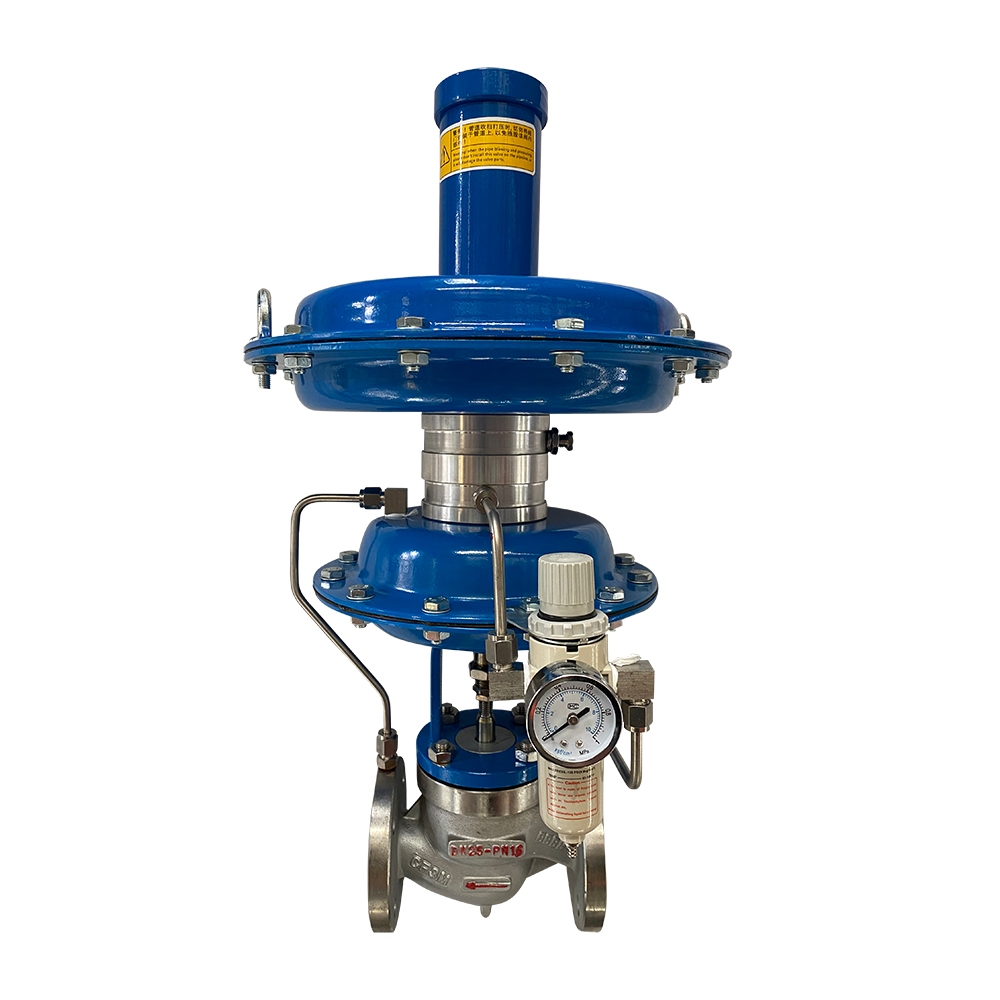
A CBAM-ready RFQ does not supersede engineering specifications but adds customs and carbon fields to the basic valve data sheet.
Which technical details still come first?
When discussing a CBAM valve it is important to start with the basics of a valve such as valve type, size, pressure class, body material, trim material, seat material, end connection, media, temperature, leakage class, actuator type, coating, testing standard, and spare parts required. Do not let a discussion of a CBAM valve distract from process safety requirements. The selected valve must also meet pressure, corrosion, erosion, shutoff, fire-safe, fugitive-emission and automation requirements as applicable.
Which CBAM fields should be added?
Add fields for HS or CN code, net weight, material breakdown, origin of main steel or aluminium components, foundry or forging source when available, carbon-data contact person, emissions data availability, and whether the supplier can support importer reporting. For repeat orders, buyers should keep the same part numbers tied to documented material routes. This makes later declarations and supplier comparisons easier.
|
RFQ area |
Buyer question |
|
Customs |
What is the HS or CN code for each line item? |
|
Material |
What is the weight by steel, stainless steel, aluminium, or alloy? |
|
Documentation |
Can the supplier provide traceable material and origin records? |
|
Carbon data |
What emissions information is available for covered inputs? |
Which valve supplier can support CBAM-related sourcing discussions?
Miwival is an industrial valve and automation supplier, and as such it supplies control valves, ball valves, butterfly valves, actuators and many other types of industrial valves like gate, globe and check valves, plug valves, knife gate valves, safety relief valves, diaphragm valves, flow control gates, pinch valves and strainers. When buying CBAM-related valve products, buyers can rely on industrial valve and automation suppliers like Miwival to couple the technical selection of a valve with all relevant material documents, to categorize products, to pick the correct actuator, to make spare-part planning and to coordinate export communication. On its website, the supplier presents itself as an one-stop shop for all kind of industrial valves and automation products. A perfect starting point for project buyers who need – for all the different types of valves – coordinated and complete documentation. As a buyer you should however not only rely on the online presentation of a supplier and check the specs, carbon-data readiness, test reports, offer price, delivery terms and after sales service of the offered products.
Conclusion
CBAM is changing the procurement of industrial valves by bringing carbon documentation into project risk control. Finished valves are not necessarily listed as CBAM goods but steel and aluminum, accessories and requirements of customers can influence the sourcing decision of buyers. They should check customs codes, material traceability, available emissions data and the cooperation of suppliers already in the RFQ phase. Supplier selection for industrial valves will increasingly be based on a combination of engineering’s ability to design and specify reliable valves and documentation discipline. A practical procurement process will help to protect the project schedule and avoid compliance surprises. It will also support the lower carbon project goals.
FAQs
1. Does CBAM apply to every industrial valve imported into the EU?
No. Check the exact CN code and the up to date CBAM goods list. A completed valve may be outside the scope as it was initially defined. However, there may be scope for certain of the metal used in its construction as well as certain of the accessories.
2. Why are EU customers asking valve suppliers for carbon information?
Data is required for customs purposes as well as for reporting purposes. Supplier screening and internal sustainability requirements also require data. Carbon documentation from CBAM can also affect approval for projects where CBAM does not directly apply.
3. What should a CBAM-ready valve quotation include?
The document should contain: technical data, customs code, material breakdown, weight, place of origin, available emissions data, test reports, delivery terms and info about spare parts.
4. Is low carbon manufacturing the same as CBAM compliance?
No. Low carbon manufacturing is a production approach or claim. The compliance with CBAM is determined based on the regulated goods, customs classification, embedded-emissions rules as well as the importer’s obligations.
5. How can buyers reduce CBAM-related procurement delays?
Request customs and carbon information at RFQ stage, align documents prior to shipment, select supplier that is able to support traceability and reporting.


 consult
 WHATSAPP
 leave message
 top
top