
Cryogenic Ball Valves Explained: Applications, Benefits and Selection Guide
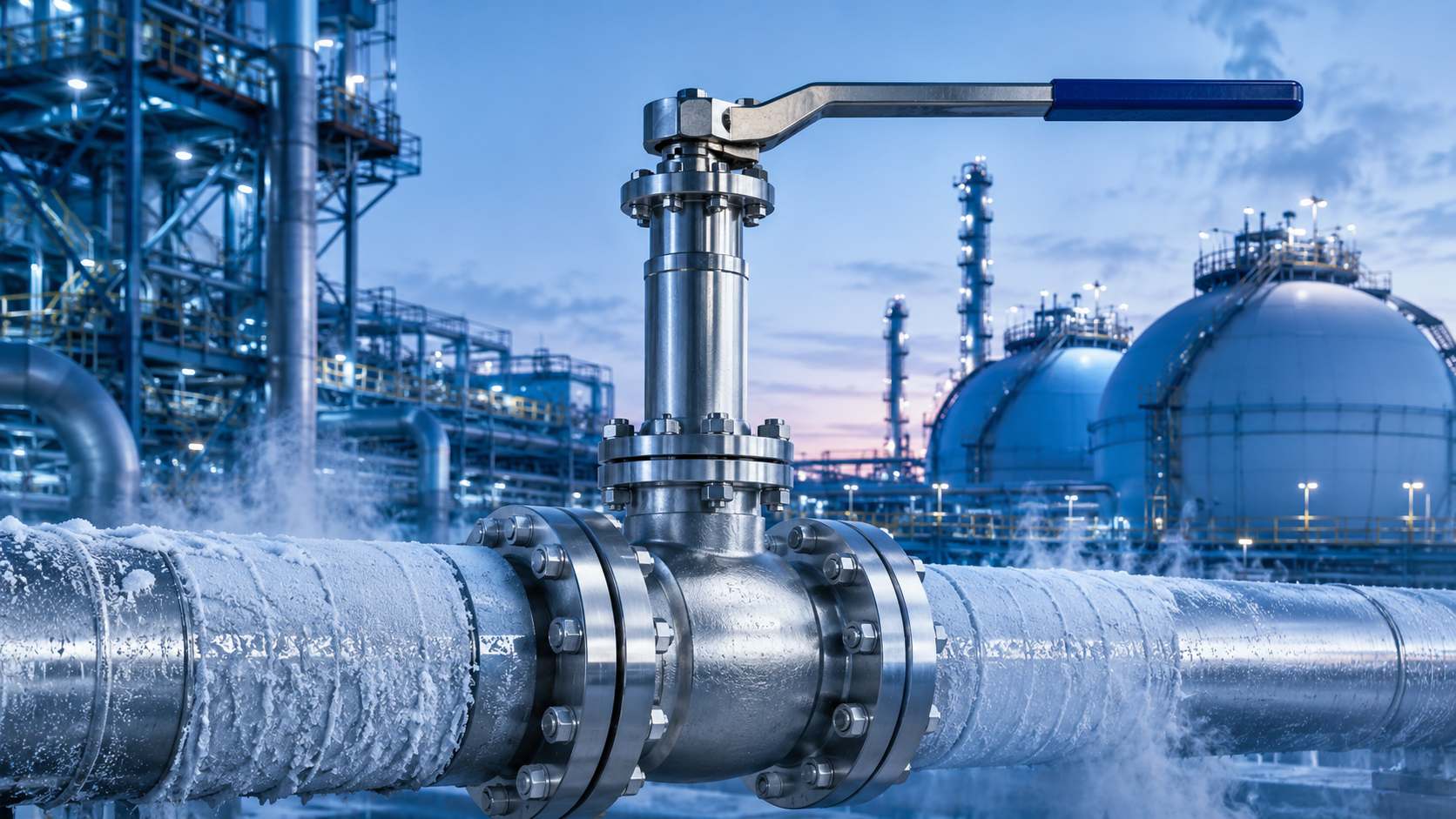
Selecting valves for extremely low-temperature applications requires more than checking pressure ratings and connection sizes. In industries such as LNG processing, industrial gas storage, and cryogenic transportation, valve performance depends on material selection, sealing reliability, thermal conditions, and long-term operation safety. A standard ball valve may not be suitable for environments where temperatures can cause material contraction, seal damage, or operating problems. This is why engineers and procurement teams often evaluate a dedicated Cryogenic Ball Valve when designing systems that handle liquefied gases and other low-temperature fluids.
Why are Cryogenic Ball Valves different from standard ball valves?
Service in Cryogenic service can pose special problems for standard type valves. Extremely low temperatures can affect metals, seal material and valve internal clearances. Valve construction becomes a critical aspect.
How does a Cryogenic Ball Valve work in low-temperature systems?
A Cryogenic Ball Valve is a type of valve that uses a ball and seat to control flow. While it looks similar to other ball valves, it is specially designed to operate in cryogenic applications.
Special attention is usually given to material compatibility, sealing performance, and the extension stem design.The stem extension in particular shifts the operating mechanism away from the coldest area of the valve body, thus external components are protected from any possible damage and the operating behavior is improved.
In addition to withstanding the effects of shrinkage at very low temperatures, materials for service at these temperatures must also possess suitable mechanical properties. A material that is quite suitable for normal service may well behave differently at very low temperatures.
Why is sealing performance important in cryogenic applications?
For products that are in the liquid state, sealing is a main consideration. Since the temperature of liquefied gases can vary, the physical dimensions of the parts within the valve can change as well as the extent to which the surfaces of the seals make contact.
In addition to thermal contraction a suitable cryogenic design has to take into account the materials for the seat as well as the allowed pressure. In case of a wrong material choice or an unsuitable design of the sealing structure the risk of leakage or reduced service life is very high.
Instead of selecting a product by size and pressure rating, engineers reviewing valve construction details.
Where are Cryogenic Ball Valves commonly used?
Cryogenic valves are selected where low temperature is a design parameter for the process. The environment of application determines the necessary design parameters.
How are Cryogenic Ball Valves used in LNG systems?
The required valves for applications with LNG are designed to handle the low temperature liquefied natural gas. The LNG valves are applied in storage facilities, in the equipment for the transportation of LNG as well as in processing installations for the gases which have been regasified.
The LNG Valve must close to shut off and also seal. When open it must also operate reliably in changing temperature. When specifying an appropriate Valve several criteria are considered by the designer including pressure, material, test and installation.
What other industries use cryogenic valves?
Cryogenic applications other than for use with LNG would include use with gasses such as oxygen, nitrogen and argon. These are typical gasses for use in industrial gas service where temperature control is a major factor.
Various gases demand different materials and safety features. The type of gas to be operated with, as well as the surrounding environment, must be taken into account by valve selection.
What factors should buyers consider when selecting a Cryogenic Valve?
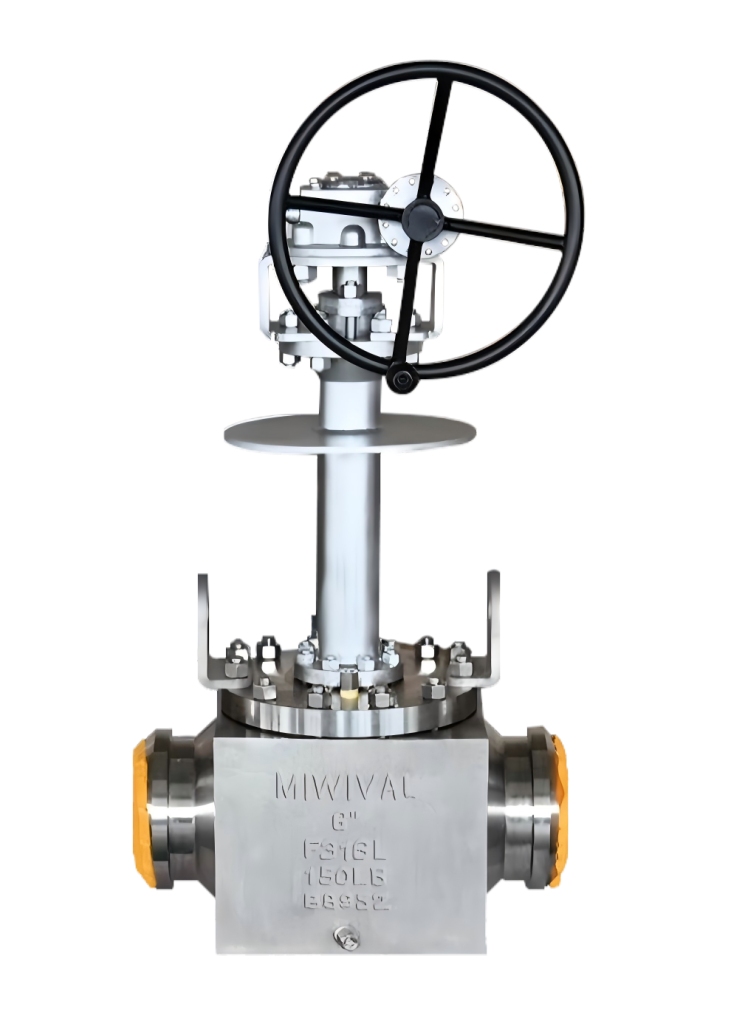
Choosing a Cryogenic Valve requires some examination of key details about the valve and its suitability to the fluid and the operating conditions.
How do materials affect cryogenic valve performance?
The choice of materials for valves has a significant influence on their reliability. The strength and flexibility of the materials used for the construction of the valve, as well as for sealing, must be adequate for the very low temperatures encountered.
Common evaluation points include:
| Selection Factor | Why It Matters |
|---|---|
| Body material | Affects strength and temperature resistance |
| Seat material | Influences sealing performance |
| Stem design | Helps manage low-temperature operation |
| Connection type | Affects installation compatibility |
For the correct material combination it has to be considered for which application a cryogenic system is used. There is no single material suitable for all cases.
What technical details should engineers review before purchase?
Before ordering valves, engineers check several details: working temperature, operating pressure, dimensions, connection type, testing.
In addition to physical inspection, other relevant documentation should be checked. Such documentation can include drawings, material lists, inspection reports, and design specifications. These can all be cross-checked with the specified requirements of the overall system to which the item will be added.
How do Cryogenic Ball Valves reduce maintenance risks?
Part of the design of a cryogenic system is the planning of the maintenance in order to avoid to many shut downs, which can be expensive and troublesome.
What maintenance issues can occur in cryogenic valve systems?
In cryogenic service applications, such as sealing at very low temperatures, dealing with large temperature variations and restricting movement of valve and piping components can affect valve operation.
Schedule for regular inspection is application specific. In addition to normal operation some systems require more frequent inspection based on specific operating cycles, pressure and fluid characteristics.
Proper installation of a valve is important. Even a properly designed valve can be subjected to problems by wrong methods of installation or by operating the valve under wrong conditions.
Why does supplier support matter after installation?
The technical support will be able to solve problems that the customer might have with the selection of a product, the installation of the product and also with parts that need to be replaced. For industrial projects it is important that the customer has access to the right documentation and is able to communicate with the supplier in time to prevent delays.
In addition to judging the valve the buyer also judges the supplier’s ability to provide technical information throughout the project.
How should companies compare Cryogenic Ball Valve suppliers?
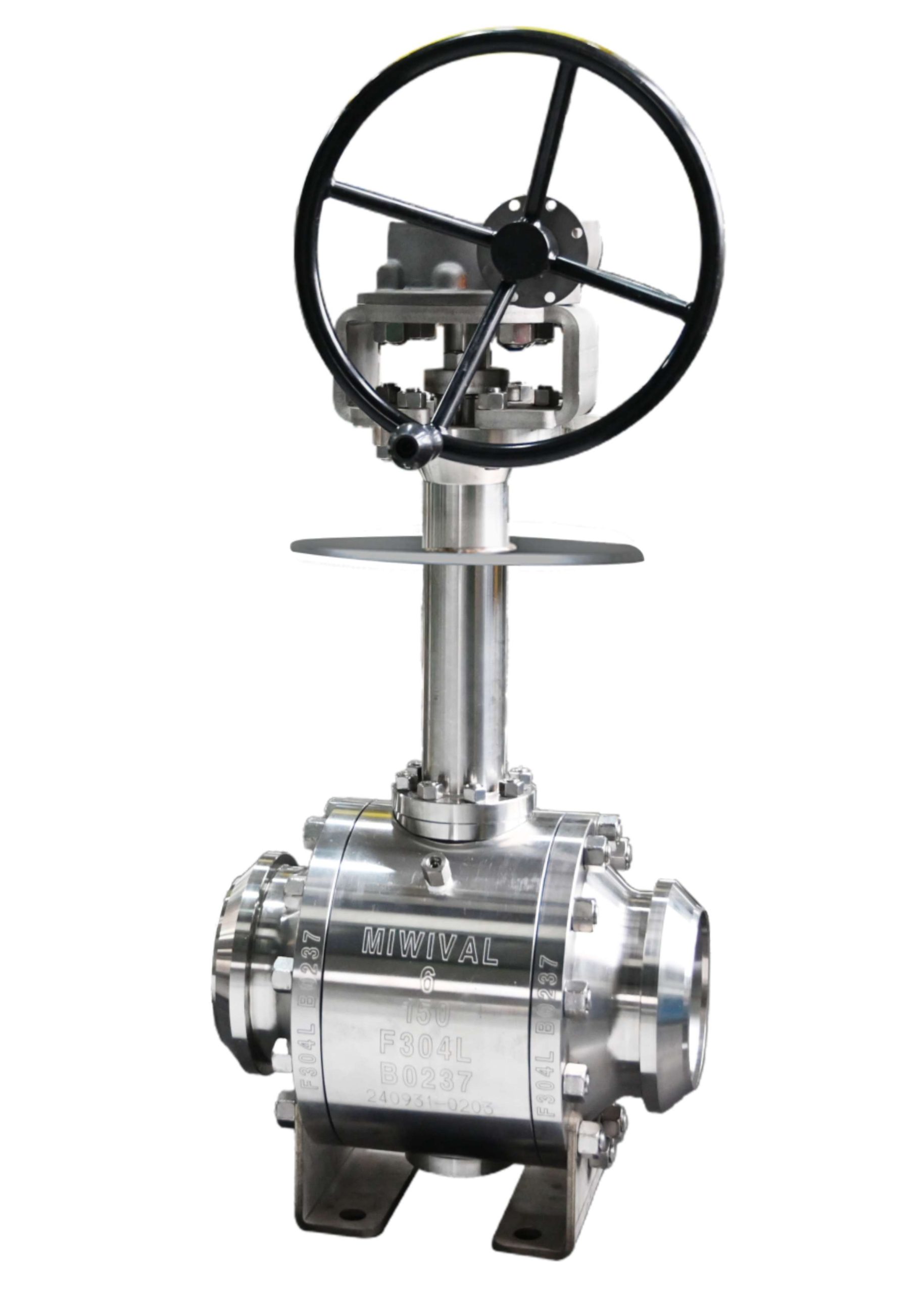
When purchasing valves for cryogenic applications, selecting a supplier is as important as purchasing the valves themselves. Because of the technical nature of the valves, closer coordination with the supplier is needed than with regular valve purchases.
What information should buyers request from suppliers?
A supplier should be able to give adequate information with respect to the following topics: Valve specifications, Materials, Operating limits, Test procedures for valves, Delivery arrangements.
Compare proposed valves against your specific needs rather than price alone.
How can buyers reduce risks during procurement?
Carefully managing the procurement process involves reviewing the technical details of supplied goods, checking the technical specifications, reviewing sample or inspection requirements and discussing after sales service and support.
Clear communication before start of production will help to prevent problems during installation and service life.
How can Miwival support customers looking for cryogenic valve solutions?
Miwival provides industrial valve solutions including Cryogenic Ball Valves for applications requiring reliable flow control under demanding temperature conditions. The company supports customers through product information, technical communication, and valve selection assistance based on different project requirements. Buyers evaluating suppliers should still compare specifications, material details, documentation, pricing, delivery schedules, and service expectations before making a final purchasing decision.
Conclusion
Cryogenic Ball Valves are specifically designed for very low temperature applications, which can pose difficulties for standard type valves. When choosing a suitable valve, attention must be paid to the materials, seal, pressure and application requirements. On LNG Valve and other cryogenic applications, operating safely is not enough; the valve must also be able to withstand temperature changes. When selecting a Cryogenic Valve, attention must be paid to its installation and maintenance properties. A good choice is a valve that is suited to the actual process environment and is obtained from a suitable supplier. It is also wise to subject the valve to a technical inspection.
FAQs
1. What is a Cryogenic Ball Valve used for?
Cryogenic Ball Valves are used to control flow of fluids at very low temperatures in various Cryogenic and Gas applications such as LNG stations and industrial gas plants.
2. How is a Cryogenic Ball Valve different from a normal ball valve?
Cryogenic Ball Valves are specifically designed and made of special materials to operate under very low temperatures. The seal and stem part are of special interest.
3. Why are extended stems used in cryogenic valves?
Stem extensions for operating components are designed to keep them away from very cold parts of the motorcycle and thus promote safe handling and protect the components.
4. What should buyers check before purchasing an LNG Valve?
Buyers should review temperature range, pressure rating, materials, testing documents, connection requirements, and supplier technical support.
5. How can companies choose the right Cryogenic Valve supplier?
When selecting a suitable supplier companies should compare the technical specifications, the product documentation, the communication ability, the delivery conditions as well as the after-sales service.


 consult
 WHATSAPP
 leave message
 top
top