
How to Choose an Eccentric Rotary Plug Valve for High Pressure Drop Applications
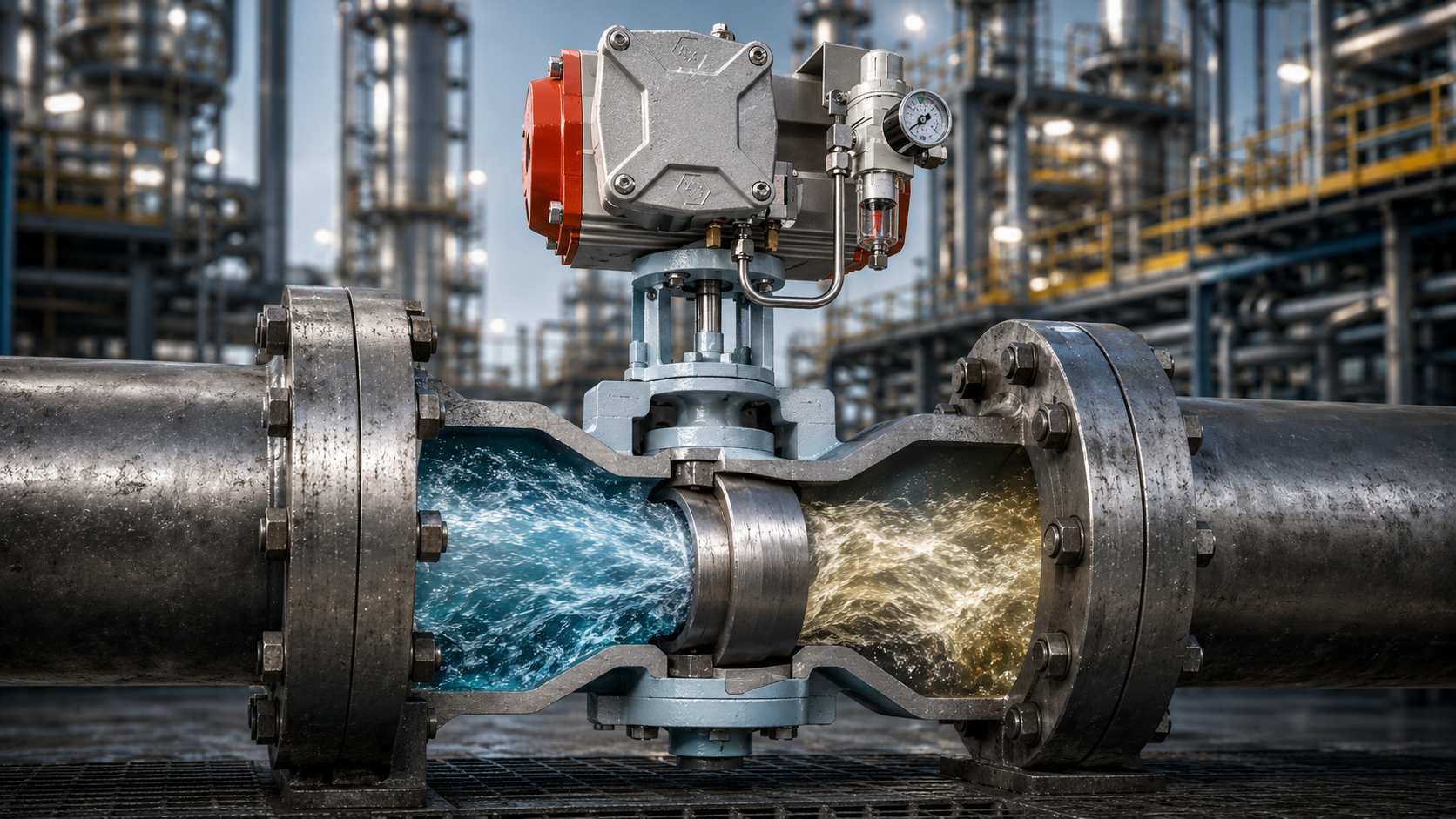
An eccentric rotary plug valve is a good choice for applications that are subject to high pressure drop with a possibility for erosion, slurry, coking, frequent throttling, or a wide range of flow rates. Still, the size and the pressure class should not be the starting point for engineers and buyers. They should consider the flow coefficient, cavitation, flashing, trim, shutoff, and torque when selecting a valve. The key issue is that the specified configuration does not produce improper control, accelerated wear, or unnecessary maintenance.
What Process Data Should Be Confirmed Before Valve Selection?
High pressure drop cannot be evaluated from nominal pipe size alone. Before comparing valve designs, the buyer should establish the minimum, normal, and maximum operating conditions.
Which Pressure and Flow Conditions Matter Most?
Differential pressure is expressed as:
ΔP = P1 − P2
where P1 is inlet pressure and P2 is outlet pressure.
A valve may experience moderate ΔP during normal production but a much higher differential during startup or low-flow operation. The supplier should therefore receive:
-
Minimum, normal, and maximum flow
-
Inlet and outlet pressure
-
Operating and design temperature
-
Fluid composition and phase
-
Pipe size
-
Required valve function
-
Required fail position
This information provides the basis for control valve sizing.
Which Fluid Risks Need Separate Evaluation?
Liquid, steam, gas, and slurry respond differently to pressure reduction.
For liquid service, cavitation and flashing should be evaluated. Gas and steam applications may introduce high velocity and noise, while slurry adds particle erosion to the pressure-drop problem.
When these risks are significant, the buyer should compare different control valve options rather than selecting a valve only because its pressure class matches the piping system.
Why Does Eccentric Plug Geometry Matter in High Pressure Drop Service?
The value of the eccentric design comes from the movement between the plug and seat. This becomes particularly relevant when frequent throttling and difficult media increase wear on conventional seating surfaces.
How Does the Camming Action Affect Seat Wear?
An eccentric rotary plug control valve uses an offset plug that moves away from the seat as the valve begins to open.
Because the plug does not continuously rub against the seat throughout the full rotation, friction at the sealing surfaces can be reduced. This is useful where frequent modulation, deposits, or abrasive particles make seat wear an important maintenance concern.
Buyers should still ask the supplier to explain the proposed seat construction, trim material, and expected operating limitations.
Why Does the Internal Flow Path Matter?
Internal geometry affects velocity distribution and areas exposed to erosion.
A comparatively open passage can be useful for slurry, coking fluids, or media containing suspended solids. It reduces the dependence on narrow internal passages that may be more vulnerable to plugging or deposits.
It does not eliminate erosion, however. If ΔP remains high, local velocity can still damage the plug, seat, and nearby components. Material selection must therefore be reviewed together with valve geometry.
How Should Cv and Valve Size Be Checked Before Purchase?
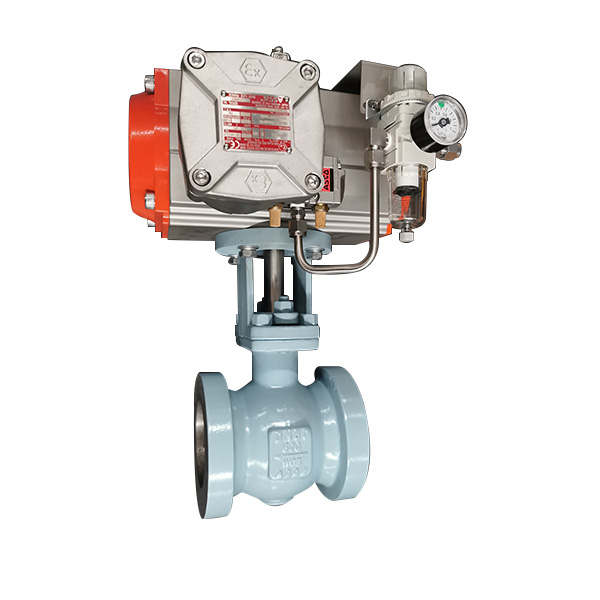
Once the process conditions are known, the next step is sizing. Matching the valve directly to pipeline diameter is a common procurement shortcut, but it can result in poor control performance.
Why Should Cv Be Checked at Several Operating Points?
Cv represents valve flow capacity. For a control application, buyers should request calculations for:
| Operating Point | What to Check |
|---|---|
| Minimum flow | Whether stable control is possible |
| Normal flow | Whether valve travel is in a practical range |
| Maximum flow | Whether sufficient capacity remains |
An oversized valve may operate too close to the seat during normal production. Small changes in valve position can then produce large changes in flow.
An undersized valve creates the opposite problem: it may remain nearly fully open and provide little capacity for higher process demand.
How Should Rangeability Be Used?
Rangeability helps indicate how widely a control valve can regulate flow, but a catalogue figure should not be used by itself.
Installed performance also depends on system pressure losses, actual ΔP, actuator movement, positioner resolution, and process conditions.
Before approving the valve, ask for the calculated Cv and expected valve position at minimum, normal, and maximum flow. This gives the engineering team a better basis for judging whether the selected size will operate effectively.
Which Materials and Actuator Details Should Buyers Specify?
After sizing, material and actuator selection become the next major purchasing decisions. Both can influence service life in high pressure drop applications.
How Should Trim Materials Match the Wear Mechanism?
Material selection should reflect what is actually damaging the valve.
Corrosive media require chemical compatibility. Slurry and particles demand greater attention to erosion. High-temperature service affects both metallic components and sealing materials.
For highly abrasive applications, buyers may also compare a conventional metal-trim design with a ceramic lined eccentric rotary plug control valve where the process conditions justify additional wear-resistant materials.
The quotation should clearly identify:
-
Body material
-
Plug material
-
Seat material
-
Stem or shaft material
-
Sealing material
-
Wear-resistant treatment, if applicable
“Standard trim” is not sufficient information for a severe-service purchase.
Why Must the Actuator Be Sized for Maximum Differential Pressure?
The actuator must move and seat the plug under process load, not simply stroke the valve during an unloaded workshop test.
Buyers should confirm:
-
Maximum differential pressure
-
Fail-open, fail-closed, or fail-in-place action
-
Available air supply
-
Required control signal
-
Positioner requirements
-
Required shutoff performance
When pneumatic actuation is being considered, reviewing the available valve actuator options can also help buyers define the required automation configuration before requesting a final quotation.
What Should Buyers Verify Before Approving the Valve?
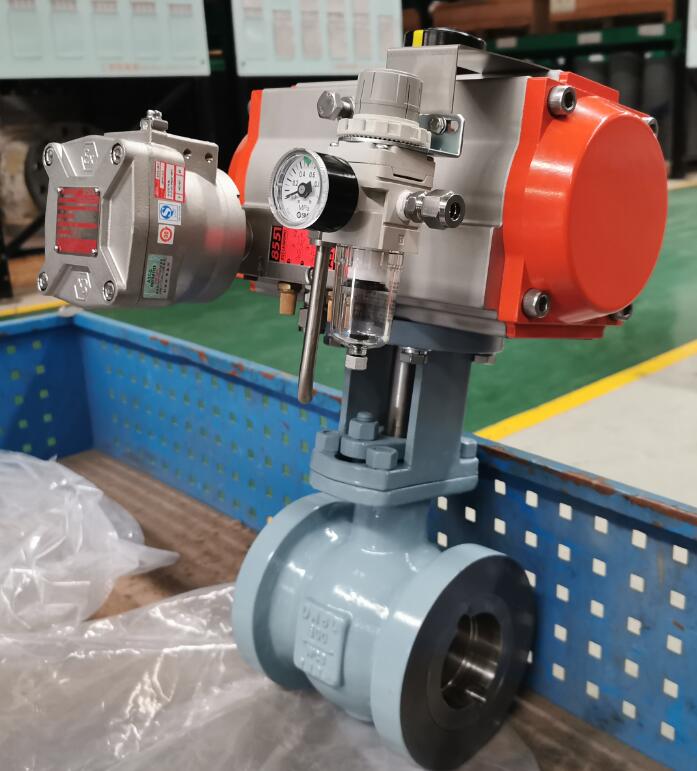
The final technical review should connect process data, valve sizing, materials, and actuation. A description such as “suitable for high pressure drop” should not replace documented engineering information.
What Should Be Included in the Technical Bid?
Before releasing the purchase order, verify:
-
P1 and P2 are provided for important operating points.
-
Minimum, normal, and maximum flow are defined.
-
Required Cv and selected Cv are documented.
-
Fluid composition and temperature are confirmed.
-
Cavitation or flashing risk has been reviewed where relevant.
-
Body and trim materials are identified.
-
Required shutoff performance is stated.
-
Maximum ΔP is used for actuator sizing.
-
Fail action and control signal are confirmed.
-
Inspection and testing requirements are agreed.
This checklist gives purchasing teams a consistent basis for comparing technical quotations instead of comparing price alone.
When Should Another Valve Configuration Be Considered?
An eccentric rotary plug valve should not be forced into every high pressure drop application.
If sizing shows severe cavitation, excessive velocity, unsuitable valve travel, unacceptable erosion risk, or insufficient actuator margin, another valve size, trim arrangement, or control valve type may be more appropriate.
The goal is not to prove that one valve design can work. It is to select a configuration that can control the required flow while keeping predictable wear and maintenance risk within acceptable limits.
How Can Miwival Support High Pressure Drop Valve Selection?
Miwival supplies industrial valves and automation solutions for applications including mining, chemical processing, pulp and paper, power, cement, and water and wastewater. Its portfolio includes control valves, ball valves, butterfly valves, Gate Valves, Globe Valves, Check Valves, Knife Gate Valves, pinch valves, and automation equipment. Buyers evaluating an eccentric rotary plug valve can provide minimum, normal, and maximum flow, inlet and outlet pressure, temperature, fluid properties, pipe size, shutoff requirements, and actuator fail action. These details give the engineering team a clearer basis for reviewing valve size, materials, trim configuration, and automation requirements.
Conclusion
Selecting an eccentric rotary plug valve for high pressure drop service requires more than checking pressure class and line size. Buyers should review ΔP, Cv, valve travel, cavitation or flashing risk, materials, shutoff requirements, and actuator capability across the complete operating range. The eccentric design can suit demanding throttling and difficult media, but the final selection should follow actual process data. The next step is to send the supplier a complete process data sheet and request a documented sizing review.
FAQs
1. When should an eccentric rotary plug valve be considered?
It is worth evaluating when high differential pressure occurs together with frequent throttling, abrasive media, slurry, coking fluids, wide flow variation, or recurring seat-wear problems.
2. What data are required to size an eccentric rotary plug valve?
Provide minimum, normal, and maximum flow, inlet and outlet pressure, temperature, fluid properties, pipe size, required shutoff performance, and actuator fail action.
3. Can an eccentric rotary plug valve prevent cavitation?
Not automatically. Cavitation depends on fluid properties and pressure conditions. The supplier should evaluate cavitation risk during sizing and determine whether additional mitigation is necessary.
4. Should the control valve have the same size as the pipeline?
Not necessarily. Control valve size should be determined by required Cv and operating range. Matching pipe diameter alone can result in an oversized or undersized valve.
5. What should buyers request before placing an order?
Request valve sizing data, expected operating travel, material specifications, shutoff requirements, actuator sizing information, severe-service evaluation, and agreed inspection and testing requirements.


 consult
 WHATSAPP
 leave message
 top
top