How to Select Knife Gate Valves for Mining Tailings Pipeline Systems
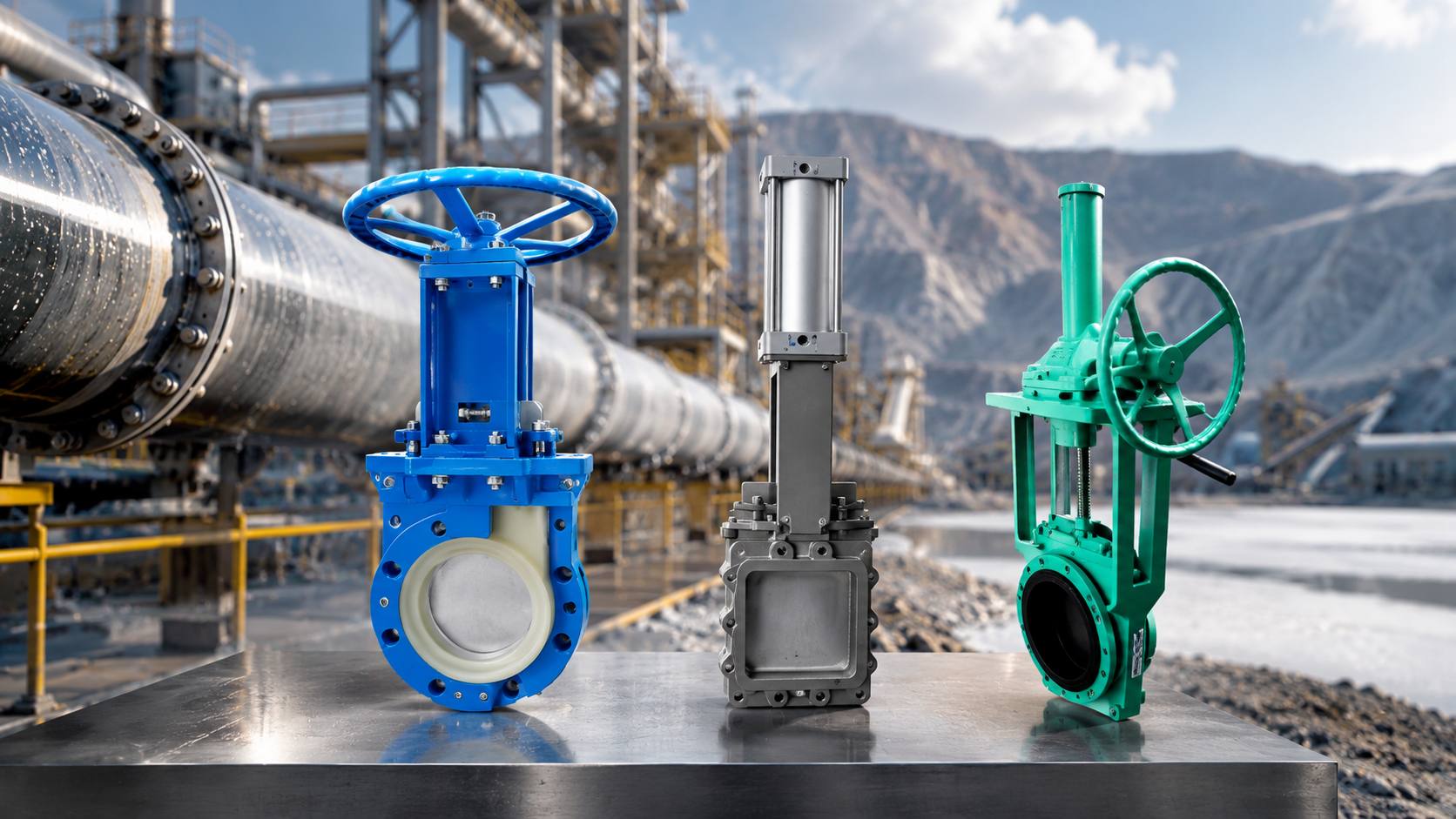
Choosing the appropriate knife gate valve for mining tailings pipeline systems involves multiple factors, including slurry characteristics, wear resistance, sealing reliability, and maintenance practices. In contrast to regular fluids, tailings consist of a mixture of substances that may have a significant impact on the performance of the valves. When selecting the most appropriate options for the mining industry, it is essential to pay attention to operating conditions, not only to the size and pressure rating of the pipeline. The proper choice of a knife gate valve will help achieve better results and reduce the operating costs of the system.
What Challenges Should Be Considered When Selecting Valves for Tailings Systems?
Mining tailings pipelines operate under harsh conditions where solid particles, continuous operation, and remote locations can create additional requirements for valve reliability.
Why Does Tailings Slurry Increase Valve Wear Risks?
Tailings slurry usually contains water mixed with mineral particles, which can create continuous abrasion during transportation.
The main factors affecting valve performance include:
-
Solid concentration
-
Particle size and hardness
-
Slurry density
-
Flow velocity
-
Operating pressure
-
Operating frequency
Whenever slurry is flowing through a valve there is potential for erosion, leakage and difficult operation if the wrong materials or designs are used.
As a result, it is essential that buyers understand the process before selecting a valve. A water service valve will not always be fit for purpose when applied to abrasive tailings service.
Why Is Reliable Isolation Important in Mining Pipelines?
Tailings pipelines often require valves for isolation during maintenance, pipeline switching, or emergency shutdown.
A suitable isolation valve should provide:
-
Stable shutoff performance
-
Resistance to solid accumulation
-
Reliable operation after long periods without movement
-
Easy maintenance
In mining operations, replacing a failed valve can require significant labor and production time. For this reason, isolation reliability should be considered together with initial purchase cost.
How Should Knife Gate Valve Design Match Tailings Applications?
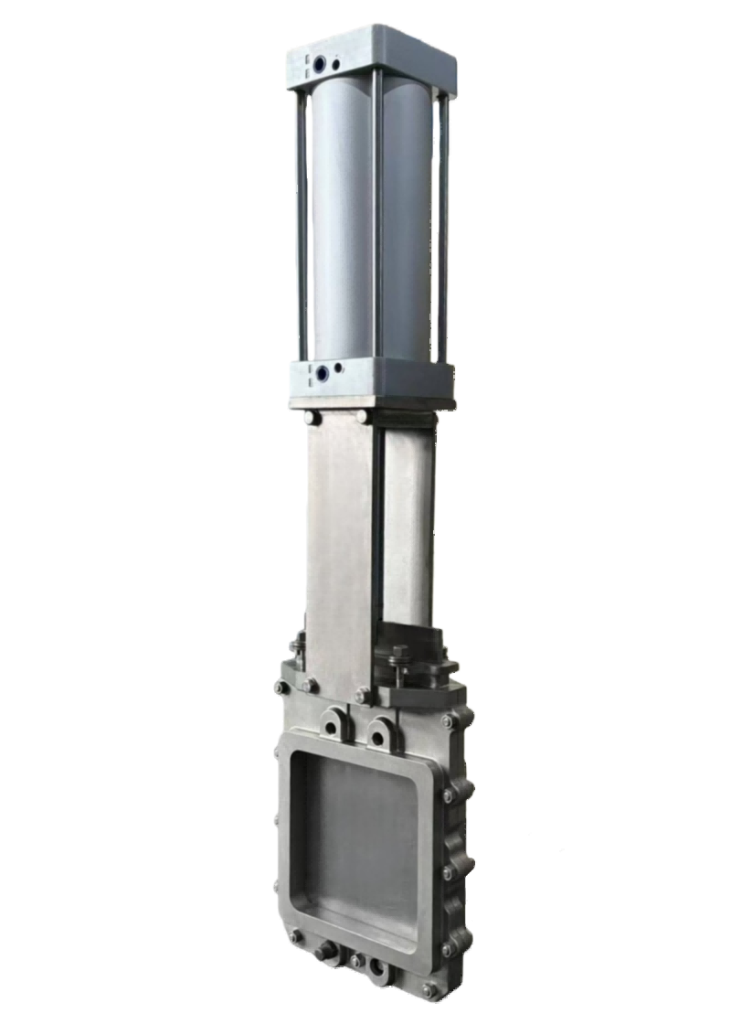
The valve structure directly affects how well it handles slurry, suspended solids, and demanding operating conditions.
How Can Knife Gate Valve Design Handle Slurry Media?
A Knife Gate Valve is commonly selected for applications involving slurry, solids, and difficult flow media because its design allows the gate to move through the process medium during operation.
For tailings systems, buyers should evaluate:
-
Gate material
-
Seat design
-
Body construction
-
Pressure rating
-
Sealing performance
The valve configuration should match the actual slurry characteristics instead of relying only on general mining application experience.
Why Should Sealing Performance Be Reviewed Before Purchase?
Sealing performance directly affects leakage control and maintenance frequency.
Before approving a valve, buyers should confirm:
-
Required leakage level
-
Flow direction requirements
-
Pressure difference during shutoff
-
Maintenance procedure
For large mining projects, reliable sealing helps reduce unexpected interruptions and improves long-term operating stability.
How Do Materials Affect Knife Gate Valve Service Life?
Material selection is one of the most important factors because tailings can combine abrasion and corrosion risks in the same application.
Which Material Factors Should Buyers Evaluate?
Different tailings compositions create different wear conditions.
Important considerations include:
-
Particle hardness
-
Chemical composition
-
Temperature
-
Slurry concentration
During supplier evaluation, buyers should request information about:
-
Body material
-
Gate material
-
Seat material
-
Wear protection options
The recommended material should be based on the actual medium rather than a standard catalogue configuration.
How Can Maintenance Requirements Influence Valve Selection?
A valve with a lower purchase price may create higher lifecycle costs if it requires frequent replacement or maintenance.
Mining operators should consider:
-
Expected service interval
-
Spare parts availability
-
Replacement difficulty
-
Production impact
The total cost should include:
Initial cost + maintenance cost + downtime risk
A reliable valve selection focuses on long-term operating performance rather than only the initial quotation.
What Should Buyers Check Before Purchasing a Knife Gate Valve?
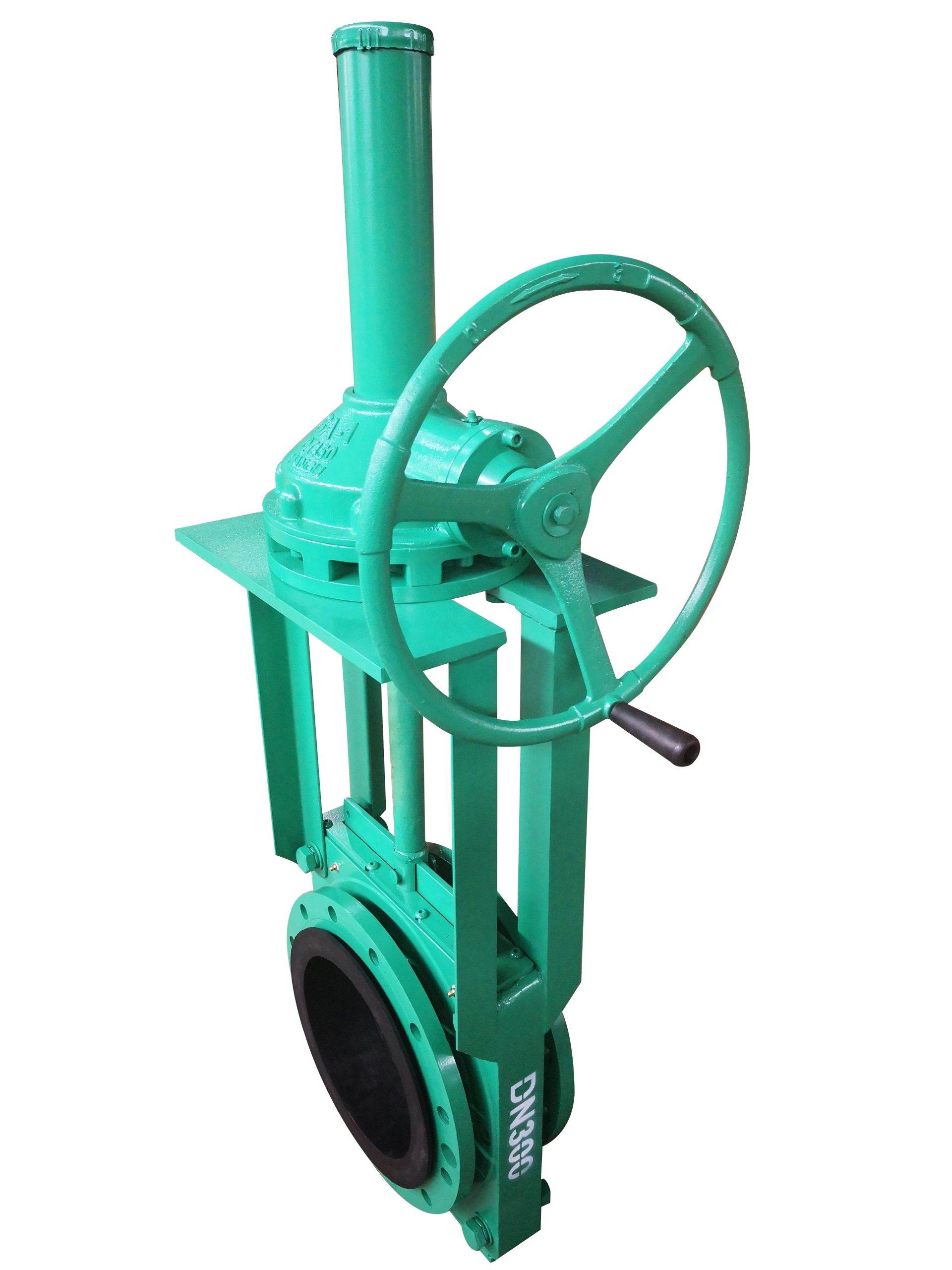
A proper technical review helps ensure that the selected valve matches the real operating environment instead of only meeting basic specifications.
Which Technical Information Should Be Confirmed?
Before placing an order, buyers should review:
-
Slurry characteristics are provided
-
Pressure and temperature conditions are confirmed
-
Valve size selection is explained
-
Materials are clearly specified
-
Sealing requirements are confirmed
-
Maintenance requirements are understood
-
Testing requirements are agreed
Comparing suppliers based on technical information helps reduce selection risks in severe mining applications.
Why Should Buyers Evaluate Suppliers Beyond Product Price?
For mining projects, supplier capability can influence long-term equipment reliability.
A qualified supplier should be able to discuss:
-
Application conditions
-
Wear mechanisms
-
Maintenance requirements
-
Spare parts planning
Miwival provides industrial valve solutions for mining and other demanding industries. Buyers can learn more about the company through Miwival and discuss valve requirements based on actual project conditions.
How Can Miwival Support Mining Tailings Valve Selection?
Mining applications require valves that can handle abrasive media, frequent operation, and challenging working environments. Miwival provides solutions for mining processes, including slurry transportation, pipeline isolation, and mineral processing systems. Its mining valve solutions include Knife Gate Valves, pinch valves, butterfly valves, ball valves, and check valves designed for demanding industrial applications. Buyers can provide slurry data, pipeline conditions, pressure requirements, and maintenance expectations to support a more suitable valve evaluation.For broader mining applications, engineers can also review Miwival’s Mining Solution to understand different valve requirements across mineral processing systems.
Conclusion
Selecting a knife gate valve for mining tailings pipeline systems requires evaluation of slurry characteristics, wear risks, sealing performance, materials, and maintenance requirements. The right choice of a valve depends not only on the size of pipelines but also on the conditions of operation, and not on the first cost. By analyzing technical specifications and supplier information and considering this information before buying, mining companies can ensure the stable functioning of their technical processes, reduce the number of failures, and save on repairs.
FAQs
1. Why are knife gate valves used in mining tailings systems?
Knife gate valves are suitable for many slurry applications because they can handle media containing solid particles and provide reliable isolation.
2. What information is needed to select a knife gate valve?
Buyers should provide slurry concentration, particle characteristics, pressure, temperature, pipeline size, flow conditions, and sealing requirements.
3. Are all knife gate valves suitable for abrasive slurry?
No. Different materials and designs provide different wear resistance levels. The valve should match the actual slurry conditions.
4. Why is material selection important for tailings applications?
Because abrasive particles and chemical conditions can accelerate wear and reduce valve service life if unsuitable materials are selected.
5. How can buyers reduce knife gate valve maintenance costs?
Buyers can reduce costs by selecting suitable materials, reviewing operating conditions, planning spare parts, and choosing valves designed for abrasive service.


 consult
 WHATSAPP
 leave message
 top
top