How Should Buyers Verify Weir Type Diaphragm Valve Quality Before Mass Production?
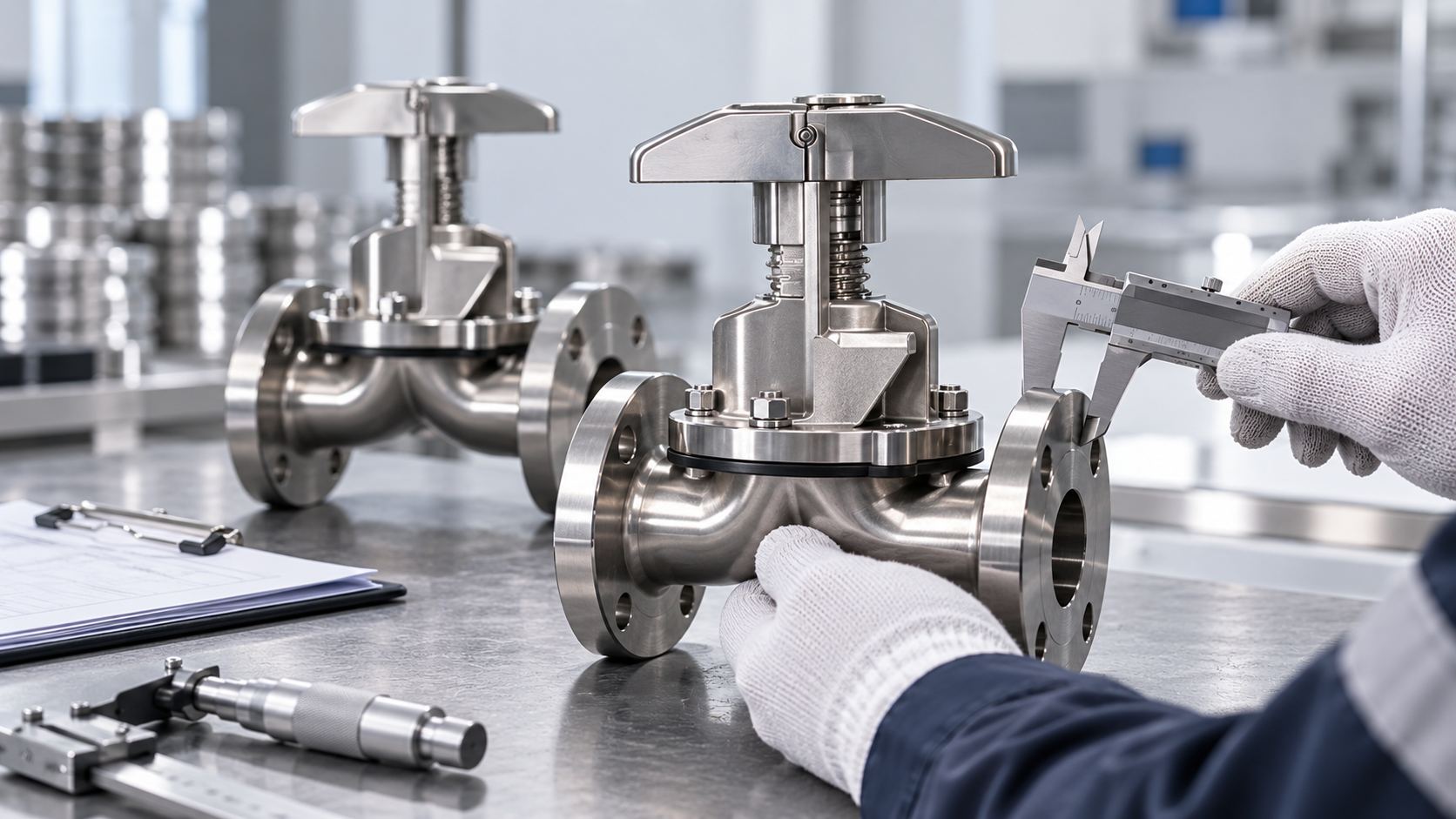
Verifying weir type diaphragm valve quality before mass production requires an approved sample, consistent material specifications, and documented acceptance criteria for sealing and operating performance. A sample may pass initial inspection yet still leave questions about diaphragm material, body lining, seat contact, or repeatability across a larger order. These differences matter in chemical processing, water treatment, and other industrial services where unexpected valve replacement can interrupt production. Purchasing managers and quality engineers therefore need to establish which characteristics must be checked before manufacturing begins, which documents should accompany the order, and how the supplier will demonstrate that subsequent valves match the approved configuration.
What Should Be Confirmed Before Approving the First Valve Sample?
Sample approval should begin with the purchase specification rather than a general inspection of the finished valve. The sample must represent the construction intended for production, including materials, dimensions, diaphragm arrangement, and connections.
Why Does the Approved Drawing Matter?
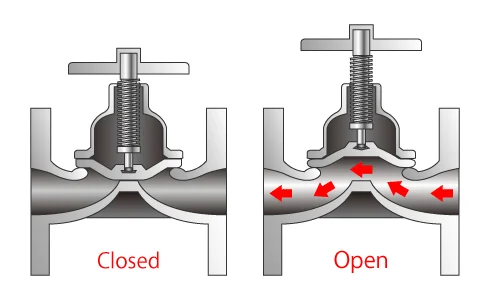
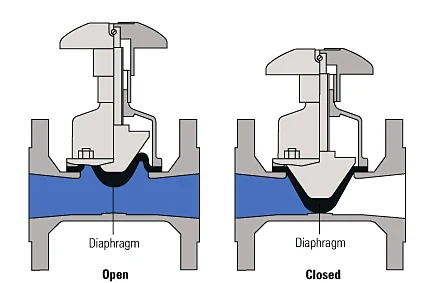
A weir-type valve closes when its diaphragm contacts the raised seating area inside the body. The relationship between the diaphragm, compressor, and weir influences the force required for closure and the contact between sealing surfaces.
A visually acceptable sample does not establish that these components meet the intended design.
The approved drawing should identify the valve size, connection type, body construction, diaphragm arrangement, and relevant dimensions. If a lining is required, its material and inspection requirements should also be included.
Purchasing teams should confirm that the sample corresponds to the drawing revision used for the production order. Changes to diaphragm material, lining construction, or internal dimensions after sample approval should trigger another technical review.
Which Sample Characteristics Should Be Recorded?
The sample inspection should establish a reference for characteristics that can be checked consistently during production.
These include external dimensions, connection geometry, body condition, diaphragm identification, operating mechanism, and relevant surface conditions.
For valves intended for chemical processing applications , the material combination should also be checked against the process medium and operating temperature.
Inspection records should identify the sample, drawing revision, results, and any deviations accepted by the purchaser.
How Should Buyers Verify Diaphragm and Body Material Consistency?
Material consistency matters because the body and diaphragm perform different functions. The body provides the pressure boundary, while the diaphragm acts as a flexible sealing component exposed to process conditions and repeated movement.
What Should Be Checked About Diaphragm Material?
A description such as rubber or elastomer is insufficient to establish compatibility with a process fluid.
The purchasing specification should identify the required diaphragm material and applicable compatibility conditions. Temperature, pressure, chemical concentration, cleaning fluids, and operating frequency may influence its suitability.
A diaphragm with an acceptable appearance can still differ from the approved sample in construction or formulation.
The supplier should identify the material used in the sample and confirm how the same specification will be maintained during production. Where material certificates or additional tests are required, their scope should be agreed before ordering.
Why Should Body and Lining Materials Be Reviewed Separately?
The body and internal lining may face different service conditions. A lined body provides a process-contact surface that differs from the underlying structural material.
The purchasing specification should identify both materials rather than describing the complete valve using only its body grade.
| Component | Quality verification |
| Valve body | Material designation and required documentation |
| Diaphragm | Approved material and construction |
| Internal lining | Material, coverage, and inspection requirements |
| Stem and compressor | Material and dimensional conformity |
| Connection surfaces | Dimensions and surface condition |
The inspection plan should distinguish characteristics verified through documentation from those requiring physical examination.
Which Functional Tests Should Be Completed Before Production Approval?
Material and dimensional checks establish whether the sample matches its specification, but they do not demonstrate that the assembled valve closes and operates as intended.
How Should Shutoff Performance Be Verified?
The acceptance procedure should identify the test method, pressure, medium, duration, and permitted leakage.
These requirements need to be agreed before testing rather than determined after the supplier presents the results.
A successful test demonstrates performance under the specified conditions. It should not be interpreted as a guarantee of unlimited service life or compatibility with conditions outside the approved specification.
Where additional testing is required, the purchaser should confirm whether the same procedure applies to production valves or only to the initial sample.
What Can an Operating Test Reveal?
An operating test can identify excessive resistance, incomplete travel, interference between moving parts, or failure to reach the intended closed position.
The valve should move through its required operating range without abnormal binding.
For manually operated valves, the handwheel and stem arrangement should be checked against the approved construction. Automated arrangements require additional verification of actuator movement.
Repeated operation may be included where cycling performance is relevant, but the number of cycles and acceptance conditions should follow the agreed test procedure.
How Can Buyers Prevent Differences Between Approved Samples and Production Valves?
Approving one sample does not eliminate production variation. Material substitutions, manufacturing adjustments, assembly differences, or incomplete inspection records can affect subsequent valves.
Which Production Stages Require Defined Checks?
Incoming material verification establishes whether specified materials have been supplied. Dimensional inspection can identify differences in the body and connections before assembly.
Machining and assembly inspections then confirm that components conform to the approved drawing. Final inspection addresses the completed valve and required performance tests.
The inspection scope depends on the project. Large repeat orders may justify additional sampling, witness inspection, or batch-level documentation where specified by the purchaser.
How Should Production Deviations Be Managed?
A deviation should not be accepted simply because the valve remains visually similar to the approved sample.
Changes involving diaphragm material, lining construction, seat geometry, pressure-boundary materials, or required dimensions may affect compatibility and performance.
The purchasing agreement should identify which changes require written approval and whether affected components must be inspected again before shipment.
This reduces the risk of discovering an unapproved substitution after the equipment reaches the installation site.
What Should Be Included in the Final Production Approval Package?
Final approval should connect the physical sample, approved specification, and production inspection requirements.
Which Records Should Be Retained?
The approval file should contain the approved drawing, material specifications, sample inspection record, applicable test results, accepted deviations, and production inspection requirements.
Where material certificates are specified, they should identify the relevant materials and components.
The industrial valve product range provides context for coordinating inspection requirements across larger purchasing packages, although each configuration still needs its own acceptance criteria.
Before production release, purchasing and quality personnel should confirm that the approved drawing is current, material and functional checks are complete, outstanding deviations are resolved, and production inspection requirements have been agreed.
These records also provide a reference for shipment acceptance and future repeat orders.
Professional Technical Support from Miwival
Miwival supplies industrial valves and automation equipment for chemical processing, water treatment, mining, power, and other industrial applications. Its Diaphragm Valve product information identifies weir-type and straight-through constructions, including their different body and diaphragm arrangements. The company’s published quality-control process covers incoming casting and forging inspection, dimensional checks, chemical analysis and PMI, machining and assembly inspection, nondestructive testing, pressure testing, and final inspection. For projects involving repeated orders, buyers can use these documented activities to discuss material identification, sample approval, inspection records, and the acceptance requirements that should be maintained throughout production.
Conclusion
Weir type diaphragm valve quality should be verified through an approved configuration and documented inspection process rather than visual sample approval alone. Diaphragm material, body construction, lining condition, dimensions, shutoff performance, and operating movement all influence whether the sample represents the intended production valve. Purchasing and quality teams should establish acceptance criteria before manufacturing and require technical approval for changes to critical characteristics. A complete sample approval package provides a practical reference for production inspection, final acceptance, and future repeat orders.
FAQs
1. What should be checked before approving a weir type diaphragm valve sample?
The sample should be checked against the approved drawing, material specifications, connection dimensions, diaphragm construction, and required functional performance. Inspection results and deviations should be documented so the approved configuration can be compared with subsequent production valves.
2. Is a successful pressure test enough to approve mass production?
No. A pressure test verifies performance under specified conditions, but it does not establish material consistency, dimensional conformity, diaphragm compatibility, or production repeatability. These requirements should be reviewed separately before manufacturing approval.
3. Should diaphragm material be verified for every production order?
The verification scope depends on the purchasing specification and agreed inspection plan. Material identification and documentation should establish that production diaphragms conform to the approved construction, particularly when chemical compatibility is critical.
4. What happens if the supplier changes diaphragm material after sample approval?
The change should undergo technical review before acceptance. Different materials may have different chemical, temperature, or operating characteristics. Additional compatibility checks or sample testing may be required by the project specification.
5. Which documents should buyers retain after sample approval?
Keep the approved drawing, material specifications, sample inspection report, functional test results, accepted deviations, and production inspection requirements. These records provide a reference for shipment acceptance, maintenance, and future repeat purchases.


 consult
 WHATSAPP
 leave message
 top