
5 Common Knife Gate Valve Failures and How to Prevent Them
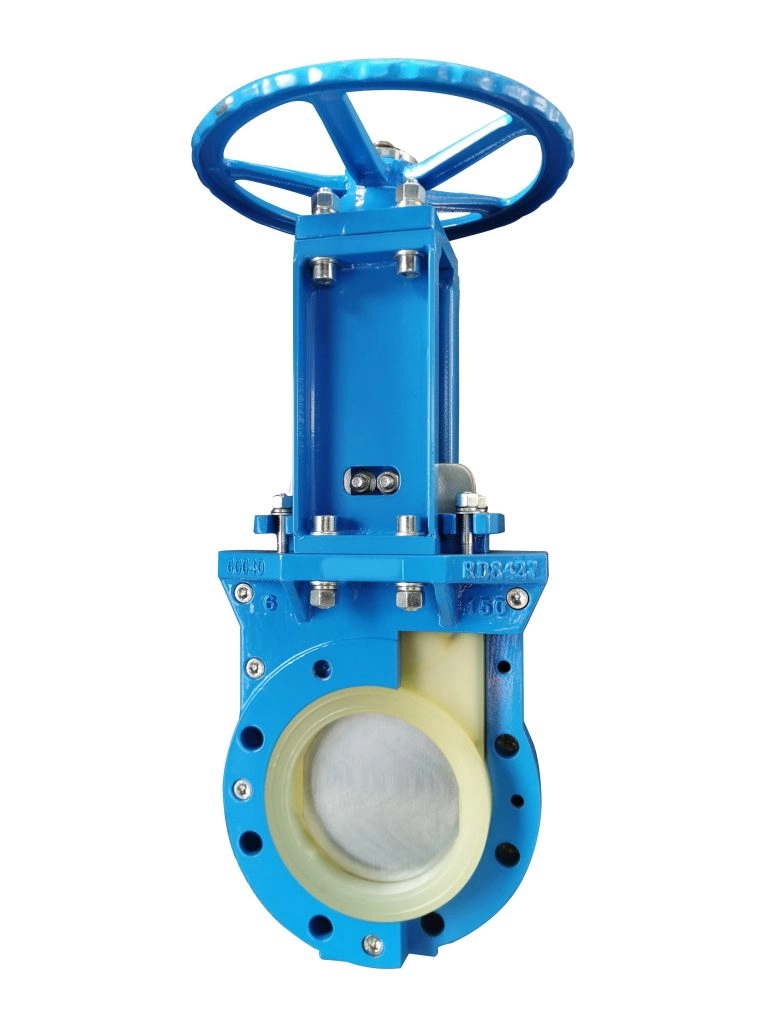
Picture this: It’s a sweltering afternoon at a mid-sized mining operation in Nevada. The slurry line hums along, pumping abrasive ore mixed with water through a network of pipes. Suddenly, a sharp hiss cuts through the noise—a knife gate valve has sprung a leak. Slurry sprays out, forcing an emergency shutdown. Crews scramble to isolate the line, and the clock ticks: every hour offline costs the operation thousands in lost production. By the time they patch it up, the damage tallies up to $15,000, not counting the cleanup or the dent in morale. Stories like this aren’t rare. In fact, industry reports show that unplanned downtime from valve issues can eat up 30-50% of a mine’s maintenance budget. Knife gate valves, those workhorses in handling thick slurries and tough flows, keep plants running. But when they fail, the ripple effects hit hard.
That’s why spotting common knife gate valve failures early matters. These valves shine in industries like mining, pulp and paper, and wastewater treatment, where they slice through viscous media without clogging. Yet, even the toughest designs face wear from constant exposure to grit, chemicals, and pressure swings. In this post, we’ll break down five frequent failures—drawing from real-world headaches—and lay out straightforward ways to head them off. Whether you’re a plant engineer troubleshooting on the fly or a maintenance lead planning ahead, these insights can save you time, cash, and frustration. Let’s dive in.
A Quick Primer on Knife Gate Valves
Before we get to the breakdowns, a fast rundown. Knife gate valves use a sharp-edged gate to cut through flow, making them ideal for slurries that would gum up globe or ball valves. You see them in sizes from 2 inches up to 48 inches, often in stainless steel or ductile iron bodies with resilient seats like EPDM or polyurethane. They handle pressures up to 150 psi and temps from -20°F to 350°F, depending on the build. But here’s the rub: their simple design—minimal moving parts—trades off for vulnerability in harsh spots. No fancy trims mean direct hits from abrasives. Now, onto the failures that trip folks up most.
1. Seal Leakage: The Sneaky Culprit in Fluid Loss
Seal leakage tops the list of knife gate valve gripes. It’s that slow drip or full-on gush where the gate meets the seat, letting media escape past the valve even when it’s shut tight. In a 2021 study from a major petrochemical plant, leaks accounted for nearly 40% of gate valve incidents, often tied back to seal wear.
What Sparks It?
-
Abrasive Erosion: Slurries loaded with solids—like 20% silica in mining tailings—grind down the seat over time.
-
Thermal Cycling: Heat from steam lines expands parts unevenly, cracking seals.
-
Improper Seating: If the gate doesn’t align right during install, pressure builds gaps.
Take that Nevada mine example again. Their leak stemmed from eroded polyurethane seats after just 18 months in a high-solids flow. Crews traced it to unfiltered slurry sneaking past upstream screens.
How to Sidestep It
Keep things tight with routine checks and smart choices:
-
Inspect seats quarterly using a dye penetrant test—catches micro-cracks early.
-
Opt for resilient materials like full-faced gaskets in corrosive setups; they conform better under load.
-
Flush lines before shutdowns to clear debris.
A quick table of seal material picks based on media:
| Media Type | Recommended Seal Material | Expected Lifespan (in abrasive flow) |
|---|---|---|
| Mining Slurry | Polyurethane | 12-24 months |
| Wastewater | EPDM | 18-36 months |
| Pulp Stock | Viton | 24-48 months |
Stick to these, and you’ll cut leak risks by half, per field data from pulp mills.
2. Jamming or Sticking: When the Gate Won’t Budge
Nothing grinds gears like a valve that freezes mid-stroke. Jamming hits when the gate binds in the body, demanding extra torque to move—or worse, refusing altogether. Valve Magazine notes this as a top functional failure, linked to 25% of service calls in slurry systems.
Root Causes at Play
-
Debris Buildup: Particles wedge between gate and guides, especially in unlined valves.
-
Corrosion Binding: Rust or scaling from chlorides locks parts in place.
-
Misalignment from Torque Overload: Forcing a sticky valve warps the stem.
I recall a paper mill in the Midwest where a knife gate stuck solid during a batch changeover. The slurry was fibrous pulp, and buildup turned a 10-minute switch into a four-hour ordeal with torches and hammers. Root cause? No regular lubing on the guides.
Prevention Tactics That Stick
Fight back with these field-tested moves:
-
Lubricate stem and guides every six months—use graphite-based compounds for wet environments.
-
Install position indicators to spot partial strokes early.
-
Choose lined bodies (like polyurethane) for gritty flows; they shed buildup easier.
Bullet-point your maintenance log:
-
Weekly visual checks for gate play.
-
Annual full disassembly in high-cycle spots.
-
Train ops on smooth, slow actuations—no slamming.
These steps dropped jamming incidents by 60% at one wastewater plant, freeing up crews for real work.
3. Stem Failure: The Backbone That Breaks
The stem drives the gate up and down, but when it snaps or bends, you’re sidelined. This failure mode shows up in high-torque apps, with industry stats pinning it to 15-20% of knife gate woes, often from fatigue.
Why Stems Give Out
-
Over-Torquing: Actuators pushing too hard during startup.
-
Vibration Fatigue: Pulsing flows in pumps chew through metal over cycles.
-
Material Mismatch: Cheap stems in aggressive media corrode fast.
In a Texas refinery case from 2019, a stem sheared clean off after 2,000 cycles in sour gas service. Vibration from nearby compressors amplified the stress, turning a routine valve into scrap.
Locking It Down
Build resilience like this:
-
Spec 17-4PH stainless stems for corrosive gigs—they resist pitting better than 316.
-
Balance actuator sizing with a torque calculator; aim for 20% headroom.
-
Monitor vibration with cheap sensors—anything over 0.5 in/sec means inspect.
Pro tip: Pair with rising-stem designs for easier visual checks on wear.
4. Excessive Wear: Grinding Down Over Time
Wear isn’t dramatic—it’s the slow thief. The gate edge dulls, seats hollow out, and soon efficiency tanks. Over 50% of knife gate failures trace back here, per a 2023 market report, especially in abrasive mining ops where solids hit 40% by volume.
The Wear Triggers
-
High-Velocity Solids: Fast flows accelerate erosion on the downstream face.
-
Poor Gate Finish: Rough edges snag and self-abrade.
-
Infrequent Cycling: Stagnant media cakes on, worsening contact.
A Chilean copper mine learned this the hard way. Their valves wore through in nine months under tailings duty, spiking replacement costs 35%. The fix? Better upstream filtration.
Wear-Proofing Your Setup
Dial it in:
-
Go for hardened overlays like stellite on gate edges—extends life 3x.
-
Cycle valves weekly, even offline, to shake off buildup.
-
Track wear with caliper gauges; replace at 10% thickness loss.
Here’s a simple wear rate comparison:
| Valve Type | Abrasive Resistance | Avg. Service Life in Slurry |
|---|---|---|
| Standard Carbon Steel | Low | 6-12 months |
| Stainless w/ Overlay | High | 24-36 months |
| Lined Polyurethane | Very High | 36+ months |
Data from mining fields backs this—lined models pay off quick.
5. Packing Failure: Leaks from the Gland
Packing keeps the stem sealed, but when it fails, media weeps out the bonnet. This one’s sneaky, causing 20% of external leaks and environmental headaches if unchecked.
What Goes Wrong
-
Dry-Out: Heat bakes moisture from the packing, cracking it.
-
Over-Compression: Too-tight glands squeeze out lubricants.
-
Contamination: Dirt infiltrates, abrading the stem.
At a Florida wastewater facility handling 80% solids effluent, packing blowouts led to EPA fines after oily leaks hit the ground. Cause? Skipping gland adjustments post-install.
Sealing the Deal
-
Use live-loaded packing sets—they self-adjust under thermal shifts.
-
Torque glands to spec (usually 20-30 ft-lbs), then recheck monthly.
-
Swap in graphite-impregnated rings for steamy apps.
Routine tweaks here slash leak calls dramatically.
Meet Miwival: Your Go-To Knife Gate Valve Partner
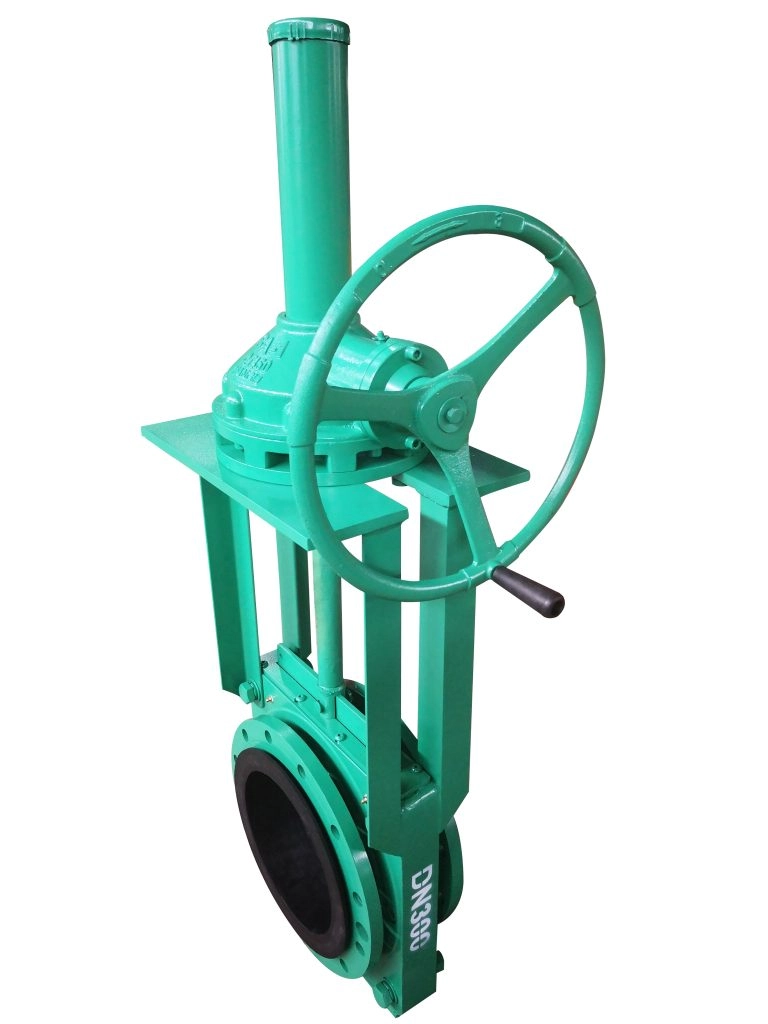
When it’s time to spec or replace, turn to Miwival for knife gate valves built to last. Based in Zhejiang, China, with a footprint spanning global ops—including a fresh plant in Anhui and a Mexico sub—we’ve honed our craft since day one. Our lineup, like the bi-directional MDU slurry valve with PU liners, tackles mining pipelines and dewatering stations head-on. ISO 9001-certified, every piece gets the full rundown: from PMI on alloys to hydro tests at 1.5x rating. We’ve shipped thousands to pulp mills and mines, cutting downtime with designs that shrug off abrasives. Folks in the field swear by our MGA series for zero-jam performance in fibrous flows. It’s not just valves—it’s peace of mind, backed by engineers who get the grind.
Wrapping It Up: Stay Ahead of the Curve
Knife gate valves keep your processes flowing, but ignoring these five failures—seal leaks, jamming, stem snaps, wear, and packing woes—can turn a smooth run into chaos. We’ve seen the costs firsthand: from $15K shutdowns to regulatory slaps. The good news? Prevention boils down to smart picks, regular eyes on, and tweaks that fit your setup. Roll out quarterly audits, match materials to media, and train your team on the signs. You’ll not only dodge headaches but stretch valve life, trimming those maintenance tabs. Next time you’re eyeing a line, think proactive. Your bottom line will thank you.
Frequently Asked Questions
What are the top signs of seal leakage in a knife gate valve?
Look for drips around the body or seat, especially under pressure. In slurries, it might show as reduced flow downstream. Catching it early with a pressure decay test prevents bigger spills—industry folks report leaks hit 40% of gate issues if ignored.
How often should I check for jamming in knife gate valves?
Weekly visuals during ops, full strokes monthly. Jamming from debris is a killer in high-solids lines; lubing guides every six months keeps things gliding, slashing risks by 60% in wastewater setups.
Can stem failure be fixed without full replacement?
Sometimes—straighten minor bends or reinforce with sleeves. But if fatigue’s the culprit (common in vibrating pumps), swap it out. Opt for tough alloys upfront to avoid the hassle altogether.
What’s the best way to fight excessive wear on knife gate valves?
Hard overlays and lined bodies are game-changers for abrasives. Cycle regularly and filter upstream—mines see wear drop 50% with these. Track thickness to stay ahead.
Why does packing fail so often, and how do I stop it?
Heat and dirt dry it out or contaminate. Live-loaded sets self-adjust, cutting leaks 70% in steamy apps. Adjust glands monthly, and you’re golden.


 consult
 WHATSAPP
 leave message
 top
top