
5 Signs It’s Time to Replace Your Corroded Valve with a Fluoropolymer-Lined Butterfly Valve
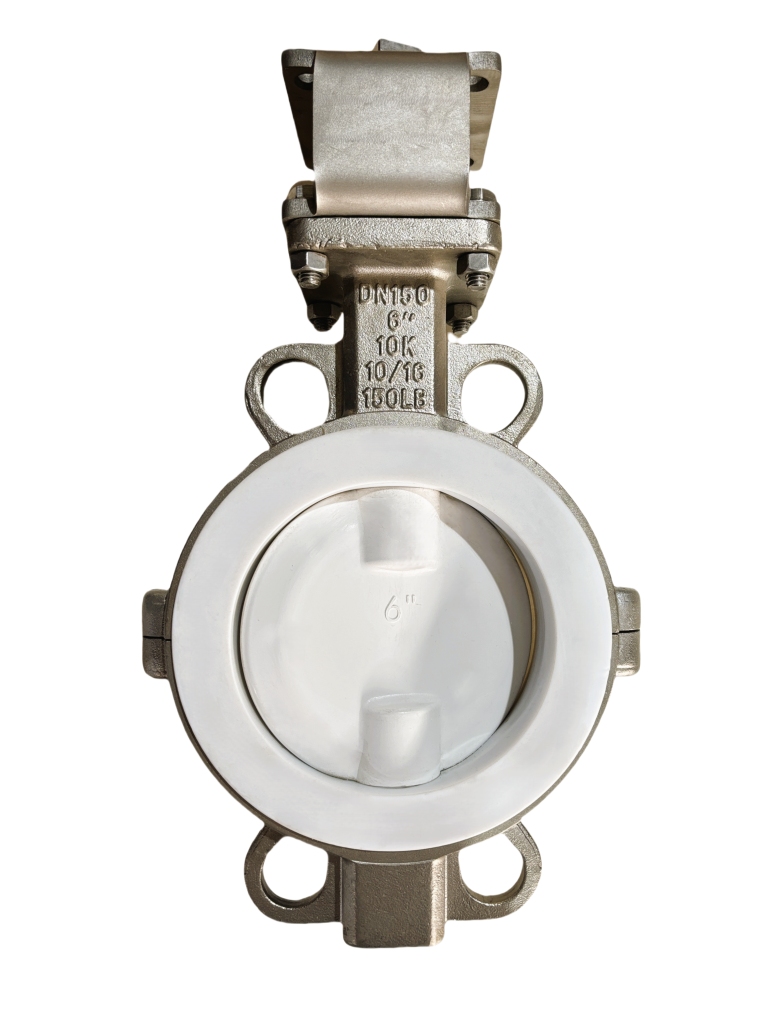
Plant operators and maintenance crews deal with it every day. Corrosion sneaks up. One shift everything runs fine. Next thing you know, leaks appear. Downtime hits. Production slows. In chemical plants, wastewater facilities, or sugar and ethanol processing lines, corrosive fluids eat away at standard valves fast. Acids, alkalis, salts—they don’t play nice with plain metal. When that happens, a Fluoroethylene Lined Butterfly Valve often steps in as the smart fix. It’s built tough against that kind of attack. Here are five clear signs your current valve needs replacing. Spot these early, and you avoid bigger headaches.
Sign 1: Visible Corrosion or Pitting on the Valve Body
Start simple. Walk up to the valve. Look close. Rust spots. Pitting. Flaking paint or metal. These aren’t just cosmetic. They signal the material breaking down inside and out.
In harsh lines carrying hydrochloric acid or caustic solutions, carbon steel bodies pit deep within months if unprotected. Once pitting starts, leaks follow. Small at first. Then bigger. You end up patching or replacing way sooner than planned.
A Fluoroethylene Lined Butterfly Valve changes that. The body gets lined with fluoroethylene plastic—usually PTFE or similar. That lining blocks direct contact between the corrosive media and the metal. Operators in chemical processing report going years without visible corrosion after switching. No more constant inspections for rust. Just steady performance.
Sign 2: Leaks at the Stem or Seat
Leaks rank high on the trouble list. You see drips around the stem packing. Or fluid seeps past the seat when the valve closes. That’s a red flag.
Standard butterfly valves rely on metal-to-metal or basic elastomer seats. Corrosive fluids chew through elastomers quick. Packing wears faster too. Result? Product loss. Safety risks. Cleanup costs. In one wastewater plant handling seawater and chemicals, leaks cost them thousands in lost product and fines before they upgraded.
Fluoropolymer-lined versions use soft sealing with fluoroethylene material between seat and disc. It gives tight, zero-leakage shutoff. The lining resists chemical attack. Seals last longer. Replace them if needed without major hassle. That means fewer emergency stops and cleaner ops.
Sign 3: Frequent Maintenance or Early Valve Failure
How often do you pull that valve for service? Every few months? That’s not normal in a well-designed system. Constant rebuilds eat labor hours and parts budgets.
Non-lined valves in corrosive service fail early. Discs erode. Seats crack. Stems bind. A sugar mill running ethanol lines saw their old butterfly valves need overhauls twice a year. Downtime piled up. Costs climbed.
Switch to a lined model. The fluoroethylene layer shields key parts. Disc options include stainless, duplex, or even Hastelloy for extra protection. Seats from PTFE, PFA, or FEP hold up. Maintenance drops to yearly checks or less. Real-world numbers show 50-70% less downtime in similar setups after the change.
Quick Maintenance Comparison
|
Issue |
Standard Valve in Corrosive Service |
Fluoroethylene Lined Butterfly Valve |
|
Maintenance Frequency |
Every 3-6 months |
Annually or less |
|
Seal Replacement Cost |
High (frequent) |
Low (rare) |
|
Downtime per Incident |
8-24 hours |
Minimal |
|
Long-Term Parts Spend |
High |
Much lower |
The table tells the story. Lined valves shift the balance toward reliability.
Sign 4: Pressure Drops or Flow Issues
Notice uneven flow? Pumps working harder? Gauges showing bigger pressure loss across the valve? Corrosion builds up inside. It narrows passages. Discs get rough or deformed.
That extra resistance forces energy waste. Pumps draw more power. Operating costs creep up. In HVAC systems with treated water or mild corrosives, buildup still happens over time. But in aggressive media like acids, it accelerates.
Fluoroethylene Lined Butterfly Valves fight back. The disc uses a flat plate design. Flow resistance stays low. Lining keeps the bore smooth—no buildup. Pressure drop stays minimal. One ethanol plant reported 10-15% better flow efficiency after installing lined butterflies. Pumps ran cooler. Bills dropped.
Sign 5: Safety Concerns or Regulatory Warnings
This one hits hard. A leaking valve in a hazardous line risks spills. Vapors. Exposure. Then come inspections. Citations. Shutdown orders.
Regulators watch corrosive service closely. If your valve shows repeated issues, they notice. Fines add up. Insurance premiums rise. Worst case, operations halt until fixed.
A fluoropolymer-lined butterfly valve offers peace of mind. Strong corrosion resistance. Reliable zero-leakage sealing. Compliance with standards like API 598, ISO 5208, and EN 12266-1. Sizes from 2″ to 20″. Wafer, lug, or flanged connections. Manual, pneumatic, electric, or hydraulic actuation. Temperature range covers -20°F to 302°F. Pressure up to 175 psi for smaller sizes. It fits tough spots in chemical, potable water, wastewater, or seawater lines.
Meet Miwival: Your Go-To Supplier for Valves, Actuators, and Accessories
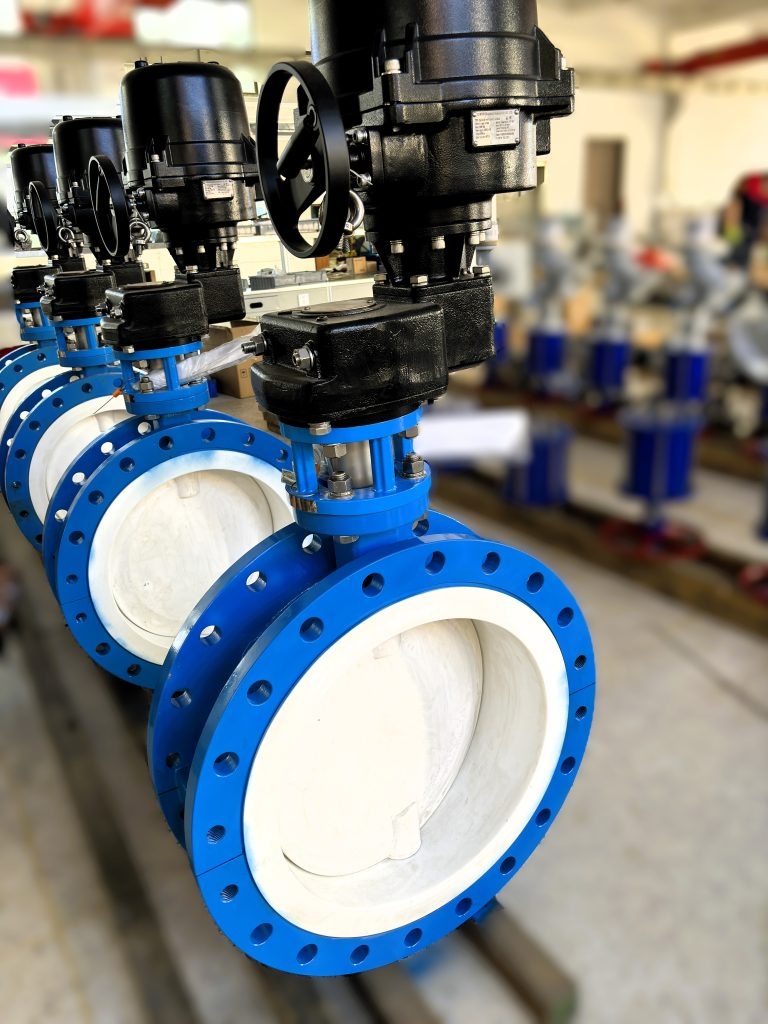
Before we wrap, here’s a quick look at Miwival. They specialize in valves, actuators, and accessories as a one-stop flow control provider. They focus on compatibility, economy, and solid performance. Their mission: “Valves & Automation For a Safer World.” They aim for one-stop service with fast two-week delivery and 24-hour online support. Trained teams and partners deliver knowledgeable help and personal attention. They handle everything from standard to severe service applications. Quality stays front and center.
Conclusion
Corrosion doesn’t wait. It creeps in. Then it costs you—money, time, safety. Spotting those five signs early lets you act before things spiral. Replacing a corroded valve with a Fluoroethylene Lined Butterfly Valve brings real relief. Better resistance. Tighter seals. Less maintenance. Smoother flows. Safer runs. If your plant deals with tough media, this upgrade pays off quick. Don’t let a failing valve dictate your schedule. Make the switch. Your operation will thank you.
FAQs
What exactly is a Fluoroethylene Lined Butterfly Valve?
It’s a butterfly valve with the body and flow path lined in fluoroethylene plastic, usually PTFE or similar fluoropolymers. The lining protects against corrosive media like acids, alkalis, and salts while keeping strong sealing and low flow resistance.
How do I know if corrosion has gone too far on my current valve?
Look for pitting, rust, leaks at the stem or seat, frequent service needs, unusual pressure drops, or safety flags. Any of these mean the valve is losing integrity fast in corrosive service.
Can a Fluoroethylene Lined Butterfly Valve handle my plant’s temperature and pressure?
Yes. It covers -20°F to 302°F and pressures up to 175 psi (smaller sizes) or 150 psi (larger). It works in chemical lines, wastewater, seawater, sugar/ethanol, and HVAC with aggressive fluids.
Does switching to this lined valve really cut maintenance costs?
In most cases, yes. The corrosion-resistant lining and durable soft seals reduce rebuilds dramatically. Plants often see maintenance drop by half or more, plus lower downtime and parts spend.
Is this valve suitable for frequent operation or automated systems?
Definitely. Lightweight design and low operating torque make it easy to handle manually. It pairs well with pneumatic, electric, or hydraulic actuators for automated setups in industrial pipelines.


 consult
 WHATSAPP
 leave message
 top
top