API, MSS, ISO or EN? A Complete Guide to Valve Standards for Global Buyers
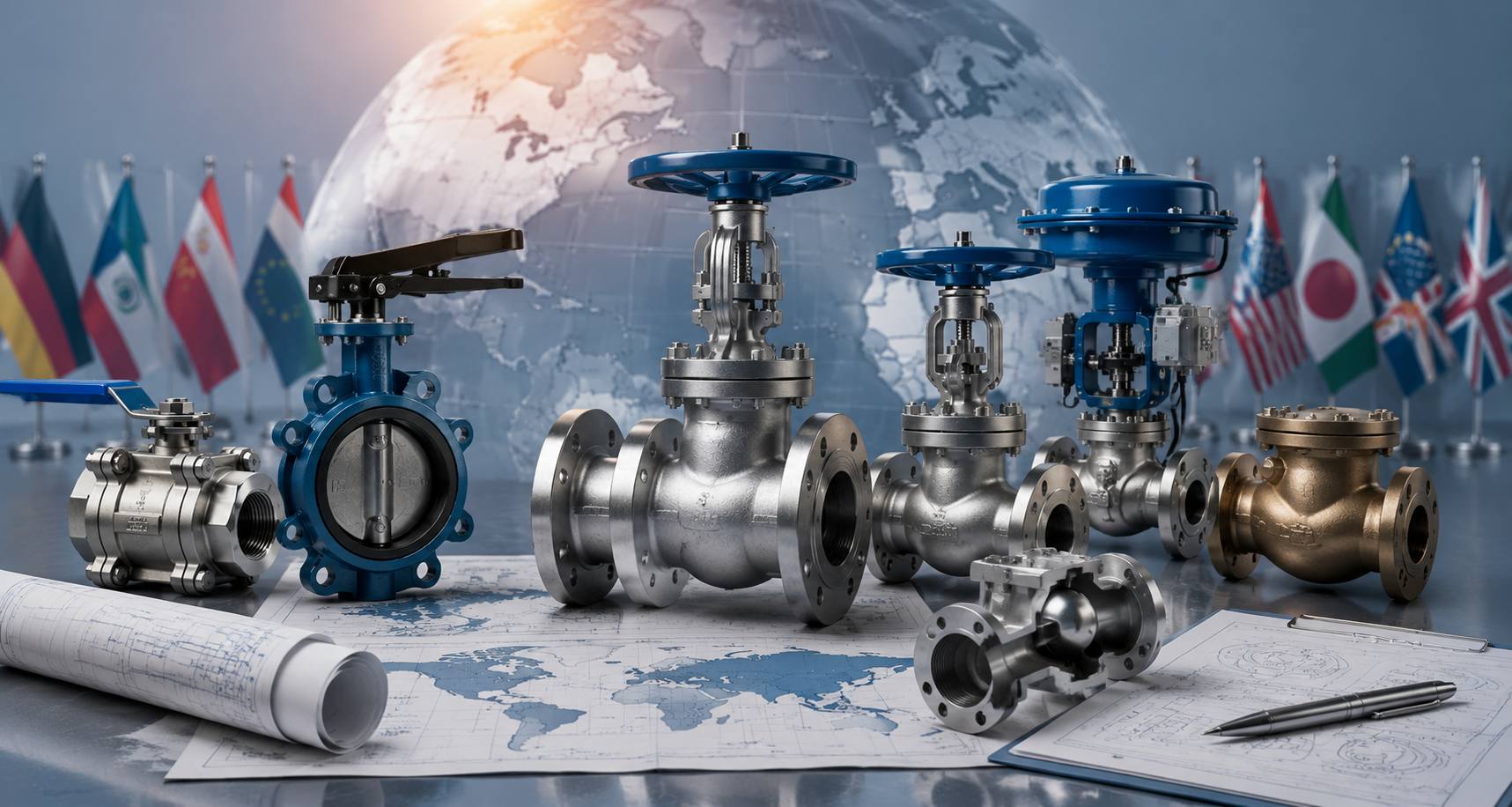
In case of overseas customers looking to purchase industrial valves, the choice of the proper item depends on more than just its type or price. There might be special requirements for valves in certain markets and industries; failure to comply with such requirements would mean difficulties when installing, inspecting, analyzing documents, and maintaining these valves later. Some of the most frequent standards considered during international valve procurement include API, MSS, ISO, and EN standards.
Why do valve standards matter when purchasing industrial valves?
Valve standards provide technical requirements for design, manufacturing, testing, dimensions, and performance evaluation. They help buyers communicate requirements clearly with suppliers and reduce misunderstandings during international projects.
How can incorrect valve standards create purchasing risks?
A valve that meets one standard may not automatically meet another market’s requirements. For example, a valve selected according to the wrong dimensional standard may create installation problems even if the product itself performs normally.
Common purchasing risks include:
- Incorrect flange dimensions;
- Different pressure class requirements;
- Incompatible testing procedures;
- Missing documentation;
- Delays during project approval.
Experienced buyers usually confirm the required standard before requesting quotations. This prevents suppliers from offering products that cannot be used for the intended application.
What should buyers confirm before selecting a valve standard?
Prior to the selection of a standard, customers need to analyze all project needs. The following points need to be considered: application type, industry compliance, site of installation, pressure, temperature, media properties, and customer requirements.
Valves intended for use in the oil and gas industry might have to meet different criteria than valves used in water treatment or other industries.
The correct standard depends on the project, not simply on which standard is more familiar.
What is the difference between API, MSS, ISO, and EN valve standards?
The four standards are not direct substitutes for each other. They are developed by different organizations and often focus on different technical areas.
When are API valve standards commonly required?
API standards are widely associated with industries involving demanding operating conditions, including oil, gas, and energy-related applications.
API requirements may cover areas such as:
- Valve design;
- Pressure performance;
- Testing requirements;
- Material considerations;
- Manufacturing practices.
For buyers working on projects that specify API requirements, confirming the exact applicable API standard is important because different valve types may follow different specifications.
What role do MSS valve standards play in valve selection?
MSS standards are commonly used for valves, fittings, and related piping components. They often provide technical guidance related to dimensions, materials, and industry practices.
MSS standards may appear in projects where buyers need specific requirements for industrial piping components. They can be used together with other project specifications depending on the application.
Buyers should confirm whether MSS requirements are mandatory project requirements or simply referenced technical guidelines.
How do ISO and EN standards affect global valve procurement?
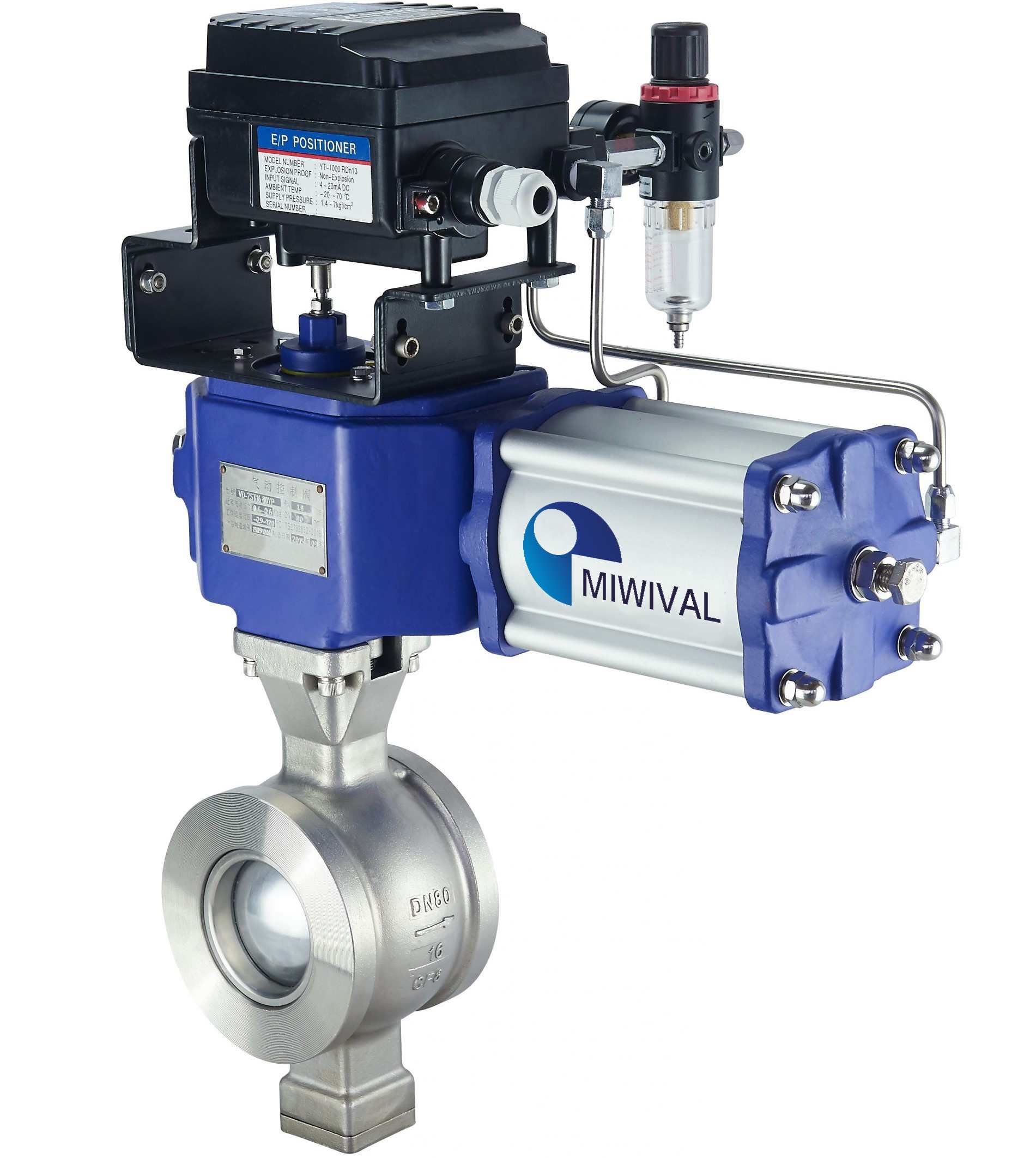
International projects often involve different regional requirements. ISO and EN standards are frequently considered when products are supplied across different markets.
Why are ISO valve standards important for international projects?
ISO standards are developed as international standards and are often used to create common technical references between different regions.
For valve buyers, ISO-related requirements may involve aspects such as:
- Product dimensions;
- Testing methods;
- Quality-related requirements;
- Technical compatibility.
However, ISO compliance does not automatically replace every local or industry-specific requirement. Buyers should check the complete project specification before making a decision.
When are EN valve standards required?
EN standards are commonly used within European markets and projects connected with European technical requirements.
For buyers supplying European projects, EN standards may affect valve design, testing, documentation, and acceptance procedures.
The required EN standard depends on the valve type and application. Buyers should identify the exact standard referenced in project documents instead of assuming all European projects require the same requirements.
How should buyers compare valve standards for different applications?
Choosing a valve standard requires matching technical requirements with actual operating conditions.
Which factors should be considered when comparing standards?
A practical comparison should include:
|
Factor |
Buyer Consideration |
|
Application |
Industry and working environment |
|
Pressure rating |
Operating pressure requirements |
|
Temperature range |
Media and surrounding conditions |
|
Material compatibility |
Corrosion and chemical exposure |
|
Testing requirements |
Inspection and acceptance criteria |
|
Documentation |
Project approval requirements |
The most suitable standard is the one that matches the application and customer expectations.
Why should buyers avoid selecting standards only by market preference?
A common mistake is choosing a standard simply because it is popular in a certain region. However, project requirements may be more specific than regional preferences.
For example, a project located in one country may still require API specifications because of the industry involved. Another project may accept ISO-based documentation depending on the application.
The buyer should always confirm the actual specification rather than relying on general assumptions.
How do valve standards influence testing and quality inspection?
Standards often define how valves should be evaluated before delivery. Understanding these requirements helps buyers communicate inspection expectations.
What testing information should buyers request?
Before purchase, buyers should confirm available testing documentation related to the selected valve standard.
Depending on the product and project, this may include information about:
- Pressure testing;
- Leakage testing;
- Material documentation;
- Inspection procedures;
- Product traceability.
Buyers should distinguish between product testing, factory quality procedures, and supplier declarations. These documents provide different types of information.
How can standard compliance reduce procurement problems?
Clear standard requirements help both buyers and suppliers align on product expectations.
When the required standard is confirmed early, suppliers can prepare suitable designs, materials, testing procedures, and documentation. This reduces the possibility of changes after production has started.
However, compliance with a standard should always be verified through relevant documentation rather than assumed based on supplier statements alone.
How can buyers choose a valve supplier with the right technical capability?
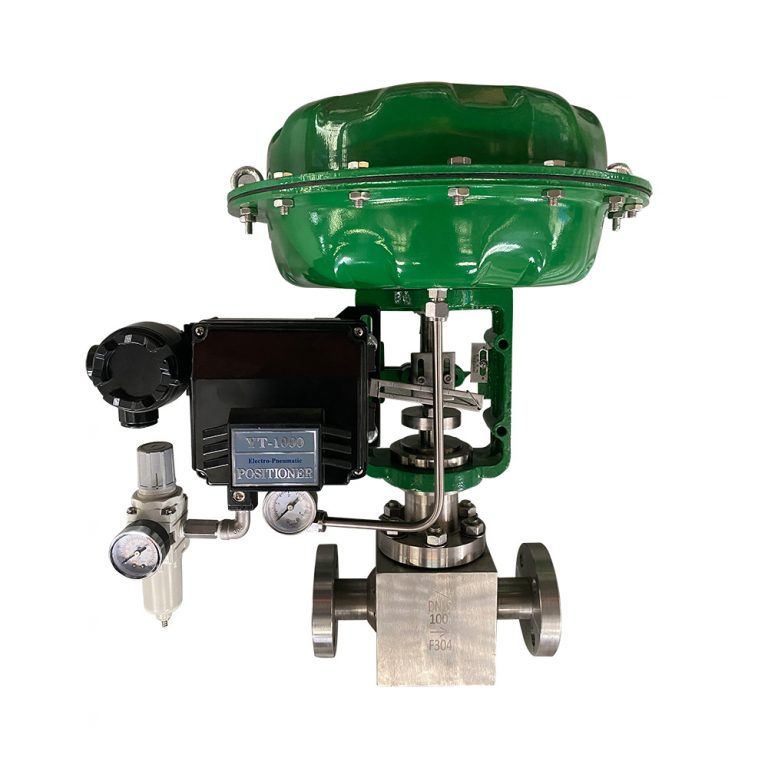
Selecting the right supplier is as important as selecting the right standard. A supplier needs to understand both the product requirements and the application conditions.
What should buyers evaluate before working with a valve supplier?
A professional evaluation may include:
- Technical communication ability;
- Product specification support;
- Manufacturing capability;
- Quality inspection process;
- Documentation support;
- Delivery management.
A supplier that can discuss standards clearly is usually better positioned to support international projects.
Why does technical communication matter in valve procurement?
Valve projects often involve many technical details, including materials, pressure ratings, connection methods, testing requirements, and documentation.
Poor communication can result in incorrect quotations or unsuitable products. Clear discussion between buyers, engineers, and suppliers helps ensure that the selected valve matches the actual system requirements.
How can Miwival support global valve procurement projects?
Miwival offers valve products and valve solutions for those customers who need industrial valve applications. Miwival helps buyers in product selection, communication, and discussion of the project requirements. For procurement projects done internationally, the cooperation will include review of the valve specifications, operational conditions, documentations, and delivery. However, the buyers must compare suitability of the product, technical documentation, pricing, and delivery services before choosing a valve supplier.
Conclusion
The use of valve standards is very significant in international sourcing, as it gives technical specifications for design, testing, and documentation. API, MSS, ISO, and EN standards serve their own purposes and must be chosen depending on the needs of the project. It is important for the purchaser to consider the operating conditions, materials’ compatibility, testing requirements, and the competence of the supplier in order to make a proper choice. The appropriate standard selection may contribute to decreasing installation and sourcing risks.
FAQs
1. What is the difference between API and ISO valve standards?
API standards are often associated with specific industrial applications such as oil and gas, while ISO standards provide international technical references across different markets. The suitable standard depends on project requirements.
2. Are EN valve standards required for all European projects?
Not necessarily. EN requirements depend on the valve type, application, and project specifications. Buyers should confirm the exact standard mentioned in project documents.
3. Can one valve meet API, MSS, ISO, and EN standards at the same time?
Some products may reference multiple standards, but compliance depends on the specific requirements of each standard and the valve design. Buyers should confirm available documentation.
4. What documents should I request when purchasing valves internationally?
Buyers may request product specifications, testing records, material information, inspection documents, and other technical files required by the project.
5. How do I choose the right valve standard for my application?
Start by reviewing the industry, operating conditions, customer requirements, applicable regulations, and installation specifications. The correct standard should match the actual project needs.


 consult
 WHATSAPP
 leave message
 top
top