Check Valve Fundamentals: Understanding Its Mechanism and Function
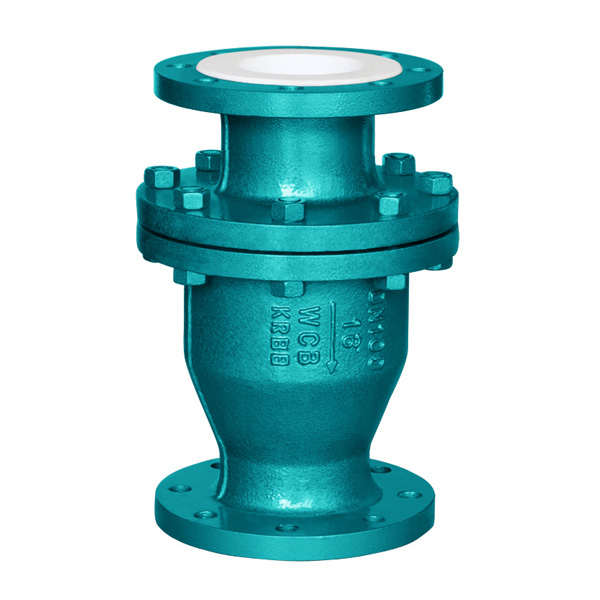
Check valves are used in piping systems to control the direction of fluids. In industries such as oil and gas, water treatment, and chemical processing, check valves are critical to safe and efficient operation. The Hydraulic Institute reported in its 2023 report that poor valve selection is responsible for approximately 20% of all unscheduled maintenance actions performed on fluid systems. Selecting the proper check valve, and configuring it to match the requirements of the application, is critical to engineers designing large pipe runs and pump stations. Understanding how a check valve behaves under various scenarios will allow the engineer to better design systems to operate reliably and avoid costly unscheduled down time.
What Is a Check Valve and How Does It Operate?
We’ll cover how check valves can function within a system before covering check valve types and uses.
The Basic Mechanism Behind Flow Control
A check valve allows flow in one direction and automatically closes to prevent backflow when pressure drops or reverses. Its internal components typically include a disc, seat, and spring mechanism that respond dynamically to pressure changes. Variations such as swing, lift, ball, and diaphragm check valves offer different responses to flow conditions. For example, a swing check valve relies on gravity or backpressure to close the disc against the seat, while a spring-loaded lift type uses mechanical force for faster response in high-pressure lines.
Key Factors Influencing Valve Performance
The difference in pressure on the two sides of the valve determines the speed of opening and closing of the valve. The material chosen for the valve will have a greater or lesser degree of resistance to erosion and corrosion when dealing with certain fluids, i.e. acids, steam, hydrocarbons etc. The orientation in which a valve is installed can be critical for some designs, i.e. horizontal is the most usual, but a vertical installation can provide better operation for lift or piston type valves.
Why Are Check Valves Essential in Industrial Systems?
Industrial systems rely on processes operating in a consistent flow direction. Reverse flow can cause serious mechanical damage.
Preventing Equipment Damage and System Downtime
Reverse flow can cause severe damage to the impeller of a pump or create water hammer like effects leading to serious damage to the pipeline in question. Sizing of suitable check valves can mitigate risk of surge pressure during unexpected shutdowns. In addition to preventing reverse flow, proper sizing of backflow preventing valves also prevents significant energy losses that can total up to 10% loss in efficiency of a system as per ASME data. In a recent case study in a Refinery, the vibration-related failures of a number of pumps were reduced by 15% over a period of 6 months following the change from a number of undersized non-return type valves to correctly-rated check valves.
Enhancing Safety and Compliance Standards
Check valves in chemical plants are designed to prevent backflow contamination and protect operators. It is critical that these valves are specified to meet API 594 or ISO 5208 standards. Meeting these specifications allows for safe operation of critical plant systems and allows chemical plant facilities to maintain their certification in environmental safety audits.
Which Types of Check Valves Suit Different Applications?
The appropriate configuration for a given application depends on a number of factors related to both the fluid being pumped and the particular installation.
Swing Check Valves for Low-Velocity Flow Systems
A swing check valve is often used in water distribution systems because of the minimal pressure loss through the valve. These valves are straightforward in design and maintenance is usually not a problem. However, in cases of pulsating flow, such as from pumps, the rapid closure of a swing check valve can cause shock waves.
Lift Check Valves for High-Pressure Environments
Lift type check valves are typically used on steam lines or high pressure gas lines where rapid closure is a design criteria. In such applications, the check valve is installed in a vertical position and this allows for optimum sealing when under fluctuating loads. This type of check valve is very popular in power stations as it is able to withstand repeated thermal cycling without losing tightness at elevated temperatures.
Ball and Dual Plate Designs for Compact Installations
Ball check valves are ideal for handling of very viscous liquids without risk of blockage. Dual plate (or wafer) type check valves are space saving and are ideal for HVAC applications or marine environments where compactness is a priority without sacrificing performance.
How Do Maintenance Practices Affect Valve Longevity?
Even the best valve is subject to the normal wear and tear associated with valves. As such, it is subject to the same type of routine maintenance in order to guarantee optimal operation over the long term.
Routine Inspection and Testing Protocols
Regular inspection periods of around 6 months can highlight early wear on the seats and discs. Hydrostatic testing of valves can check the seal of the valves under simulated operating conditions. More and more facilities are today monitoring and analyzing the pressure in real time and thus also are able to predict maintenance requirements before a leakage occurs.
Common Issues Leading to Premature Failure
Accumulation of debris can cause incomplete closure or internal leakage. Incorrect installation orientation can cause increased fatigue on parts that move. Using of incompatible materials can cause rapid corrosion in aggressive media. For example, a stainless steel valve is installed in a brine line that contains a lot of chloride. The valve is not coated and within a few months of operation the valve is pitted with corrosion.
How Can Engineers Optimize Cost Efficiency with Proper Valve Selection?
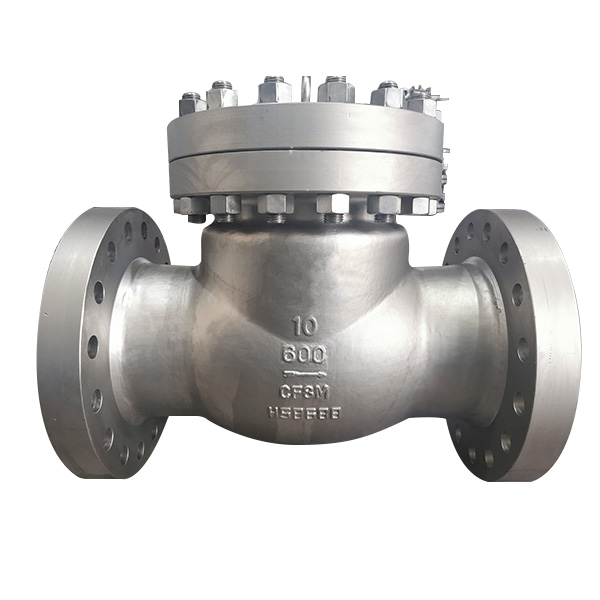
Reducing total lifecycle expenses is primarily driven by selecting equipment components of suitable endurance relative to the associated system demands.
Evaluating Total Cost of Ownership (TCO) Instead of Purchase Price Alone
High quality valves can deliver up to 30% saving in maintenance costs over their life compared to lower quality alternatives. By including lifecycle costs in initial specifications engineers can realize better ROI than just buying the cheapest item at the start.
Balancing Performance with Operational Demands
Over sizing of valves causes higher energy consumption due to higher opening pressures, under sizing of units causes loss of flow capacity of pumps which results into increased work load on pumps and higher operational cost. Accurate sizing of units at the time of design is critical to avoid inefficiency and premature wear of units while running large industrial applications.
Who Is Miwival and What Role Do They Play in Reliable Flow Control Solutions?
Miwival specializes in supplying high quality check valves of industrial application. These check valves are utilized in industries such as the Petrochemicals sector, Desalination Plants and Power generation. The Engineering department of Miwival provides technical assistance to clients during the design phase of the complete system. It helps clients in selecting the correct material, assists in correct sizing and verifies complete compliance. The technical assistance provided by Miwival extends beyond supplying products. Miwival’s engineering team provides on-site inspection during commissioning of the plant to ensure that it has been correctly installed. Post installation, Miwival also monitors the operation of the check valves and provides the client with predictive maintenance information based on the check valves’ actual operating experience.
Conclusion
For engineers designing fluid control systems for various industries, understanding check valve principles is crucial to master. Choosing the right check valve type is key to optimal operation and lowers life cycle costs. Regular checks on the condition of the check valve, whether it is worn or misaligned, can help to avoid any downtime. Calculating the total cost of ownership of a check valve allows to align its performance with the means available. Working with a supplier, such as Miwival, who has plenty of experience with check valves, not only offers the right check valve for the application, but also has the necessary expertise to ensure optimal operation in the long run.
FAQs
1. What is the difference between a swing check valve and a lift check valve?
A swing check valve is a type of check valve that uses a hinged disc that swings open in forward flow. A lift check valve is a type of check valve that uses a vertical moving disc against a seat to seal under pressure.
2. How often should industrial check valves be inspected?
Typically every six months under normal service conditions. Under corrosion or high cycle conditions more frequently is recommended.
3. Are check valves suitable for vertical installation?
Yes. Depending on the model lift check valves and spring loaded check valves can be used in vertical applications. Gravity will even close the valve for you.
4. What causes water hammer in check valves?
Water hammer in check valves are primarily caused by the rapid closure of the valve due to sudden flow reversal and the resulting shock waves in the fluid stream. Damped or slow-closing check valves are available to minimize water hammer effects.
5. How does material selection affect valve performance?
Choosing alloys resistant to corrosion or abrasion extends service life—stainless steel suits chemical processes while bronze fits marine systems better.


 consult
 WHATSAPP
 leave message
 top
top