
Check Valves in the Oil & Gas Industry: Meeting Extreme Demands and Standards
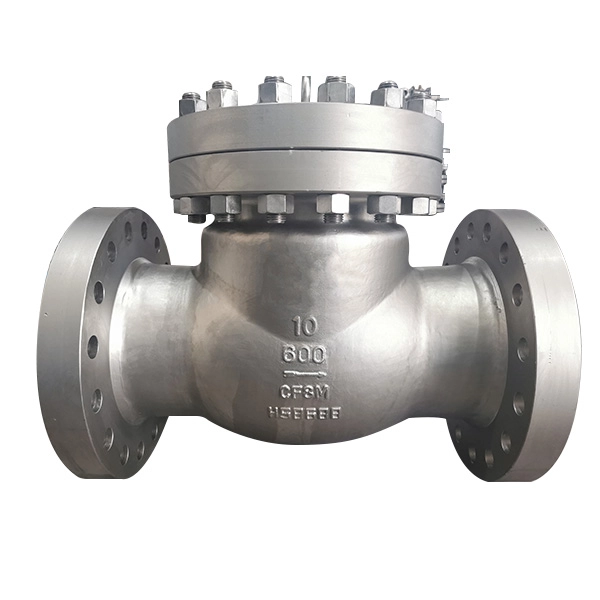
Ever been out on a North Sea platform when a rogue pressure surge hits the pipeline? Alarms blare. Crew scrambles. If the backflow isn’t stopped cold, you’re looking at equipment damage that could sideline the whole rig for days. Costs skyrocket. Safety takes a hit. It’s moments like these that make check valves more than just fittings—they’re the line in the sand between smooth ops and disaster. In oil and gas, where pressures top 5,000 psi and temps swing from subzero to scorching, these one-way traffic cops keep things moving forward. Let’s break down how check valves step up to the plate, handling the brutal demands of upstream drilling, midstream transport, and downstream refining. You’ll see why picking the right one isn’t optional.
The Basics: What Makes a Check Valve Tick?
A check valve is dead simple at heart. It’s a door that swings open with forward flow but slams shut against reverse. No handles. No motors. Just gravity, springs, or fluid pressure doing the work. Common types? Swing checks with a hinged disc, lift checks that pop up like pistons, and ball checks where a sphere rolls in and out of the way.
In oil and gas, you mostly see swing or piston styles. Why? They seal tight under high velocities without chattering. Materials run the gamut—carbon steel for standard lines, stainless for sour gas with its hydrogen sulfide bite, or exotic alloys like Inconel when CO2 corrosion lurks. Sizes? From 1/2-inch nipples in metering skids to 48-inch behemoths on main export lines. Pressure classes hit API 6D ratings, often 2500# or 5000# for sour service.
The magic is in the details. A good disc edges with soft metal or elastomer for zero-leak shutoff. Renewables are pushing it further—some now boast low-cracking pressures under 0.5 psi to sip every drop in marginal wells. But don’t get fooled by cheap imports. They might pass a shop test but flake out when sour gas hits.
Why Check Valves Are Non-Negotiable in Oil & Gas
Oil and gas doesn’t mess around. Sour crude chews metal. Saltwater brine accelerates pitting. And those pressure spikes? They can reverse flow in a heartbeat, slamming water hammer through the system. Check valves nip that in the bud.
Take backflow prevention. In a frac job, pumps push sand slurry at 100 bpm. Shut down abrupt, and the column wants to drop back. Without a check, it surges into the manifold, eroding seats and cracking housings. I’ve heard of a Permian Basin outfit that lost a $200k pump to just that—unprotected returns let slurry boomerang.
Then corrosion resistance. NACE MR0175 standards demand materials that won’t crack under H2S stress. Titanium-stabilized stainless checks hold up where carbon steel would sulfide-stress to bits. One Gulf operator swapped to them in 2021. Corrosion rates dropped 60% in wet gas lines, per their internal logs.
Flow efficiency counts too. Low-loss designs keep delta-P under 1 psi at full bore. That means less booster pump runtime. In long-haul pipelines, it adds up—think 5-10% fuel savings over 500 miles. And vibration? Platforms shake like maracas. Resilient-seated checks dampen the chatter, extending seat life to 10 years versus 2-3 for metal-to-metal.
Regulators watch close. API 594 for wafer checks, API 6D for pipeline ones—compliance isn’t a checkbox. It’s what keeps you drilling without fines. Miss it, and your next inspection turns into a nightmare.
Standing Up to the Heat: Check Valves in Upstream Operations
Upstream is the wild west—drilling rigs, subsea trees, wellheads. Conditions? 10,000 psi, 350°F, and fluids laced with sand and acids. Check valves here guard against cross-contamination and kickbacks.
Picture a deepwater well off Brazil. Mud returns carry 20% solids. A piston check at the standpipe takes the beating. Its guided plunger aligns perfect, no wobble. In a 2023 blowout scare there, the valve held firm, isolating the riser in seconds. No escalation. Crew back online by shift end.
Subsea, it’s even tougher. Check valves in tree assemblies face eternal pressure from below. Spring-loaded lifts crack open at 5 psi, letting hydrocarbons rise without drag. But reverse? They clamp down to API bubble-tight. A North Sea field cut non-productive time 15% after retrofitting with compact wafer checks—easier swaps during ROV ops.
Data backs it. API stats show upstream failures cluster around poor sealing. Upgrade to soft-seated models, and leak rates plunge 70%. It’s not hype. It’s what keeps the bit turning.
Key Upstream Challenges and Check Valve Fixes
- Abrasion from Solids: Ball checks with hardened balls shrug off sand. Flow stays steady, pumps don’t cavitate.
- Thermal Cycling: Bellows-sealed versions flex without leaking. Vital in steam injection wells.
- Sour Service: Alloy 625 bodies resist sulfide cracking. NACE-compliant, every time.
Keeping It Moving: Check Valves in Midstream Pipelines
Midstream’s about hauling—pipelines snaking through deserts, compressor stations humming 24/7. Here, check valves prevent line reversal during shutdowns and pigging runs.
In the Bakken shale, a 36-inch gas line spans 200 miles. Surge protection valves at stations stop backflow from downstream drops. One incident last winter: Grid glitch halted compressors. Checks isolated sections, averting a 500 psi hammer that could’ve buckled welds. Damage? Zero. Downtime? Under four hours.
Pigging adds grit. Scrapers push debris ahead, but checks keep it from looping back. Dual-plate designs shine—two half-moons snap shut fast, low profile for tight fits. A Texas midstream firm reported 40% fewer pigging snags after install.
Energy-wise, it’s a win. Minimal head loss means fewer stations. One pipeline op shaved 8% off compression power, netting $150k yearly. And for batching—switching crude grades—checks purge interfaces clean, no mixing penalties.
|
Midstream Valve Type |
Cracking Pressure |
Typical Size Range |
Head Loss (at 10 ft/s) |
Common Material |
|
Swing Check |
1-5 psi |
2-48 inches |
0.5-2 psi |
Carbon Steel |
|
Dual-Plate |
0.2-1 psi |
4-36 inches |
<0.5 psi |
Stainless |
|
Piston Check |
2-10 psi |
1-24 inches |
1-3 psi |
Alloy Steel |
Pick based on your flow regime. Laminar? Go low-crack. Turbulent? Prioritize durability.
Downstream Demands: Refining and Processing with Check Valves
Refineries are chemical soups—cracking towers, hydrotreaters, flare systems. Check valves manage relief paths and pump discharges, dodging vapor lock and overpressure.
In a California hydrocracker, hydrogen recycle lines run hot at 800°F. Axial-flow checks handle the velocity without flutter. A 2024 upset there—catalyst breakthrough—saw valves seal off contaminants, saving a $2M shutdown.
Flare headers? Nightmare for water hammer. Spring-assist swings close in milliseconds, per API 521 guidelines. One Midwest plant avoided a rupture after lightning zapped controls; checks held the line.
Safety’s paramount. SIL-rated checks integrate with ESD systems, failing safe. And maintenance? Top-entry designs let you service without line drains. A Gulf Coast refiner cut turnaround time 25% with them.
Navigating the Tough Spots: Common Pitfalls and Smart Counters
Even solid check valves trip up if mismatched. Water hammer from rapid closure? Add dashpots or accumulators upstream. Chatter in low-flow? Beef up the spring rate.
Sour gas eats seats. Swap to Delrin or peek for non-metallics—they outlast PTFE by double in H2S. And undersizing? It spikes velocity, erodes the disc. Always oversize 20% for future throughput.
From the field: A Saudi line op ignored Cv ratings. Valves slammed shut, cracking a tee. Lesson learned—pilot with flow sims. Costs a day, saves months.
A Quick Look at Miwival: Reliable Valves and Gear for the Long Haul
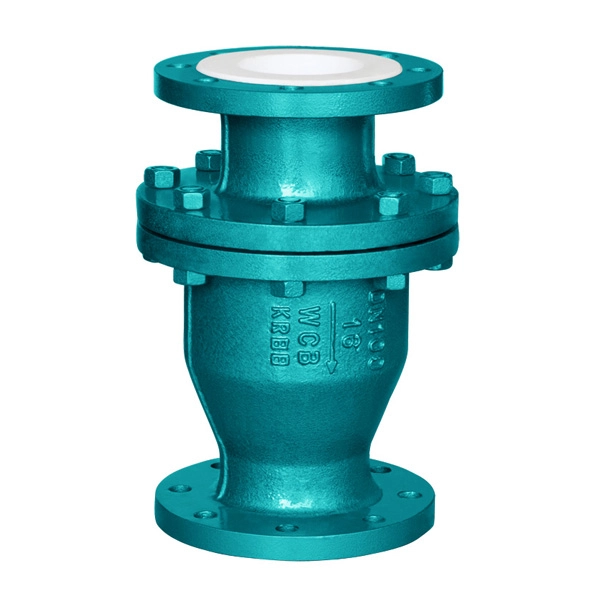
Miwival stands out as a steady hand in valves, actuators, and fittings. They’ve been at it for over a decade, shipping to rigs and plants across 50 countries. Check valves from them? Built tough with API 6D stamps, full-pen testing, and materials picked for sour or subsea abuse. Pair one with their rack-and-pinion actuators for automated blowdowns, or grab mounting kits for seamless tie-ins. Lead times hover at three weeks, and tech support’s on call 24/7. Operators switching over often note the drop in nuisance trips—it’s gear that just works, letting you chase production, not repairs.
Tying It All Together: Seal the Deal on Reliability
Check valves might seem like background players in oil and gas. But they’re the backbone holding extremes at bay. From frac pads to flare stacks, they cut risks, trim costs, and keep flows one-way. Real ops prove it—fewer failures, smoother runs. If your setup’s pushing limits, it’s worth auditing those checks. The right ones don’t just meet standards. They exceed them.
FAQs
How do check valves handle high-pressure demands in oil drilling? They use reinforced bodies and seats rated to 10,000 psi, like in wellhead setups. Spring assists snap them shut fast, stopping kickbacks before they build.
What materials make check valves corrosion-proof for sour gas? Stainless or Inconel alloys fight H2S cracking per NACE rules. In wet lines, they hold up years longer than plain steel.
Can check valves reduce water hammer in pipelines? Sure, with low-mass discs and cushions. They close smooth, dropping surge peaks by 50% in long runs.
Why choose swing check valves for refinery flares? Quick action and tight seals vent safely without leaks. API-compliant ones integrate easy with ESD loops.
What’s the expected life of a check valve in upstream service? Five to ten years typical, with regular inspections. Soft seats extend it in clean flows.


 consult
 WHATSAPP
 leave message
 top
top