
Custom Strainers for Unique Applications When Standard Designs Aren’t Enough
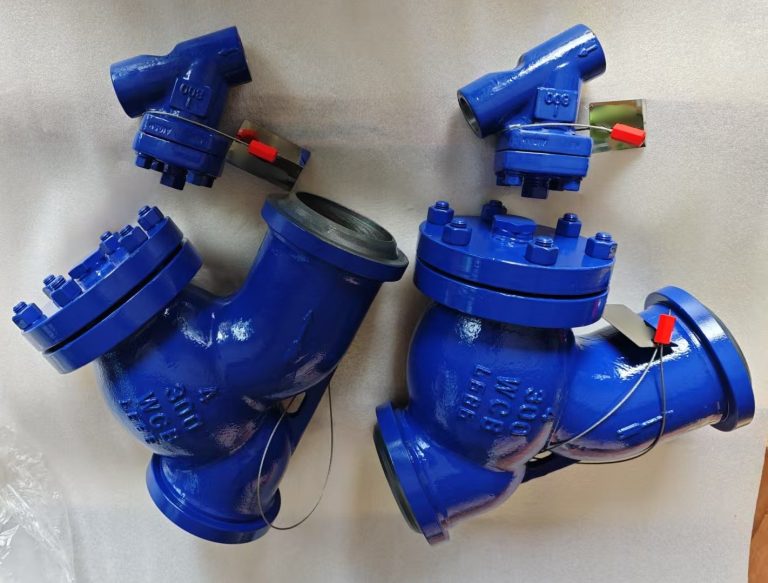
Ever run into a pipeline setup that just doesn’t fit the usual gear? Maybe the space is tight, the fluid is nasty, or the pressure swings wild. Off-the-shelf strainers work great for straightforward jobs. But when things get tricky, standard models fall short. They might clog too fast, corrode quickly, or simply not bolt up right. That’s where custom strainers come in. They tackle those oddball challenges head-on. In this post, we’ll explore why going custom makes sense for tough spots. We’ll look at tweaks in size, materials, connections, and more. If you’re dealing with complex systems in petrochemicals, water treatment, or food processing, this could help you find better filtration without the headaches.
Why Standard Strainers Sometimes Miss the Mark
Most strainers you grab from catalogs handle everyday tasks fine. Think Y-type or basket designs in common sizes like 2-inch to 8-inch, made from carbon steel or basic stainless. They filter out rust, debris, or scale in water lines or mild chemicals. Simple. Reliable for many plants.
But real-world setups aren’t always that clean-cut. High temperatures push past 300°C. Corrosive acids eat through regular screens. Flows surge, demanding bigger capacities without huge pressure drops. Or space constraints mean a compact footprint is a must. In those cases, a stock strainer might force workarounds—like adding reducers that complicate installs or boost failure risks. Worse, it could lead to frequent cleanouts, spiking downtime in non-stop operations.
Take a petrochemical plant piping crude oil. Standard strainers might handle basic impurities, but welding slag or tar buildup calls for finer meshes or special coatings. Push a generic one too hard, and you’re looking at premature wear or even safety issues downstream.
Common Challenges That Call for Custom Strainers
Industrial filtration throws curveballs all the time. Here are a few that push folks toward tailored solutions.
Unusual Sizes and Capacities
Pipelines don’t always stick to standard diameters. Some run small, like 1/2-inch for instrument lines. Others go big, up to 20-inch or more for main headers. Off-the-rack options often cap out or start too large, leaving gaps. Custom strainers fill those by scaling exactly—say, a DN500 unit for high-volume water intake in a power plant.
Harsh Media and Environments
Not all fluids play nice. Acids, alkalis, or solvents demand exotic alloys like Hastelloy or Monel to avoid pitting. High temps need seals that hold up to 450°C without leaking. Low temps, down to -80°C, require materials that stay tough. A strainer in a natural gas line might face dust and tar, needing robust screens that clean easy.
Special Connections and Installation Needs
Flanges are common, but not universal. Some systems use butt-weld ends for strength in high-pressure lines. Others need threaded or socket-weld for quick ties. Vertical or horizontal mounts matter too—space in a cramped pump room might dictate a slanted Y-design over a bulky basket.
Filtration Precision and Flow Requirements
Mesh sizes vary wildly. Coarse 10-mesh catches big junk. Fine 1000-mesh grabs tiny particles in pharma water lines. But finer means quicker clogs unless you size the screen area right. Custom lets you balance low pressure drop (often under 1.5 coefficient) with tight filtering.
Key Customization Options for Strainers
Tailoring a strainer isn’t rocket science, but it solves real problems. Here’s what you can tweak.
- Materials Mix: Body in carbon steel for cost, but internals in stainless or alloys for corrosion fights. Seals switch to Viton for chemicals or graphite for steam.
- Screen Specs: Stainless steel standard, but mesh from 20 to 1000. Perforated plates for coarser duty. Even multi-layer for staged filtering.
- Connections Variety: RF flanges, butt-weld, socket-weld, or NPT threads. Match your piping exactly—no adapters needed.
- Drain and Cleanout Features: Add blowdown valves or quick-access covers. Some include differential gauges for easy monitoring.
- Compact or Special Shapes: Y-types shine for low space and straight flow. But custom angles or extended bodies fit odd layouts.
|
Customization Aspect |
Standard Option Example |
Custom Upgrade Example |
Benefit in Tough Applications |
|
Size |
2″-12″ common |
1/2″ or 20″+ |
Fits oversized headers or tight lines |
|
Material |
Carbon Steel body |
Hastelloy with PTFE seals |
Handles aggressive acids without fail |
|
Connection |
Flanged RF |
Butt-weld or sanitary clamp |
Seamless welds in high-pressure systems |
|
Mesh Fineness |
40-80 mesh |
800-1000 mesh multi-layer |
Catches fine particles in pure water |
|
Temperature Rating |
Up to 200°C |
-80°C to 450°C |
Suits cryogenic or steam services |
These tweaks come from years of field fixes—plants tweaking gear to match exact needs.
Real-Life Examples Where Custom Strainers Shined
Let’s ground this in actual setups. A food processing plant making beverages needed sanitary filtration for syrup lines. Standard strainers worked, but frequent cleanouts risked contamination. They went custom: 316L stainless body, tri-clamp connections, and 200-mesh screens with quick-drain ports. Result? Faster sanitizing, no batch losses, and compliance stayed rock-solid.
In a mining slurry pipeline, debris loaded heavy. Generic Y-strainers clogged daily, forcing stops. Custom version bumped to larger body, coarser perforated basket upfront, finer mesh downstream. Pressure drop stayed low. Cleanouts dropped 60%, keeping pumps safe longer.
Another case: a chemical refinery with hot alkali flows. Heat and corrosion chewed through stock units fast. Switch to Inconel body, graphite-packed seals, custom flange spacing. Service life jumped threefold. No leaks in two years.
These aren’t rare. Power plants often spec extended temp ranges for cooling loops. Gas facilities add special drains for tar blowdown. Each custom job cuts risks and trims long-term costs.
The Benefits of Going Custom with Your Strainer
Custom strainers pay off in reliability. Fewer breakdowns mean less downtime—critical in 24/7 ops. Better material matches extend life, slashing replacements. Precise fits ease installs and reduce leaks.
Flow stays smooth with tuned designs, saving pump energy. In one water treatment upgrade, custom sizing cut pressure loss 30%, dropping electric bills noticeably. Safety improves too—right alloys prevent failures in hazardous media.
Bottom line: for unique applications, custom beats forcing a square peg into a round hole.
Introducing Miwival: Your Go-To Supplier for Valves, Actuators, and Accessories
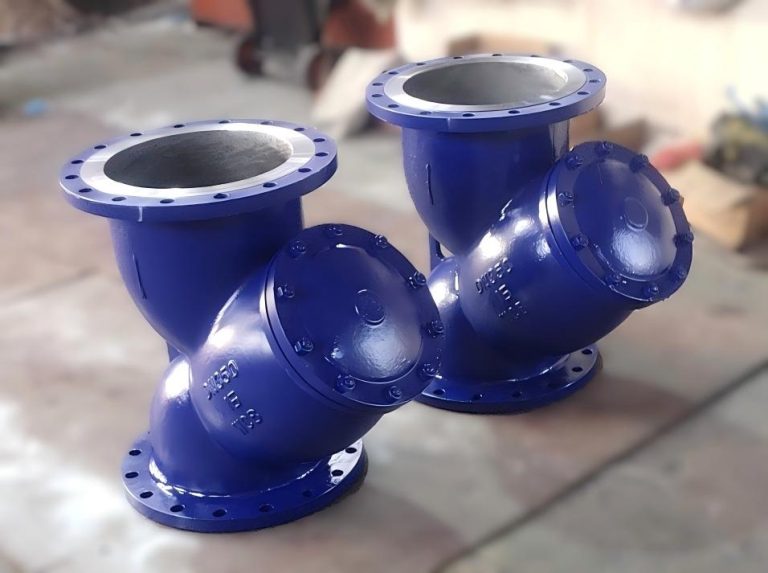
When you’re after dependable flow control, Miwival has you covered. They’re a solid supplier of valves, actuators, and accessories, serving plants worldwide—from Asia to Europe, North America to the Middle East. Over 40 countries trust their gear for tough industries like chemicals, power, water treatment, and food. What stands out? Strict quality from raw materials through testing. Quick stock delivery, often in two weeks. Round-the-clock support. And real expertise in customizing strainers to nail your specs—whether exotic materials, odd sizes, or special connections. If non-standard challenges pop up, Miwival’s team knows how to deliver solutions that fit and last.
Conclusion
Standard strainers handle plenty of jobs well. But when your setup demands something different—unique sizes, tough materials, or exact connections—custom strainers step up. They solve real pain points, boost reliability, and keep operations running smooth. If complex filtration needs are holding you back, exploring custom options could make all the difference. Reach out to experts who get these challenges. It might just save you time, money, and headaches down the line.
FAQs
When should I consider a custom strainer instead of a standard one?
Go custom when standard sizes don’t match your piping, media attacks common materials, or you need finer filtration without big pressure drops. For example, in corrosive chemical lines or space-tight installs, a tailored strainer prevents frequent issues.
What materials can be used in a custom strainer?
Options run wide—carbon steel for basics, stainless for general duty, or alloys like Hastelloy and Monel for harsh stuff. Seals swap to PTFE, Viton, or graphite depending on temps and fluids.
How does customizing a strainer affect installation and maintenance?
It simplifies things. Exact connections mean no extra fittings. Features like quick drains cut cleaning time—no full disassembly needed in many designs.
Can custom strainers handle extreme temperatures or high pressures?
Yes, many are built for -80°C to 450°C ranges and pressures up to Class 600. Specify your conditions, and tweaks like special seals make it work reliably.
What industries commonly need custom strainers?
Petrochemical, food and pharma, water treatment, and power plants often do. Anywhere impurities vary or conditions push limits, custom helps keep filters effective without constant stops.


 consult
 WHATSAPP
 leave message
 top
top