
Dual Strainer vs. Single Strainer A Cost-Benefit Analysis for Industrial Plants
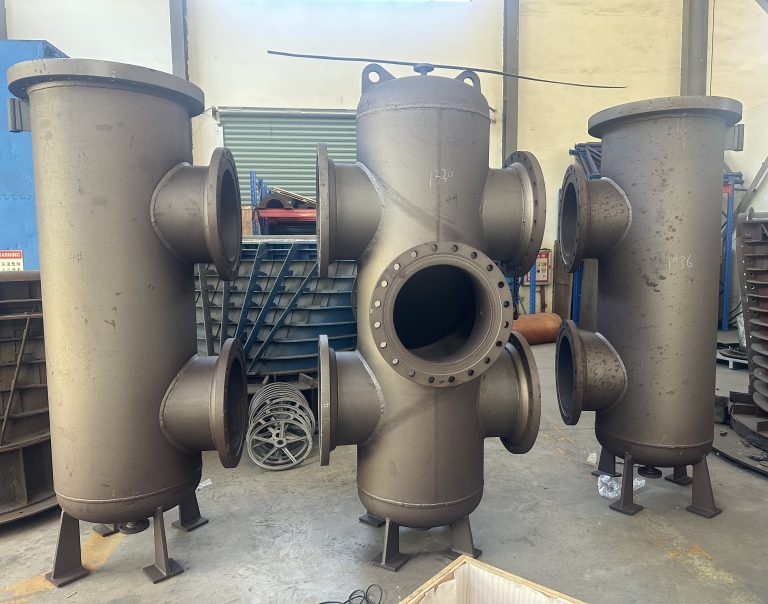
Imagine this. You’re overseeing a busy petrochemical facility. Out of nowhere, a blocked strainer grinds the whole operation to a halt. Production stops cold. Costs climb fast. Your crew rushes around in panic. It’s a headache that hits far too many plants. But what if you could swap out the clogged part without skipping a beat? That’s the real question when comparing dual strainers to single ones. In this piece, we’ll dig into the dollars and sense behind each choice. We’ll spotlight how dual strainers pay off over time by slashing downtime and cutting maintenance headaches. If you’re the one calling shots on equipment buys or running the floor, hang tight. This might change how you look at pipeline protection.
What Are Strainers and Why Do They Matter in Industrial Operations?
Strainers quietly guard your pipelines. They snag debris and keep fluids clean. That way, pumps, valves, and downstream equipment stay safe. Skip them, and small bits of junk can cause big damage. Breakdowns happen. Safety risks pop up. In heavy-hit sectors like power generation or refining, where everything needs to run around the clock, choosing the right strainer goes beyond simple filtering. It keeps the entire plant humming.
Single Strainers: The Basics and Their Drawbacks
A single strainer keeps things simple. It has one basket or screen inside a housing. Debris gets trapped as fluid passes through. They’re affordable right out of the gate. Installation is a breeze. That’s why smaller operations or low-demand lines often pick them. Picture a modest water treatment setup. Flow rates stay manageable. Brief shutdowns don’t hurt much.
Yet problems creep in quickly. Once that screen loads up with gunk, the line has to shut down for cleaning. In a high-volume plant, that translates to serious lost hours—or even days. Consider a mining site handling thick slurry. Cleanings might come every couple of weeks. Labor adds up. Push cleaning too far, and you risk damaging gear. Pressure builds steadily. With no backup ready, you’re always one clog away from trouble.
Dual Strainers: How They Work and Stand Out
Dual strainers step it up. They feature two separate units hooked in parallel. Switching valves tie them together. Flow runs through one side. The other waits on standby. When pressure gauges show a blockage, you turn the valve. The fresh side takes over instantly. No need to stop production. These units typically come with stainless steel screens ranging from 10 to 1000 mesh. They include drain ports for fast blowdowns. Differential gauges help you track performance.
In practice, it’s like carrying a ready spare. For heavy flows, both sides can work at once. That doubles capacity while keeping pressure loss low. Bodies often use carbon steel for regular service. Stainless handles harsh chemicals. Custom options let you tailor connections, seals for temps up to 425°C, or special flanges.
Breaking Down the Costs: Upfront vs. Long-Term Savings
Let’s talk straight about money. Dual strainers do cost more when you first buy them—often 1.5 to 2 times the price of a comparable single unit. But step back and look farther. Total cost of ownership includes buying, installing, running, servicing, and those hidden downtime hits.
Initial Investment and Installation
Single strainers take the lead here. You bolt one in place, and you’re good. Dual setups need extra piping and valves. That can push install costs 20-30% higher. Still, many dual designs drop into existing lines with minimal rework, especially if space already exists for parallel runs.
Operational Expenses and Efficiency Gains
This is where dual strainers pull ahead. They keep flow steady. That cuts extra energy from pressure spikes. In a power plant cooling circuit, a single strainer forces pumps to fight harder as it clogs. Electric bills climb. Dual units hold consistent flow. Over months, that can shave 10-15% off power use, based on real-world numbers from similar systems.
|
Cost Factor |
Single Strainer |
Dual Strainer |
|
Upfront Cost |
Lower (e.g., $5,000 for a 6″ unit) |
Higher (e.g., $8,000-$10,000 for similar) |
|
Installation |
Quick and cheap |
Slightly more, but often modular |
|
Energy Use |
Higher due to frequent pressure drops |
Lower, steady flow |
|
Downtime Impact |
High—full shutdowns for cleaning |
Minimal—switch and clean offline |
|
Annual Maintenance |
$1,000-$2,000 (labor + parts) |
$500-$1,000 (easier access) |
These figures come from actual plant records. Facilities that switched often saw smoother operations and lower yearly spend.
Maintenance and Risk Reduction: The Hidden Winners
Cleaning a single strainer is tough work. You isolate the line. Drain it. Pull the basket. The job can drag on for hours. In hazardous zones, safety steps stretch it longer. Dual strainers flip the script. You isolate one barrel. Vent and drain it. The other side keeps running. Crews spend less time exposed. Fewer hours get billed.
Think about a refinery processing crude. A single strainer failure could idle the unit for a full day. Lost revenue might hit $50,000. With a dual strainer, you switch in minutes. Cleaning wraps up in under an hour. Over a year, savings stack up. Some sites report 50-70% less unplanned downtime after upgrading. Safer work means happier teams. Insurance rates sometimes drop too.
Key Benefits of Dual Strainers in Reducing Downtime and Maintenance Risks
Downtime hurts the wallet hard. In oil and gas, every idle hour costs thousands. Dual strainers attack the problem directly. They let you service one side while production rolls on.
- No-Stop Cleaning: Valves reroute flow in seconds. In food plants, where cleanliness rules, this allows fast washdowns without ruining product.
- Less Equipment Stress: Even loading extends part life. One chemical facility saw pump overhauls drop 20% after moving to duals.
- Ready for Dirty Service: They manage heavy debris loads, like mining slurries, without repeated halts. Tailored mesh sizes catch tiny particles yet maintain high flow.
- Better Crew Safety: Offline servicing cuts contact with hot or toxic fluids. No rushed jobs under deadline pressure.
These advantages sway buying decisions. Procurement teams look past the sticker price. They see years of reliable service ahead.
Real-World Scenarios: Where Dual Strainers Make the Difference
Let’s get specific. In a thermal power station’s boiler feed system, single strainers forced bi-weekly shutdowns. Efficiency suffered. After installing dual strainers, unplanned stops nearly vanished. Crews cleaned during low-demand windows. Output stabilized. Fuel use dipped because everything ran closer to design conditions.
Now consider pharmaceutical production. Strict rules demand pristine lines. Yet shutdowns invite contamination risks. Dual strainers enable seamless changeovers. One plant kept batches pure and on schedule. Maintenance incidents fell by half over two years.
In large petrochemical pipelines moving thousands of gallons per minute, dual units run parallel to handle peak loads. One refinery retrofit slashed yearly clog-related losses by more than $100,000. The numbers proved themselves fast.
Introducing Miwival: Your Go-To Supplier for Valves, Actuators, and Accessories
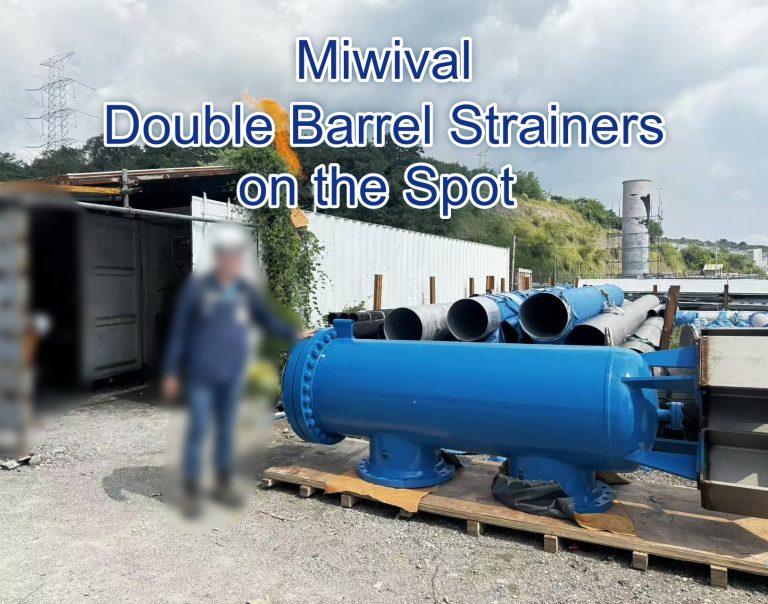
When you need solid flow control products, Miwival delivers. They’ve earned trust supplying valves, actuators, and accessories worldwide. Their lineup—from sturdy gate valves to custom strainers—focuses on safety, smooth operation, and long service life. Plants across Asia, Europe, and the Americas rely on them. What makes them different? Strict quality checks from raw steel to finished testing. Fast turnaround—often two weeks—and 24/7 support. If you’re shopping for dual strainers built to your exact specs, Miwival’s deep knowledge in customization means you get gear that fits perfectly and lasts, backed by folks who truly understand industrial flow challenges.
Conclusion
All told, single strainers still work fine for lighter duties. But when reliability counts most, dual strainers win the cost-benefit matchup hands down. They cut downtime sharply. They ease service burdens. And they deliver real savings that hit the bottom line over time. If keeping your plant running steady and safe matters to you, dual designs deserve a serious look. Smart investments like these keep operations strong, shift after shift.
FAQs
What is a dual strainer, and how does it differ from a single strainer?
A dual strainer packs two parallel filtering units linked by diverter valves. One handles flow while the other waits or gets serviced. Unlike a single strainer that demands full line shutdowns for cleaning, a dual strainer maintains continuous operation—perfect for plants that can’t afford pauses.
How can a dual strainer reduce downtime in my plant?
It lets you redirect flow to the standby side in moments. Then you clean the dirty one safely offline. In busy refineries or power stations, this turns potential day-long outages into quick, minor tasks and keeps production rolling.
Is the higher initial cost of a dual strainer worth it?
Yes, especially over the long haul. Dual strainers lower energy waste and service risks. Many facilities recover the extra upfront spend within a year or two through avoided downtime and smoother running.
What industries benefit most from using a dual strainer?
Petrochemical, power generation, food and beverage, plus mining get the biggest gains. Dual strainers handle tough, debris-heavy flows without constant interruptions—exactly where single units often struggle.
How do I choose the right dual strainer for my application?
Start with your flow volume, fluid type, and operating pressure. Options like screen mesh, body material, and connection style let you fine-tune the fit. Talking to experienced suppliers helps nail the details for peak performance.


 consult
 WHATSAPP
 leave message
 top
top