
Energy Saving Control Valve Design Strategies for Process Industries
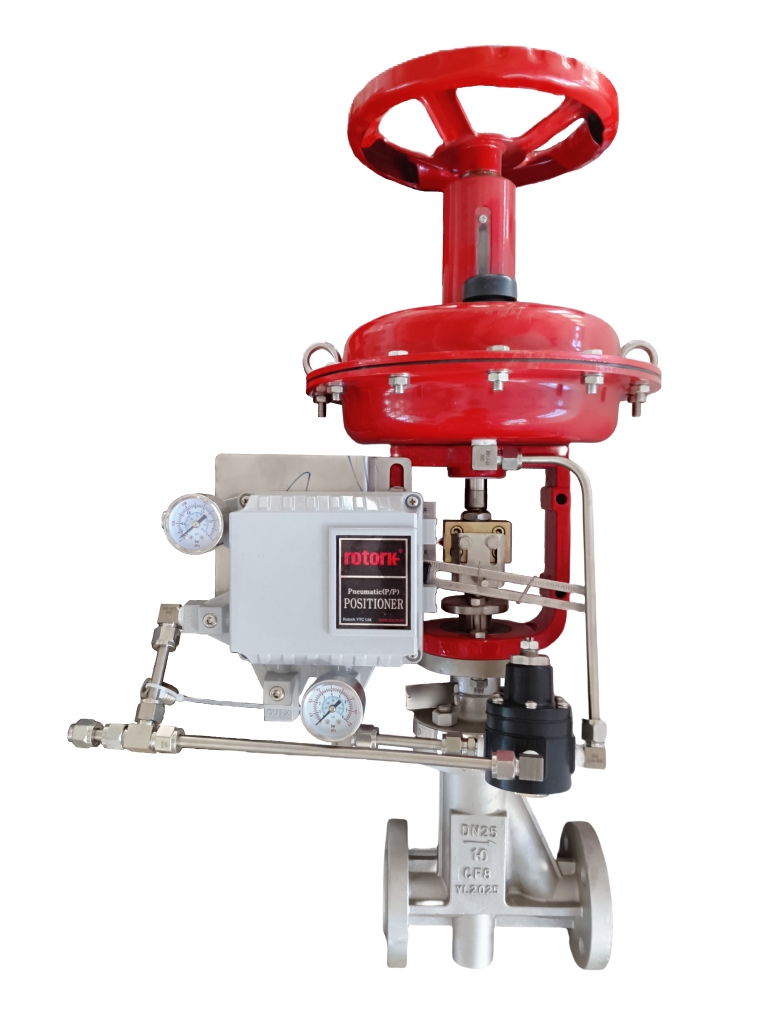
In industrial process systems, energy efficiency matters a lot because it sets operational costs and sustainability results. Control valves rank as key parts that shape these results. These tools control flow, pressure, and temperature. They also make sure systems work at their best energy levels. The idea of an energy saving control valve has become common. Industries use it to lower energy waste. At the same time, they keep good control over hard processes.
Function of Control Valves in Process Systems
Control valves act as the last control part in process automation loops. They manage the flow rate of fluids. These fluids include liquids, gases, or steam. They do this by changing the size of the flow path. This happens in response to signals from controllers. Such control keeps process conditions steady. For example, it holds pressure, temperature, or level. Good valve work cuts losses from throttling and turbulence. It leads to even changes. It also lowers stress on system parts. Besides, valve design affects how well energy turns into useful work in the system.
The Relationship Between Valve Performance and Energy Use
The tie between valve performance and plant energy use is clear and strong. Valves that are sized wrong or worn out can create large pressure drops. This raises the work for pumps or compressors. But a well-picked valve keeps energy loss low. It does this even when loads shift. Energy checks in industry often spot control valves as main spots for savings. Small issues can add up to big losses. This happens over long running operations.
Now, let’s look at how design can help make valve systems use less energy.
How Can Design Improve Energy-Efficient Valve Systems?
Building good valve systems needs a full plan. This plan should cover fluid movement, material facts, and how parts connect. The right pick and setup are key to real energy cuts.
Selecting the Appropriate Valve Type for Energy Optimization
Valve types like globe, ball, or butterfly each have their own flow traits. These traits change energy use in different ways. Globe valves give exact control but can cause more pressure drops. Ball valves have low pushback but offer less detail in control. Butterfly valves mix small size with okay control level. The best choice depends on process details. These include fluid traits, working pressures, and control needs. Better materials and coatings can improve results more. They lower friction losses. They also make the valve last longer. These points help keep efficiency for a long time.
Importance of Proper Valve Sizing and Configuration
Engineers must size valves right for their job before fitting them. Valves that are too large often run close to closed. This gives bad control. It also wastes energy for moving them. On the other hand, small valves lead to fast flow. They cause high pressure drops. This raises pumping costs. Tools like Computational Fluid Dynamics (CFD) modeling help predict these actions well. They also tune valve shape for tough systems. In those systems, many factors change quickly.
With design basics covered, advanced tech steps in to boost control valve work even further.
What Advanced Technologies Enhance Control Valve Efficiency?
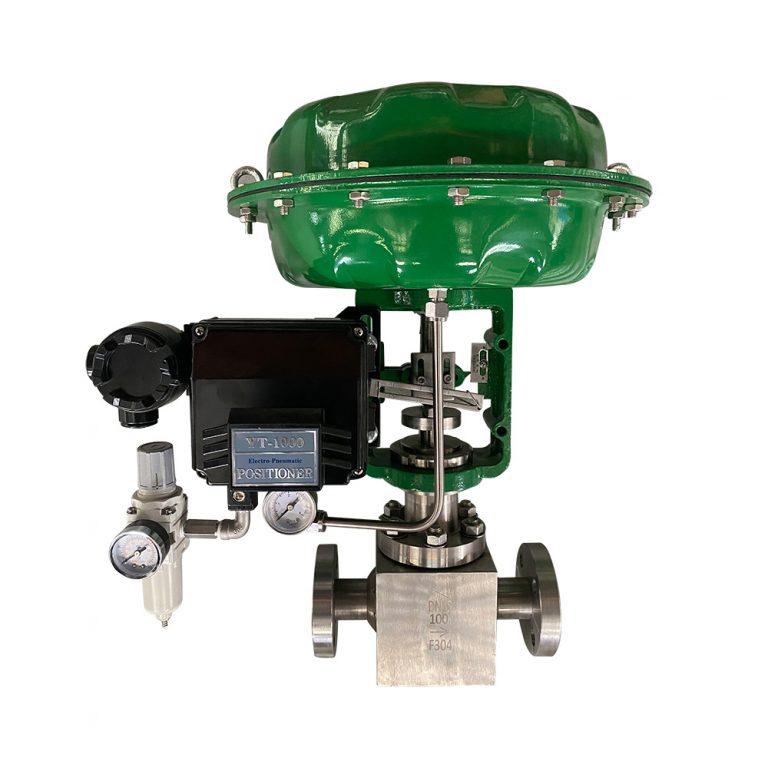
Digital shifts are changing industrial automation. Control valve tech has grown to smarter tools. These tools adapt better. They improve work and power use.
Integration of Smart Positioners and Digital Controllers
Smart positioners have changed old air-based systems. They give exact feedback on stem spot. They also make responses more accurate. These tools cut down on lost motion. They keep steady work even when conditions change. Digital controllers add more flexibility. They tune in real time from ongoing process info. Plus, built-in checks predict problems. This allows early upkeep plans. They keep top efficiency without surprise stops.
Use of Actuation Technologies for Reduced Power Consumption
The actuator pick affects the system’s total energy needs a great deal.
Pneumatic Actuators
Pneumatic actuators are still used a lot. This is due to their dependability and ease. If cared for well—by stopping leaks and keeping air clean—they give steady results. They use a fair amount of energy.
Electric Actuators
Electric actuators give better accuracy. They have lower costs over their life than air ones. They change electrical power right into mechanical move. This cuts needs for extra tools like compressors. As a result, it lowers the plant’s total power use.
Hydraulic Actuators
Hydraulic actuators fit jobs with strong force. But they need good tuning. This stops losses from fluid press or leaks in the lines.
Tech helps a lot, but upkeep is what keeps valve efficiency going strong over years.
How Can Maintenance Sustain Valve Efficiency Over Time?
Even top efficient valve systems will wear out without good upkeep habits. These habits should center on checking conditions and predicting with data.
Condition Monitoring and Predictive Maintenance Practices
Regular looks help find early wear or setup shifts. They catch these before they turn into big problems. Predictive upkeep uses data checks to guess failures. It bases this on vibration or heat changes. This lets workers fix things on time. It saves trust and efficiency. Linking this to plant asset tools keeps track of performance signs. This happens through the valve’s full work life.
Impact of Leakage Control on System Efficiency
Leaks, whether inside from seat wear or outside from packing fails, waste energy nonstop. They come from unwanted flow or pressure drop. Strong sealing materials that fit the process lower this chance a lot. Planned leak checks make sure environmental rules are met. They also keep system output at its best.
Upkeep matters for single valves, but full system tweaks bring even bigger gains.
How Does System-Level Optimization Improve Overall Efficiency?
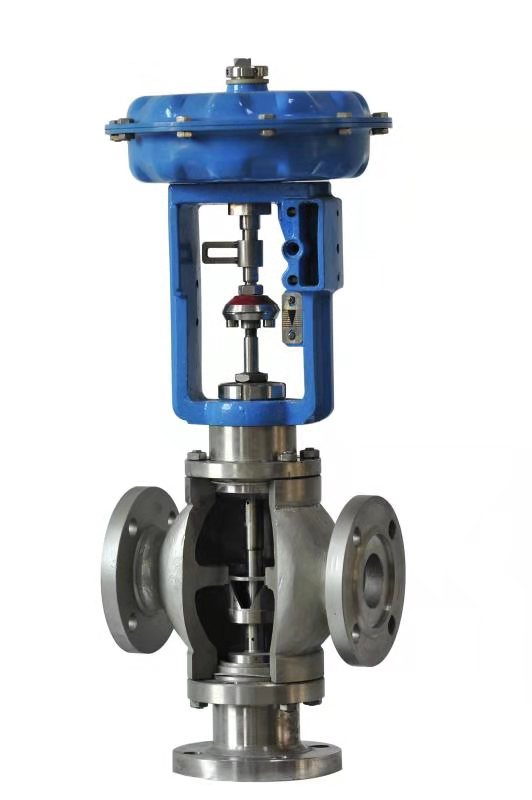
To get the most from energy saving control valves, they need to work well in larger process setups. This includes pumps, compressors, heat exchangers, and other tools.
Coordinating Valves with Pumps, Compressors, and Heat Exchangers
When control valves link with variable-speed drives (VSDs) on pumps or compressors, system pushback falls a lot at lower loads. This teamwork lets flow rates change with current needs. It also cuts extra power use in support tools. This is a main rule in today’s connected process plans.
Implementing Energy Management Frameworks in Industrial Systems
Putting valve performance signs into full plant energy plans builds clear views. It also sets duty across teams. Checking these signs against past data helps ongoing betterment. It matches green goals like cutting carbon or following ISO 50001 rules.
Miwival — A Reliable Partner for High-Performance Control Valves
Miwival is known as a solid provider. It focuses on advanced control valves made for industrial efficiency uses worldwide. Their range includes globe, ball, butterfly, and custom-made options. These are tuned for exact control in tough spots. By mixing new material tech with smart move choices, Miwival gives strong parts. They help cut running costs directly. They also improve green results in areas like oil & gas, chemical work, power making, and water care.
Conclusion
Control valves do more than simple mechanical control. They help drive industrial energy efficiency plans. With careful design picks, smart automation links, active upkeep steps, and tuned system work, industries can cut power use clearly. They also build better trust in key tasks.
FAQs
How do control valves contribute to overall plant energy savings?
Control valves handle fluid flow with care. They keep working conditions steady. They do this with little pressure loss or mess from turbulence.
What factors should be considered when selecting an energy saving control valve?
Main points include process fluid traits, needed accuracy, actuator fit, material strength in use, and cost review over life.
How does predictive maintenance improve the efficiency of efficient valve systems?
Predictive upkeep uses live monitoring data. It guesses problems before breaks. This cuts stop times. It keeps even work efficiency through the gear’s full life.


 consult
 WHATSAPP
 leave message
 top
top