
From Manual to Smart: Automating Your Threaded Ball Valve with Electric & Pneumatic Actuators
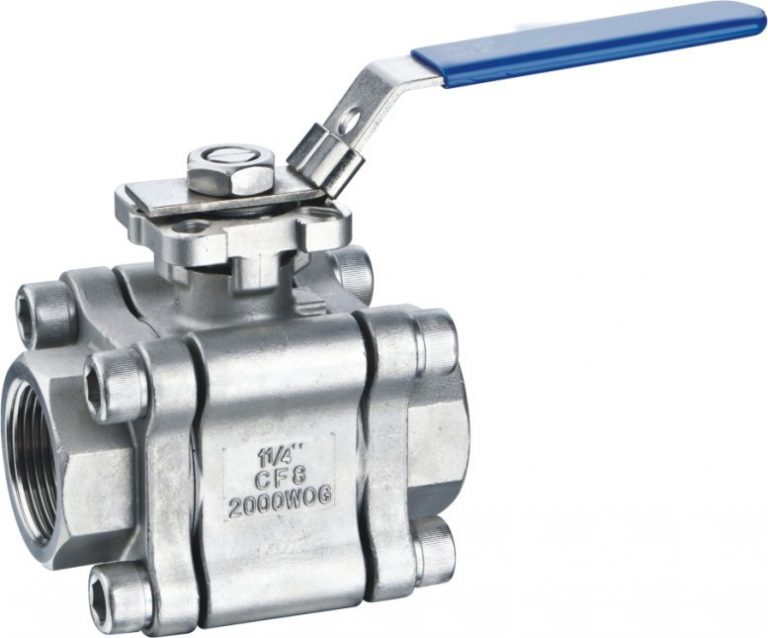
In many facilities, workers still patrol the pipelines and twist handles on threaded ball valves by hand. This method functions well enough for basic tasks. However, output continues to accelerate, and each moment of interruption drains significant funds. That is why more groups aim to shift those valves into the automated realm. Converting a threaded ball valve from manual handling to electric or pneumatic actuation can streamline everyday tasks considerably.
These small valves manage air, water, oil, and gas in conduits ranging from half an inch to four inches. The threaded connections allow easy screwing into place, even in cramped areas. The true improvement occurs when you attach an actuator. You gain immediate remote operation, swifter reaction speeds, and the option to link the valve directly to your facility’s control setup.
Why Automation Makes Sense for Threaded Ball Valves
Consider a chemical dosing unit or a modest water purification site. An individual once strolled over and turned the valve open or closed several times per shift. Now, envision that same valve responding promptly as the PLC issues a signal to adjust the flow. There is no longer any delay for the worker to arrive. This reduces errors, particularly during overnight hours or in hectic periods.
Automation also minimizes damage to the valve. Electric and pneumatic actuators provide consistent force, unlike the irregular pressure from a manual wheel. The sealing surfaces endure longer, and leaks become rarer over time. In operations that continue around the clock, even minor gains in dependability accumulate quickly.
This change aligns perfectly with the trend toward intelligent manufacturing sites. Facilities desire valves that relay valuable details — such as position updates or operation tallies — directly to the monitoring area. A sturdy threaded ball valve combined with an appropriate actuator integrates into a more linked network.
The Convenience of ISO 5211 Mounting
A key aspect that eases automation is the ISO 5211 mounting pad integrated into numerous threaded ball valves. This uniform top flange enables you to secure an actuator right onto the valve without additional supports or specialized components in most situations.
The setup process remains quite simple. You align the actuator, insert a handful of bolts, and join the stem. Often, the entire task requires under an hour, whether in the workshop or on location. Such efficiency proves valuable during upgrades to existing lines or assembly of fresh units under strict timelines.
Since it adheres to a widespread standard, you maintain ample options. You can alternate between a pneumatic actuator for rapid movement in dangerous zones or an electric one for exact regulation and low noise. There is no requirement to overhaul the piping whenever your management requirements evolve.
Electric Actuators: Precision and Easy Integration
Electric actuators match effectively with threaded ball valves when you require exact placement and straightforward electrical connections. They operate on standard facility electricity and link seamlessly to PLC or DCS setups via typical inputs like 4-20mA or Modbus.
For instance, in a batch blending operation at a food processing site or a gas measurement point, the electric actuator positions the valve precisely as directed. It maintains that spot without ongoing air provision, and it communicates its condition. Numerous versions feature a manual backup or power reserve in case of outages.
They operate softly and remain tidy. No need for air conduits to service, and reduced problems from dampness in cooler climates. For sites advancing to complete digital oversight, electric actuators simplify data gathering. You can monitor operation numbers, observe force patterns, and review precise valve location records directly from the control center.
Pneumatic Actuators: Speed and Reliability in Tough Conditions
Pneumatic actuators perform best where pressurized air exists and protection is paramount. They offer swift quarter-turn motion, ideal for shutdown roles on a threaded ball valve dealing with harsh substances or elevated pressure conduits.
You encounter this frequently on marine rigs or in chemical facilities with flammable zones. The pneumatic actuator activates nearly at once when the urgent closure mechanism activates. Versions with return springs shut automatically if air supply fails, providing an added safeguard.
They cope with shifts in temperature and environments with dust or moisture more effectively at times. Upkeep remains rather basic as well — simply ensure the air stays pure and free of excess water.
One-Stop Integration for Smoother Projects
The primary frustration in automation initiatives frequently arises from obtaining valves and actuators from separate providers. Stem dimensions fail to align. Force specifications prove inadequate. Shipping schedules become mismatched.
This is where a vendor that supplies both valves and actuators as a unit offers substantial value. You receive parts that undergo testing together prior to dispatch. That diminishes unexpected issues when materials reach the site.
Miwival excels in this area as a valves, actuators, and accessories supplier. They concentrate on full flow management options with dependable quality, reasonable costs, and strong assistance. The firm provides comprehensive aid from early choices through shipment and ongoing support. Their threaded ball valves include the ISO 5211 mounting pad as standard, allowing simple pairing with electric or pneumatic actuators. With steady inventory and prompt processing, they assist facilities in maintaining project timelines while ensuring reliable output in routine service, oil & gas, water treatment, and chemical uses.
Key Benefits of Automating Your Threaded Ball Valve
Here is what most teams observe following the transition:
- Quicker reactions when operations demand adjustments or crises arise
- Reduced hours devoted to patrolling and handling valves by hand
- Enhanced information for forward-looking upkeep plans
- Greater protection by distancing personnel from hazardous conduits
- Simpler linkage with current control frameworks
In a specific example, a medium-scale water facility decreased valve-induced interruptions by almost 40% after automating various threaded ball valves in their filtration sections. The pairing of trustworthy actuators and the straightforward ISO 5211 mounting permitted them to connect everything to the current SCADA network with minimal adjustments to the piping.
Choosing the Right Actuator for Your Application
Every task does not demand the identical configuration. Bear these factors in mind during selection:
- Force requirements — Consider the density of the substance and the pressure within the conduit.
- Operation frequency — Electric actuators manage repeated minor tweaks more effectively; pneumatic types surpass in rapid opening or closing.
- Surroundings — Pneumatic suits risky or combustible zones; electric fits neater, less humid areas with reliable electricity.
- Command inputs — Ensure the actuator uses the same protocol as your PLC or DCS.
- Safety in failure — Select return-spring pneumatic or reserve electric based on the desired action during power or air loss.
Performing a brief force assessment and examining your precise operation settings at the start prevents numerous issues later on.
Miwival as a Valves, Actuators and Accessories Supplier
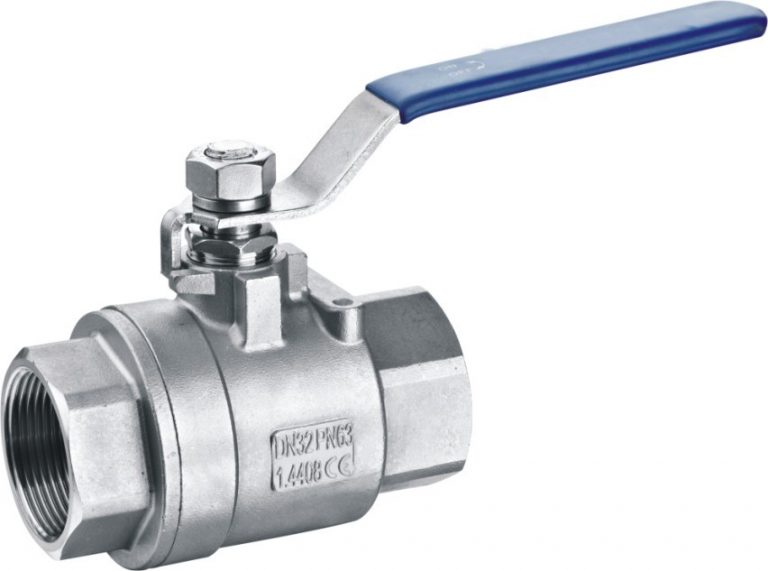
When seeking reliable flow regulation components, Miwival serves as a dependable valves, actuators, and accessories supplier. The organization focuses on integrated answers that combine high-quality valves with compatible automation gear. Their threaded ball valves boast robust builds and the ISO 5211 mounting pad, facilitating effortless automation. With emphasis on uniform quality, affordable rates, and attentive aid, Miwival supports clients in various nations. They prioritize single-source ease, enabling groups to obtain coordinated valve-actuator bundles that ship installation-ready and adaptable to modern control environments.
Conclusion
Shifting from manual wheels to automated function unlocks superior regulation and fluid performance for your threaded ball valve arrangements. Whether you select electric actuators for accuracy or pneumatic ones for prompt response and security, the ISO 5211 mounting pad renders the enhancement quite direct and prepared for upcoming developments. As additional facilities progress toward interconnected, wiser networks, possessing valves and actuators that collaborate smoothly provides a genuine advantage.
The proper mix assists in reducing interruptions, enhancing protection, and offering sharper views into your ongoing processes. It represents a sensible move that yields returns daily.
FAQs
How does the ISO 5211 mounting pad simplify automating a threaded ball valve?
It provides a uniform bolt arrangement atop the valve, allowing direct attachment of electric or pneumatic actuators. In most instances, you avoid added supports, which speeds up setup and preserves a compact design.
What are the main differences between electric and pneumatic actuators for a threaded ball valve?
Electric actuators deliver accurate placement, soft operation, and simple ties to management systems. Pneumatic variants respond more rapidly and function effectively in perilous zones where air supply exists. Both outperform manual handling substantially.
Can I retrofit an existing manual threaded ball valve with an actuator?
Yes, provided the valve includes an ISO 5211 pad. Many conventional models possess one. First, verify the force demands and stem dimensions, then choose a suitable actuator. The modification typically involves little piping alteration.
Why is automation becoming more common for threaded ball valves in industrial plants?
It lessens human mistakes, accelerates reactions amid routine or urgent situations, and supplies real-time details to the monitoring space. As operations advance to more intelligent methods, automated valves aid in elevating protection and general productivity.
What should I look for when choosing a supplier for threaded ball valves and actuators?
Seek consistent quality, effective ISO 5211 alignment, and the capacity to deliver both valve and actuator as a unified package. Rapid shipping, reliable expert guidance, and broad industry knowledge also contribute to timely project completion.


 consult
 WHATSAPP
 leave message
 top
top