
Future Trends: The Integration of Butterfly Valves into Industry 4.0 and Sustainable Practices
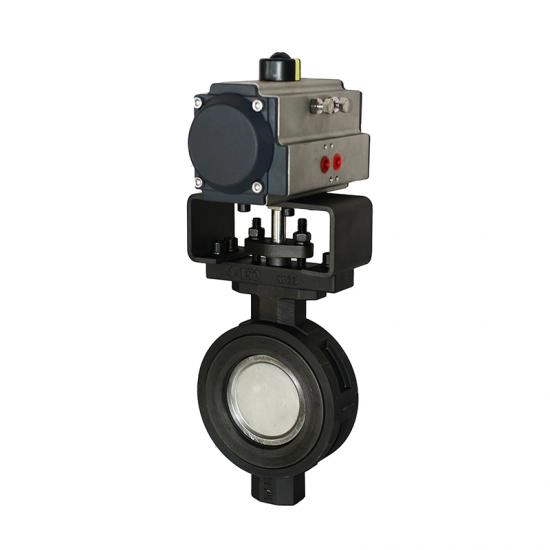
Butterfly valves have always been the reliable workhorses in industrial flow control. They stay simple, tough, and dependable. They handle everything from thick slurries to hot steam without complaint. Yet factories are getting smarter every day. The drive for greener operations keeps growing too. So these valves are changing fast. They now fit right into the digital world of Industry 4.0. At the same time, they help cut down waste and save energy. Imagine a chemical plant where a butterfly valve does more than just open and close. It feels pressure changes right away. It warns about a worn seal before trouble starts. It even adjusts itself to save a bit of power. That’s the direction we’re heading. In this post, we’ll explore how butterfly valves are joining the connected revolution and supporting eco-friendly goals. We’ll look at real examples and solid numbers that show the impact.
Butterfly Valves in the Age of Industry 4.0
Industry 4.0 is no longer just talk. It’s happening now. Factories talk to each other through sensors and data streams. Butterfly valves sit right in the middle of this change. They go from basic hardware to smart nodes in the network. Their classic quarter-turn design still works great. Now it pairs with cloud tools and real-time data. The result is less guesswork and more uptime on the plant floor.
Smart Connectivity and Real-Time Monitoring
Manual checks are fading away. They used to pull technicians away from important jobs. Today, many butterfly valves carry built-in sensors. These include pressure transducers, flow meters, and even vibration detectors. All the data flows straight to one dashboard. In a pulp and paper mill, for example, this setup catches a partial blockage early. Operators fix it before the whole line clogs up.
Take the triple offset butterfly valve as a good example. Its three clever offsets in the shaft and seat cut friction. That gives smooth, reliable action. Add IoT features, and the valve starts reporting torque levels or seal health instantly. The International Society of Automation found that predictive analytics like this can slash unplanned downtime by up to 50% in flow-heavy industries. Quick data bursts keep production running smoothly. No big surprises.
-
Key perks of connected butterfly valves:
-
Instant alerts when something goes wrong, such as a sudden temperature jump.
-
Remote adjustments through apps. Response time drops from hours to minutes.
-
Easy hookup with PLCs for full automation. No messy retrofits needed.
-
Engineers in mining often wire these valves into SCADA systems. One team in an Australian iron ore mine used sensor-equipped high-performance butterfly valves on slurry lines. They cut maintenance calls by 15% in just the first few months. The valves spotted wear patterns early. That made all the difference.
Predictive Maintenance: Cutting Downtime for Good
Predictive maintenance turns old habits upside down. Instead of tearing down a valve after it starts leaking, smart tools look at past data. They guess when the next problem will hit. Butterfly valves work beautifully here. They stay compact and need low torque.
High-performance models handle ASME Class 150 to 600. They manage temperatures from -62°F to 500°F. Their flexible lip seats and low-emission stems make them perfect for data collection. Picture a power plant’s steam isolation line. The valve logs every cycle. Machine learning studies those patterns and predicts failures.
The numbers tell a clear story. McKinsey reports that predictive tools can lower maintenance costs by 10-40%. In the field, the savings feel even bigger. A wastewater treatment plant switched to triple offset butterfly valves with edge computing chips. Over two years, they avoided three major shutdowns. That saved about $200,000 in lost production. It’s not magic. The valves simply know their limits before anyone else does.
Driving Sustainability with Advanced Butterfly Valve Designs
Sustainability has become a must-have. Rules on emissions and water use keep getting stricter. Butterfly valves naturally fit green goals. Their light weight and efficient flow paths already help. New improvements push them even further.
Eco-Friendly Materials and Reduced Emissions
Material choices matter a lot. Stainless steel bodies fight corrosion well. They skip heavy chrome plating that harms the environment. Triple offset designs use metal-to-metal seats. These avoid soft elastomers that wear out and fill landfills. The seats give bi-directional zero leakage. They stay fire-safe under API 607 standards.
Think about a cement plant struggling with fugitive emissions. They switched to low-emission stem seals on high-performance butterfly valves. Volatile organic compounds dropped by 30%, according to EPA guidelines. Tighter seals mean less product escapes. That cuts raw material needs. The compact lug or wafer ends also use less steel. They can be 40% lighter than gate valves for the same job.
Here’s a quick comparison of material impacts:
| Material Option | Corrosion Resistance | Lifecycle Emissions | Typical Application |
|---|---|---|---|
| Carbon Steel | Moderate | Lower (recyclable) | Slurry transport |
| Stainless Steel | High | Medium (durable) | Chemical processing |
| Specialty Alloys | Excellent | Higher upfront, low over time | High-temp steam |
These choices pay off in real operations. In palm oil refineries, where humidity eats away at gear, stainless models last 25% longer. More oil stays in the tanks. Less ends up in the air.
Energy Efficiency Through Precision Control
Precision control saves money and the planet. Butterfly valves throttle flow with very little pressure drop. That’s a big deal for pumps and compressors. In Industry 4.0 plants, variable frequency drives team up with these valves. They fine-tune output and cut power use.
One strong example comes from mining dewatering stations. High-performance butterfly valves handle PN 10-40 pressures. They isolate flows without full shutdowns. A site in Latin America added automated controls. Energy use fell by 18% during peak hours. Those are real kilowatts saved and CO2 avoided.
-
Ways butterfly valves boost green efficiency:
-
High Cv values create smooth, laminar flow. Pumps work less hard.
-
Cryogenic versions help LNG plants. They keep boil-off losses low.
-
Modular actuators use very little power on partial strokes.
-
Water and wastewater plants benefit hugely. With water shortages looming, tight-sealing valves help recycle process water. A European facility cut freshwater intake by 22% after installing triple offset units. Small changes per valve add up across the whole site.
Overcoming Challenges in Integration
Switching to new tech isn’t always smooth. Older systems resist new sensors. Upfront costs can feel steep. But modular designs make it easier. You can start with drop-in triple offset valves. They bolt onto existing flanges and meet API 609 rules. No major pipe work needed.
Training takes time too. Operators must learn to trust the data. Short workshops on reading dashboards help a lot. Scalability works well with cloud platforms. Small plants test IoT on one line first. Then they expand.
The payback comes quickly. A 2023 Deloitte survey showed that 70% of manufacturers recover their smart valve investment in under 18 months. Efficiency gains drive the return.
Spotlight on Miwival: Your Go-To for Valves, Actuators, and Accessories
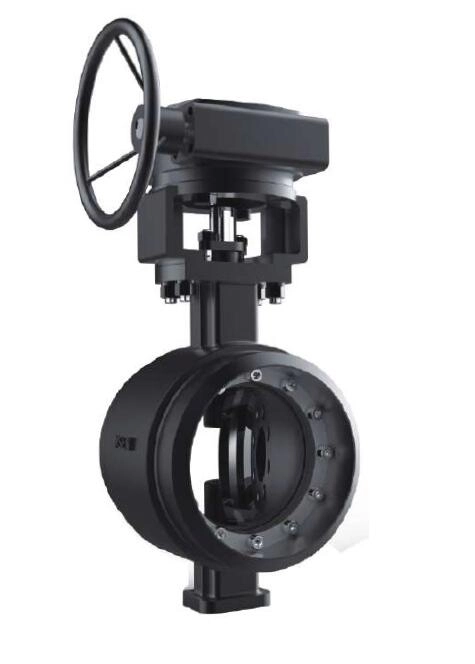
When it comes to reliable flow control, Miwival stands out as a one-stop supplier of valves, actuators, and accessories. Operating in over 40 countries—from bustling North American refineries to remote African mines—they’re all about quality, cost, delivery, and service. Their lineup includes rugged triple offset and high-performance butterfly valves built for the toughest spots, like steam isolation or high-pressure slurry lines. With stock on hand and two-week lead times, plus 24/7 support from flow pros, Miwival keeps things moving safely and efficiently. It’s that “valves and automation for a safer world” mindset that makes them a solid pick for anyone eyeing these trends.
Wrapping It Up: A Smarter, Greener Flow Ahead
Butterfly valves have moved far beyond their old role. They now play a central part in connected and eco-conscious plants. By adding Industry 4.0 features like IoT monitoring and predictive tools, plus green upgrades in materials and efficiency, these valves deliver real benefits. Plants see less downtime, lower emissions, and leaner operations. Whether you work in mining, power generation, or water treatment, this shift offers a clear advantage. Take a closer look at how they fit your needs. You’ll likely find the payoff in every cycle.
Frequently Asked Questions
What role do butterfly valves play in Industry 4.0 setups?
Butterfly valves become smart assets. They carry sensors that track flow and pressure instantly. In a busy chemical plant, they connect to central systems. That helps spot problems early and avoid costly stops.
How can butterfly valves contribute to sustainable manufacturing?
They cut energy waste with tight seals and low-friction designs. Triple offset models prevent leaks and ease pump strain. One wastewater site reduced water use by about 20% after installing them. Simple upgrades create big green savings.
Are butterfly valves compatible with existing automation systems?
Yes, they fit right in. High-performance types use standard flanges and low-torque actuators. They work smoothly with PLC networks. Most plants can add predictive maintenance without a complete overhaul.
What makes triple offset butterfly valves a future-proof choice?
Their metal seats give zero leakage and handle extreme temperatures. They last through many cycles without wear. In steam applications, they often outlast older designs by 50%. They blend toughness with data-ready features.
How do I get started integrating butterfly valves for better efficiency?
Begin on your highest-wear lines. Swap in sensor-equipped units. Add basic analytics software. Watch downtime drop. Suppliers with fast delivery make the change easy.


 consult
 WHATSAPP
 leave message
 top
top