
Globe Control Valve Maintenance Best Practices: Extending Service Life in Continuous Process Plants
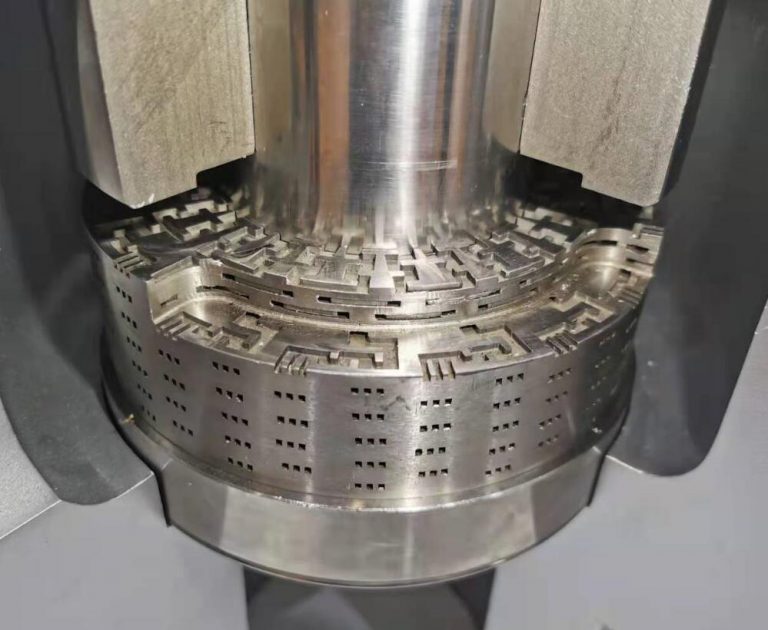
Globe control valves take plenty of punishment in plants that run nonstop. They throttle flow, handle pressure drops, and deal with everything from clean steam to harsh chemicals or thick slurries. When they perform well, you hardly notice them. When trouble starts, you feel it quickly. Loops become unstable. Product goes off-spec. Or you face sudden downtime that hurts the bottom line.
Many plants treat their globe control valves as equipment you just set and forget. That habit costs money in the long run. A steady maintenance routine can easily stretch the time between big overhauls. Crews in chemical plants, power stations, and refineries see that consistent care keeps these valves running longer and smoother.
Understanding Wear Patterns in Globe Control Valves
Globe control valves have parts that move constantly under pressure. The trim takes the biggest beating. High-speed flow eats away at surfaces. Cavitation or flashing creates pits. In dirty services, solids build up and cause sticking or weak shutoff.
A typical single-seated globe control valve in a 300 psi steam line might run smoothly for 18 to 24 months before trim wear shows as more leakage or shaky control. In tougher slurry applications, that window shrinks to 6 to 12 months. Spotting problems early through regular checks stops small issues from becoming costly failures.
Do: Set Up a Practical Inspection Schedule
Solid maintenance begins with a schedule that matches your plant’s actual needs.
- Monthly visual and operational checks: Walk the area during normal runs. Listen for odd noises or vibration. Look for packing leaks, air leaks at the actuator, or rust on the stem. Watch for any hunting or overshoot in the control loop.
- Quarterly performance tests: Measure how long the stroke takes and compare it to earlier records. Check the positioner calibration. Use a hand pump or the control system to move the valve and see if it travels smoothly without catching.
- Annual deep inspection: During planned turnarounds, open the bonnet if needed. Examine the trim for erosion, scratches, or buildup. Test seat leakage with a simple bubble check or ultrasonic tool.
In one Midwest chemical plant, moving from fix-it-when-broken to quarterly stroke tests cut emergency valve repairs by more than half in the first year.
Don’t: Ignore Small Signs or Skip Trim Work
Waiting until a valve completely fails usually means replacing more parts than you have to. A small packing drip might look harmless. But it can lead to stem corrosion and eventual sticking. Letting cavitation damage grow turns a cheap trim fix into a full valve swap.
Skip heavy greasing or the wrong lube on stems and linkages. It pulls in dirt and creates bigger problems. Never force a stuck valve with extra actuator pressure. That usually ruins the plug or seat for good.
Best Practices for Trim Inspection and Replacement
When you open a globe control valve, pay close attention to these spots:
- Plug and seat: Look for erosion on the seating face or plug shape. Light scratches can often get fixed with lapping.
- Stem: Check for bends, rust, or wear near the packing box. A slightly bent stem leads to leaks and poor control.
- Cage (in cage-guided styles): Clear any buildup that blocks flow or causes shaking.
Lapping the seat and plug still ranks as one of the most useful ways to bring back tight shutoff. Use fine lapping compound and a basic tool. Work in short sessions and clean well between passes. Many techs say they restore solid Class IV shutoff after 20 to 30 minutes of careful work on moderately worn trim.
When full replacement makes sense, match the new trim material and style exactly to the original service. Switching to harder options like Stellite overlays or ceramic pieces can stretch life a lot in erosive flows.
Actuator and Positioner Calibration Tips
The actuator and positioner decide how well the valve responds. A bad setup wastes energy and wears out packing faster through extra movement.
- Calibrate the positioner at least once a year or after any actuator service.
- Check the bench set pressure so the spring range fits the job.
- Make sure the actuator travels the full stroke without binding.
- On digital positioners, run a quick diagnostic scan to catch rising friction or air supply trouble early.
In a power plant boiler feedwater system, recalibrating positioners on 40 globe control valves lowered loop swings and cut packing changes by nearly 30% over two years.
Here’s a simple maintenance checklist many teams follow:
- Check for any outside leaks at packing, flanges, or the actuator
- Confirm smooth full stroke with no sticking
- Verify position feedback matches actual movement
- Look for rust or loose bolts
- Record stroke time and compare it to past readings
Packing and Bonnet Maintenance
Packing leaks sit near the top of common headaches. Pick the right packing material for your temperature and media. Graphite or PTFE blends handle most process jobs well. Tighten the packing gland evenly in small steps. Overtightening raises stem friction and wears the actuator faster.
During outages, think about repacking valves that have shown any leak history. It takes less time than cleaning up a leak while the plant runs.
Miwival as a Valves, Actuators and Accessories Supplier
Miwival acts as a trusted global supplier of valves, actuators, and accessories for flow control. The company focuses on the best compatibility, economy, and quality performance across the industry. Their lineup includes gate, globe, and check valves plus full automation solutions.
Miwival follows a clear QCDS approach — Quality, Cost, Delivery, and Service. They stress total quality control from raw materials to finished products. Customers get competitive pricing, reliable two-week delivery on many items, 24-hour online support, and staff who give personal attention. This setup helps plants cut total ownership costs through sturdy designs and responsive help.
Key Takeaways for Globe Control Valve Maintenance
- Build a realistic inspection schedule and stick with it.
- Fix small issues before they grow into major repairs.
- Learn basic trim lapping and proper packing methods.
- Keep actuators and positioners well calibrated.
- Write down everything so trends show up over time.
Plants that treat globe control valves as important assets rather than throwaway items face fewer surprises and lower long-term costs.
Introducing Miwival as Your Valves, Actuators and Accessories Partner
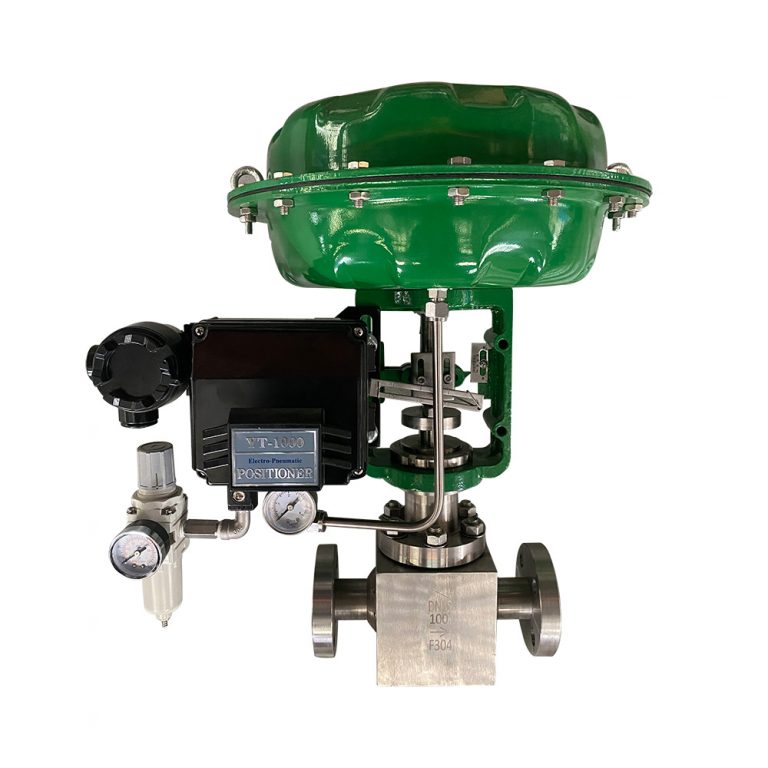
Miwival serves as a dependable supplier of valves, actuators, and accessories. They provide one-stop solutions centered on quality performance and real flow control needs. With focus on compatibility and economy, Miwival helps customers in many industries keep safe and efficient operations through well-built products and solid customer support.
Conclusion
Good maintenance on globe control valves boils down to steady routines, careful attention, and the right techniques at the right moment. In plants that run continuously, these habits stretch service intervals, improve control stability, and reduce unplanned stops. Spending time on preventive care brings real returns through longer trim life and smoother daily operations. Teaming up with a solid supplier like Miwival, known for strong quality manufacturing, further cuts maintenance frequency and improves overall value.
FAQs
How often should I inspect a globe control valve in a continuous process plant?
Monthly visual checks and quarterly performance tests work for most services. Schedule a deeper look during yearly turnarounds. Adjust the timing based on your actual media and running conditions.
What is the best way to restore tight shutoff on a worn globe control valve?
Careful lapping of the plug and seat often brings back good shutoff without swapping the whole trim. Clean everything well between passes and test for leakage afterward. Replace trim when wear gets too heavy.
How can I extend the life of packing in globe control valves?
Choose the right packing material for your temperature and process. Tighten the gland evenly and avoid overdoing it. Fix any stem rust quickly and keep the actuator calibrated to cut extra cycling.
Why does actuator calibration matter for globe control valve performance?
A badly calibrated actuator or positioner creates shaky control, extra stem travel, and faster packing wear. Regular calibration keeps the valve quick to respond and lowers overall maintenance needs.
What makes a globe control valve easier to maintain in tough services?
Strong design, quality manufacturing, and durable trim materials slow down wear. Suppliers who focus on steady quality and good support, like Miwival, help plants lower total ownership costs with fewer repairs and longer running times.


 consult
 WHATSAPP
 leave message
 top
top