
How Pressure Reducing Valves Solve Top 5 Industrial Safety Challenges
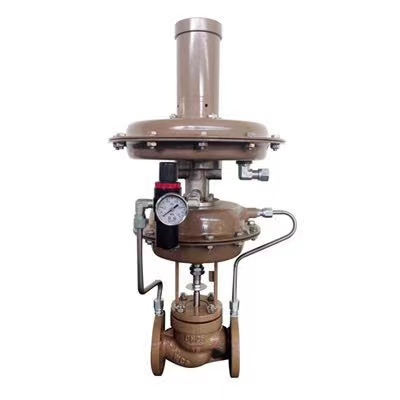
In factories and plants all over the globe, pressure troubles can flip a regular shift into chaos real fast. Pipes can split open. Gear breaks down. And folks on the job face serious hazards when things spin out of hand. That’s when pressure reducing valves (PRVs) step up. These straightforward devices take high incoming pressure and drop it down to a steady, safe level downstream. No fuss, no external power needed in many cases—they just work automatically.
Think about a chemical processing plant. Steam lines run hot and pressurized. One small fluctuation, and suddenly you’re dealing with leaks or worse. PRVs step in to keep everything stable, cutting down on those heart-stopping moments. They’ve been a go-to in industries like oil and gas, power generation, and manufacturing for years. And the numbers back it up: proper pressure control has helped drop equipment failure rates linked to overpressure by significant margins in many operations.
This article dives into the top five safety headaches in industrial settings and shows exactly how PRVs tackle them head-on. We’ll look at real-world scenarios, some hard data from industry reports, and why precise control matters so much.
The Top 5 Industrial Safety Challenges Tied to Pressure
Pressure headaches hit every sector hard. From oil refineries to water cleanup sites, wild highs cause failures, hurts, and expensive stops. Here are the main ones that keep bosses up at night.
1. Overpressurization Leading to Explosions or Ruptures
Nothing frightens crew more than a quick boom. When force climbs past what pipes or tanks can take, they burst. Steam boilers. Gas lines. Containers full of chemicals. Any could fail if pressure isn’t tamed.
Take a typical refinery setup. High-pressure feed lines push fluids through. A valve sticks or demand shifts, pressure builds fast. Without relief, you get a rupture releasing flammable stuff. Fires follow. Industry stats show overpressure as a key factor in many vapor cloud explosions over the years.
PRVs fight this directly. They sense upstream highs and reduce to a set downstream level, no matter the flow changes. In tank blanketing systems, for example, they maintain low positive pressure with inert gas, stopping vacuum or overfill risks that could spark explosions.
2. Equipment Damage from Pressure Surges
Machines aren’t built to take endless pounding from spikes. Pumps wear out faster, seals blow, pipelines corrode under stress. One surge can crack a heat exchanger or bend shafts in compressors.
Picture a power plant during startup. Steam pressure ramps up unevenly. Without control, it hammers turbines and boilers. Repairs run into thousands, plus downtime hits production hard.
Data from safety boards points to pressure surges causing up to 30-40% of unplanned equipment failures in process industries. That adds up quick.
PRVs smooth those surges. Pilot-operated or direct-acting models respond instantly, keeping outlet pressure steady. In steam applications, they prevent thermal shock that shortens boiler life. Result? Longer runs between maintenance, fewer breakdowns.
3. Worker Injuries from Leaks and Blowouts
People on the floor bear the brunt when pressure escapes wrong. High-velocity leaks spray hot fluids or chemicals. Blowouts from failed lines cause blasts or flying debris.
In mining or chemical plants, workers handle slurry lines under pressure. A weak spot gives, and suddenly someone’s hit with scalding water or toxic spray. Reports note high-pressure releases as culprits in burns, eye injuries, even fatalities.
PRVs cut this risk by preventing builds that lead to failures. They vent excess safely or just reduce it before it gets dangerous. In nitrogen blanketing for tanks, they keep pressures low—like around 1-2 kPa—stopping overpressure that could pop seals and release hazards.
4. Regulatory Non-Compliance and Fines
Rules are strict for a reason. OSHA, ASME codes, and others demand pressure systems stay within limits. Fail an inspection, and fines pile up. Worse, repeated issues can shut operations down.
Many plants face audits on relief systems. If downstream pressure creeps too high regularly, it’s a violation. Environmental regs kick in too if leaks happen from poor control.
PRVs help stay compliant automatically. They maintain set points reliably, logging proof for auditors. In severe service like petrochemicals, corrosion-resistant models hold up, avoiding drift that triggers flags.
5. Process Instability and Downtime
Unsteady pressure throws everything off. Reactions go wrong in chemical batches, flow rates vary in water treatment, efficiency drops in power gen.
A wastewater plant might see aeration tanks underperform if air pressure fluctuates. Product quality suffers, energy waste climbs.
PRVs stabilize flow characteristics—often quick-opening for fast response. Cage-guided or diaphragm types handle varying inlet without letting outlet waver. Plants report smoother operations, less scrap, and better yields.
| Challenge | Common Consequences | How PRVs Help | Example Industry Impact |
|---|---|---|---|
| Overpressurization | Explosions, ruptures | Reduce to constant downstream pressure | Prevents tank failures in refineries |
| Equipment Damage | Wear, failures, high repair costs | Absorb surges, protect components | Extends boiler life in power plants |
| Worker Injuries | Burns, chemical exposure | Stop leaks by controlling highs | Safer handling in chemical processing |
| Non-Compliance | Fines, shutdowns | Maintain code-required limits | Easier audits in oil & gas |
| Process Instability | Downtime, poor quality | Steady flow for consistent operations | Better efficiency in manufacturing |
Why Precise Pressure Control Matters in Real Operations
Let’s get specific. In a petrochemical facility, tanks store volatile liquids. Liquid level drops, gas space expands—pressure falls, risking collapse or air ingress that sparks fires. PRVs in blanketing systems inject nitrogen at set low pressures (often 1 kPa), keeping a protective blanket.
Or consider steam distribution in a pulp and paper mill. High-pressure mains feed lines to dryers. Drops needed at points of use. PRVs handle it without power, using diaphragms or pilots for accuracy.
Real data: Facilities with robust PRV setups see overpressure incidents drop sharply. One report noted reduced maintenance calls by 25% after upgrades. It’s not theory—it’s daily reality keeping lines running safe.
About Miwival: Your Go-To Supplier for Valves, Actuators, and Accessories
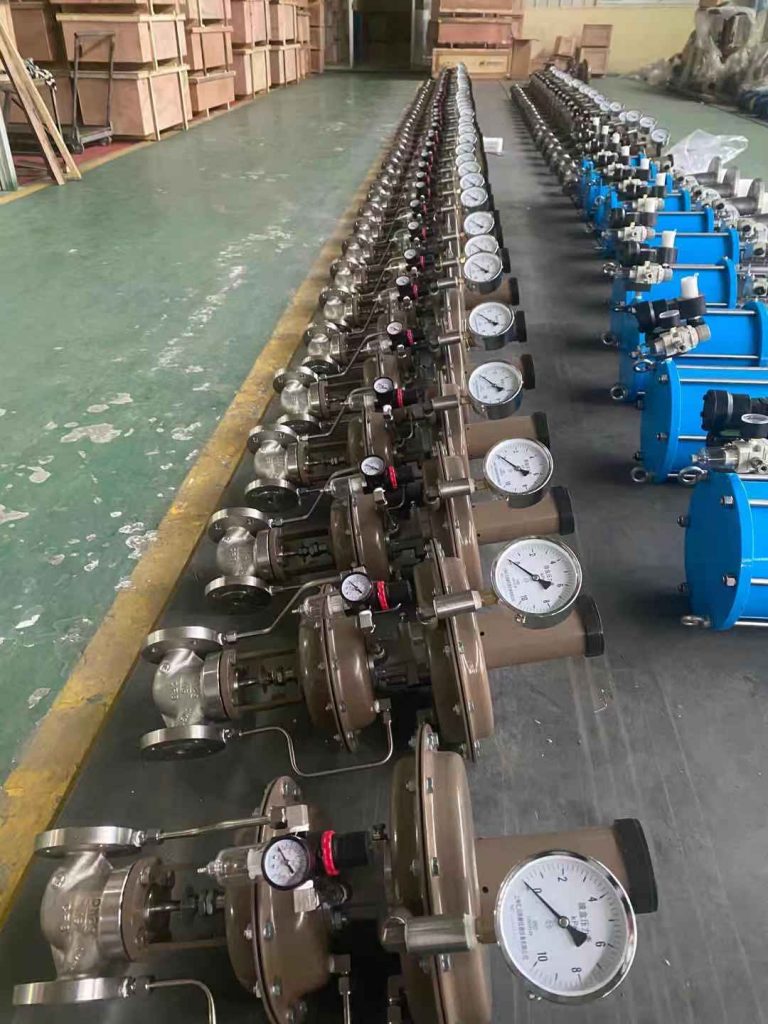
Miwival has built a solid reputation as a reliable supplier of valves, actuators, and accessories focused on flow control. With a mission of “Valves & Automation for a Safer World,” they aim for one-stop service. Their lineup offers great compatibility, fair pricing, and strong performance across industries like chemicals, power, mining, and water treatment. Trained teams provide hands-on support, quick stock delivery, and 24/7 online help. Operating in over 40 countries, Miwival partners with plants worldwide for dependable solutions that boost safety and cut costs.
Conclusion
Pressure reducing valves might not grab attention. But they quietly fix some of the hardest safety issues in industrial jobs. With exact handling, they block blasts. Guard machines. Shield workers from danger. Meet standards. And firm up processes. In tough settings, that dependable work saves cash, hours, and lives. Next plant walk, notice those PRVs. They’re pulling big weight quietly.
Frequently Asked Questions (FAQs)
What exactly does a pressure reducing valve do in industrial systems?
A pressure reducing valve automatically lowers high inlet pressure to a steady, lower outlet level. It adjusts on its own to flow changes or upstream swings, keeping things safe and consistent without needing electricity in many designs.
How do pressure reducing valves improve safety around high-pressure lines?
They prevent builds that cause ruptures or leaks. By holding downstream pressure steady, PRVs reduce risks of blowouts spraying hot or hazardous fluids, cutting down on injuries from pressure-related failures.
Can pressure reducing valves help with regulatory compliance in factories?
Yes, big time. They maintain pressures within required limits reliably, making it easier to pass inspections and avoid fines tied to overpressure issues.
In what industries are pressure reducing valves most critical for safety?
They’re key in chemicals, petrochemicals, oil and gas, power generation, and food processing—anywhere high pressures handle steam, gases, or liquids that could turn dangerous fast.
How often should pressure reducing valves be checked to keep safety benefits?
Regular checks—at least annually or after heavy use—spot wear on diaphragms or springs. Proper maintenance keeps them responding right, holding those safe pressure levels year after year.


 consult
 WHATSAPP
 leave message
 top
top