
How Severe Service Control Valves Handle Abrasive and Corrosive Media

Severe service control valves work where ordinary trim can lose accuracy, leak, or fail after limited exposure. Slurry, entrained solids, corrosive chemicals, flashing flow, cavitation, and large pressure drops may attack several components at once. The valve must regulate flow while resisting erosion, corrosion, vibration, and unstable hydraulic forces. Selection therefore starts with the complete process condition—not only line size and pressure class. Buyers need to define the medium, solids, chemistry, temperature, pressure profile, required rangeability, shutoff duty, and normal operating position before comparing designs.
Which process conditions turn a control valve into severe service?
Service becomes severe when the fluid, pressure drop, or operating cycle creates damage beyond what standard trim and materials can tolerate. Abrasion and corrosion frequently occur together, making each mechanism harder to control.
How do solids and high velocity accelerate erosion?
Hard particles strike the plug, seat, cage, body outlet, and downstream pipe. Wear concentrates where velocity increases or flow changes direction. Fine particles may polish surfaces gradually, while larger particles can chip coatings, jam clearances, or cut sealing edges.
Low-travel throttling is particularly demanding because a small opening creates a narrow, high-velocity jet. A valve that normally operates near its seat should be designed for that condition, not sized only for maximum flow.
Why do cavitation and flashing increase material loss?
Cavitation begins when local pressure falls below the liquid vapor pressure and bubbles later collapse as pressure recovers. Repeated bubble collapse can pit the trim and body. During flashing, part of the liquid remains vapor downstream because pressure does not recover sufficiently.
Both conditions raise velocity and disturb flow. Solids and corrosive chemicals can then attack newly damaged surfaces. Sizing data should include inlet pressure, outlet pressure, vapor pressure, temperature, and flow rate across every expected operating case.
How do valve geometry and trim design control wear?
A severe service valve manages process energy rather than merely restricting flow. Its internal geometry should distribute pressure drop, stabilize moving parts, and direct high-velocity flow away from vulnerable surfaces.
Which body styles suit abrasive and corrosive duties?
Angle valves can guide erosive flow through a controlled change in direction and may simplify downstream wear protection. Globe valves support accurate throttling and can use cages or staged trim. Rotary valves may offer broader passages for certain slurry applications.
No body style suits every medium. Settling solids can collect in body pockets, fibrous material may bridge narrow openings, and crystallizing fluids may block close-clearance trim. Installation orientation, drainability, cleaning access, and flow direction should be reviewed before selection.
How do staged and protected trims reduce damage?
Multi-stage cages, drilled-hole trims, labyrinth passages, and stacked-disk assemblies divide a large pressure drop into smaller steps. This limits peak velocity and controls where pressure recovery occurs. Hardened guides and balanced plugs can also reduce vibration and side loading.
Slurry passages must remain large enough for the expected particles. A trim that controls cavitation in clean liquid may plug in solids-bearing service. Maximum particle size, concentration, hardness, shape, and settling tendency should be included in the sizing review.
Which materials and surface treatments resist abrasion and corrosion?
Material selection must cover every wetted or vapor-exposed component: body, trim, seat, stem, guides, packing, gaskets, and fasteners. Hard trim cannot compensate for an incompatible body or sealing system.
When should hard alloys, coatings, or ceramics be considered?
Hardened stainless steels, cobalt-based overlays, tungsten carbide, chromium carbide, and technical ceramics may be considered for particle impact or sliding wear. Their suitability depends on temperature, corrosion, impact level, thermal cycling, and repair requirements.
Hardness alone does not establish durability. Brittle materials may crack under impact, while coatings can detach when substrate preparation or bonding is poor. Buyers should identify the protected surfaces, overlay or coating thickness, finishing process, and whether worn components are replaceable.
How should corrosion compatibility be evaluated?
The process description should list chemicals, concentrations, temperature, contaminants, cleaning agents, and potential upset conditions. Corrosion behavior may differ between liquid, vapor, crevice, and stagnant zones. Simplified descriptions such as “acid service” provide insufficient detail.
Corrosion allowance protects pressure-containing walls but does not preserve control accuracy. Localized attack, galling, stress corrosion, and damage at sealing surfaces may become critical before general wall loss. Material review should address both structural integrity and trim performance.
What failure risks and inspection steps matter before commissioning?
Premature failure often results from several issues acting together: incorrect sizing, unsuitable materials, unstable flow, poor installation, and inadequate actuator margin. Testing should reflect the approved operating cases.
Which symptoms indicate a developing problem?
Rising actuator demand, unstable position, vibration, noise, leakage, packing wear, or declining capacity may indicate trim erosion, solids buildup, cavitation, shaft damage, or worn guides. Continuous hunting around the set point also increases mechanical wear.
Maintenance teams should trend valve travel, actuator pressure, leakage, and process noise where practical. Changes over time provide more useful evidence than one isolated reading. Inspection frequency should reflect pressure drop, solids loading, cycling, and failure consequences.
What should buyers inspect and test?
Verify dimensions, pressure class, materials, flow direction, seat condition, stem movement, packing, actuator travel, accessories, and nameplate information. Pressure, leakage, and functional tests must correspond to the approved valve specification.
A stroke test alone is insufficient for throttling service. Review calculated operating positions, required flow coefficient, available supply pressure, actuator thrust or torque, fail action, and safety margin. Positioners and pneumatic accessories must also deliver the required response under site conditions.
How should procurement teams compare severe service valve suppliers?
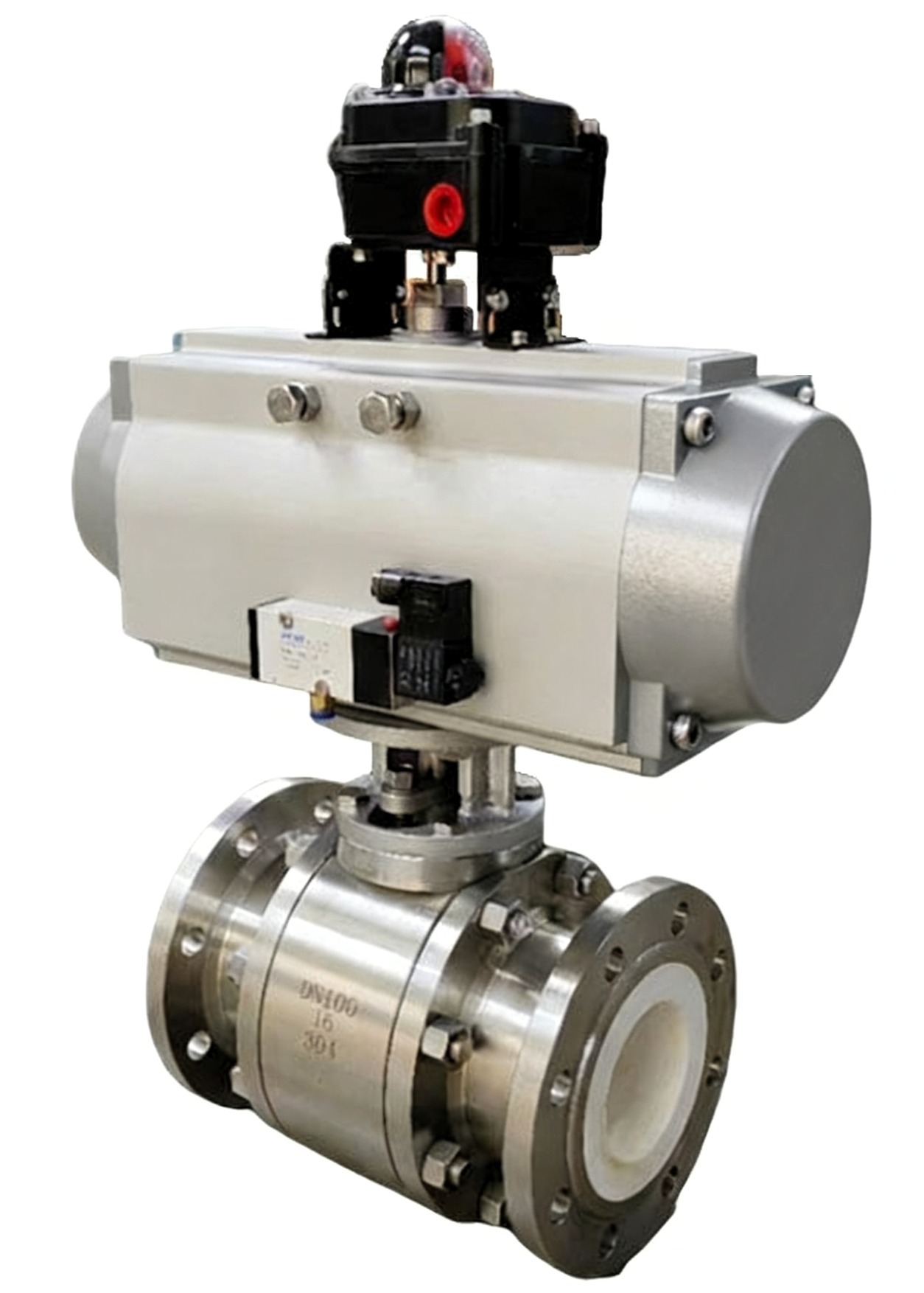
A capable supplier should explain the damage mechanism, proposed pressure-drop control, material choices, actuator sizing, and maintenance approach. A quotation based only on line size and pressure class leaves major risks unresolved.
What information belongs in the technical inquiry?
Provide a minimum, normal, and maximum flows, inlet and outlet pressures, temperature, vapor pressure, density, viscosity, solids content, chemical composition, shutoff requirements, rangeability, frequency of cycling, fail position, and installation location.
The proposal should specify body style, the trim’s flow characteristics and geometry, direction of flow, materials of construction, hardfacing, seat design and material, packing, plug coefficient of flow, predicted plug travel, actuator size, accessories, and replaceable parts.
All assumptions should be recorded for comparison with actual plant conditions.
Which commercial controls protect repeat orders?
Approve drawings, bills of materials, sizing calculations, actuator data, test procedures, coating details, and inspection points before production. Changes to castings, trim, hardfacing, packing, positioners, seals, or actuators should require written approval.
Confirm spare-part lead times, startup spares, maintenance instructions, warranty procedures, preservation, and packaging. Interchangeable trim kits and traceable serial records can reduce downtime when a valve is inspected or rebuilt after service.
How can a valve supplier support severe service control applications?
Miwival supplies valves for industrial flow-control projects, including configurations intended for abrasive, corrosive, cavitating, flashing, and high-pressure-drop duties. Project inquiries should include process media, chemical composition, solids content, particle size, temperature, flow range, inlet and outlet pressures, shutoff requirement, cycle frequency, fail action, and installation orientation. Technical review should define body style, trim path, materials, hardfacing, seat design, packing, actuator margin, accessories, and inspection methods. Quotations should identify replaceable wear parts, documentation, testing, lead time, packaging, and change-control terms. Before production, buyers should approve drawings, sizing data, material lists, actuator calculations, test procedures, nameplates, inspection records, and future maintenance planning.
Conclusion
Severe service control valves address the challenges posed by the media they are subject to through velocity limitation measures, segmentation of pressure drop, protection of exposed surfaces, and the use of materials compatible with all of the chemicals in a process system. The correct choice of control valves for severe service is made possible by relying on accurate operating information, using the correct trim geometry, providing enough actuator capacity, and ensuring the integrity of all components through inspection. Buyers should evaluate the entire control range, document all sizing assumptions, and secure replaceable wear parts before startup. This approach reduces premature erosion, leakage, instability, and unplanned shutdowns.
FAQs
1. What information is needed to size a severe service control valve?
Provide minimum, normal, and maximum flow, inlet and outlet pressure, temperature, vapor pressure, density, viscosity, solids data, chemistry, required shutoff, rangeability, fail action, and operating frequency.
2. Which valve type is suitable for abrasive slurry control?
The choice depends on particle size, solids concentration, pressure drop, settling tendency, and control range. Angle, globe, and rotary designs may work when their flow paths and clearances match the slurry.
3. Can hardfacing alone prevent severe service valve erosion?
No. Hardfacing can protect selected surfaces, but poor sizing, excessive velocity, cavitation, unstable flow, or unsuitable geometry can move damage elsewhere. The complete valve and piping system should be evaluated.
4. How can buyers identify cavitation risk before ordering?
Use inlet pressure, outlet pressure, temperature, vapor pressure, and flow data across all operating cases. The supplier should calculate pressure recovery and explain how the proposed trim manages damaging bubble collapse.
5. Which spare parts should be ordered with severe service control valves?
Typical spares include plugs, seats, cages, guides, stems, packing, gaskets, seals, bearings, positioner components, and actuator service parts. Selection should reflect the expected wear mechanism and maintenance interval.


 consult
 WHATSAPP
 leave message
 top
top