How Should Buyers Verify Flange Compatibility When Replacing Flanged Ball Valves in Existing Process Lines?
img.How Should Buyers Verify Flange Compatibility When Replacing Flanged Ball Valves in Existing Process Lines.webp
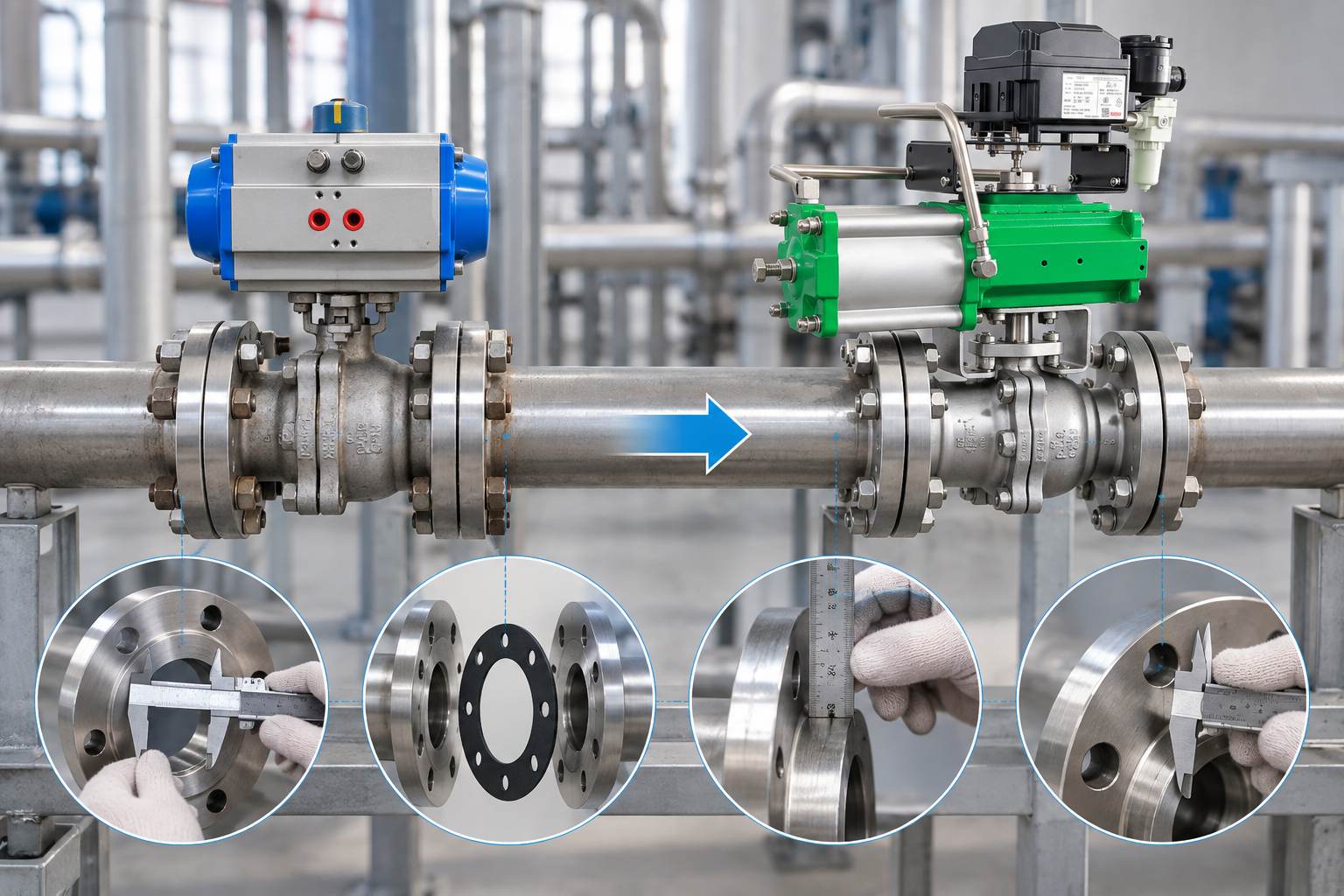
Replacing a flanged ball valve in an existing process line requires more than matching nominal diameter and pressure class. The replacement must fit the installed flanges, preserve the required sealing arrangement, and leave enough room for operation and maintenance. Differences in face-to-face length, flange facing, drilling pattern, gasket selection, bore, or actuator orientation can delay installation even when the valve itself suits the process. For maintenance engineers and purchasing teams, the practical task is to identify those interface requirements before ordering. A reliable replacement review therefore combines site measurements, piping specifications, material requirements, operating duty, and approved drawings.
What Should Be Recorded Before Ordering a Replacement Flanged Ball Valve?
The existing installation often contains information that is missing from old equipment records. Before requesting a quotation, the maintenance team should confirm both connection details and actual service conditions.
Why Is the Existing Nameplate Not Enough?
A nameplate may show nominal size, pressure class, body material, and manufacturer information, but it does not establish every dimension needed for replacement. Two valves with the same nominal size and pressure class can still have different face-to-face lengths, flange facings, or body layouts.
The purchasing team should compare the original drawing with measurements taken from the installed valve. If documentation is incomplete, record the distance between pipe flanges, flange standard, facing type, bolt-hole arrangement, and available service space.
The replacement specification should also state fluid, operating pressure, temperature, shutoff requirement, and operating method. In chemical processing applications, compatibility with cleaning chemicals may also need consideration.
What Should Be Checked During a Site Survey?
The survey should determine whether the old valve can be removed without disturbing nearby piping or structures and whether the replacement will fit the same space.
Check pipe supports, actuator clearance, bolting access, flange condition, and piping alignment. If the existing line is already misaligned, the new valve should not be used to pull the piping into position. Alignment problems need separate correction.
How Can Buyers Confirm That the Replacement Flanges Will Fit?
Flange compatibility depends on several dimensions working together. Matching nominal diameter alone is not enough.
Which Flange Details Need to Match?
The replacement drawing should identify flange standard, pressure class, nominal size, facing type, bolt-hole arrangement, and face-to-face dimension.
|
Interface detail |
Procurement verification |
|
Flange standard |
Confirm compatibility with installed piping |
|
Nominal diameter |
Match the existing connection |
|
Pressure class |
Check against service conditions |
|
Flange facing |
Confirm mating surface and gasket |
|
Bolt-hole arrangement |
Compare with existing drilling |
|
Face-to-face length |
Confirm the valve fits the available gap |
Raised-face, flat-face, and ring-type joint arrangements should not be treated as interchangeable simply because nominal size and pressure class are the same.
Why Does Face-to-Face Length Matter?
A replacement that is longer than the original may require piping modification. A shorter valve can create the opposite problem because adjacent piping should not be forced together to close the gap.
Where the original equipment is old or its standard is uncertain, measure the installed length and compare it with the proposed dimensional drawing before the order is released.
How Should Gasket and Bolting Requirements Be Evaluated?
A suitable valve can still leak externally if the flange joint uses an incompatible gasket or incorrect bolting arrangement.
What Determines the Gasket Choice?
The gasket must suit the flange facing, process fluid, temperature, pressure, and piping specification. Reusing the previous gasket type without checking the new valve facing can create sealing problems.
Maintenance personnel should also inspect the existing mating surfaces for corrosion, scratches, distortion, or other damage. A new valve cannot compensate for a poor flange surface.
Why Should Bolting Be Reviewed Before Installation?
Bolt length and material need to suit the complete joint, including flange thickness and gasket arrangement. Tightening practice should follow the applicable project procedure rather than a universal torque value.
For projects involving several valve types, the broader ball valve category can help teams compare available connection arrangements, while the actual joint design should still follow the installed piping specification.
What Other Valve Details Can Affect Replacement Compatibility?
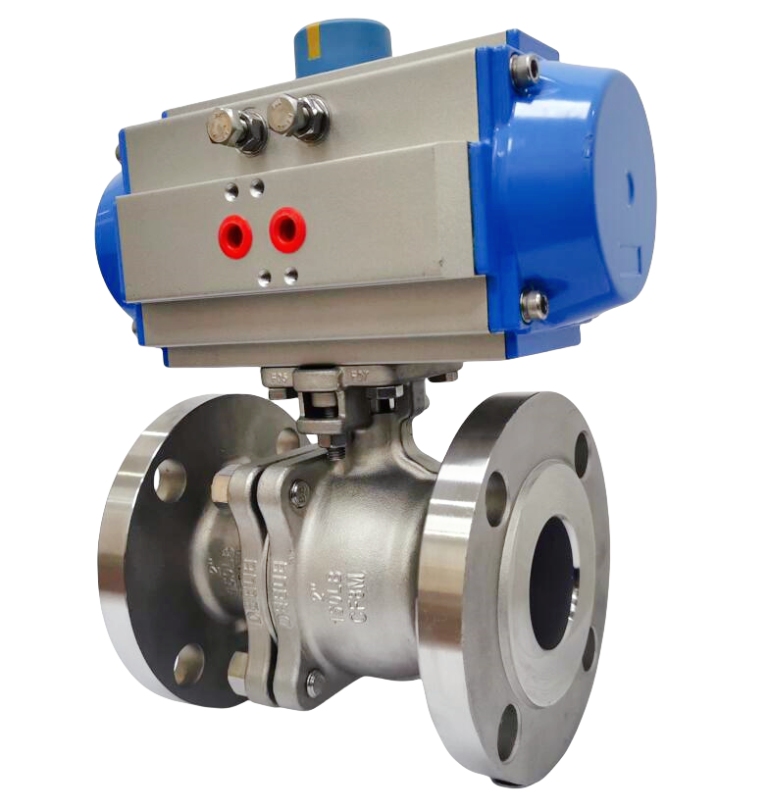
A valve may fit between the flanges yet still be unsuitable for the service. Bore, seat construction, materials, and actuator compatibility need separate review.
How Do Bore and Seat Construction Affect the Decision?
Full-port and reduced-port valves do not provide the same internal flow area. Where pigging or low restriction is important, the bore should be confirmed from the drawing rather than assumed from nominal size.
Seat material should also match the fluid, temperature, and shutoff requirement. The technical bid should identify the body, ball, stem, seat, and sealing materials so substitutions can be reviewed before approval.
What Should Be Checked When the Valve Is Automated?
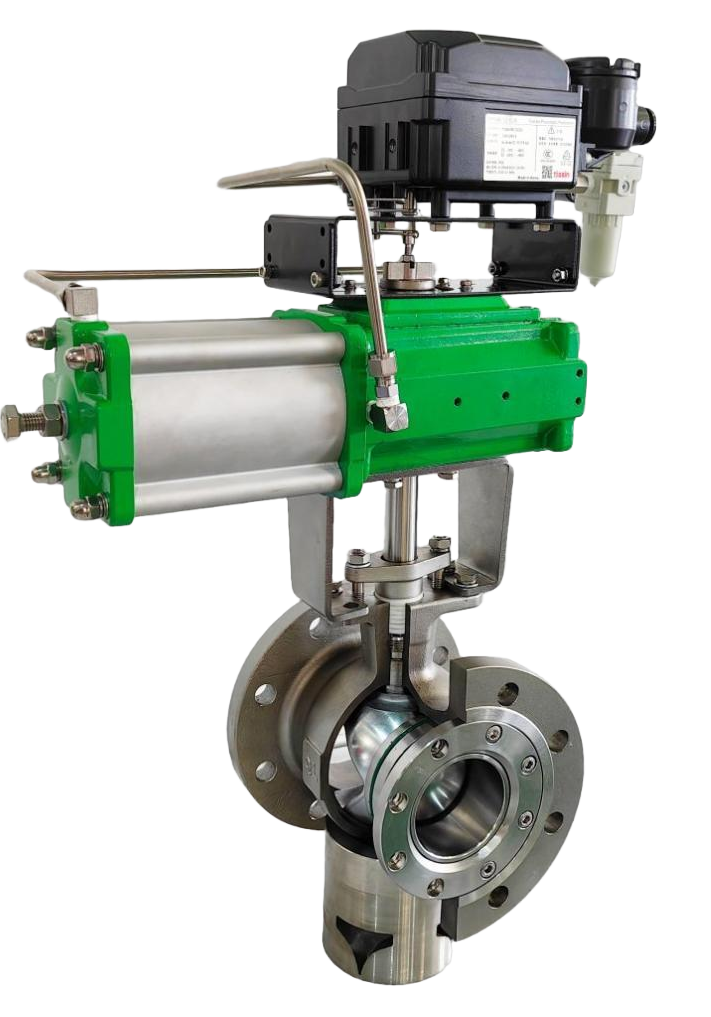
An existing actuator may not fit the replacement valve even if both valves share the same nominal size. Check stem interface, mounting arrangement, torque requirement, travel, and available space before deciding whether the actuator can be reused.
Where a new actuator is required, the proposed assembly should match the plant’s pneumatic or electrical supply. The actuator category provides a reference for available automation arrangements.
What Should Be Approved Before the Replacement Valve Is Purchased?
The final review should confirm that the replacement is compatible with the existing pipeline and capable of performing the required isolation duty.
Which Documents Should Be Included?
The purchasing file should contain the valve data sheet, dimensional drawing, material list, connection details, actuator information where applicable, and agreed inspection or testing requirements.
Any deviation from the existing flange standard, bore, materials, or operating arrangement should be stated clearly. The maintenance or engineering team should approve the final dimensional drawing before production.
The industrial product portfolio can support broader replacement planning when several valve types are involved, but each replacement still needs its own confirmed dimensions and service conditions.
Professional Technical Support from Miwival
Miwival supplies industrial valves and automation equipment for chemical processing, power, water treatment, mining, and other process industries. Its Floating Ball Valve Flanged product information lists pressure classes, body and seat materials, temperature ranges, and applicable design and testing standards. For replacement projects, engineering and purchasing teams can compare the existing valve drawing, flange specification, process data, and installation dimensions with the proposed configuration before ordering. Miwival’s published quality process includes material verification, dimensional inspection, machining and assembly checks, pressure testing, and final inspection, providing specific stages for checking supplied equipment against approved technical requirements.
Conclusion
A flanged ball valve replacement should be approved only after connection and operating requirements have been checked together. Flange standard, facing type, gasket, bolting, face-to-face length, bore, materials, and actuator compatibility can all determine whether the new valve installs without additional piping work. A site survey and approved dimensional drawing provide a stronger purchasing basis than nominal size and pressure class alone. Before release, engineering and maintenance teams should resolve dimensional differences and confirm that the proposed assembly matches the actual service.
FAQs
1. Can two flanged ball valves with the same nominal size have different installation dimensions?
Yes. Face-to-face length, flange facing, drilling pattern, and body construction may differ even when nominal size and pressure class match. The replacement drawing should therefore be checked against the installed piping before purchase.
2. What should be checked when replacing a valve with raised-face flanges?
Confirm flange standard, nominal size, pressure class, facing dimensions, gasket specification, bolting arrangement, and installation length. Existing mating surfaces should also be inspected for damage or distortion.
3. Can the existing actuator be reused with a replacement ball valve?
Possibly, but operating torque, stem interface, mounting arrangement, travel, and available space should be verified before reuse is approved.
4. Why should the replacement valve bore be confirmed?
A smaller bore can increase flow restriction or interfere with pigging requirements. Where internal clearance matters, confirm the actual bore from the approved drawing rather than relying on nominal pipe size.
5. Which document is most useful for avoiding flange compatibility problems?
The approved dimensional drawing is essential because it establishes connection dimensions and the overall valve envelope. It should be reviewed together with the piping specification and site measurements.


 consult
 WHATSAPP
 leave message
 top