
How Should Buyers Verify Flanged Ball Valve Storage and Preservation Before Installation?
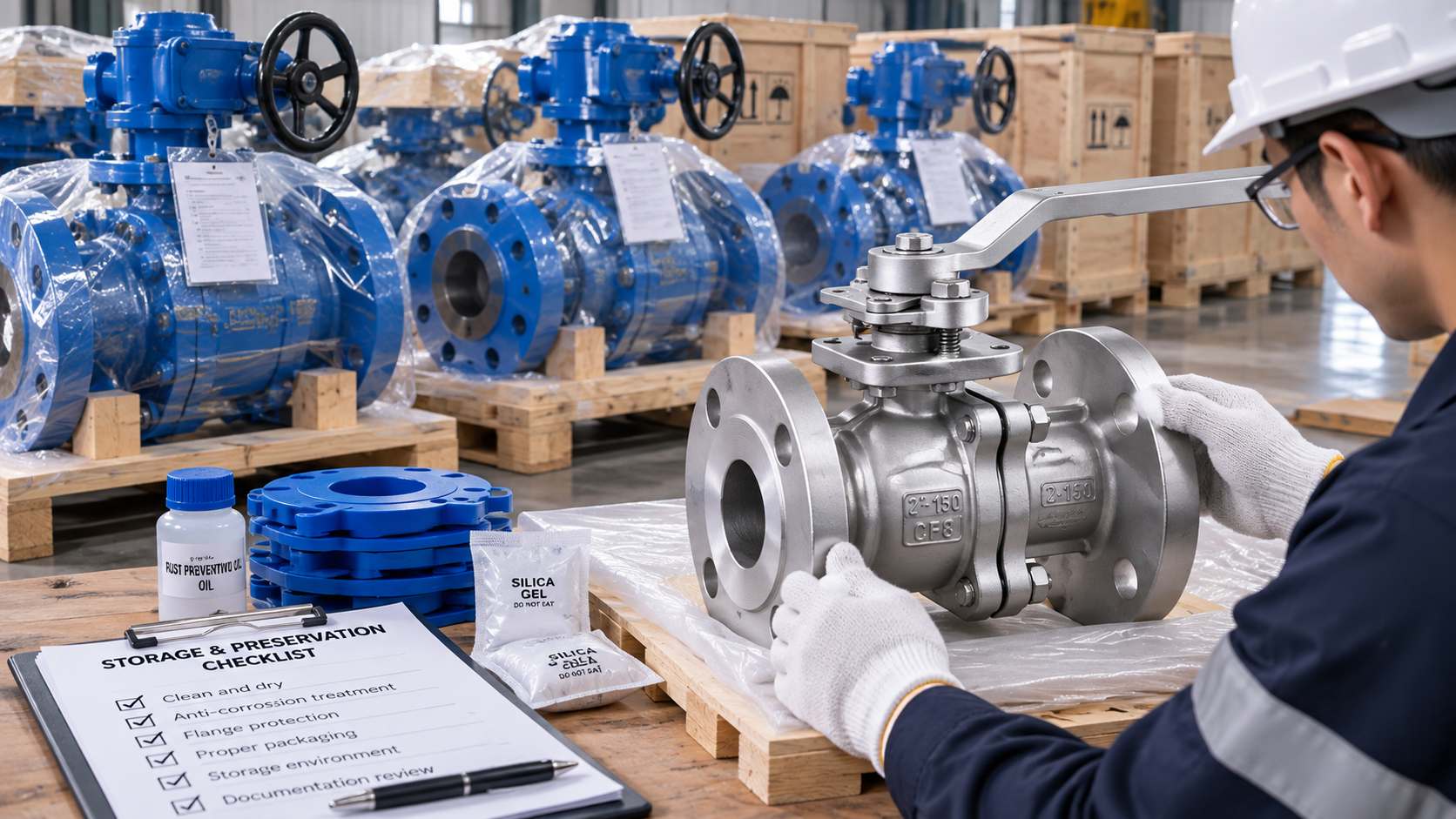
Flanged ball valves should remain protected from moisture, contamination, and mechanical damage throughout storage, even when installation is only a few weeks away. Equipment that passed factory inspection may develop problems after delivery if flange covers are removed, packaging becomes wet, or heavy components are handled incorrectly. These problems are particularly troublesome on projects where valves arrive long before the piping is ready. By the time installation begins, the original receiving team may no longer be involved, and records of the equipment’s condition may be incomplete. For purchasing managers, warehouse personnel, and EPC engineers, the practical question is how to preserve the delivered condition and identify problems before the valve enters service.
What Should Be Checked When the Valve Arrives at the Warehouse?
Receiving inspection is the first opportunity to separate transportation damage from problems that develop during storage. It also establishes which equipment has been delivered and whether its condition matches the purchasing records.
Check the Packaging Before Removing It
A damaged crate does not necessarily mean the valve is damaged, but it gives the receiving team a reason to inspect more carefully. Water stains, broken supports, torn wrapping, or displaced protective covers may indicate that the shipment has experienced conditions outside its intended handling arrangement.
Photograph visible damage before unpacking. Once the packaging has been removed, it becomes more difficult to establish whether a damaged flange face or operator was affected during transportation or subsequent warehouse handling.
The initial inspection should cover the valve body, exposed components, flange protection, and any attached actuator. Protective materials should remain in place unless removal is necessary for inspection.
Match the Equipment to the Purchase Records
Identification is just as important as physical condition. Similar-looking valves may have different pressure classes, body materials, or internal arrangements.
Compare the nameplate and identification markings with the purchase order, packing list, and approved equipment documents. If a tag number is missing or the delivered configuration cannot be confirmed, keep the equipment out of the installation inventory until the discrepancy is resolved.
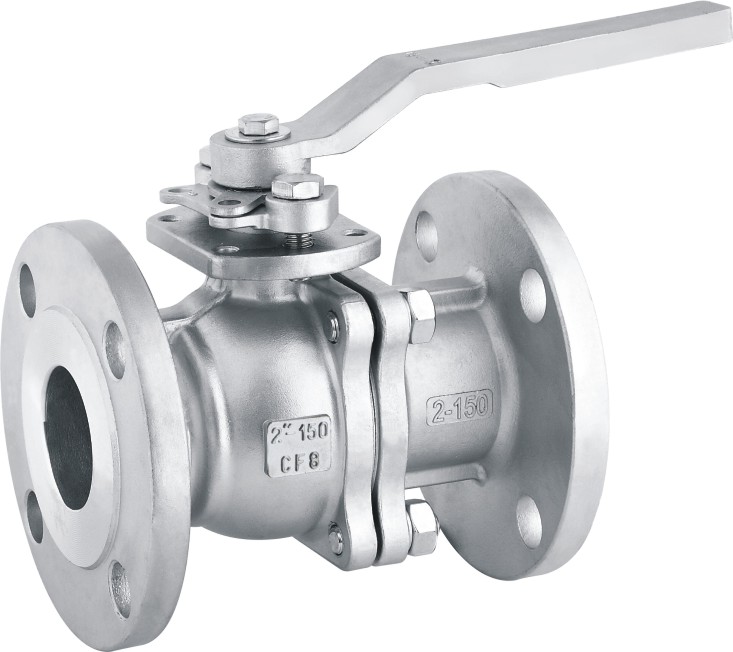
The ball valve category illustrates the different constructions available within this valve family, but receiving acceptance must be based on the actual equipment ordered rather than a general product description.
How Should Flange Faces and Internal Components Be Protected?
A valve may spend months in storage without its internal components being exposed to the process fluid. During that period, damage is more likely to result from handling, environmental exposure, or contamination than from normal operation.
The preservation arrangement should prevent these problems without introducing cleaning products or procedures that are unsuitable for the valve’s materials.
Leave Connection Protection in Place
Flange covers serve a simple purpose: they protect the connection surfaces and prevent foreign material from entering the valve.
Removing the covers immediately after delivery may seem convenient for inspection, but leaving the openings exposed creates additional risks. A flange face can be scratched when equipment is moved, while dust or packaging fragments may enter the flow passage.
The covers should remain fitted until inspection or installation requires their removal. If a cover becomes damaged or detached, suitable replacement protection should be arranged.
When a flange face must be inspected, the receiving team should check for visible damage and restore the required protection afterward.
Do Not Treat Internal Cleaning as Routine Warehouse Work
A valve that appears dusty externally does not necessarily require internal cleaning. Opening the flow passage unnecessarily may introduce contamination that was not present when the equipment arrived.
If internal inspection or cleaning is required, personnel should follow the applicable equipment instructions. Cleaning agents and lubricants must be compatible with the seat and sealing materials.
This is particularly relevant where valves will eventually handle chemicals. The chemical industry application provides context for chemically demanding service, but compatibility with the intended process medium does not mean that any warehouse cleaning chemical is suitable.
Internal cleanliness should be preserved through controlled handling rather than repeated opening and cleaning without a defined reason.
What Storage Conditions Are Suitable for an Extended Project Schedule?
Installation delays are common in industrial projects. Civil construction, piping fabrication, or commissioning changes may leave delivered valves in storage longer than originally planned.
The preservation method should reflect the actual storage period and environment rather than assuming that the original shipping packaging will remain suitable indefinitely.
Moisture and Handling Deserve Separate Attention
Indoor storage in a dry, protected area can reduce exposure to rain and standing water. However, indoor storage alone does not eliminate the risk of damage.
A valve placed directly in a busy handling area may be struck by forklifts or moved repeatedly to make room for other equipment. Heavy components can also damage packaging or connection protection if they are stored without adequate support.
Valves should be positioned securely, with suitable support for their weight and enough clearance for inspection.
Where outdoor storage is unavoidable, the packaging and preservation arrangement should be approved for the expected conditions. Ordinary transport wrapping should not automatically be treated as long-term weather protection.
Should Stored Valves Be Operated Periodically?
Periodic operation may form part of an approved preservation procedure, but it should not become a routine simply because the equipment has been stored for several months.
The appropriate method depends on valve construction, seat material, actuator arrangement, and the manufacturer’s instructions.
Before operating a stored valve, personnel should confirm that movement is required and that the internal passage remains protected from foreign material. Abnormal resistance should be recorded and investigated rather than overcome by applying additional force.
The intended storage position should also follow the equipment-specific preservation instructions.
How Can Preservation Records Prevent Problems During Installation?
A project may involve several deliveries, storage locations, and installation teams. Without consistent records, equipment that has been inspected or repaired may become difficult to distinguish from equipment still awaiting technical review.
Preservation records should establish what was received, how it was stored, and whether any event occurred that could affect its condition.
Record Conditions That Could Affect Installation
A useful record does not need to reproduce the entire purchase specification. It should identify the equipment and document inspections, storage changes, and corrective actions.
| Inspection item | Information to record |
| Equipment identification | Tag number and purchase reference |
| Packaging | Damage, moisture, or missing protection |
| Flange faces | Cover condition and visible damage |
| Storage location | Environmental exposure and handling conditions |
| Operating components | External condition and reported abnormalities |
| Corrective action | Work completed and approval status |
Inspection frequency should follow the project preservation procedure. Equipment exposed to a change in storage conditions may require an additional check even if the next scheduled inspection is not yet due.
Keep Damaged Equipment Out of Available Inventory
A damaged cover and a damaged flange face require different responses. Warehouse personnel may be able to replace protective packaging, but repairs affecting the pressure boundary or sealing surfaces require technical assessment.
Equipment with unresolved damage should be identified and kept separate from inventory approved for installation.
The industrial product portfolio may help coordinate preservation records across different equipment packages, although each item should retain its own identification and inspection history.
What Should Be Verified Immediately Before Installation?
The final inspection should establish whether the valve remains in the condition required by the purchase specification. It should also confirm that storage-related issues have been resolved before the equipment is transferred to the installation team.
Review the Valve’s Current Condition, Not Only Its Factory Records
Factory inspection documents establish the condition verified before shipment. They cannot establish whether a flange was damaged during unloading or whether moisture entered the packaging several months later.
Before installation, confirm equipment identification, accessible connection surfaces, external condition, documentation, and the status of any reported damage.
Protective covers should be removed under controlled conditions when the installation procedure requires it. Internal cleanliness and the condition of the operating mechanism should be reviewed according to the approved inspection requirements.
Additional functional or pressure testing should be determined by the project specification and equipment condition, rather than imposed automatically because the valve has spent time in storage.
If a discrepancy remains unresolved, installation should wait until the responsible engineering or quality personnel have assessed it.
Professional Technical Support from Miwival
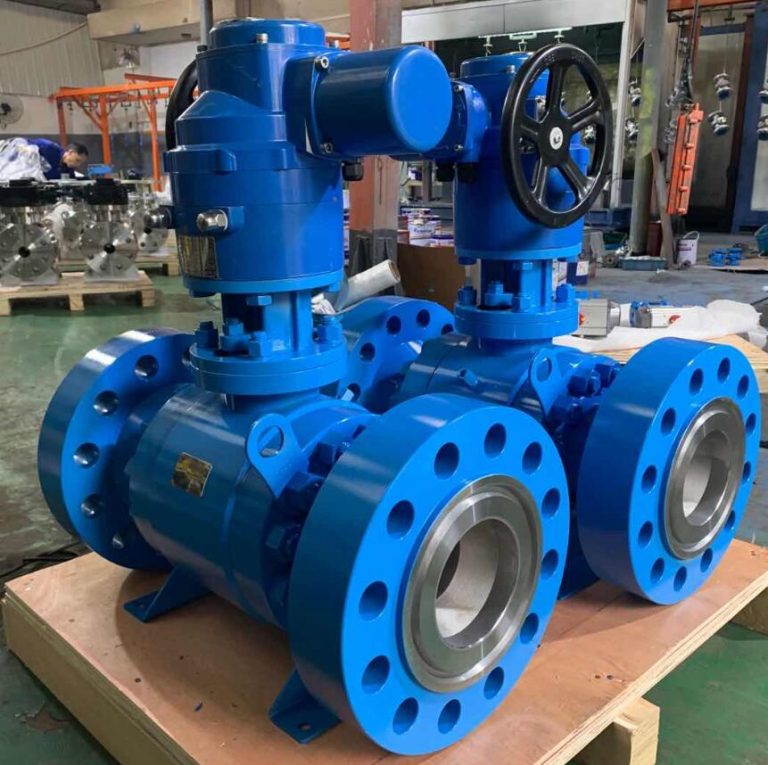
Miwival supplies industrial valves and automation equipment for chemical processing, water treatment, power, mining, and other process industries. Its Floating Ball Valve Flanged product information identifies body and seat materials, pressure classes, temperature ranges, and applicable design and testing standards. These specifications provide a reference when checking the identity and configuration of equipment received for a project. The company’s published quality-control process includes material verification, dimensional inspection, machining and assembly checks, pressure testing, and final inspection. Where valves will remain in storage for an extended period, the purchaser should establish preservation responsibilities and any additional release-inspection requirements separately from the original factory acceptance procedure.
Conclusion
Flanged ball valve preservation is intended to maintain the equipment’s approved condition between delivery and installation. Flange protection, internal cleanliness, environmental exposure, handling practices, and equipment identification all influence whether a stored valve can be released for service. Receiving records and periodic inspections are useful because they establish when damage occurred and whether corrective action has been completed. Before installation, the responsible team should review the equipment’s current condition against the approved requirements instead of relying exclusively on factory test records or the appearance of its packaging.
FAQs
1. Should flange covers remain fitted during warehouse storage?
Protective covers should normally remain in place until inspection or installation requires their removal. They help protect connection surfaces and prevent foreign material from entering the valve. Damaged or missing covers should be replaced with suitable protection.
2. Is outdoor storage acceptable for flanged ball valves?
Outdoor storage may be acceptable when the approved packaging and preservation procedure are suitable for the expected environmental conditions. Moisture, dust, temperature changes, and mechanical damage must be considered, particularly when the equipment will remain outdoors for an extended period.
3. Does a stored valve need to be opened and closed periodically?
Not necessarily. Periodic operation should follow the manufacturer’s instructions or an approved project preservation procedure. Unnecessary movement may introduce contamination or create operating problems, while abnormal resistance should be investigated rather than overcome by applying additional force.
4. When is additional testing required before installation?
Additional testing depends on the project specification, storage history, equipment condition, and any damage or repair identified during inspection. A valve does not automatically require another pressure test simply because it has remained in storage.
5. What should be done when corrosion is discovered before installation?
The affected equipment should be identified and withheld from installation until its condition has been assessed. The appropriate response depends on the location and extent of corrosion, the affected materials, and whether pressure-containing or sealing surfaces are involved.


 consult
 WHATSAPP
 leave message
 top