
How to Choose a Pinch Valve for Slurry and Abrasive Media Applications
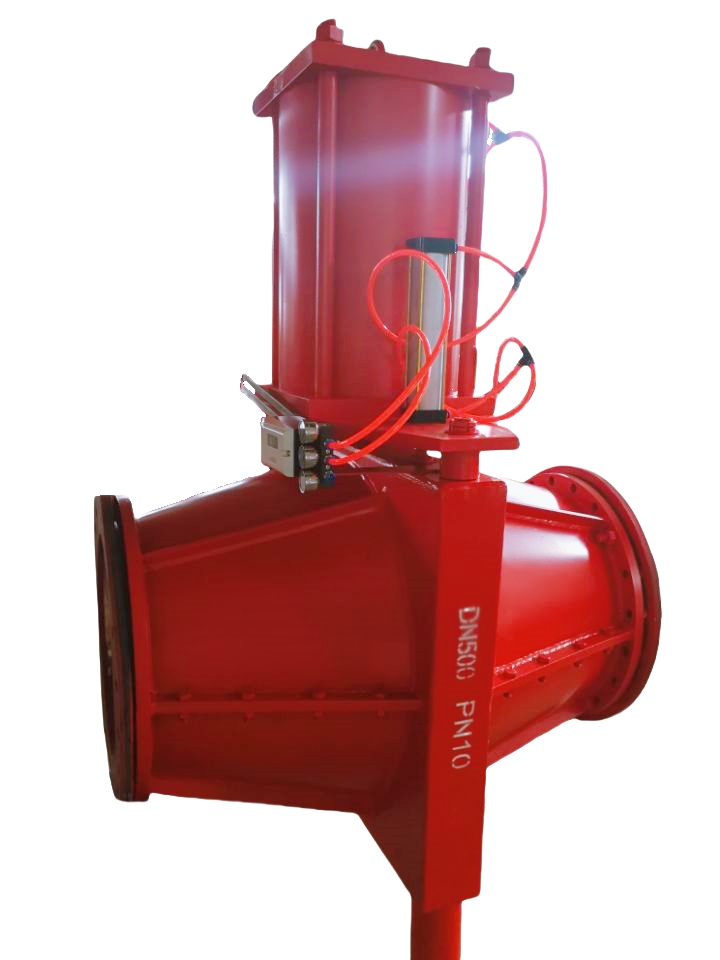
Pinch valves for industrial use are used to control abrasive and slurry-type fluids in industries such as mining, wastewater treatment and chemical processing. These types of valves are designed to be used as isolators or regulators for viscous, abrasive, slurry or corrosive type fluids and are often used as an alternative to other types of industrial valves as they can wear sleeves and become clogged or cause pressure loss. Choosing the correct pinch valve is critical to the life of the valve, to minimize maintenance and to ensure that the valve is able to perform the required function. This article outlines the technical selection criteria, materials and performance metrics that need to be considered when choosing a pinch valve for use with slurry and abrasive type fluids.
What Key Factors Should Be Considered When Selecting a Pinch Valve for Slurry Applications?
When selecting a slurry pinch valve, you must consider a combination of process variables and mechanical design features to ensure a quality, long-lasting product.
Flow Characteristics and Media Composition
Characteristics of the medium to be transported, such as the particle size distribution, the density of the solid particles and the concentration of the solids, have a significant influence on the selection of appropriate valves and wear-resistant sleeves. Large particles and a high concentration of solids are particularly prone to causing increased wear and tear on the valves. The flow rate variations also influence the required speed of the actuator and the pressure drop across the valve. In applications involving highly abrasive slurries, such as those found in mineral processing plants, the primary design factor is often the internal wear resistance of the valve in order to guarantee a constant production rate in the long term.
Pressure and Temperature Conditions
The operating pressure of a pipeline determines the required thickness of the pinch valve sleeve as well as the type of reinforcement required. For example, high pressure pipelines carrying dense tailings may require multi-layer reinforced elastomer sleeves to prevent ballooning under pressure. In addition, higher operating temperatures require elastomers that maintain their mechanical properties at elevated temperatures. For example, EPDM and silicone are preferred for temperatures greater than 120°C. The pressure testing procedure as outlined in ISO 5208 can be used for pinch valves and ensures that the testing procedure is of a high reliability and is in compliance with international standards.
Valve Size and Installation Environment
Installation constraints often dictate whether manual or automated actuation is more practical. In compact systems with limited access space, smaller manual pinch valves may be ideal for intermittent operation. Conversely, large-diameter pipelines benefit from pneumatic or electric actuation to ensure consistent control precision. The orientation of installation also affects sleeve wear patterns; vertical installations generally experience more uniform wear than horizontal ones due to sediment distribution differences. Additionally, environments subject to vibration or pulsation—common in mining slurry transport lines—require reinforced mounting supports to avoid premature fatigue failures.
How Does Material Selection Affect Valve Performance in Abrasive Media?
Material compatibility is the most critical factor for the service life of an industrial pinch valve, operating in abrasive applications.
Sleeve Material Options for Longevity
Natural Rubber Sleeves
Natural rubber is still the most cost effective option offering good elasticity and abrasion resistance and is often the preferred option for general purpose slurry applications where there is little chance of chemical attack.
EPDM and Neoprene Sleeves
In contrast to natural rubber, EPDM (ethylene propylene diene monomer) and neoprene provide superior chemical resistance. They are able to cope with slightly acidic or alkaline fluids encountered in wastewater treatment, sewage plants and chemical dosing stations.
Reinforced Elastomer Compounds
High pressure applications handling abrasive media such as sand-laden slurries or lime suspensions can benefit from reinforced elastomer materials which provide extended wear life. These sleeves are reinforced with fabrics or wires which increase the tensile strength of the material whilst maintaining flexibility. The extended service life before replacement can be substantial.
Body Material Considerations
Valve body material must be selected to meet the operating pressure of the system as well as to ensure resistance to corrosion. For low pressure applications aluminum or cast iron are typically used but are prone to attack in chemical environments. For higher pressure applications or where the valve will be exposed to acids or caustics stainless steel or coated carbon steel is recommended as it provides better corrosion resistance in chemical processing plants. Many manufacturers now use polymer coated internals to reduce friction and to prevent contamination. In slurry applications in particular it is critical to ensure that the valve is kept clean to operate reliably.
Why Is Actuation Method Important for Operational Efficiency?
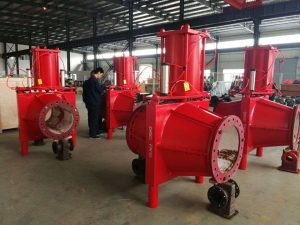
The method of actuation has a direct effect on how efficient a pinch valve can be incorporated in a fully automated process system.
Manual vs Automated Operation
Manual pinch valves are typically used when occasional change of flow is required or as a standby in case of maintenance. Automated pinch valves, opened and closed by air or electric actuators, are better suited for continuous operation, such as thickener underflow control in mineral concentrators. Automated pinch valves are easier to operate than manual pinch valves, and provide consistent and reliable results for plants with multiple process lines.
Control Precision and Feedback Integration
Valves in modern control systems are often operated in real-time based on feedback from processes by controlling valves such as pinch valves in conjunction with flow sensors, slurry can be pumped at precise and proportional rates that are determined by the upstream process. By operating open and close cycles in the valve based on feedback, it is possible to prevent overshoot which is a major cause of turbulence and subsequent wear to the sleeve of the valve. This allows for longer term operation of the process whilst maintaining steady state.
What Are the Maintenance and Lifecycle Cost Implications?
The way you maintain your industrial pinch valves greatly affects the total cost of ownership for that type of product.
Sleeve Replacement Frequency and Cost Impact
Based on available slurry transport studies, sleeve components account for about 70% to 80% of the lifetime costs of a valve for maintenance. Replacing them frequently can be very costly, but by implementing a predictive maintenance regime using wear monitoring sensors that can pick up the early stages of deterioration, the number of unexpected shutdowns can be reduced by as much as 25% and thus the related plant availability metrics can be improved.
Cleaning and Inspection Procedures
Routine cleaning and system flushing of the sleeve cavity helps to prevent solids build up which can cause inconsistent closure performance.
Routine Maintenance Practices
Scheduled flushing and inspection of seals helps to maintain consistent seal performance and maintains a good seal even in high solids applications.
Inspection Intervals Based on Application Severity
Inspection frequency varies according to application severity: mining slurries containing quartz particles may necessitate inspections every 3–6 months, whereas less abrasive wastewater streams permit inspection intervals extending up to 12 months without compromising safety margins.
How Do Performance Metrics Support ROI Evaluation?
Measuring return on investment (ROI) for energy efficiency, and for reducing downtime by means of optimal design of valves, requires quantifying of both efficiency and non-productive time.
Flow Efficiency and Pressure Loss Analysis
The properly sized industrial pinch valve allows for laminar flow in all pipeline applications. Under-sizing a pinch valve creates turbulent flow and resultant head loss which can consume up to 10% more energy than required by a properly sized valve. The use of computational fluid dynamics (CFD) to analyze flow in the valve during the commissioning of a system has proven the advantages of proper sizing of pinch valves.
Downtime Reduction Through Design Optimization
New quick-change sleeve designs have been engineered to allow change-out within minutes as opposed to hours, surpassing the performance of bolted change-out assemblies that required complete disassembly. Plants with modular designs experience up-time gains of 15%+ per year as a result of reduced maintenance cycle times.
What Role Does Miwival Play as a Reliable Pinch Valve Supplier?
Miwival provides customized engineered solutions for handling difficult slurry applications in Mining, Wastewater treatment and Chemical Plants. Our extensive range of slurry pinch valves are designed for both manual and automated applications, and are available in a variety of pressure ratings. Our experienced engineers will work with you to provide a solution for your particular application, taking into account your specific process requirements including operating pressure, temperature, and media. After sales technical support includes assistance with installation, providing documentation on completed work, and managing spare parts for you. Our goal is to provide reliable solutions without unnecessary promotion.
Conclusion
Choosing the right slurry pinch valve involves a number of key factors which are interrelated and must be chosen in unison. These include the slurry media being used, the pressure and temperature at which the slurry is being conveyed, the material that the valve is in contact with, the method by which the valve is actuated, and the maintenance costs, both in the short term and long term. By choosing a pinch valve that is designed with predictive maintenance in mind, and which is optimized to get the best from the application, the life cost of the valve can be minimized, whilst ensuring that the best possible throughput is maintained, over long periods of time. Choosing a supplier on the basis of their engineering expertise, rather than simply on price at the outset, will also bring long term value to a number of applications. None more so, than those involved in managing complex slurry transport networks where reliability is key to adding value.
FAQs
What is the typical lifespan of a slurry pinch valve sleeve?
The life span of a buff depends on the type of media used and on the operating conditions. In heavy-duty applications, where correct maintenance is carried out in accordance with a scheduled plan, the life span of a buff can vary from 6 months up to 3 years.
Can a single pinch valve design handle both corrosive chemicals and abrasive solids?
Not all reinforced elastomer sleeves are designed with dual resistance properties. Even those that are, it is recommended to select a material that has been specifically tested to resist the combination of chemical and abrasion attack, to ASTM D2000.
How can I reduce maintenance downtime when operating multiple slurry pipelines?
By enabling fast changeover of modular valve assemblies using quick-release sleeves, and monitoring in real time using predictive tools, the number of unexpected shutdowns can be significantly reduced as wear and tear can be detected before failure occurs.


 consult
 WHATSAPP
 leave message
 top
top