How to Choose a Trunnion Ball Valve for High Pressure Oil and Gas Applications
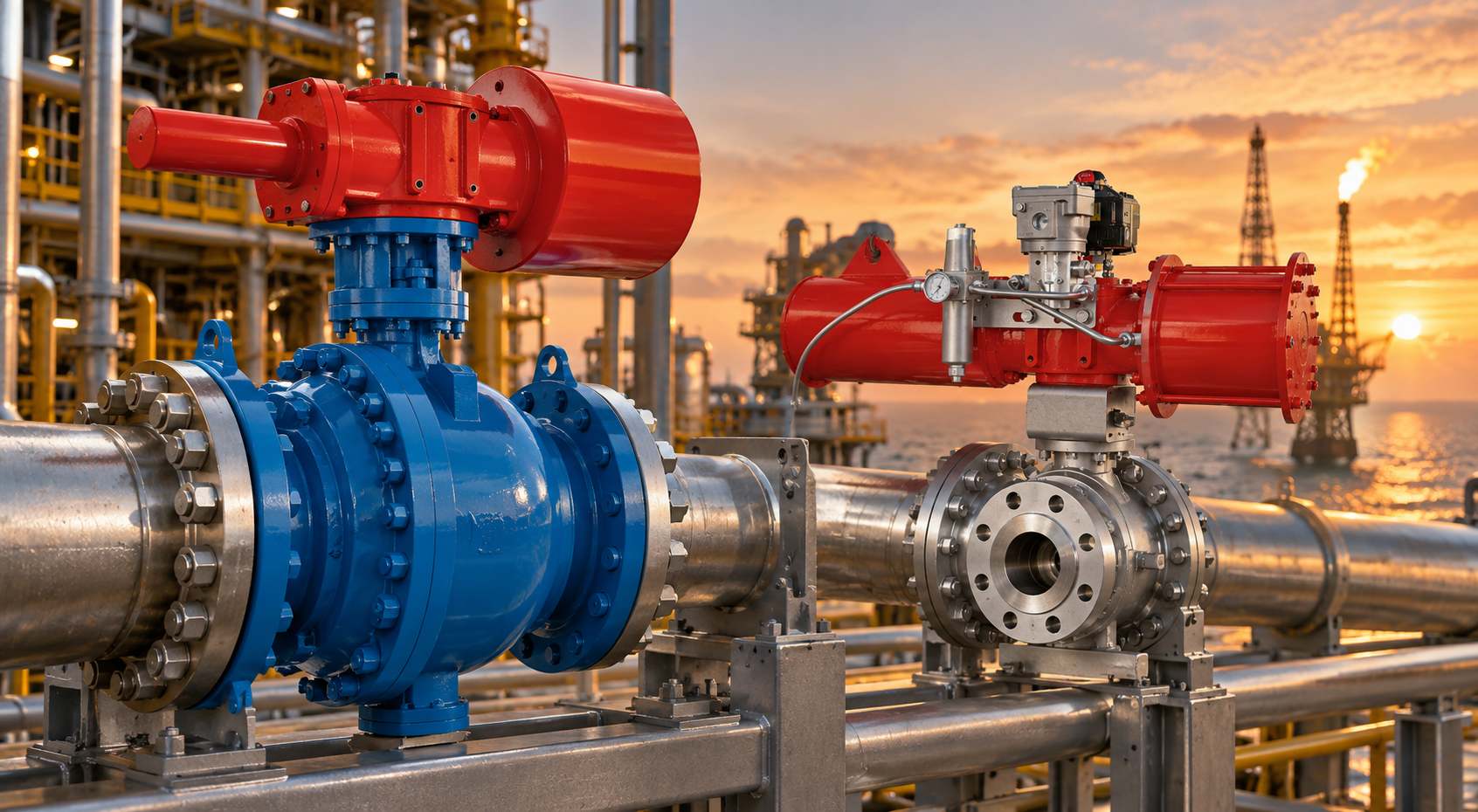
Choosing a trunnion ball valve for high-pressure oil and gas service starts with the operating envelope, not the valve diameter. Line pressure, fluid composition, temperature, shutoff direction, actuator duty, and maintenance access all influence whether a proposed valve will remain operable after commissioning. The trunnion arrangement may suit larger or higher-pressure isolation duties, but that structural choice is only one part of the specification. A sound purchasing review also needs to address seat behavior, body-cavity pressure, materials, actuation, testing, and the documents used to verify the supplied valve.
What Operating Conditions Should Define the Valve Specification?
High-pressure service rarely has one operating point. A line may run steadily yet still see large pressure differences during startup, isolation, or shutdown, and those conditions often determine the more demanding valve requirements.
Start With the Service, Not the Pressure Class
The RFQ should identify the fluid, normal and maximum pressure, normal and maximum temperature, line size, expected differential pressure, flow direction, and whether the valve is normally open or closed. Gas composition, liquids carried with the gas, or corrosive constituents should be stated rather than hidden inside a broad label such as “hydrocarbon service.”
Operating frequency matters as well. A valve that closes only for maintenance has a different duty from a shutdown valve that must move quickly when called upon. A general ball valve category can help teams compare construction families before the final configuration is fixed.
Why Is Differential Pressure Important?
Line pressure shows what the pressure boundary must withstand; differential pressure helps explain operating load. If actuator sizing ignores a realistic differential-pressure case, the valve may meet the piping class yet still be difficult to stroke. The RFQ should therefore state the maximum operating differential and required opening or closing time.
Why Does Trunnion-Mounted Construction Matter at Higher Pressure?
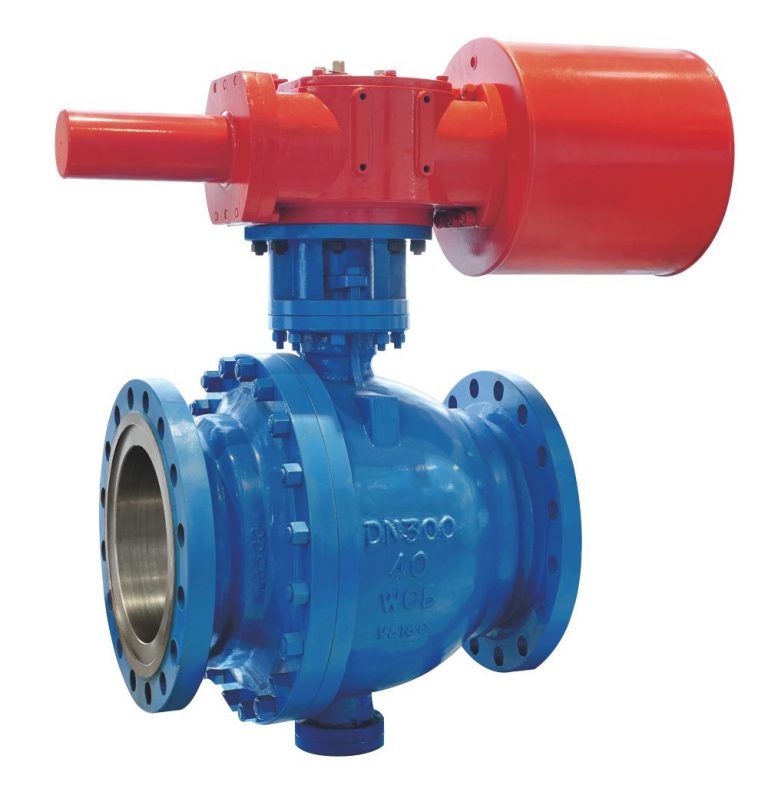
A trunnion-mounted ball is supported mechanically rather than relying on line pressure to move the ball against the downstream seat. That changes how pressure loads are carried and is one reason the design is considered for larger sizes or higher-pressure isolation duty.
Support and Seat Loading Should Be Reviewed Together
The supported ball changes how load reaches the seats, but torque still depends on seat material, pressure, temperature, seal friction, bearings, and differential pressure.
A technical bid should explain the proposed seat arrangement rather than stopping at “trunnion mounted.” The trunnion-mounted category is a useful construction reference, but the approved valve still needs its own drawing. If pigging or minimum restriction is required, bore dimensions should be confirmed rather than assumed from “full port.”
How Should Seats, Cavity Pressure, and Materials Be Evaluated?
The seat system is central to isolation performance, while the body cavity introduces another issue that is easy to overlook: trapped pressure. Both need to be considered with the actual fluid and temperature conditions.
What Should Buyers Ask About the Seats?
The bid should state seat material, sealing direction, and whether shutoff is required from one direction or both. Soft-seat and metal-seat arrangements respond differently to temperature, contamination, and wear, so the choice should follow the service.
The review should also ask how pressure trapped in the body cavity is managed. The specification should identify the intended relief path and confirm that it matches the piping philosophy. Material review should cover the body, ball, stem, seats, seals, bolting, and any overlays or coatings.
|
Technical item |
Procurement question |
|
Seat arrangement |
What direction or directions must achieve shutoff? |
|
Cavity pressure |
How is trapped body pressure managed? |
|
Ball and stem materials |
Are they compatible with the stated fluid and temperature? |
|
Seat and seal materials |
What service limits apply to the proposed materials? |
|
Bore configuration |
Does the internal diameter meet the pipeline requirement? |
The table ties each design feature to a question that can be checked in the bid and drawing.
What Should Be Checked for Actuation and Installation?
A high-pressure ball valve and its actuator form one operating assembly. Reviewing the actuator late can leave unresolved questions about torque, fail action, controls, and installation space.
Actuator Sizing Needs a Defined Worst Case
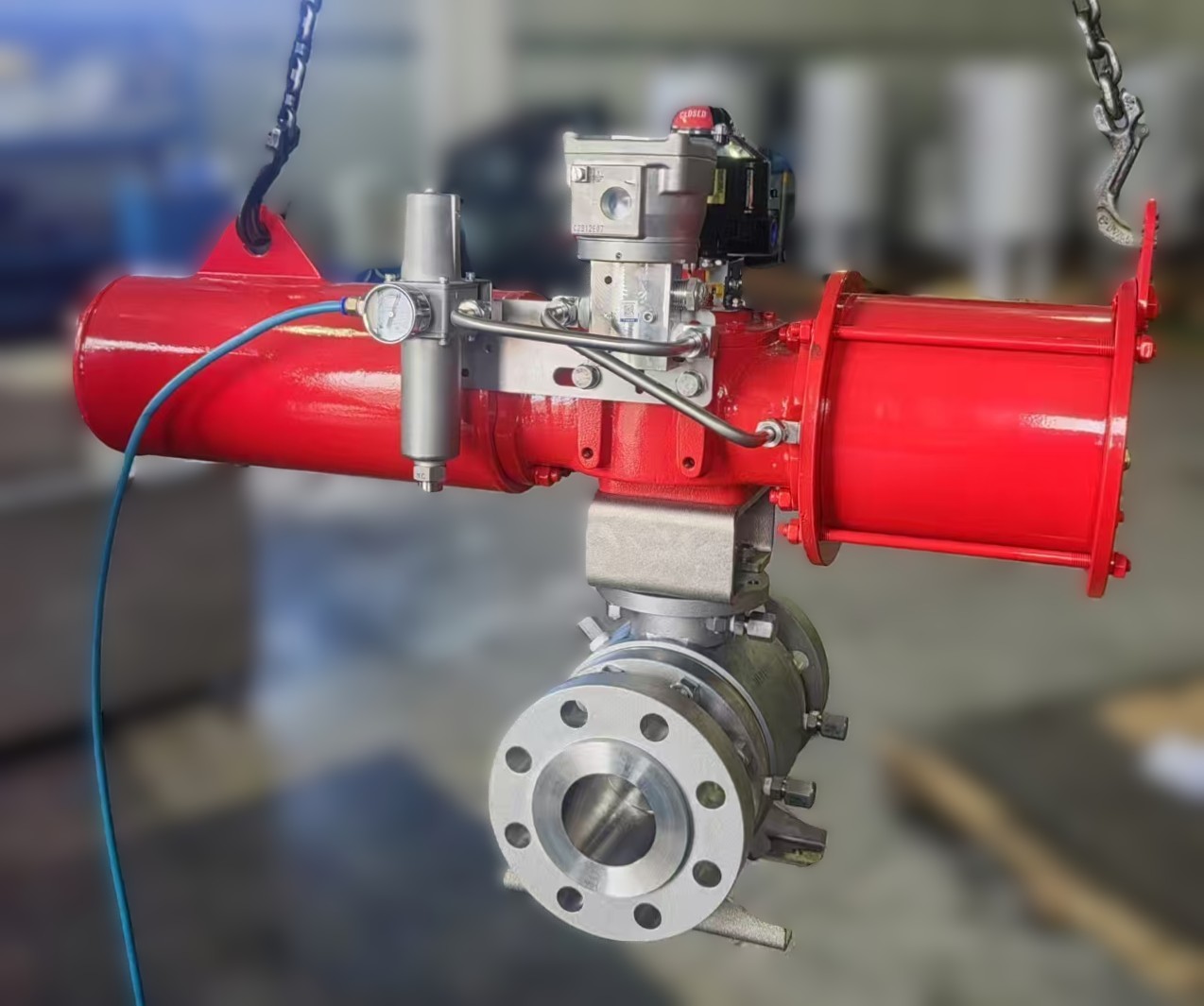
Manual gears can suit infrequent operation, while pneumatic or electric actuation may be required for remote isolation or shutdown service. The actuator calculation should use torque for the stated pressure and service conditions, together with the required margin and operating time.
For pneumatic systems, supply pressure and fail action should be defined. For electric systems, power supply, controls, and local operation need to be clear. A flanged ball valve category can help while connection style is being coordinated, although final dimensions must come from the approved drawing.
Installation planning should address operator orientation, stem-seal access, lifting points, support, and actuator clearance. Leaving these details until delivery can create avoidable site work.
What Documentation and Testing Should Procurement Require?
The final technical review should make the purchase traceable from process conditions to the delivered valve. Drawings, material records, test requirements, and actuator data provide that evidence.
Which Documents Should Be Approved Before Shipment?
The purchasing package should include the valve data sheet, dimensional drawing, material list, seat and seal details, actuator information, and required inspection or test records. Any deviation should be identified before manufacture rather than buried in general notes.
Testing requirements should be agreed in advance. Depending on the specification, these may include shell, seat-leakage, functional, or additional inspection activities. Acceptance criteria should be defined before testing, and records should be traceable to the supplied valve.
A final checklist can stay brief:
- confirm pressure, temperature, fluid, and differential pressure;
- confirm seat direction and cavity-pressure philosophy;
- verify bore, connections, and installation dimensions;
- approve actuator torque basis and fail action;
- retain drawings, test records, and material documentation.
Professional Technical Support from Miwival
Miwival supplies industrial valves and automation equipment and documents quality control from incoming casting and forging inspection through dimensional checks, chemical analysis and PMI, machining and assembly inspection, NDT, pressure testing, painting, final inspection, and packing inspection. For high-pressure isolation work, its published Pneumatic Ball Valve – Trunnion Ball Valve page lists sizes from 2 to 24 inches, ASME Class 150–2500, several body and seat materials, ASME B16.34/API 608 design standards, and API 598 testing. These published details give project teams concrete points to compare with their own pressure, temperature, material, actuator, and inspection requirements.
Conclusion
A trunnion ball valve for high-pressure oil and gas service should be selected from the complete operating case rather than pressure class alone. Differential pressure, seat behavior, cavity-pressure management, materials, bore, actuator duty, and verification documents all affect the purchasing decision. The next step is to issue a complete valve data sheet, require deviations to be stated, and approve the valve, actuator, and test requirements together before manufacturing begins.
FAQs
1. When is a trunnion ball valve usually considered instead of a floating ball valve?
It is commonly considered when size, pressure, or operating load makes mechanical ball support advantageous. Final selection still depends on seat design, shutoff duty, torque, fluid conditions, and project requirements.
2. Why should maximum differential pressure be stated in the RFQ?
Differential pressure affects operating load and therefore actuator sizing and torque. Line design pressure alone does not show what the valve may need to open or close against.
3. What should be confirmed about body-cavity pressure?
The bid should explain how trapped body pressure is relieved and whether that path matches the pipeline philosophy, especially when temperature changes can raise cavity pressure.
4. Which material details should be included in the purchase specification?
Identify body, ball, stem, seat, seal, bolting, and any overlay or coating requirements. Corrosion or sour-service conditions should be stated explicitly for material review.
5. What documents are most useful for future maintenance and repeat orders?
Keep the approved drawing, material list, seat and seal details, actuator data, test records, and deviations. These records simplify later maintenance and replacement reviews.


 consult
 WHATSAPP
 leave message
 top