How to Choose the Right Plug Valve: Key Factors to Consider
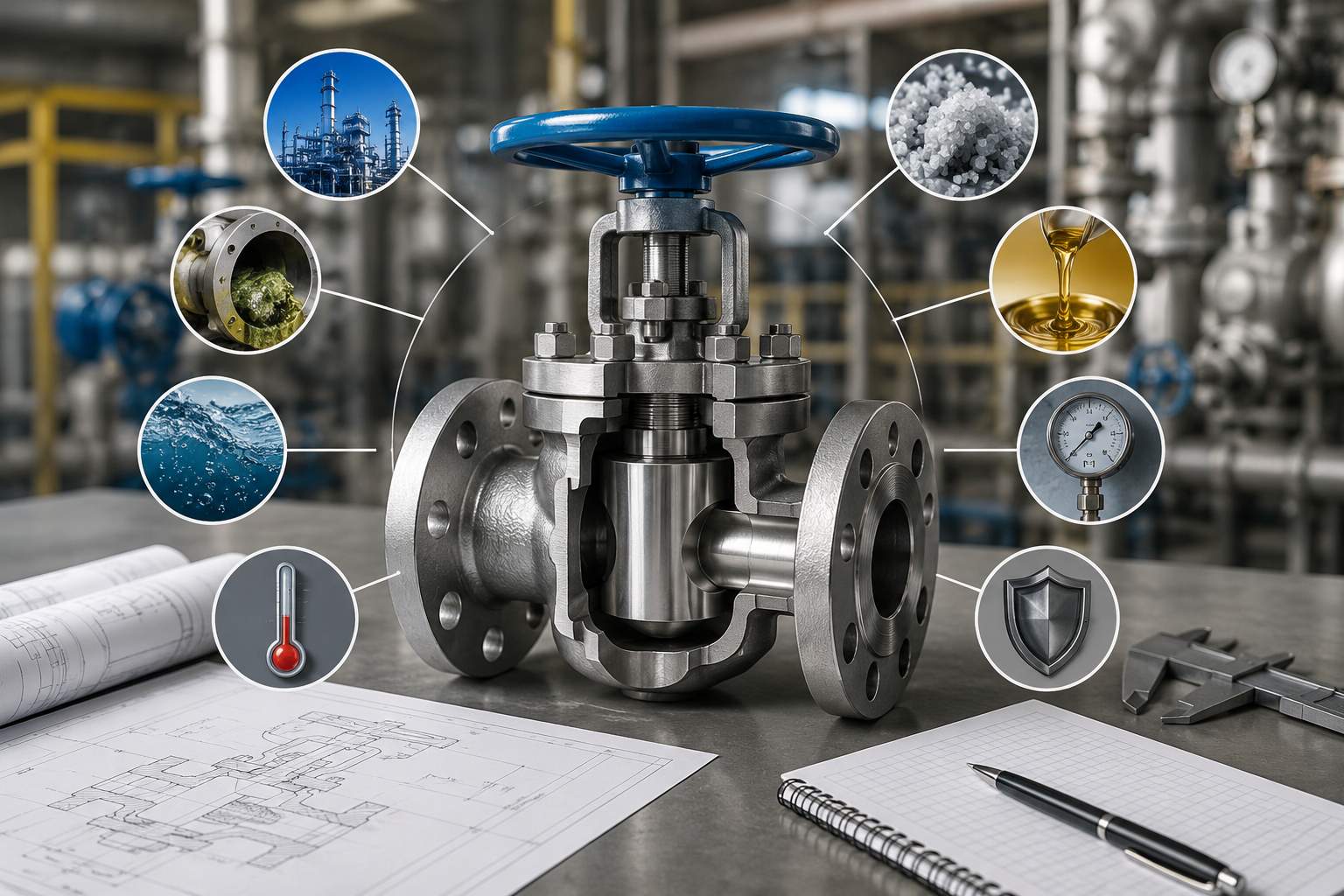
While cost is an important factor in the selection of plug valves, there are more important factors that must be taken into account. For US buyers, be they engineers, contractors or even maintenance personnel, choosing the wrong plug valve can result in problems such as leakage, difficulties in operation, premature wear of the lining, lack of proper documentation and, worst of all, expensive plant shut downs. The proper choice of plug valves must take into consideration the design of the valve, the media with which it will come into contact, the operating pressure and temperature, as well as the surrounding pipe work, the frequency of operation, the frequency of inspection as well as having the proper supplier support available.
Why does plug valve selection affect reliability and lifecycle cost?
Plug valves are typically selected for quarter-turn shutoff and for compact flow passages to create a simple isolate function. The real issue then becomes will this valve work in your specific application or cause excessive torque, wear on the seats, corrosion, leakage etc.
What problem does the valve need to solve in the line?
First determine the service of the valve. Is it for simple on-off service, divert service, throttling service, corrosive service, slurry service, wastewater service, chemical dosing service or utility service.
A standard lubricated or non-lubricated plug valve will be suitable for most isolating duties. However, where the process fluid may attack the body of the valve, a lined version would be more suitable. For highly abrasive or corrosive duties, care would be required to ensure that all aspects of the valve such as the lining, the plug, port tolerance and seal detail are suited to the actual operating conditions.
Which media, pressure, and temperature details should buyers check first?
It is crucial that buyers clearly define process conditions prior to starting price comparisons. Without key data, buyers risk overspecification, underspecification or supplier assumptions that become problems during installation.
How should the media guide body, plug, seat, and lining selection?
Media compatibility determines the best material for your application. When selecting a material for applications such as water, wastewater, oil, air, steam, pulp, slurry or chemicals, we consider corrosion, solids, crystallization, viscosity and cleaning.
For corrosive fluids, valves such as PTFE, PFA or ceramic-lined as well as normally-lined plug valves may be considered. However, the lining has to be chosen carefully taking into account issues such as chemical compatibility, temperature, pressure, permeation, vacuum conditions as well as risk of mechanical damage. Even a lined plug valve requires correct installation, adequate bolt tightening as well as regular inspection in order to avoid stress to the liner or flange leakage.
How do pressure and temperature narrow the specification?
Pressure class, temperature range, and end connection must be aligned. ASME B16.34 covers pressure-temperature ratings, materials, dimensions, tolerances, testing, and marking for new flanged, threaded, welding-end, and related valve constructions, but buyers still need to confirm whether it applies to the exact valve type and material being purchased.
ISO 5208:2015 is a general standard covering pressure test for metallic industrial valves (including pressure boundary test and closure leak test). In general this general standard is used in conjunction with a product standard. For gray cast iron plug valves MSS SP-78-2026 is an active standard covering flanged and threaded-end gray cast iron plug valves for general purpose applications. (MSShq)
Before ordering, buyers should confirm media, pressure, temperature, end connection, operation method, testing documents, and spare parts availability.
What design and operation details should be compared before purchase?
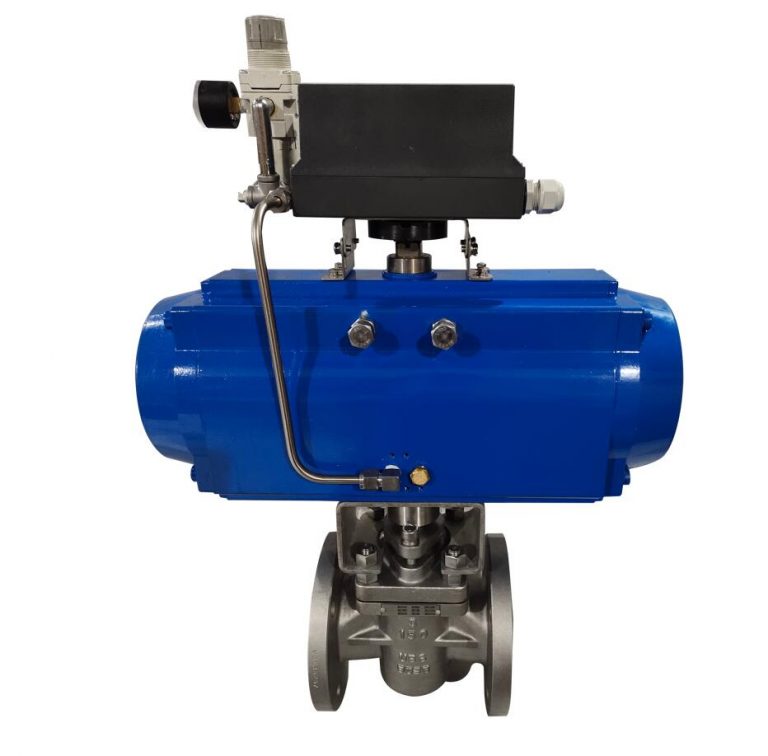
After the basic service data is defined, buyers should compare how the valve is built and how it will be operated. Two valves with the same size and pressure class may behave differently in the field.
How important are port design and flow direction?
The style of the ports of a plug valve will have an impact on issues of pressure drop, of cleaning, and of the way that the valve will behave in terms of flow. A full bore port design will cause less restriction to flow than a corresponding restricted bore port design. Reduced port designs can offer cost savings and/or reduced body size. A multi-port plug valve can be ideal for services that require to divert or mix, however, as with any multi-port valve, great care must be taken to confirm the flow positions, the handle orientation, and the actuator logic.
In the case of dirty or slurry media, attention should be given to the dead space and cavities in the valve. The risk is that particles settle on the plug or on the lining of the valve and that in the course of time the operation of the valve will be impeded.
What should buyers check for manual and automated operation?
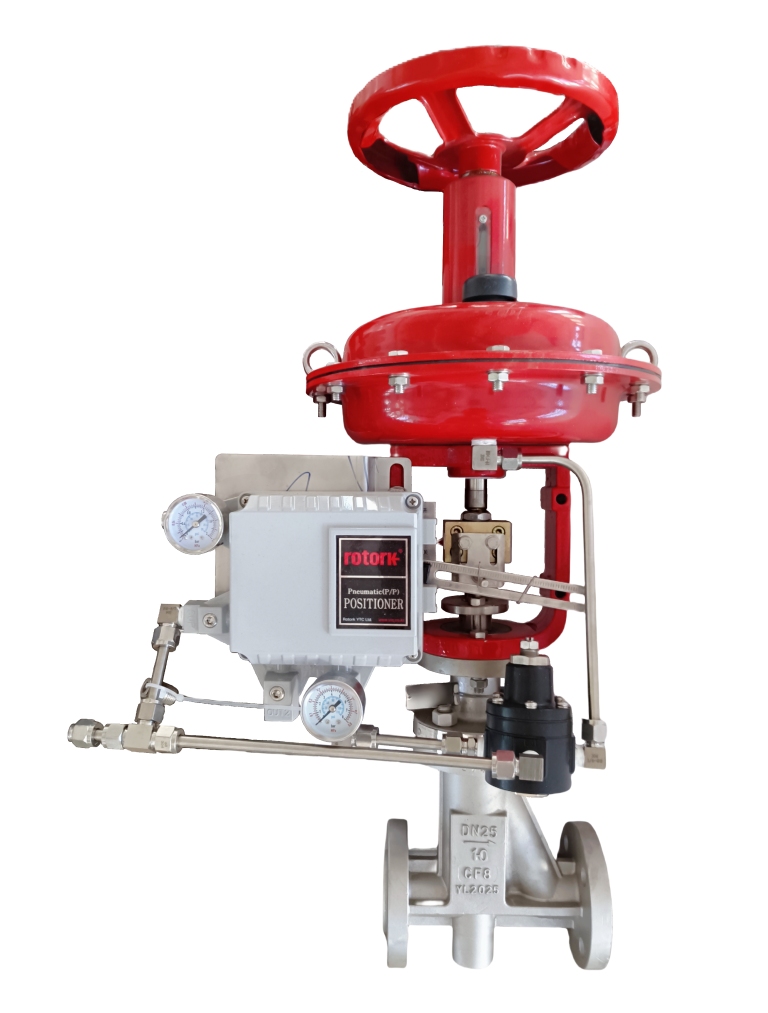
Manual valves are expected to be easily and safely operated at actual pressure. While large plug valves may need a gearbox to be easily operated, all automated valves require a number of items to be designed and / or checked. These include actuator torque, cycle frequency, fail position, limit switches etc as well as solenoid voltage, air supply pressure and local safe work practices.
Which quality, testing, and compliance documents reduce procurement risk?
For U.S. projects, the same importance can be placed on documentation as on the respective valve body. A valve, without the test report, drawing, material document, and/or installation instruction, may cause a delay of receiving inspection and/or commissioning.
Which standards may appear in plug valve specifications?
The API lists API 599 – “Metal Plug Valves—Flanged, Threaded and Welding Ends” for Metal Plug Valves. This is a commonly listed standard for industrial service when buyers specify metal plug valves. As noted on My Committees a standard should not be copied into a purchase order unless all the critical elements are contained in the scope of the standard (i.e. valve type, material, pressure class, application).
When purchasing plug valves, it is necessary to distinguish between mandatory project requirements and voluntary industry standards. A private project specification, an EPC standard, a municipal requirement or a plant engineering standard can make a certain standard or requirement relevant for a particular order. However, this standard or requirement itself is not automatically a law for all plug valve purchases.
What documents should be requested before shipment?
Ask for a valve datasheet, general arrangement drawing, pressure test record, material certificate when required, coating or lining information, operation and maintenance manual, packing details, and spare parts list.
Information for Lined Valves: Verify the covering material, the inspection criteria, the type of flange protection, storage, and installation of lined valves. For automated valves: Actuator datasheet, wiring diagram, pneumatic diagram, description of limit switches and fail-position.
How should cost, maintenance, and supplier support be evaluated?
A low priced valve can end up being very costly if difficult to install, operate, inspect or replace. When selecting a suitable valve it is important to compare total cost of purchase, freight, downtime, spare parts & service support.
What cost factors are often missed?
In addition to price, special end connections, actuator accessories, gear operators, export packaging, documentation, spare seals, liner protection, inspection costs, and expedited delivery costs should also be considered as missed costs by buyers of valves. For valves imported from other countries, the Incoterms, the method of packaging, the lead time, and the ability to get replacement parts should also be considered by buyers.
What maintenance points should be checked before approval?
Maintenance requires information on packing adjustment, seal replacement guidance, lubrication where applicable, actuator removal space and information on spare parts. Can the valve be operated after long periods of idle time.
Before you approve a supplier: Can the valve be cycled during commissioning? Are there spare seats, sleeves, plugs, packing sets, or actuator kits available for the approved valve. Are the supplier provided with detailed installation torque, flange bolt tightening, and storage instructions.
How can Miwival support plug valve sourcing?
Miwival is a one-stop service provider of solutions for valves and automation for industries like pulp and paper, mining, chemicals, water and wastewater, power and energy, sugar, cement, food and beverage and steam applications. At Miwival buyers of plug valves or lined valves will find a service provider that can assist with the selection of the valve and the required automation as well as with the preparation of documentation and quotations. The above-mentioned information on public website Miwivalve shows that lined as well as ceramic-lined rotary plug control valves are among the products offered by Miwival. As usual, buyers should compare specifications, documents, offers on price, delivery terms and services before placing an order.
Conclusion
When selecting a plug valve, one must first identify the intended application prior to browsing through a supplier’s catalog. In establishing the most suitable plug valve for your needs, it is critical to outline key parameters including media, pressure, temperature, operation, end connections, testing, and maintenance requirements. Lined plug valves are effective for extremely corrosive media; however, the lining must be suitable for the intended service and be rated for the intended operating conditions. Standards such as ASME B16.34, ISO 5208, MSS SP-78 and API 599 can be very effective in identifying suitable plug valves and supporting technical data; however, these standards must be relevant to the specific scope of the valve as well as the specific project requirements. Ultimately, a well-informed purchase decision will include factors such as suitable design, documentation, life cycle cost and supplier ability to meet requirements.
FAQs
1. What information should I provide when requesting a plug valve quote?
Provide valve size, pressure class, end connection, body material, plug or lining material, media, temperature, pressure, flow condition, operation method, applicable standards, testing requirements, quantity, delivery destination, and required documents. Photos, piping drawings, or old valve nameplates can also help reduce quotation errors.
2. When should I consider a lined plug valve?
For a corrosive media or to reduce metal contact with the fluid a lined plug valve can be an option. The appropriate lining must be checked against the chemicals, temperature, pressure, cleaning process and mechanical wear characteristics.
3. Is a plug valve suitable for throttling service?
Some plug valves are rated and designed for use in control or even throttling service. The eccentric rotary plug control valve is an example of a plug valve rated for such service. But not all plug valves are suitable for such use and the buyer must determine if the chosen valve is suitable for the intended service by reviewing the control range, leakage class, required actuator, trim and resulting pressure drop.
4. Which standards should I list in a plug valve purchase order?
List only standards that fit the valve design and project requirement. ASME B16.34, ISO 5208, MSS SP-78, and API 599 may be relevant in different situations, but the buyer should confirm scope, material, valve type, pressure class, and end connection before making any standard mandatory.
5. How can I reduce risk when buying plug valves from an overseas supplier?
Using a clear datasheet. Request for drawings and test reports before shipping. Checking packaging protection. Availability of spare parts. Warranty conditions, delivery time, Incoterms, after sales service etc. For lined valves or automated valves more details about the lining inspection, actuator sizing, wiring, fail position etc. and the installation manual.


 consult
 WHATSAPP
 leave message
 top
top