How to Reduce Lead-Time Risk When Sourcing Pneumatic Diaphragm Valves
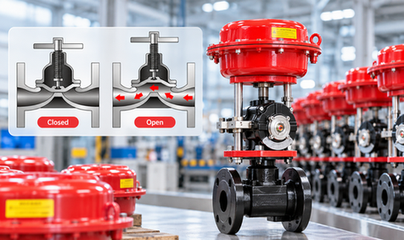
A pneumatic diaphragm valve can be simple on the line and complicated on a purchase order. Delays often begin with one or two open points still sitting in email: an undecided diaphragm compound, an actuator sized before the real air pressure was known, a solenoid added after drawing approval, or a fail position never written into the data sheet. Once production begins, each “small” question can stop a different part of the order. For buyers working toward a shutdown or project date, the goal is to close those gaps before they become schedule problems.
What Needs to Be Fixed Before the Supplier Can Give a Reliable Date?
A quoted lead time is only relevant if the supplier actually knows what they are being asked to make. Until the specification has stabilized, the quoted delivery date will almost certainly be provisional even if this is not stated in the quote.
Start With the Points That Can Change the Hardware
The minimum information required to release a valve should include: size, pressure rating, end connections, service, operating temperature, diaphragm, body/material, body lining/material and valve function. For automated valves include the air pressure available, fail to position, on-off or modulating service, signal required, feedback required and accessory scope.
The interactions between these two parameters are significant. Fail position can dictate the selection of the actuator, and a late change to lining can fix the valve body while the actuator awaits.
For chemical processing the term “corrosive liquid” is not sufficient. The concentration, the temperature as well as the cleaning medium have to be defined for the wetted materials. The real process conditions have to be fixed by the buyer.
Do Not Leave Accessory Scope Open
Solenoids, limit switches, positioners, air sets and brackets can usually source themselves, but it is best to list these items in the RFQ. It is also wise to include a statement in the RFQ whether or not the assembled units will be shipped fully assembled and mounted.
Where Does Lead Time Usually Get Lost After the PO Is Placed?
Production is the most obvious department in this scenario, as packages can tend to sit between departments waiting for comments from Engineering, for an accessory to be purchased by the Purchasing department, and for both to be ready to be produced by the Production department.
Drawing Approval Can Consume More Time Than Machining
A General Arrangement drawing may be required prior to release of actuator bracket from supplier, verification of overall height, etc. or to facilitate supplier’s final assembly of the actuator. This is especially critical where the valve is situated within a skid and small changes in actuator orientation can have significant effects.
It can take days for a paper to go through several rounds of review. Return one consolidated response instead, after collecting all comments within the organization.
Watch for Components That Are Not Actually Standard
Just because the valve body is standard, don’t assume the whole package is standard. Diaphragms, flange drill, actuator hardware, positioners, etc. can all add to the schedule for special solenoids, etc.
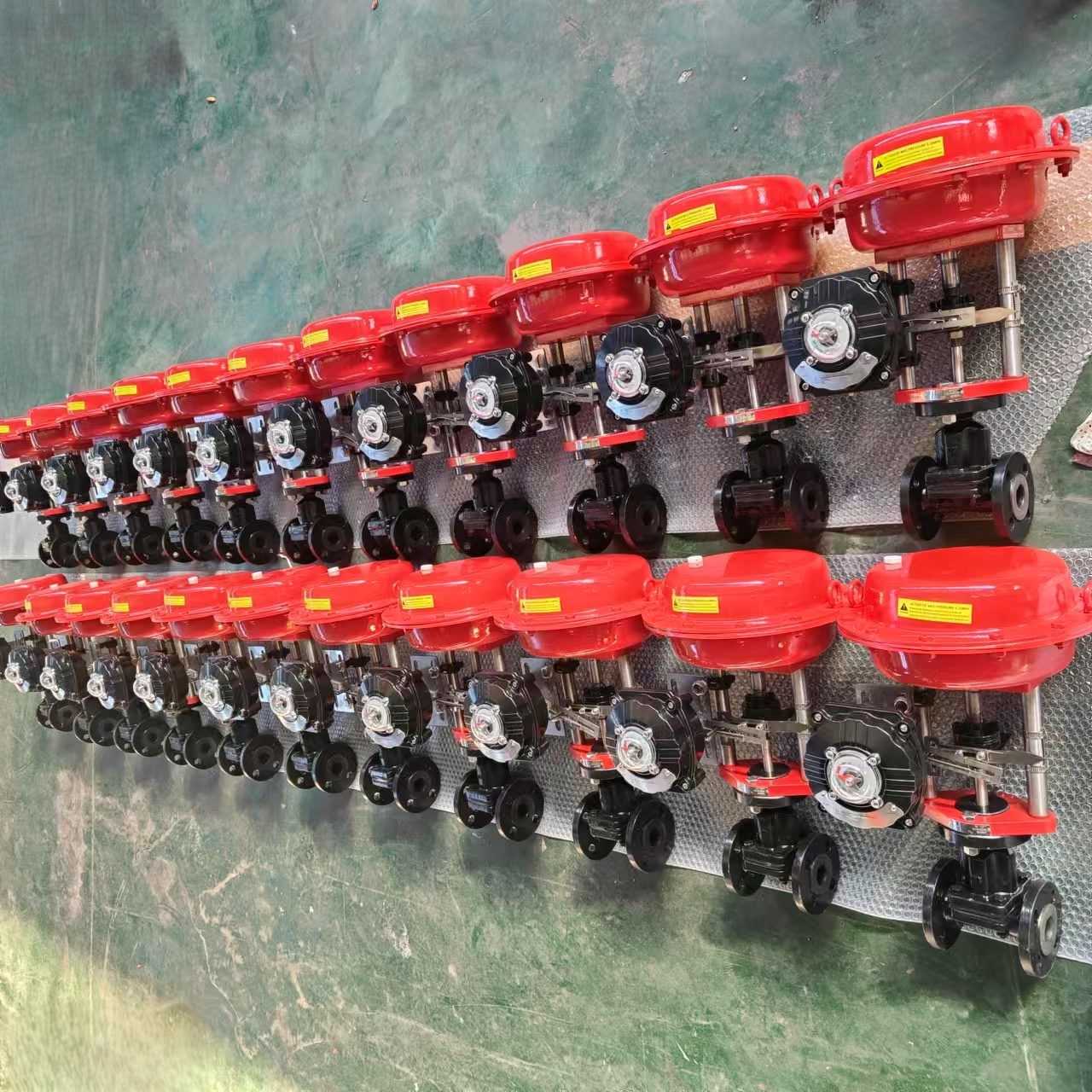
A useful lesson from Miwival’s published pneumatic T-type rubber-lined diaphragm-valve case study is that the details of automation must be contained within the original project definition and not added as a later afterthought. The case study records size, service, construction, actuation and fail-close action.
How Should Buyers Test Whether a Promised Lead Time Is Realistic?
Go back to basics and ask what the date is based on. Four weeks means nothing unless someone has advised on a start date.
Ask for the Start Condition
How do you count lead time? From issuance of purchase order, payment of deposit, approval of drawings, or closure of all technical comments? The above are not equal.
A short list of milestones is far more useful than a single delivery date:
|
Milestone |
What needs to be clear |
|
Technical freeze |
Valve, diaphragm, actuator, and accessory data closed |
|
Drawing approval |
Buyer comments returned and revision accepted |
|
Material readiness |
Special materials or bought-out items available |
|
Assembly |
Valve and actuator package completed |
|
Inspection |
Required tests or witness points finished |
|
Shipment release |
Documents, packing, and dispatch approval complete |
This is to highlight the dependencies. Buyer approval time is not equal to factory delay time.
Ask What Can Still Move the Shipment Date
The main risks to be mentioned are long-lead accessories, special elastomers, third-party inspection and open drawing.
You then can simplify the buyer’s requirements or protect the buyer’s specification and agree to the longer delivery time.
What Should Happen When the Specification Changes Mid-Order?
Changes happen. The problem is implementing these changes after procurement or fabrication has reached the point of lowest cost for the change.
Find Out What Has Already Been Committed
Before approving changes, find out if the affected material has been ordered, if any machining has started yet and if the current drawing has already entered production.
A change of diaphragm material at a late stage in development may even have to be procured as a new part; in addition, a new actuator can also change the mounting kit, the envelope and the test procedure. The buyer wants to know the schedule impact of such a change, not just that it is technically possible.
Use Expediting to Remove Blockers
“Please expedite” is not a plan. Get status and alternatives on the positioner. Close the open drawing. Agree a witness date to allow release from inspection.
Rather than sending out many reminders, this solution tackles the real problem.
What Should Be Closed Before the Valve Is Allowed to Ship?
A valve can be shipped on time but arrive unusable because an accessory is missing, there are missing documents, or the assembly does not match the last approved version.
Check the Finished Package Against the Latest Approval
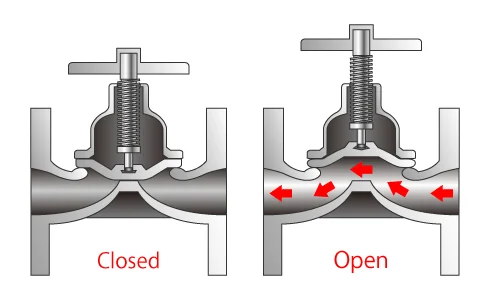
Before release check valve identification, diaphragm & body type, actuator type, fail position, any accessories and project marking. Confirm that any required functional test has confirmed the item to be released is in the approved configuration.
This check is carried out after several changes and ensures that production and purchasing records are always up-to-date.
Close the Paperwork Before Dispatch
Before shipment of goods list in the purchase order all drawings, material lists, test reports, manuals and other documents required by the project for inspection.
If the site cannot accept equipment without the documents, they cannot simply follow later. Loose accessories should also carry the relevant valve or tag number.
Professional Technical Support from Miwival
Miwival is a supplier of industrial valves and automation products. For chemical, water, power, mining, pulp and paper and other process industries, the Pneumatic T Type Rubber Lined Diaphragm Valve case records all relevant details for that specific valve and automation as one package: size, pressure, medium, rubber-lining, actuator, fail-close, etc. Using the product information page for the Diaphragm Valve you can verify the details of the valve itself prior to automation being added. Also for very urgent orders you can see what decisions, bought-out components, approvals and tests are required to affect a change in the promised shipment date.
Conclusion
Treat the Pneumatic Diaphragm Valve order as a complete Package of Valve & Automation. The greatest risk to shortening Pneumatic Diaphragm Valve lead time is: unresolved materials; late actuator decisions; last minute accessory changes; drawing approvals taking too long; and last minute inspection requirements. An elaborate scheduling system is not required. Rather a fixed technical point in time, a few milestones and a strict change control system. A realistic promise based on current information is better than an overly aggressive promise based on unknowns.
FAQs
1. Which information should be fixed before ordering a pneumatic diaphragm valve?
Verify medium, pressure, temperature, valve size, flanges, diaphragm and liner materials, actuator, air supply, fail position, control function and any other required accessories. Any change to hardware should be decided upon as early as possible.
2. Why can drawing approval delay delivery so much?
The drawing controls the orientation, dimension, mounting and location of accessories of the actuator. Even if the main parts of the valve are available, in order to keep the order in engineering, multiple comment rounds might be necessary.
3. Should buyers accept the shortest quoted lead time?
Check the date’s assumption first. A short quotation is not useful if it starts after drawing approval and/or does not include a special actuator, diaphragm, inspection, etc. required by the project.
4. How should a late specification change be handled?
Find out what has already been purchased or manufactured. Get the technical and schedule impacts for any change approved. Don’t treat a hardware change as a simple email change request – it can have an unreliable impact on your delivery dates.
5. What should be checked before shipment?
Check the final valve configuration, actuator action, accessories, identification, required tests, documents, and packing against the latest approved revision. Missing paperwork or unidentified loose accessories can still delay site acceptance.


 consult
 WHATSAPP
 leave message
 top