
How to Select the Right Pinch Valve Sleeve for Slurry and Abrasive Applications
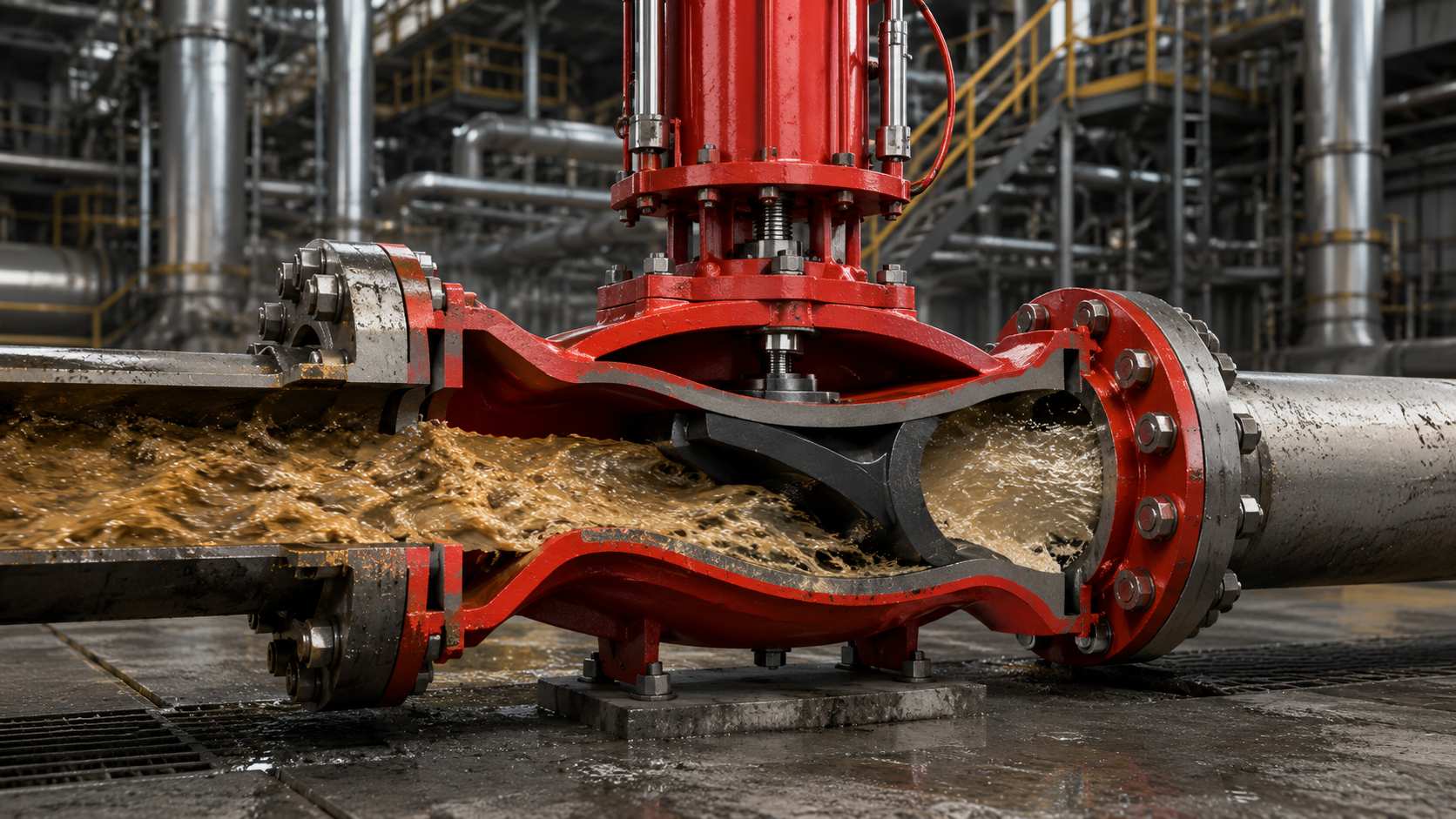
A pinch valve sleeve is the element defining the valve’s degree of resistance to the conditions of service. Even though the valve body and actuating mechanism create the framework needed for the device to function, it is the sleeve that undergoes the largest number of physical transformations. Contact with the medium being conveyed, abrasive particles, pressure, and cyclic stretching are just some of the challenges a sleeve has to withstand. For this reason, engineers seeking to buy industrial valves need to pay particular attention to the characteristics of sleeves and the operating environment rather than the size and price category of the equipment.
What Operating Conditions Should Be Reviewed Before Selecting a Pinch Valve Sleeve?
The starting point is the actual process environment, because sleeve performance changes with the medium, solids content, pressure, temperature, and operating frequency.
Why Process Data Is More Important Than Valve Size Alone
Many purchasing decisions begin with basic specifications such as pipeline diameter and pressure rating. However, pinch valve sleeve selection depends heavily on the actual process conditions.
The sleeve forms the internal flow passage of the valve, meaning it is continuously exposed to the conveyed medium. In applications involving slurry or abrasive materials, the sleeve must withstand particle impact while maintaining flexibility during valve operation.
Before selecting a sleeve, buyers should provide:
-
Medium composition
-
Solids concentration
-
Particle size and hardness
-
Operating pressure
-
Maximum pressure conditions
-
Temperature range
-
Flow velocity
-
Valve operation mode
-
Opening and closing frequency
-
Cleaning chemicals or flushing requirements
Without this information, even an accurately manufactured valve may experience shortened service life.
How Different Industries Create Different Sleeve Challenges
The same pinch valve design may behave differently depending on the industry.
For example:
Mining and mineral processing applications often involve abrasive slurry containing hard particles. The primary concern is mechanical wear.
Chemical processing applications may involve aggressive fluids that attack elastomer materials. Chemical compatibility becomes the main consideration.
Wastewater applications may combine solids, chemicals, and variable operating conditions, requiring a balanced evaluation of wear resistance and flexibility.
Therefore, buyers should not ask only:
“Which sleeve material is the strongest?”
A better question is:
“Which sleeve material matches my specific operating conditions?”
How Does Sleeve Material Affect Pinch Valve Performance and Service Life?
Once the operating conditions are clear, material selection becomes the main factor affecting abrasion resistance, chemical compatibility, and replacement frequency.
Why Abrasion Resistance Determines Wear Performance
In abrasive applications, sleeve wear is usually caused by repeated contact between solid particles and the elastomer surface.
Factors that influence abrasion include:
-
Particle hardness
-
Particle shape
-
Solids concentration
-
Flow velocity
-
Operating pressure
A sleeve exposed to sharp mineral particles will experience different stress compared with one handling soft suspended solids.
A suitable sleeve compound should have sufficient flexibility to cushion mechanical shocks and at the same time offer enough resistance to prevent material loss
On the other hand, higher hardness usually implies lesser flexibility resulting in higher mechanical stresses during the opening and closing of the sleeve.
Consequently, a suitable combination of abrasion resistance and elasticity should be strived for.
Why Chemical Compatibility Should Be Evaluated Separately
Abrasion resistance alone cannot determine sleeve suitability.
Process fluids may contain:
-
Acids
-
Alkalis
-
Solvents
-
Oils
-
Cleaning chemicals
-
Process additives
These substances can affect elastomer performance over time.
Chemical exposure may cause:
-
Swelling
-
Hardening
-
Cracking
-
Loss of elasticity
-
Reduced sealing performance
During supplier evaluation, buyers should confirm:
-
Recommended sleeve compound
-
Chemical compatibility range
-
Temperature limitations
-
Application restrictions
A sleeve that performs well in a mining slurry application may not be suitable for a chemically aggressive process, even if the pressure and valve size are identical.
How Do Pressure, Temperature, and Valve Operation Influence Sleeve Life?
Even a chemically compatible sleeve can wear quickly if pressure, temperature, or cycling conditions create excessive mechanical stress.
How Differential Pressure Creates Mechanical Stress
Pressure conditions directly affect sleeve loading.
When a pinch valve is closed, the sleeve inside the valve is squeezed to a point that stops the flow. During the operation of the pinch valve, this sleeve must deform again and again and then return to its original shape.
A high-pressure differential can cause additional stress on a pinch valve. It is dangerous for the valves when the closure element deforms more often than necessary, for example, in a pulsating flow.
Buyers should provide:
-
Normal operating pressure
-
Maximum pressure
-
Differential pressure during closing
-
Possible pressure fluctuations
A supplier should evaluate whether the proposed sleeve construction can handle the maximum expected load, not only normal operation.
Why Temperature and Cycling Frequency Cannot Be Ignored
Temperature changes elastomer behavior.
High temperatures may accelerate material aging, while low temperatures may reduce flexibility.
Operating frequency is another important factor.
A pinch valve used for isolation may complete only a few cycles per week. A valve used for process control may operate hundreds or thousands of cycles during the same period.
The two applications create completely different fatigue conditions.
Before purchase, buyers should evaluate:
| Factor | Influence on Sleeve |
|---|---|
| High temperature | Accelerates material aging |
| Low temperature | Reduces flexibility |
| Frequent cycling | Increases mechanical fatigue |
| High pressure | Increases deformation stress |
| Vacuum conditions | May affect sleeve stability |
For throttling applications, the supplier should confirm that the pinch valve design is suitable for partial opening conditions. A valve designed mainly for isolation may not provide the expected service life under continuous modulation.
What Failure Patterns Can Reveal About Incorrect Sleeve Selection?
Sleeve damage often gives useful clues about whether the problem comes from abrasion, chemical attack, fatigue, or unsuitable operating conditions.
How Abrasion Damage Indicates Process Mismatch
A failed pinch valve sleeve should not be treated only as a replacement item. The damage pattern often provides useful information about whether the original selection matched the application.
Abrasion-related failures usually appear as:
-
Progressive thinning of the sleeve wall
-
Localized wear in high-flow areas
-
Surface cutting caused by sharp particles
-
Reduced sealing ability after material loss
These problems may indicate that the sleeve material is not suitable for the particle characteristics or that operating conditions are more aggressive than expected.
For example, a slurry with larger particles and higher velocity may create concentrated wear points instead of uniform surface degradation. In this situation, simply installing another identical sleeve may result in the same failure cycle.
Maintenance teams should record:
-
Type of medium
-
Solids concentration
-
Particle characteristics
-
Operating hours
-
Location of wear
-
Previous sleeve material
This information helps determine whether the issue comes from material selection, operating conditions, or installation factors.
How Chemical and Mechanical Failures Can Be Distinguished
Not all sleeve failures are caused by abrasion. Chemical degradation creates different symptoms.
Typical signs include:
-
Swelling of the elastomer
-
Soft or sticky surface
-
Cracking after exposure
-
Loss of flexibility
-
Permanent deformation
These conditions usually suggest that the sleeve compound is not compatible with the process fluid.
Mechanical fatigue has another failure pattern. A sleeve that repeatedly opens and closes under demanding conditions may develop stress-related damage even when the material is chemically suitable.
Understanding the failure mechanism is important because the solution depends on the cause:
-
Abrasion problem → review wear resistance and process velocity
-
Chemical problem → review elastomer compatibility
-
Fatigue problem → review operating cycles and valve application
-
Installation problem → review alignment and maintenance procedure
A supplier should be able to discuss these failure modes before recommending a replacement sleeve.
What Should Buyers Confirm Before Purchasing a Pinch Valve Sleeve?
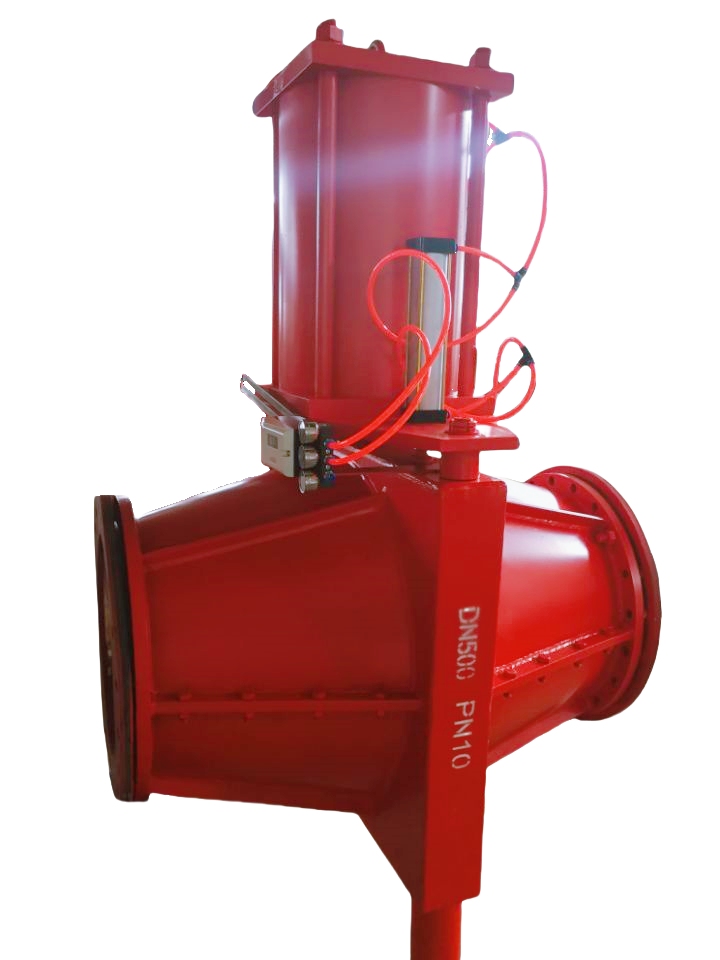
Before placing an order, buyers should confirm that the proposed sleeve specification is based on the actual process data rather than a general material recommendation.
Which Technical Details Should Be Included in a Supplier Review?
A professional purchasing process should evaluate more than the valve price or delivery time. The sleeve specification should be reviewed together with the complete operating environment.
Before approving a pinch valve supplier, buyers should confirm:
-
Process medium information has been provided
-
Solids concentration is defined
-
Particle size and hardness are available
-
Operating pressure and temperature are confirmed
-
Sleeve material is clearly identified
-
Chemical compatibility has been evaluated
-
Valve function is defined as isolation or throttling
-
Expected operating cycles are considered
-
Replacement sleeve availability is confirmed
-
Maintenance requirements are understood
This information creates a clearer technical basis for supplier comparison.
Why Total Operating Cost Matters More Than Initial Valve Price
The initial purchase price is only one part of the valve cost.
For abrasive applications, frequent sleeve replacement may create additional expenses, including:
-
Production interruption
-
Maintenance labor
-
Spare inventory requirements
-
Emergency replacement costs
A slightly higher initial investment may be reasonable if it provides longer service intervals and more predictable maintenance planning.
For this reason, buyers should evaluate:
Initial valve cost + maintenance frequency + downtime risk
rather than comparing only the quotation price.
A supplier who understands the process conditions should be able to explain why a specific sleeve material and design are recommended.
How Can Miwival Support Pinch Valve Selection for Industrial Applications?
Miwival suppling industrial valves and automation solutions for mining and mineral processing, pulp and paper, chemical processing, power, cement, water and wastewater, food and beverage, and other industrial markets. Miwival offers a wide range of control valves, ball valves, butterfly valves, Gate Valves, Globe Valves, Check Valves, Knife Gate Valves, diaphragm valves, pinch valves, and automation solutions. In addition, for pinch valve spares, the company can design solutions based on the media, solids, pressure, temperature, and function of each application.
Conclusion
The sleeve of a pinch valve is directly linked to its reliability, maintenance, and cost in abrasive and slurry applications. Choosing the right sleeve material for a given application is critical. The choice of sleeve material is not always obvious and should be made in conjunction with the supplier, taking into account such factors as compatibility with the process media, degree of erosion, system operating pressure, temperature, and cycle requirements. Specifying sleeves based solely on valve size or initial cost can lead to excessive maintenance and down time. A thorough evaluation of the application by the supplier before purchase can help prevent costly mistakes.
FAQs
1. Why is the pinch valve sleeve important for slurry applications?
The sleeve directly contacts the process medium and absorbs abrasion, chemical exposure, pressure changes, and mechanical deformation. Its material and design strongly influence valve reliability and service life.
2. How do I choose the correct pinch valve sleeve material?
The selection depends on the medium, solids concentration, particle characteristics, chemical exposure, temperature, pressure, and operating cycles. The supplier should evaluate these factors together.
3. Can the same pinch valve sleeve be used for different industries?
Not always. Mining slurry, chemical processing, wastewater, and food applications may require different sleeve materials because their wear and compatibility requirements are different.
4. What information should be provided when requesting a pinch valve quotation?
Buyers should provide medium details, solids content, particle size, pressure, temperature, flow conditions, valve operation mode, cycling frequency, and any chemical exposure information.
5. Why do pinch valve sleeves fail earlier than expected?
Early failure may result from incorrect material selection, excessive abrasion, chemical incompatibility, high pressure, unsuitable temperature conditions, frequent cycling, or improper installation.


 consult
 WHATSAPP
 leave message
 top
top