
How to Size a Butterfly Valve for Flow Control Without Pressure Loss Problems
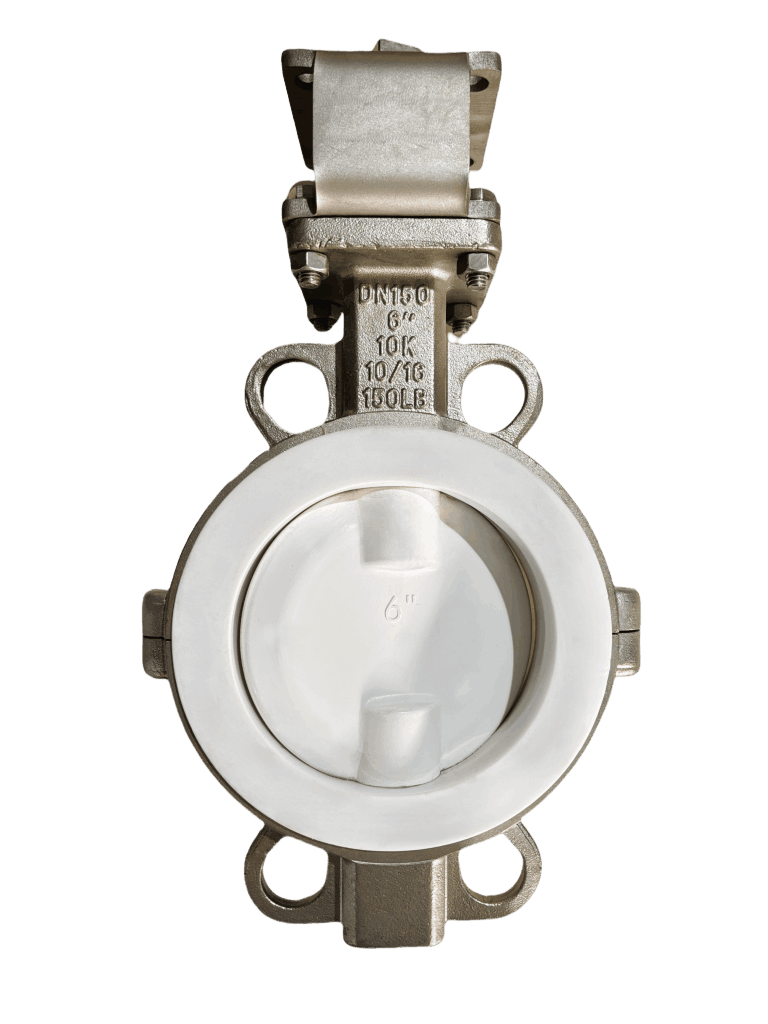
Choosing the right size for a butterfly valve is key to getting the best results in any flow control setup. The link between valve size, flow efficiency, and pressure loss shows how well a system can move fluid without wasting extra energy. If someone picks a butterfly valve that is too big or too small, it might cause rough flow, bubbling damage, and early breakdown of the valve and nearby parts. Picking the correct size helps keep things running smoothly. It also cuts down on pressure drop and ensures good sealing over the whole time the system works.
What Factors Influence the Proper Sizing of a Butterfly Valve?
Engineers need to look at several key factors before picking a butterfly valve. These factors help decide the right size and setup for good flow control.
Flow Characteristics and System Requirements
The starting point for choosing a butterfly valve is to check details like flow rate, working pressure, temperature range, and the kind of fluid. These details set what the valve needs to handle in the process. The overall system design matters too. This includes pipe size, arrangement, and height changes. All of them affect how the fluid acts as it goes through the valve. The flow coefficient (Cv) is very important here. It measures how much fluid goes through a fully open valve with a certain pressure drop. A bigger Cv means less blockage to the flow. So, it helps pick a size that matches the needed amount with okay energy use.
The Role of Valve Geometry and Disc Design
After knowing the system needs, the shape of the valve comes into play. It affects how well it works. The disc shape and seat setup directly change how easily fluid flows through the opening. A smooth disc blocks less. Thus, it cuts down on rough flow and pressure loss. But there is usually a choice to make. You might want tight closing or low pressure drop. Engineers have to pick based on what the job needs most. Different body types like wafer, lug, or flanged also matter. They change how easy it is to install and size the valve. Each type gives its own strength and fit in the pipes.
How Can Engineers Avoid Pressure Loss Problems When Selecting a Butterfly Valve?
Engineers can stop too much energy loss or uneven flow by checking fluid details and build limits carefully. This helps when picking butterfly valves.
Evaluating Flow Coefficient (Cv) and Pressure Drop Relationship
The Cv value is the base for guessing how much the valve blocks the system. It ties right to the pressure drop over the valve. Standard rules in fluid study help with this. By working out the okay amount of height loss—often shown as ΔP—engineers make sure the size works well. It avoids tight spots or loud noise from fast flow areas. Tools like computer flow models or real tests help make these guesses better. They aim for exact control and less energy use.
Selecting the Appropriate Valve Size for Specific Applications
If the valve is too big, control gets hard. Even small turns of the stem change the flow a lot. If it is too small, speed goes up through the disc space. This raises the chance of bubbling damage. Rules from groups like ISA 75 or ISO 5752 give steady ways to find the right size next to the pipe. Good tips say to keep the valve open between 20° and 70° for normal use. This gives the best control. Matching Cv patterns to the job lets engineers pick valves that handle exact flow changes. They do this without hurting how long the valve lasts.
What Are Common Mistakes in Butterfly Valve Selection?
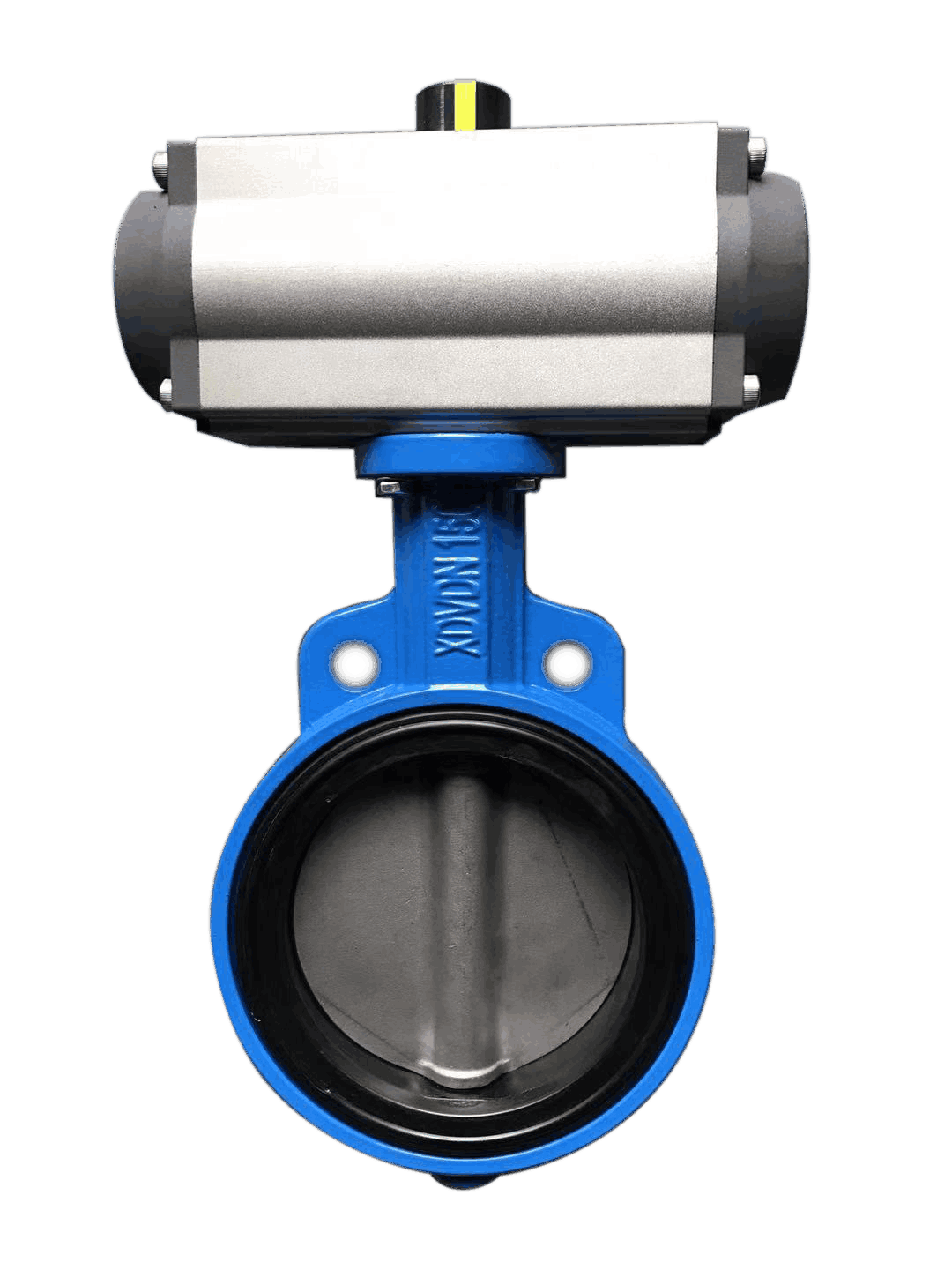
Even pros with lots of experience can run into problems. This happens if they skip some parts of setup or material fit during picking.
Overlooking Flow Direction and Installation Orientation
Wrong setup angle can hurt sealing strength and the force needed to turn it. Putting the valve against the suggested flow way might lead to uneven push on the disc. It can also cause leaks at low pressures. The best way is to line up the turner spot with the pipe line. Also, make sure there is enough room for the disc to turn fully in the connected parts.
Ignoring Material Compatibility and Temperature Limits
Picking wrong materials for the body or seat can cause rust or bending in tough conditions. For harsh fluids like seawater or chemical mixes, stainless steel or duplex metals work better than cast iron. Soft seats like EPDM also have heat limits. Beyond them, the work drops fast. So, it is key to check fit with the fluid type and heat setup for lasting strength.
How Do Control Requirements Affect Butterfly Valve Sizing?
The need for exact control changes not just the size of a butterfly valve. It also shapes the inside setup that fits changing process needs best.
The Relationship Between Control Rangeability and Valve Type
Butterfly valves have three main types: concentric, double-offset (high-performance), and triple-offset (metal-seated). Concentric ones are cheap for simple on/off jobs. But they do not handle wide changes well for adjusting flow. Double-offset types make adjusting better. They cut seat rub during work. Triple-offset ones give top control in high-pressure or high-heat spots. Their cone shape for sealing stops surface rubbing.
Integration with Actuation Systems for Accurate Flow Control
The turner tech affects how well a butterfly valve holds its spot during flow changes. Air turners give quick action for auto systems. Electric ones offer better detail for steady jobs that need exact spot feedback. Working out the force needed makes sure turners beat rub forces. This stops issues like delay or sticking, which hurt smooth control.
Why Is Miwival a Reliable Partner for Butterfly Valves?
Miwival is a top maker of strong butterfly valves. They build them for exact industrial uses in oil & gas, water treatment, power making, and chemical areas. Their products include concentric to triple-offset types. You can customize materials for hard work spots. With good build skills, Miwival gives custom size help. They follow world rules like API 609 and ISO 9001. Users get help from tech teams. This covers checking specs, setup tips, and care plans. So, every butterfly valve works steadily over time.
Conclusion
Right sizing of butterfly valves keeps flow steady. It also lowers energy loss from extra pressure drops. Main points include checking Cv against job details like flow rate and heat. Plus, pick materials that match the fluid traits. Adding turner systems based on exact force math boosts steady work in different loads. Working with pros like Miwival helps engineers get setups made just for their tough process needs. There, steady work is most important.
FAQs
What is the main parameter used to determine butterfly valve size?
The flow coefficient (Cv) is typically used; it quantifies how much fluid passes through a valve at a given pressure drop, helping engineers choose an optimal size that minimizes losses while maintaining control accuracy.
How can I reduce pressure drop across a butterfly valve?
Select a properly sized valve with an appropriate disc design, ensure full pipe diameter compatibility, minimize unnecessary fittings near the valve, and verify that the actuator allows smooth modulation within its intended range.
When should a triple-offset butterfly valve be chosen over other types?
A triple-offset design is ideal when tight shutoff performance is required under high-pressure or high-temperature conditions because its geometry reduces friction between sealing surfaces while maintaining precise throttling control.


 consult
 WHATSAPP
 leave message
 top
top