
Maximizing Efficiency with Threaded Ball Valves in Water Treatment
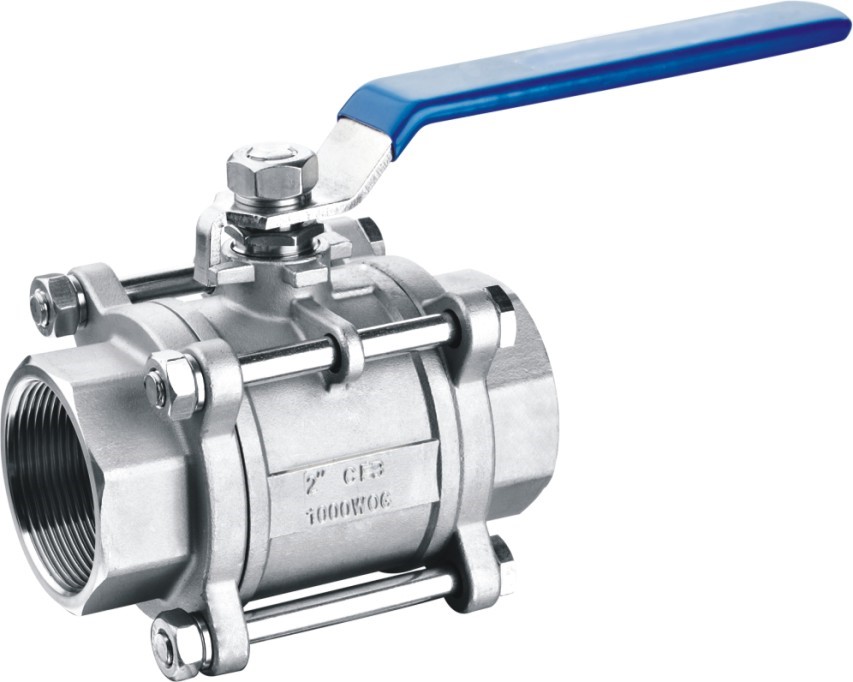
Picture this: It’s a humid summer morning at a mid-sized municipal water treatment plant in the Midwest. Pumps hum steadily, pulling raw water from the river, but one stubborn valve in the filtration line starts acting up. A tiny leak slows everything down, forcing operators to shut off sections for hours. By noon, treatment lags, and the team scrambles to meet daily quotas. Sound familiar? These hiccups aren’t rare in water facilities. They chip away at productivity and rack up costs. But here’s the good news—switching to the right threaded ball valves can cut those headaches short. In this post, we’ll dive into how these workhorses boost efficiency in water treatment setups, drawing from real-world setups that keep the flow smooth and reliable.
What Are Threaded Ball Valves, Anyway?
They’re straightforward quarter-turn shut-off valves. A hollow ball sits inside. You twist the handle ninety degrees, and the ball spins. Flow starts or stops. The “threaded” part is just the NPT ends. You screw them right onto the pipe. No welding. No flanges. Just a couple of wrenches and you’re done.
You’ll find them in brass for mild service or stainless steel when things get nasty. Sizes run from tiny 1/4-inch lines all the way to 2-inch mains. Most handle 600 PSI cold, sometimes more. They shrug off chlorine, hold tight under pressure, and fit where space is tight. That’s why crews love them.
Why Threaded Ball Valves Shine in Water Treatment Plants
Water treatment isn’t a set-it-and-forget-it game. It’s a relentless cycle: screen debris, settle solids, filter out impurities, disinfect, and pump clean water back out. Valves sit at every turn, battling sediment buildup, chemical exposure, and pressure swings. Enter threaded ball valves—they’re built for this grind.
Take corrosion, for starters. Chlorine and other disinfectants eat at lesser metals, leading to pinhole leaks that contaminate batches or force emergency fixes. Stainless steel threaded ball valves shrug that off. In one regional plant I recall from industry chats, swapping to these cut maintenance calls by 40% over two years. No more surprise shutdowns during peak demand.
Then there’s the flow control angle. Full-port designs mean minimal resistance, so you get near-100% pipe diameter flow. That translates to less pump strain and lower energy bills. Facilities running 24/7 can see 10-15% drops in power use just from smoother operations. And sealing? Those floating ball seats create a bubble-tight shutoff, crucial for isolating sections during backwashing or repairs.
But it’s not all tech specs. These valves fit snugly into retrofit jobs. Say your old gate valves are gumming up with scale—threaded balls slot in easily, restoring quick on-off without major pipework. Operators love the quarter-turn action; it’s intuitive, even for new hires. In short, they make the whole system hum with less drama.
Real-World Wins: Threaded Ball Valves in Action
Texas, summer 2022. Temps hit 108°F for weeks straight. A wastewater plant’s aeration basins were cooking. Old valves kept sticking from the heat. Oxygen levels swung wild. They threw threaded ball valves on the inlet headers. Flow evened out fast. Treatment jumped 25%. Overtime vanished.
Up in Pennsylvania, a small groundwater plant serves a booming suburb. Budgets are always tight. They put stainless threaded ball valves on the chemical feed and sludge lines. Three years later, leaks are basically zero. They save roughly eight grand a year in parts and labor. The plant supervisor says the quick installs during spring shutdowns are a lifesaver.
Those stories keep popping up. Plants using good threaded ball valves regularly see failure rates way below gate or globe valves.
Here’s a quick side-by-side most operators recognize::
|
Valve Type |
Installation Ease |
Corrosion Resistance |
Flow Efficiency |
Cost per Unit (Est.) |
|
Threaded Ball |
High (screw-in) |
Excellent (SS options) |
95-100% |
$50-150 |
|
Gate Valve |
Medium (flanged) |
Fair |
80-90% |
$80-200 |
|
Globe Valve |
Low (complex fit) |
Good |
60-70% |
$100-250 |
See the edge? It’s not about being cheapest—it’s about smart spending that pays off downstream.
Picking the Right Threaded Ball Valve for Your Setup
Not all threaded ball valves are created equal, so choosing wisely matters. Start with your media: Is it raw river water loaded with minerals, or post-filtered stuff? For the gritty stuff, go full-port stainless with reinforced seats to fend off abrasion.
Size and rating come next. Match the pipe diameter to avoid bottlenecks—oversize a tad if surges are common. Pressure-wise, aim for at least 1.5 times your max operating psi. Temps? Most handle up to 400°F, but check for EPDM or Viton seals in hot disinfection lines.
Don’t sleep on actuation options. Manual levers work for low-traffic spots, but pneumatic or electric add-ons let you automate isolation during pH swings. And always verify compliance—look for NSF/ANSI 61 certification for potable water contact, or API 6D for broader industrial nods.
A pro tip from folks in the trenches: Test a sample in your system first. Run it through a mock cycle with your exact chemicals. It uncovers quirks early, like seat wear under high-velocity flow. With these steps, you’re not just buying a valve—you’re future-proofing your plant.
Tackling Common Hurdles with Threaded Ball Valves
Even top-of-the-line valve equipment may encounter problems during operation. Among them, untreated pipelines are prone to accumulate particles, causing clogging inside the valve cavity and thus affecting the valve’s response speed. Regular flushing is an effective preventive measure, and choosing valves with a blowout-proof stem structure can prevent internal components from loosening due to sudden pressure increases during cleaning.
Another common issue is that the tightening torque during installation is too large, causing the valve seat to deform and leading to leakage. It is crucial to strictly follow the torque requirements provided by the manufacturer – for a 1-inch diameter valve, it is usually recommended to control it within 20-30 ft-lbs. Additionally, in conditions prone to freezing, insulation should be applied to exposed threads to prevent cracking due to low temperatures.
It is comforting to note that these issues can usually be resolved with basic technical knowledge. For instance, an engineer once shared an experience: they installed a filter upstream of the threaded connection ball valve, which reduced the failure rate caused by impurities by 70%, and the previously troublesome clogging problem was thus fundamentally improved.
Spotlight on Miwival: Your Go-To for Valves and More
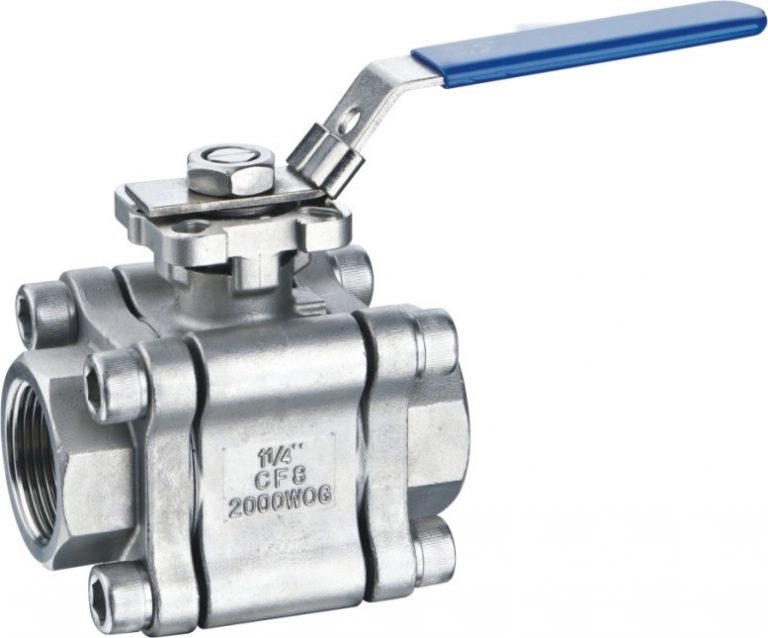
Before we wrap up, a quick nod to Miwival, the folks behind reliable flow control gear. As a dedicated supplier of valves, actuators, and accessories, Miwival brings over a decade of hands-on experience to the table, serving water pros in more than 40 countries. Their threaded ball valves stand out for tight quality checks at every step—from raw stainless sourcing to final pressure tests—ensuring they hold up in the toughest treatment environments. What sets them apart? That one-stop vibe: Grab valves, pair them with actuators for automated dosing, or snag accessories like positioners, all with quick two-week shipping and round-the-clock support. It’s the kind of partnership that lets you focus on clean water, not supply chain woes. Plants turning to Miwival often see smoother ops and fewer surprises, backed by a commitment to straightforward, effective solutions.
Wrapping It Up: Flow Forward with Confidence
Threaded ball valves aren’t a silver bullet, but in water treatment, they’re damn close. From slashing energy costs to dodging downtime, they keep systems running lean and mean. Whether you’re retrofitting an old plant or building new, these valves deliver real gains—backed by stories from facilities just like yours. Give them a shot, and watch efficiency climb.
FAQs
What makes threaded ball valves a smart pick for water treatment efficiency? They offer quick quarter-turn operation and tight seals that minimize leaks, helping plants maintain steady flow during filtration or dosing. In setups like aeration tanks, this can boost overall throughput by 20% or more, based on field reports.
How do I install threaded ball valves without disrupting operations? Screw them directly into NPT-threaded pipes using standard wrenches—it’s often a one-person job that takes under 30 minutes per valve. For live systems, isolate the section first with upstream blanks to keep water moving elsewhere.
Are threaded ball valves tough enough for corrosive water chemicals? Absolutely, especially stainless steel models with Viton seals. They stand up to chlorine and acids common in disinfection, cutting corrosion-related failures that plague cheaper options.
Can threaded ball valves handle high-pressure lines in treatment plants? Yes, many rate for 600 PSI WOG, perfect for pump discharges. Just match the rating to your system’s peaks to avoid strain—oversizing slightly gives extra peace of mind.
What’s the typical lifespan of a threaded ball valve in daily water use? With proper install and occasional cycles, expect 10-15 years of service. Regular checks for seat wear keep them going strong, often outlasting gate valves in similar spots.


 consult
 WHATSAPP
 leave message
 top
top