
Pinch Valve vs Knife Gate Valve: Which Is Better for Abrasive Media?
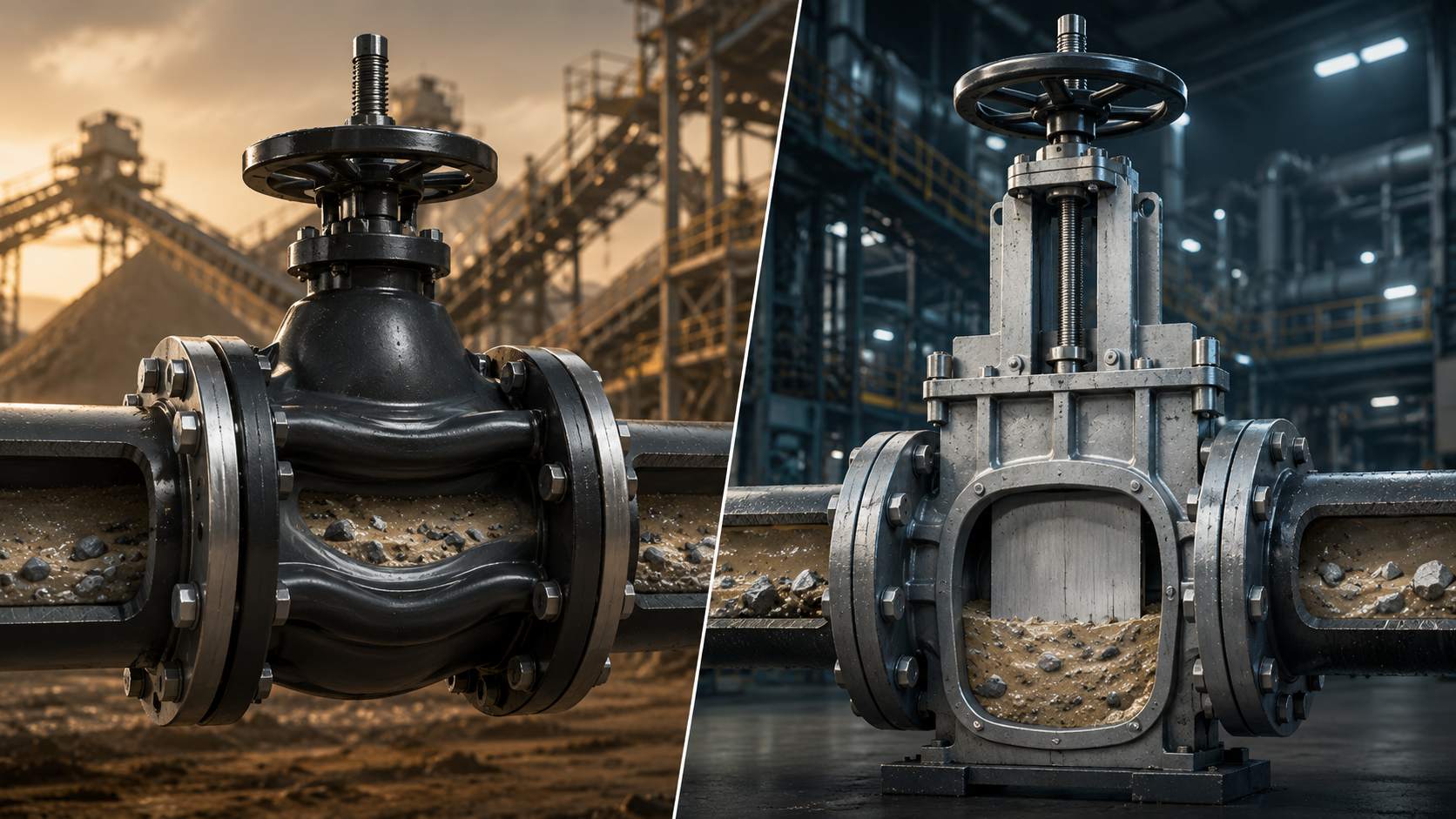
Choosing the right valve for abrasive media is a common challenge in industries such as mining, mineral processing, wastewater treatment, and chemical handling. Unlike clean water or ordinary fluids, slurry containing solid particles can quickly expose weaknesses in valve design. Engineers and purchasing teams usually need to consider wear resistance, leakage control, maintenance frequency, spare parts availability, and long-term operating costs before making a decision. A Pinch Valve and a Knife Gate Valve can both be used in demanding applications, but their structures create different advantages and limitations when handling abrasive materials.
How do Pinch Valve and Knife Gate Valve designs affect abrasive media handling?
The internal construction of a valve and its’ capability to deal with continuous contact of solid material in slurry service is one of the first aspects which engineers consider when specifying equipment for such service.
How does a Pinch Valve work in abrasive applications?
Pinch Valves are used for controlling of a medium by opening or closing a flexible rubber sleeve. The rubber sleeve is pinched from the outside in order to stop or to regulate the medium flow within a pipe.
One of the main differences to conventional internal mechanisms is that in a Pinch Valve the mechanism does not come into contact with the medium. The medium is conducted mainly through the rubber cylinder. Therefore the sensitive metal parts are not affected by abrasive media. This makes a Pinch Valve, for instance, very suitable for conducting mining slurry, wastewater with solids etc.
However, the sleeve is also the main wear component. Its service life depends on several operating conditions, including particle size, slurry concentration, temperature, pressure, and chemical compatibility. Choosing the correct sleeve material is necessary because a solution that works in one application may not perform the same way in another.
How does a Knife Gate Valve handle abrasive materials?
A Knife Gate Valve is a type of valve that has a sharp edged gate that opens up vertically in the flow passage. Because of the blade type, this type of valve is able to cut through very thick materials and is typically used on applications that have sludge, pulp, powders and heavy slurry.
More internal parts are exposed to process conditions than in Pinch Valves. The areas where the gate and sealing surface are located can be subject to wear caused by abrasive particles, when these are conveyed repeatedly through the valve.
This does not mean Knife Gate Valves cannot be used with abrasive media. They can perform well when the valve design, sealing system, and operating conditions are properly matched. The key issue is selecting a valve based on the actual process rather than choosing only by product category.
Which valve is more suitable for slurry applications?
Depending on the application a valve for a low-pressure slurry application will have entirely different requirements than a valve that is used in a high-pressure industrial application.
When is a Pinch Valve a practical choice?
Pinch Valves are commonly used where the process medium contains a high percentage of solids or abrasive particles. They have a simple internal flow passage and have few areas where material can become accumulated.
The design is also very serviceable and easy to inspect. Instead of having to replace several internal seal components, the main part that will require replacement is the rubber sleeve.
Limitation of sleeve valves are mainly the selection of sleeves and by changes of temperature, by aggressive media and by wrong pressure. Engineer have to check media before they can confirm the correct valve type.
When can a Knife Gate Valve provide advantages?
A Knife Gate Valve could be a solution for complete pipeline isolation, the valve’s gate being a very practical solution for shut-off of thick fluids or even solids carrying fluids.
Knife Gate Valves are popular in some industries. Well known and simple to use for specific isolation applications. Knife Gate Valves must be inspected regularly, particularly where in harsh abrasive service. Frequently opened knives can have worn surface areas leading to leaking.
This decision should be based on the process requirements, maintenance capabilities and the service conditions to be encountered.
What should buyers consider before selecting a Slurry Valve?
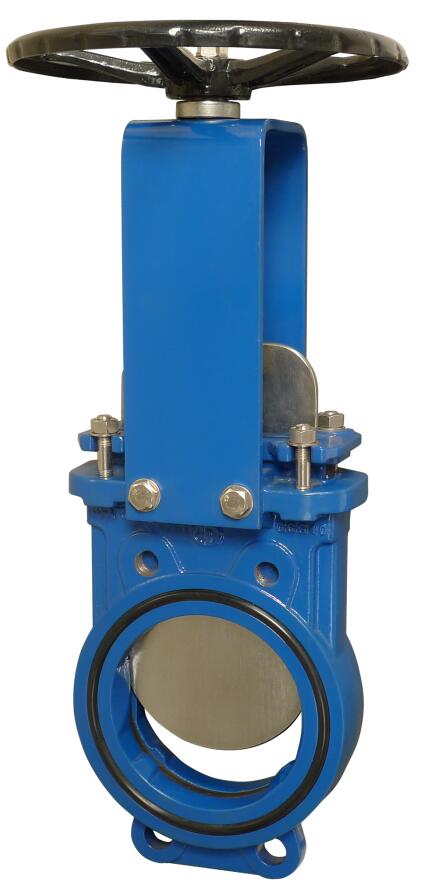
Choosing the right Slurry Valve goes beyond selecting a Valve that matches the pipe size and connection type. The characteristics of the medium it is to be used on have a huge bearing on whether the Valve will function satisfactorily over time.
Which operating conditions influence valve selection?
Before purchasing, engineers usually review the following conditions:
| Factor | Impact on Valve Selection |
|---|---|
| Solid particle size | Affects wear and flow behavior |
| Slurry concentration | Influences internal stress and resistance |
| Pressure rating | Determines suitable valve construction |
| Temperature range | Affects material performance |
| Chemical properties | Determines material compatibility |
For example, a slurry with large abrasive particles can generate different wear than a slurry with fine solids in operation. A supplier needs to have adequate information on how a pump is being operated in order to recommend a suitable design.
How do maintenance requirements differ between valve types?
Maintenance planning is often not considered during the purchasing process for valves. A valve with the lowest initial cost may result in higher operating expenses due to the frequency of replacement.
For Pinch Valves the normal area of focus for maintenance would be the sleeve and when it needs to be replaced. For a Knife Gate Valve the focus would be on the gate, the sealing areas and the packing components.
Based on the application at hand, one solution might be preferred over the other due to limited maintenance time and related ease of service. Another factor could be the installation conditions and the performance of the solution once in operation.
How should companies compare the total cost of Pinch Valve and Knife Gate Valve solutions?
When making a decision about purchasing a valve, the actual purchase price is only one part of the total cost. In most cases, an industrial user will calculate the total cost of ownership throughout the life of the valve.
What cost factors matter during valve selection?
The total cost may include:
-
Initial purchase price;
-
Installation requirements;
-
Spare parts;
-
Maintenance labor;
-
Production downtime.
Pinch Valve maintenance may include routine replacement of the sleeve, whereas Knife Gate Valve maintenance typically involves inspection of the mechanical seals. And neither is inherently the least expensive option, as cost is driven by operating conditions.
A realistic comparison would be based on how a valve is going to perform in a particular application, rather than just comparing prices.
Why is supplier experience important for abrasive media projects?
A supplier with the right technical knowledge will be crucial to ensure a correct valve installation. For abrasive media applications in particular, communication will be needed about the materials, the operating pressures and the expected operational challenges.
Before placing an order, companies should examine the information provided about the products as well as technical documentation. In addition, they should check the logistics service offered and after sales service.
How can buyers evaluate suppliers for Pinch Valve and Knife Gate Valve projects?
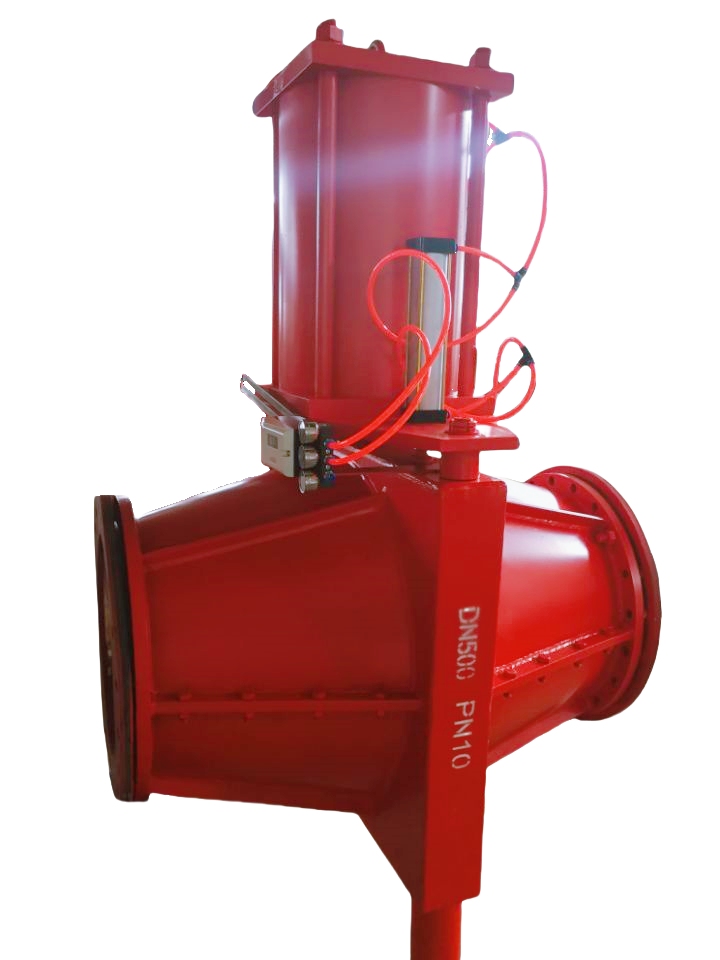
The supplier selection process for industrial procurement of valves is an important process as the item is often used in larger production systems.
What information should be confirmed before purchasing?
A complete discussion should include application details, valve specifications, materials, testing requirements, and delivery arrangements.
Providing accurate process information to suppliers enables them to select the most suitable solution as opposed to selecting a general product match.
What should companies review after receiving technical proposals?
It is helpful to the buyer to compare the proposed valve with the required operating conditions. On the technical drawings, details on materials and on availability of spare parts and service must be compared with those of the offered valve. Approval of the offered valve should only be given after a thorough check of the above mentioned details.
How can Miwival support customers looking for slurry valve solutions?
Miwival is a supplier of industrial valves. Within the range of Pinch Valve and Knife Gate Valve products the company supplies for problematic flow situations. Miwival supports its customers with questions regarding the selection of a suitable product for special requirements as well as with general information and appropriate valve solutions for different areas of application. Buyers should, as a rule, compare the specifications, the documentation, the price, the delivery conditions and the service of potential suppliers very critically before making a decision.
Conclusion
When choosing between Pinch Valves and Knife Gate Valves, the key considerations will be the amount of abrasive media being used, how much maintenance will be required and the operating characteristics of the Valve. By choosing a Pinch Valve, the direct contact between the mechanical parts of the equipment and the slurry can be minimized. A Knife Gate Valve will provide specific isolation characteristics for a given application. By matching the equipment to the process in which it is to be used, the correct Valve can be found. Engineers must take into account the following factors before selecting a Valve: pressure, temperature, solids content, and material compatibility. Also, successful installation will depend on good communication with the Valve supplier.
FAQs
1. What is the main difference between a Pinch Valve and a Knife Gate Valve?
Pinch Valves use a flexible sleeve to control the flow of liquids while Knife Gate Valves use a moving blade-like gate. The design of each type of valve affects how each will perform with abrasive materials.
2. Is a Pinch Valve suitable for slurry applications?
A Pinch Valve can be used for slurry service as the sleeve surrounding the internal components of the valve is protected from abrasion by the slurry. However, the typical service conditions need to be reviewed prior to selection.
3. Can a Knife Gate Valve handle abrasive media?
While Knife Gate Valves can be used to handle certain abrasive materials it is essential that the sealing design, materials used and the required maintenance are carefully reviewed prior to specifying such a valve for such service.
4. What factors should be considered when selecting a Slurry Valve?
The key factors are the media type, the solid content, the particle size, the pressure, and the temperature. The key factors also include the chemical conditions and the maintenance requirements.
5. Which valve has lower maintenance costs?
Costs of maintenance will depend on the application. The Pinch Valve will make easier maintenance than the Knife Gate Valve because the sleeve is the main component to be replaced. However additional parts such as the seals for the Knife Gate Valve must be inspected.


 consult
 WHATSAPP
 leave message
 top
top