
Plug Valve Leakage Problems: Causes, Troubleshooting and Prevention
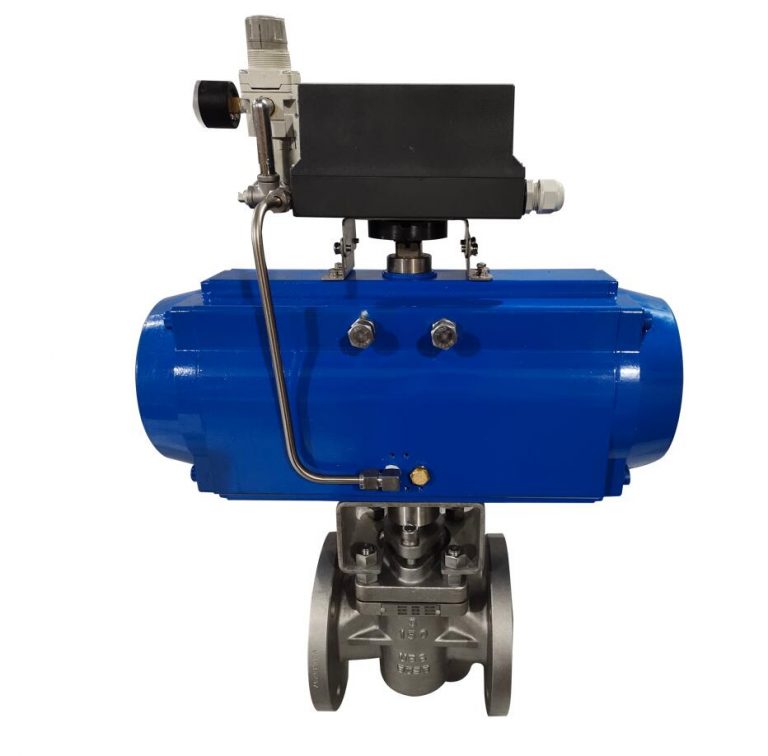
Plug valves are quarter-turn valves. They control the flow of liquids or gases. This happens by turning a cylindrical or conically tapered plug inside the valve body. Their basic build, small size, and dependable sealing ability make them common in fields like petrochemical processing, water treatment, and power generation. The strength of a plug valve matters a lot for keeping process safety and work efficiency. Even a small leak can cause product loss, contamination, or harm to equipment. This piece looks at the main reasons for plug valve leaking. It also gives useful troubleshooting steps. Plus, it covers ways to prevent problems and improve valve performance over time.
What Causes Plug Valve Leakage?
Plug valve leakage often comes from mechanical, material, and work-related issues. These problems hurt the sealing power.
Common Mechanical Causes
Mechanical wear is a top reason for plug valve problems. Constant contact with rough fluids can grind down or eat away at the plug surface. As a result, the plug does not touch the seat well. This leads to inside leaks from uneven pressure or weak sealing force. Too much turning force or quick pressure jumps can bend parts inside. Such actions create spaces where fluid slips through. Over time, these stresses cut the valve’s power to hold a tight close.
Material and Design Factors
Material fit is key to stopping rust-based leaks. If valve parts do not match the process fluids, chemicals can attack metal areas or rubber seals. Weak sealing plans or poor coatings on the plug surface add to early wear and leak spots. Also, heat growth differences between valve parts—like metal plugs and plastic seats—can twist spaces under changing heat levels. This hurts seal strength during use.
Operational and Maintenance Issues
Work mistakes speed up leak growth. Wrong setup steps can misalign flanges or inside parts. That causes uneven pressure on sealing spots. Skipping lubrication creates dry running. In those cases, friction rises a lot. It wears out both plug and seat materials. Tightening too much during use adds stress on seals and packing areas. In the end, this leads to pushing out or breaking of soft sealing parts.
How Can Plug Valve Leakage Be Diagnosed and Troubleshot?
A clear diagnostic plan helps find leak sources right before fixes start. This section covers inspection methods, testing ways, and repair steps to handle issues well.
Visual and Functional Inspection Techniques
The first check looks for clear signs of leaks near the stem, body joins, or flange links. Workers should watch for odd turning resistance when moving the valve. This points to inside friction from wear or dirt buildup. Fluids for leak spotting, used on the outside, help find tiny leaks that are hard to see. For better checks, sound wave tools can pick up high-pitched noises from gas or liquid escaping through small cracks.
Testing Methods for Leakage Verification
Tests before fixes check how bad the leak is and where it comes from.
Hydrostatic Testing
Hydrostatic testing puts the shut valve under water pressure in safe settings. It finds leaks in the body or seat. If pressure falls over time, it shows leak paths that need care.
Air/Gas Testing
Air or gas testing uses low pressure with clean air or safe gas. It spots tiny leaks through seals that water tests might skip. This way works well for valves in gas use. Even small flows can be a big deal there.
Corrective Actions During Troubleshooting
After finding the source, fixes should aim at damaged parts. Swapping out bad seals, gaskets, or seats brings back sealing power. No need for a full valve swap. If the plug surface has harm, smoothing it again or adding new coating can fix smoothness. It also brings back good metal contact. Setting the packing glands right gives proper squeeze around the stem. But avoid too much tightness. That could block movement.
What Preventive Measures Reduce Plug Valve Leakage?
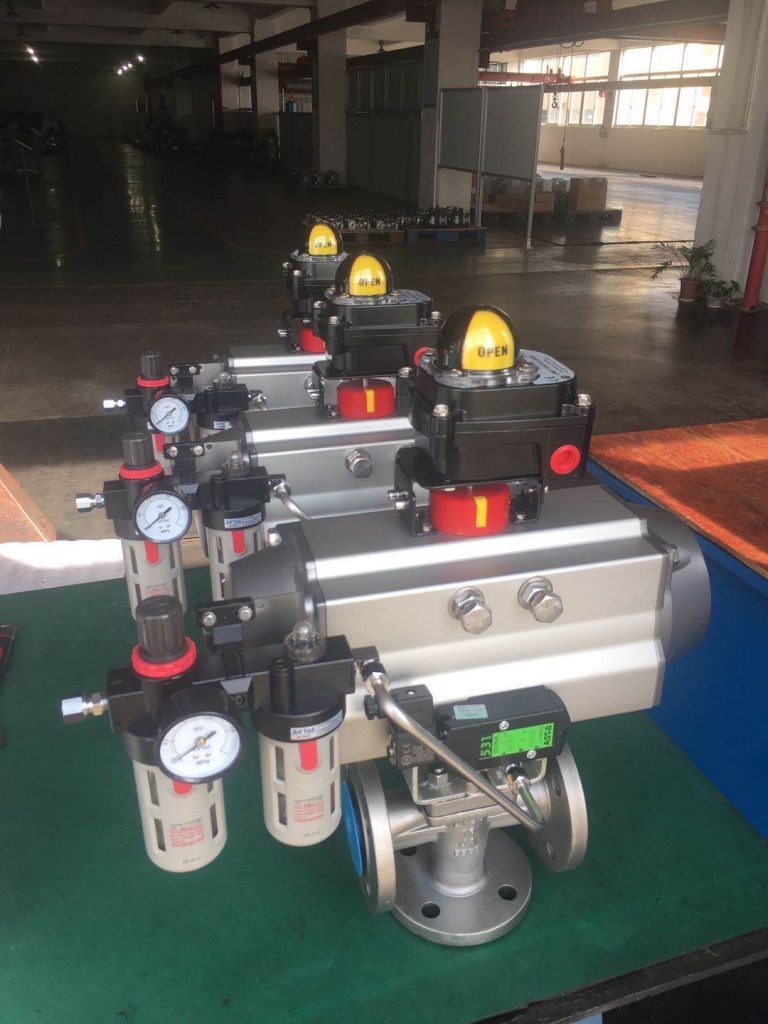
Preventive care plans help lengthen valve life. They also cut surprise stops from leak problems. Next, we explore routine care, lubrication tips, and best work habits.
Scheduled Maintenance Practices
Setting regular check times lets you spot wear early. This happens before big failures. Lubrication plans should follow maker advice. Base them on how often the valve cycles and the work conditions. Keeping track of turning force changes over time gives good clues about inside wear. A rise in needed force often means the lube layer is fading or the seat is getting hurt.
Lubrication and Seal Management
Good lubrication keeps things running smooth. It also guards metal from rust.
Proper Lubricant Selection
The lube picked must work well with the process fluids. It should handle heat highs and lows without breaking down. Special greases made for plug valves keep steady thickness under different pressures.
Seal Replacement Strategy
A forward-thinking plan for seal swaps stops sudden breakdowns. Replace packing before it wears out fully. Following service time logs helps set best swap times. Use past data instead of waiting for leaks to show.
Installation and Operational Best Practices
Right setup ways cut future care needs a lot. Make sure pipeline flanges line up well. This avoids bending stress on the valve body when tightening. Workers should stick to suggested force limits when turning valves. Too much power not only hurts seals but also speeds up tiredness in stems and supports. Training staff on proper turning rates stops over-use. That could wear seats needlessly in control flow tasks.
Why Choose Miwival as a Reliable Plug Valve Supplier?
Miwival is a solid choice for buyers. It makes carefully built plug valves for tough work settings. The firm offers a wide range. This includes lubricated, non-lubricated, and eccentric types. They fit places like petrochemical plants, water treatment spots, power systems, and more. Miwival goes beyond making. It gives full tech help. This covers picking products, setup tips, care planning, and worldwide support after sale. Customers get lasting trust from each valve placed.
Conclusion
Plug valve leaking problems mainly come from mechanical wear, bad material matches, wrong work habits, or poor care routines in factory setups. Good troubleshooting mixes sight checks with water or air tests. Then, it uses exact fixes like seal swaps or surface fixes. Preventive steps—from regular lube plans to strict worker training—matter just as much. They keep leak-free work through the valve’s full life. Teaming with Miwival’s skill and quality checks gives firms strong flow control tools. These are set for safety, good output, and lasting strength in all work setups.
FAQs
What are the primary signs that indicate a plug valve is leaking?
Clear fluid drips near the stem area, strange turning resistance in use, or drops in system pressure often point to leak troubles. These need quick checks.
How often should a plug valve be lubricated for optimal performance?
Lube timing relies on work setup. Often, do it every few months for valves that move a lot. Or once a year for light-use ones. This keeps strong sealing.
Can a leaking plug valve be repaired without full replacement?
Yes. Small leaks can get fixed by resetting the plug surface, swapping worn seals or packing, or using matching lubes. No full valve change is needed.


 consult
 WHATSAPP
 leave message
 top
top