
Plug Valve vs. Ball Valve: A Practical Guide to Selecting the Right One
In the humming control room of a Midwest oil refinery, engineers faced a tough call last summer. Slurry lines were clogging under high pressure, and the old valves just couldn’t keep up—downtime cost them $50,000 a day. They needed something reliable, quick to act, and built for the grit. After testing options, they landed on plug valves for those lines. Stories like this pop up all the time in plants across the country. Picking between a plug valve and a ball valve isn’t just about specs; it’s about matching the tool to the job so your operations run smooth without surprises.
Whether you’re troubleshooting a chemical processing setup or upgrading a water treatment facility, understanding these two workhorses can save headaches—and cash. We’ll break it down step by step: what each does, how they stack up, and smart ways to choose. By the end, you’ll have the know-how to make decisions that stick.
What Makes a Plug Valve Tick?
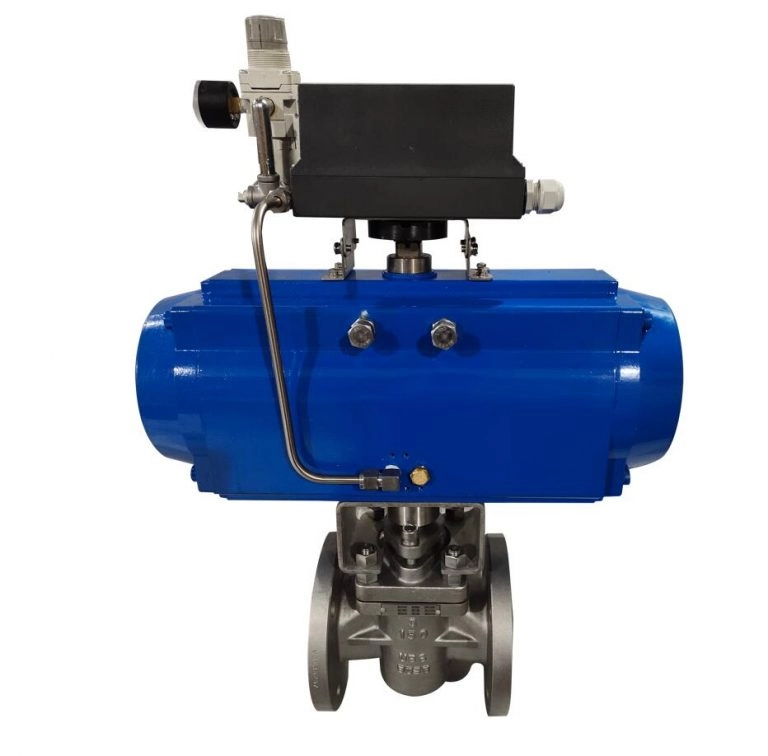
Picture a plug valve as the straightforward cousin in the valve family. It’s got a cylindrical or tapered plug inside the body, rotated a quarter turn to open or close flow. Simple, right? That design dates back to the early 1900s, but today’s versions handle everything from corrosive slurries to high-viscosity oils.
Core Design and How It Works
At its heart, the plug sits perpendicular to the flow when closed, blocking everything tight. Turn the handle 90 degrees, and it aligns with the pipe, letting fluid rush through. Lubricated models use grease to cut friction, making operation smoother in sticky situations. Non-lubricated ones? They’re sleeved with materials like PTFE for self-sealing, ideal where you want zero leaks.
Strengths shine in tough spots. They throttle flow well—adjust that plug angle for partial opens without much drop in pressure. And they’re pros at handling solids in suspension; think wastewater plants where grit is a daily fight.
Pros and Cons in the Field
-
Pros:
-
Excellent for throttling and on-off control.
-
Holds up against abrasion from slurries or powders.
-
Straight-through port means low resistance when open—flows like it’s not even there.
-
-
Cons:
-
Heavier and bulkier than some alternatives, which can complicate installs in tight spaces.
-
Needs regular lubing in dirty environments, or it binds up.
-
Torque can climb with bigger sizes, so actuators help for automation.
-
Take a Texas petrochemical plant I heard about: They swapped ball valves for plugs on a line carrying abrasive catalysts. Downtime dropped 40%, per industry reports from the American Petroleum Institute. No more seized stems mid-shift.
Ball Valves: The Quick-Quarter-Turn Champs
Now shift to ball valves. These guys use a hollow, perforated sphere—the ball—suspended in the flow path. Bore through the ball aligns with the pipe when open; perpendicular when shut. Invented in the 1950s, they’ve exploded in popularity for their speed and seal.
Inside the Mechanism
A stem connects the lever to the ball. One quick turn, and you’re done—full bore flow or dead stop. Seats around the ball, often elastomer or metal, keep things leak-proof. Floating balls work for lower pressures; trunnion-mounted ones lock in place for high-stakes jobs.
They’re stars in clean, fast-shutoff scenarios. Low torque means easy manual ops, and the full-port design maximizes flow coefficients—up to 20% better than restricted ports in some tests by the Valve Manufacturers Association.
Weighing the Upsides and Downsides
-
Pros:
-
Lightning-fast operation; quarter-turn beats multi-turn plugs.
-
Tight shutoff, even under differential pressure—Class VI leakage ratings are common.
-
Slim profile fits snug in piping runs.
-
-
Cons:
-
Struggles with throttling; partial opens can wear seats unevenly.
-
Not great for slurries—solids jam the ball or score the seats.
-
Higher initial cost for high-pressure models.
-
In a California brewery expansion, ball valves handled pure water lines flawlessly, cutting cycle times by 15 minutes per batch. But when solids entered the mix for mash transfer? Plugs took over, avoiding the $10,000 repair bill from trapped debris.
Head-to-Head: Plug vs. Ball Valves Compared
So, how do they measure up? Let’s lay it out clear. No fluff—just the facts from real engineering benches.
| Aspect | Plug Valve | Ball Valve |
|---|---|---|
| Flow Control | Great for throttling; adjustable angles. | Best for on-off; limited throttling. |
| Shutoff Tightness | Good with lubrication; sleeve types excel in dirty flows. | Superior seals; zero leakage in clean media. |
| Handling Solids | Handles slurries and abrasives well. | Prone to jamming; clean fluids only. |
| Torque Required | Higher, especially unlubricated. | Low—easy quarter-turn. |
| Size/Weight | Bulkier for larger diameters. | Compact and lightweight. |
| Pressure Rating | Up to 2,000 psi in some designs. | Often higher, to 10,000 psi. |
| Cost | Lower upfront for basic models. | More for premium seals and materials. |
| Maintenance | Needs periodic greasing. | Mostly set-it-and-forget-it. |
Data pulls from Fluid Controls Institute standards show plugs edging out in abrasive services by 25% longer life cycles. Balls? They win on speed, shaving seconds off automated sequences in high-volume plants.
Key Factors for Picking Your Valve
Choosing isn’t a coin flip—it’s about your setup. Start with the basics.
Fluid Type and Conditions
What’s running through? Clean gases or oils? Ball valves rule here, with their bubble-tight seals. Slurries loaded with 10% solids, like in mining tailings? Plugs laugh that off, thanks to wipe-clean action.
Pressure and temp play big too. Balls handle cryogenic chills down to -320°F or steamy 400°F highs without flinching. Plugs? They cap at 350°F unlubricated, but alloys push boundaries.
Installation and Long-Term Fit
Space crunched? Balls slip in easier. Budget tight? Plugs often run 20-30% cheaper per ASME surveys. And think ops: Manual or automated? Low-torque balls pair sweet with electric actuators.
Maintenance seals the deal. In a busy pharma cleanroom, balls mean fewer interventions—downtime under 1% yearly. Dirty utility lines? Plugs’ simple guts make fixes straightforward, no fancy tools needed.
Cost of Ownership Over Time
Upfront savings fade if failures hit. A 2023 McKinsey report on industrial maintenance pegged valve mismatching at 15% of unplanned outages. Factor in lifecycle: Plugs might need tweaks every six months in grit-heavy spots, but balls could last a decade in pristine flows.
Real-World Scenarios: When to Go Plug or Ball
Flash back to that refinery jam. High-pressure slurry at 150 psi, 20% solids—plugs won, boosting uptime to 98%. Contrast with a Florida desalination plant: Seawater reverse osmosis lines, crystal clean at 1,000 psi. Balls there prevented any brine bleed-through, saving 5,000 gallons daily in losses.
Industry stats back it. The International Valve Manufacturers group notes plugs in 60% of pulp and paper apps for their slurry savvy, while balls dominate 70% of HVAC controls for sheer speed.
Spotlight on Miwival: A Go-To Plug Valve Partner
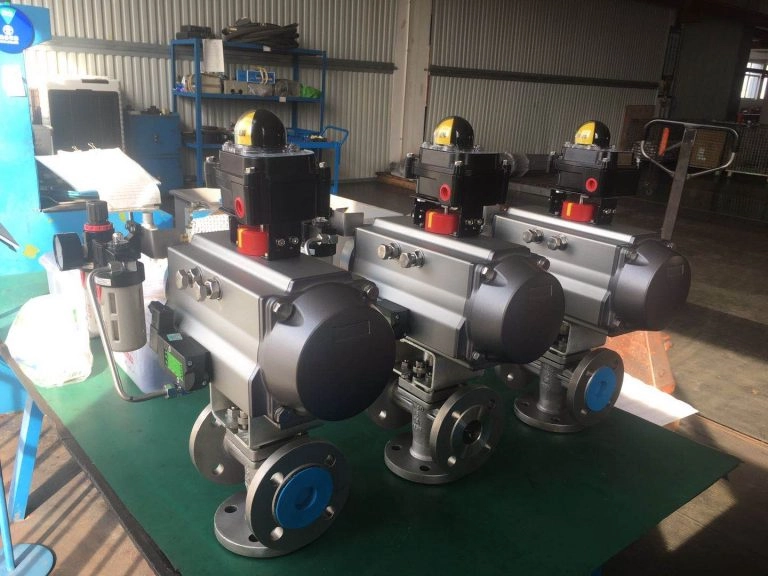
When plug valves top your list, Miwival steps up as a solid choice. Based in a hub of industrial innovation, they’ve honed designs for over two decades, focusing on durable, custom-fit solutions for oil, gas, and chemical lines. Their lineup—from standard eccentric plugs to pressure-balanced models—meets API 6D specs, with options in stainless, carbon steel, or exotic alloys. What sets them apart? Hands-on support, from CAD modeling your install to on-site testing. No cookie-cutter stuff; it’s about valves that fit your flow, backed by a track record of zero-failure runs in harsh Gulf Coast ops.
Wrapping It Up: Make the Call That Counts
Navigating plug valves versus ball valves boils down to matching muscle to the mess. Plugs grind through the tough stuff—abrasives, throttles, no-nonsense control. Balls bring the flash: quick shuts, clean seals, easy life. Weigh your fluids, pressures, and daily grind, and you’ll dodge those costly mismatches. Next time a line acts up, you’ll know: It’s not just a valve; it’s your operation’s quiet hero.
Frequently Asked Questions
What’s the main edge of a plug valve over a ball valve in slurry handling?
Plug valves shine in slurries because their wiping action clears solids without jamming, unlike ball valves where debris can score seats and cause leaks. In setups with 15% or more solids, plugs often outlast balls by double, per field trials.
How do I know if throttling is key in my plug valve vs. ball valve decision?
If your process needs fine flow tweaks—like dosing chemicals in batches—go plug. They handle partial opens smoothly with minimal pressure drop. Balls? They’re on-off specialists, but throttling wears them faster.
Can plug valves match ball valves in high-pressure apps?
Absolutely, many plug designs hit 2,000 psi and beyond with pressure-balanced features. For ultra-high like 5,000 psi, balls might edge out on seal tech, but plugs hold strong in abrasive high-pressure flows.
When should cost tip the scale between plug and ball valves?
If clean service and low maintenance are your jam, balls’ longer runs justify the extra upfront hit. For gritty, throttle-heavy jobs, plugs’ lower price and simpler fixes make them the budget-friendly pick over time.
Plug valve vs. ball valve: Which is easier for automated systems?
Ball valves win on torque—quarter-turn actuators sip power. Plugs need beefier ones for their rotation, but in automated slurry lines, that extra grip pays off in reliability.


 consult
 WHATSAPP
 leave message
 top
top