
Pressure Reducing Valve Sizing Guide: The 5-Step Cv Method Engineers Must Master
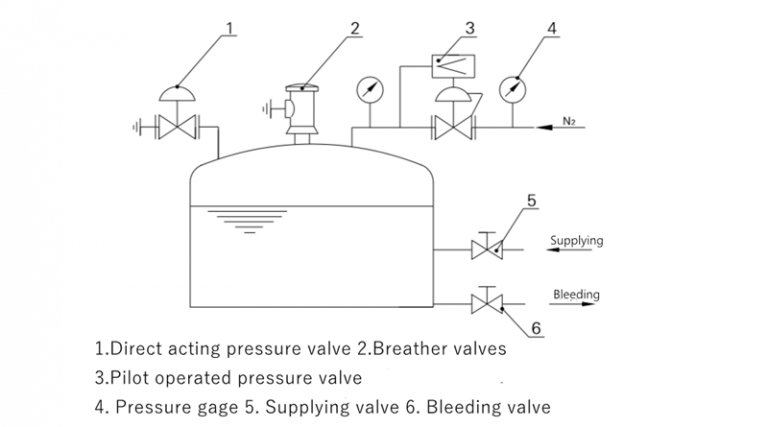
Dealing with unstable line pressure in a plant can turn into a real headache fast. One moment your equipment runs short on flow. The next, sudden spikes hammer your seals and set off alarms everywhere. A good pressure reducing valve (PRV) fixes that. It drops high inlet pressure down to a steady, safe level on the outlet side. And it does this even when demand changes all the time.
Sizing the valve correctly matters a lot. Get it wrong and the valve may hunt around, make noise, or sit barely open. That leads to quick wear and constant trouble. The fix comes down to a clear five-step Cv method. It keeps most projects on track when you follow it step by step.
Step 1: Gather the Five Critical Variables
Start by collecting solid data before you calculate anything. Miss any key number and the rest of the work falls apart.
Focus on these five things:
- Upstream inlet pressure, both maximum and minimum.
- Downstream outlet pressure that your system actually needs.
- Full flow range, from the lowest to the highest rate.
- Operating temperature and any extreme conditions.
- The type of medium — water, steam, oil, or a chemical.
Take a real case from a chemical plant in the Midwest. They sized their steam PRV based on average numbers and a steady 150 psig inlet. Then winter startup hit. Inlet pressure climbed to 220 psig while flow dropped to just 15 percent of normal. The valve chattered loudly until they redid everything with the full range of conditions.
Write the numbers down clearly. Check your units twice. A simple mix-up between gallons per minute and cubic meters per hour can cause big problems later.
Step 2: Calculate the Required Cv
Cv shows how much flow the valve can handle at a certain pressure drop. For most liquids the basic formula stays simple.
Cv = Q / √ΔP
Here Q stands for flow in gpm and ΔP is the pressure drop in psi.
Steam and gas need extra factors like specific gravity or superheat. Many suppliers now offer quick sizing tools. Still, learn the math first so you understand what the software actually does.
Picture this. You need to move 200 gpm of water and drop pressure from 150 psig down to 80 psig. That gives a 70 psi drop. Plug in the numbers and you get a Cv around 23.9.
Always run the calculation at maximum flow and the smallest pressure drop. That shows the toughest condition for the valve. Add a safety margin of 10 to 20 percent. Real systems always have extra losses from pipes, filters, or future growth.
Step 3: Match the Valve to Manufacturer Cv Tables
With your target Cv ready, check the capacity tables for the pressure reducing valve type you plan to use. Globe style, pilot-operated, or direct-acting each behaves a little differently.
Look for a valve whose full-open Cv beats your calculated number. Then see what travel percentage it needs at normal flow and at the lowest flow.
Miwival builds self-regulating and pilot-operated PRVs in sizes from DN20 all the way to DN100. These units cover pressure classes from PN16 up to PN64, or 150 LB to 300 LB in ANSI ratings. They work reliably with steam, water, oil, and many chemical fluids. Bodies come in bronze, carbon steel, or stainless steel. Flexible diaphragm choices help match your exact medium.
Choose the smallest valve that still leaves some room. It feels tempting to oversize for low pressure drop. In practice that choice usually creates more issues down the road.
Step 4: Check Minimum Opening Conditions
Lots of engineers rush past this step and pay for it later.
When a valve stays below 10 percent open for long stretches it gets unstable. The plug sits too close to the seat. Flow turns choppy and the valve starts to oscillate or hunt. In steam service that noise can get loud and damage the trim fast.
Figure out the Cv you need at the absolute lowest flow. Then check what percent of travel that represents on the valve’s curve. Most PRVs show quick-opening behavior.
Try to keep the valve at least 15 to 20 percent open even at minimum flow. If the numbers fall short, look at a smaller valve or different trim. Some pilot-operated designs handle wide swings in flow better than simpler direct-acting ones.
One refinery learned this the hard way on a fuel oil line. The PRV spent most nights sitting at 8 percent open. The stem wore unevenly and the valve started leaking through in less than two years. Switching to a properly sized unit with better low-flow control solved the problem for good.
Step 5: Verify Noise and Cavitation Risks
Big pressure drops across the valve can create two common headaches.
First comes noise. Anything above 85 dBA wears on everyone and may break plant rules. Second is cavitation. When local pressure falls below the fluid’s vapor pressure, tiny bubbles form and collapse. They pit the trim like sandblasting over time.
For liquids, run a quick cavitation check or use the supplier’s charts. Steam valves need extra attention to exit velocity and expansion noise.
If the numbers look risky, consider multi-stage trim, special cages, or a diffuser on the downstream side. It costs far less to fix on paper than after the valve is installed and the maintenance crew is already frustrated.
Why Proper PRV Sizing Pays Off
Follow these five steps carefully and your pressure reducing valve will run quietly for years. It responds smoothly and holds steady pressure. You end up with fewer alarms, less energy waste, and operators who actually trust the system.
Introducing Miwival – Your Flow Control Partner
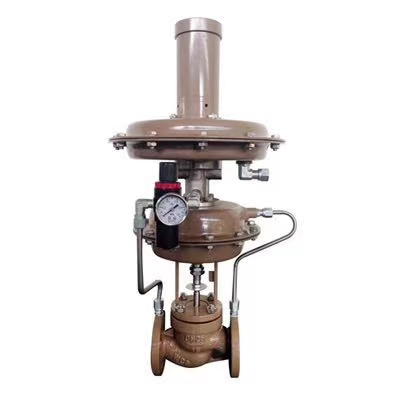
When you pick the hardware, it helps to know the company behind it. Miwival supplies valves, actuators, and accessories for industrial flow control. They aim to be a one-stop source that combines good quality with reasonable cost and solid delivery.
Their team knows the details of flow control technology. They focus on making sure components work well together and perform reliably in real plants. Miwival supports many sectors including power generation, chemical processing, oil and gas, food production, and pharmaceuticals. Their PRV range from DN20 to DN100 gives engineers practical choices without unnecessary complications. The valves are built for day-to-day durability and simple upkeep whether you need a basic unit for clean water or a tougher pilot-operated model for steam or hydrocarbons.
Conclusion
Sizing a pressure reducing valve right may not be the most exciting part of the job. Yet it makes a huge difference between a plant that runs smoothly and one that fights constant issues. Stick with the five-step Cv approach. Gather your real data, run the capacity numbers, match the right valve, watch low-flow behavior, and catch any noise or cavitation problems early. Do that and you install equipment that keeps working shift after shift.
Spend the extra time at the beginning. You and the maintenance team will be glad you did.
FAQs
What is the most important factor when sizing a pressure reducing valve (PRV)?
The full flow range usually matters most, especially the lowest and highest flows. A valve that handles peak load fine can still become unstable or noisy when demand drops way down. Always size with the complete turndown in mind.
How do I know if my PRV is oversized?
If the valve stays below 10 or 15 percent open most of the time, or you hear constant small movements and extra noise, it is likely too big. Go back and check Cv at your lowest expected flow and look at the travel percentage.
Can the same pressure reducing valve handle both water and steam?
Not every design can. Some valves work across different media, but steam brings special needs for temperature ratings and noise control. Always check what the manufacturer recommends for your exact fluid and conditions.
What pressure ratings are typical for industrial PRVs?
You will see classes from PN16 or 150 LB up to PN64 or 300 LB. Higher ratings give more flexibility when inlet pressure runs high or you want extra safety margin.
Is there a quick way to check cavitation risk without complex software?
A simple first check is to make sure outlet pressure stays well above the fluid’s vapor pressure at your operating temperature. If the pressure drop is large and outlet pressure gets close to vapor pressure, dig deeper with the supplier’s charts or think about special anti-cavitation trim.


 consult
 WHATSAPP
 leave message
 top
top