
PTFE-Lined Valve Flange Leaks After Thermal Cycling: What Should Buyers Check?
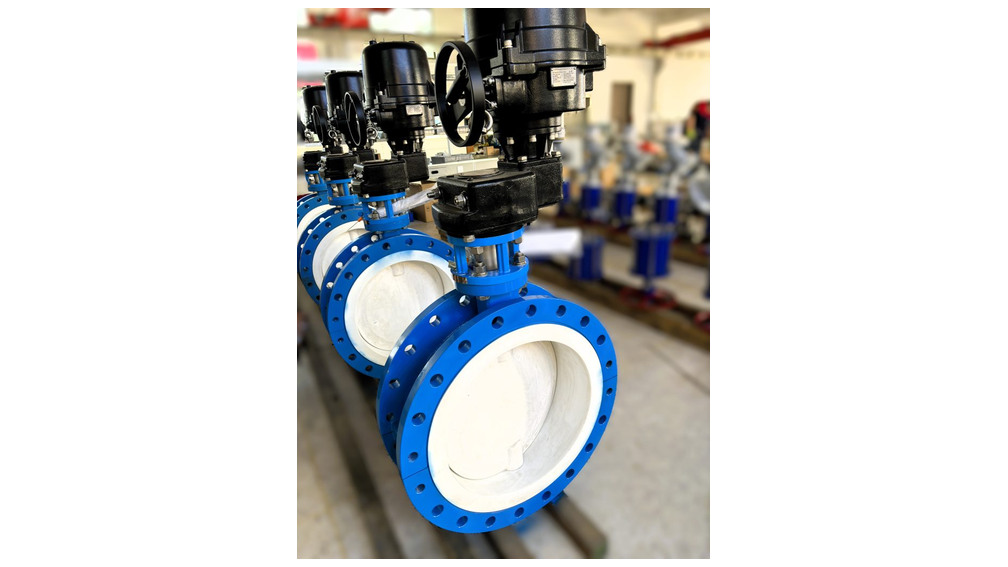
An enquiry headed PTFE-lined valve leakage can lead straight to a request for replacement lining. But where did the fluid escape? A pipe-end flange, the bonnet and the stem seal present different questions. This article deals with the pipe-end joint after thermal cycling. Before asking for parts, the buyer needs a marked photograph, the operating history and enough identification to establish how that joint was supplied. The lined valve configuration provides context; it cannot, by itself, explain the leak.
Which joint is actually leaking?
On the valve photograph or piping sketch, mark the affected end and flow direction. Was fluid seen emerging at the flange, or was the flange already wet when someone looked? Those are different entries for the enquiry. Fluid traveling down from above can obscure the distinction. Use observations already available within the site’s safety arrangements; nobody should put themselves near a hazardous release for the sake of a photograph.
A dry joint photographed after maintenance cannot show how its faces contacted before the work. The maintenance date, work description and photographs have to be read together. Retain the original report as well as the outcome. Site isolation and incident procedures govern the work; adjustment under pressure is not authorized by this checklist.
What changed during the temperature cycle?
A shutdown photograph and a single operating temperature are only fragments of the history. Build the sequence from the run’s start through warmup, steady running and cooling. Cleaning or flushing may add a further stage. Where does the first observation of fluid fit? There may be no observation of the joint during part of that period. In that case, fluid discovered at shutdown cannot reliably be dated to shutdown. Report the discovery time and the uncertainty instead of assigning an unsupported start time to the leak.
Separate the cycle from the diagnosis
The bolts and sealing element work together in a gasketed connection: assembly puts the bolts into tension while the seal is compressed. After a pressure-temperature cycle, the remaining sealing load may differ from the assembly condition. A fastener can look undisturbed without demonstrating that the load stayed unchanged. That explains the request for a trend, but more is needed to establish a cause. In particular, the pipe-end drawing must show whether the lined face provides the seal or the connection uses another specified arrangement. Only then can the applicable assembly instruction be selected.
Does the installed joint match its assembly basis?
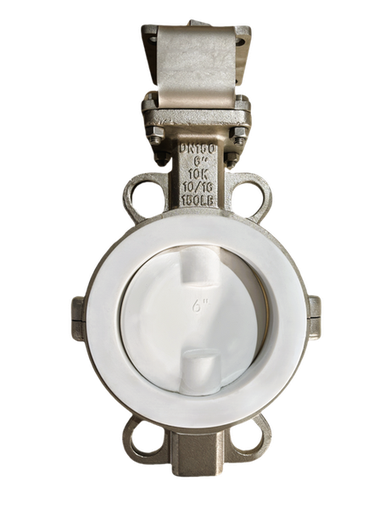
Bring the valve drawing, purchase specification and installation instruction together. Check their revision and applicability to the supplied size, lining and end connection. The inspection request should identify the mating flange as well as the valve. A general material description on a page about lined butterfly valve designs is not the same document as the installation instruction for the joint in service.
Compare specified and recorded conditions
Torqued to specification sounds complete until someone asks for the referenced sheet. Without it, the entry cannot establish the specified fastener condition, lubrication or tightening method. With it, the buyer can compare the written requirements against what was logged. Blank entries are still blank entries. The technician may remember the work, but a recollection obtained during the investigation should carry its own date and remain distinguishable from measurements made at installation.
|
Record to compare |
Question for the investigation |
|---|---|
|
Valve identity and lining specification |
Is the instruction applicable to this supplied assembly? |
|
Mating flange and sealing arrangement |
Do the installed parts match the approved joint detail? |
|
Assembly and maintenance records |
What was specified, and what was actually recorded? |
|
Temperature and pressure timeline |
At which stage was leakage first observed? |
|
Alignment and support information |
Did the installed piping condition differ from the approved arrangement? |
What should a physical examination preserve?
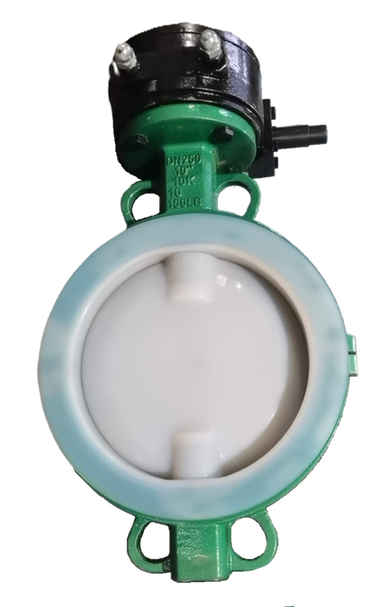
Once the site team and manufacturer agree an examination following the required isolation, consider how the supplier will read its photographs. A scratch filling the frame says little about its position on the joint. A wider view can locate that close-up against the affected end and reported escape point. The agreed record should cover both faces. These are documentation considerations only; the applicable procedures govern opening the joint, not this article.
A note that says failed lining skips over the finding. Replace that label with the examiner’s description of the feature, its position and extent. Is the same feature visible in an incoming-inspection photograph? Is there a suitable unused part available for comparison? Where those records are missing, the examination may be unable to date the feature. That is why handling and installation history cannot be discarded simply because the complaint followed a temperature cycle. The observed mark should remain separate from the explanation being proposed for it.
Include the installed orientation and nearby supports, especially where maintenance changed them. If movement was observed during cooling, identify its location. Corrections require the approved engineering and site procedure; pulling a piping mismatch together with flange bolts is not an investigation method.
Confirming PTFE-lined valve details with MIWIVAL
The fluoroethylene-lined butterfly valve description from MIWIVAL identifies fluoroplastic body lining, usually PTFE. It provides useful material context for a buyer checking product identity. It does not replace the supplied joint drawing or installation instruction. In a technical enquiry, the valve tag and mating-flange details let the supplier establish which documents to review. Asking only about PTFE would leave the actual connection undefined.
Conclusion
Before buying replacement lining, decide what the evidence actually calls for. A photograph may call for examination; an incomplete installation sheet may call for clarification. Neither automatically calls for a part. When you submit the flange records, ask what finding the proposed action addresses and which assembly requirements support it. The reply should resolve a defined question before corrective work is approved.
FAQs
1. Does leakage after heating prove the PTFE lining failed?
No. The sequence of heating followed by a leak report leaves the source of leakage unresolved. Locating the escape point comes first. If an examination also finds a physical change in the lining, that finding requires assessment against the supplied joint detail. A report of leakage by itself does not establish such a change.
2. Should buyers request a higher tightening torque?
Not on the strength of the leak report alone. Obtain the instruction for the supplied valve and mating connection, then compare the fastener details and surviving installation records with it. Any proposed value needs that assembly basis. No universal torque or authorization for hot tightening is supplied here.
3. What belongs in the first supplier enquiry?
The valve tag, mating connection and a marked photograph give the supplier somewhere to start. Add the operating trend and applicable assembly sheet where available. For a joint already adjusted, identify that intervention next to the photographs. The supplier needs to know whether the image shows the original reported condition or the result of later work.


 consult
 WHATSAPP
 leave message
 top